June 2-10, 2023
All good things must come to an end and although we were looking forward to getting back to “real life” and being closer to friends and family, there were still so many places we wanted to explore in Europe before making the move back to Atlanta this summer. As soon as we started thinking about our move, I began frantically narrowing down our list of “must-visit” places so that we could try to fit in as much as possible during our last few months. One of my more creative solutions for maximizing our travel opportunities was coming up with an itinerary that allowed us to visit several completely unrelated places on the same vacation.
Our second anniversary seemed like a logical milestone to plan an extended trip around, especially after the extremely high bar we set for ourselves while celebrating our first wedding anniversary with a 10-day trip to Spain last year, and a random UK bank holiday made the early June timing even more convenient. I booked our flights in and out of Milan so that we could prioritize visiting Lake Como, which had been at the very top of Andy’s list since our first trip to Italy. On the other hand, I had been dying to explore more of the Alsace region of France after spending a few days in Strasbourg on my own in 2018. After spending quite a bit of time looking at maps and trying to figure out how I could make this work, a road trip with stops in Switzerland seemed like the clear choice. Andy loves driving in Europe, I’d had multiple people recommend Interlaken as a priority visit, and we hadn’t spent a ton of time in Switzerland compared to other countries: it was the perfect solution.
What started out as a random and slightly disjointed itinerary built out of a desire to check off as many places on our list as possible turned into a true bucket list adventure in itself. Each leg of our trip was completely unique but we absolutely loved every minute and every place we visited. Driving gave us so much flexibility and we even ended up squeezing in several ‘bonus’ locations, including the Swiss capital of Bern and Franciacorta and Aosta in Italy. Also, I honestly think driving through the Alps was Andy’s favorite part of the entire trip—we’ve officially added ‘driving the Grand Tour of Switzerland’ to the top of our travel bucket list.
As in my previous posts about longer trips, I’ve included an itinerary with details about each leg of our trip below, as well as separate sections at the end of the post with more details about the specific restaurants and activities we enjoyed in each city. If you’re planning a trip to Milan, Franciacorta, or Lake Como, click here to access and download my Google Maps list of saved locations in Italy. For Interlaken and Lausanne, click here for my Google Maps list of saved locations in Switzerland. And if you’re exploring Alsace, click here for my Google Maps list of saved locations in France.
Itinerary
- Day 1 – Milan
- We arrived in Milan on Friday night and immediately checked in at Antica Locanda Dei Mercanti, an absolutely lovely hotel tucked away on a quiet side street in the heart of the city, just down the road from Castello Sforzesco and Parco Sempione. Our flight from Heathrow to Milan Linate was delayed more than an hour, but thankfully we were still able to make our late-night dinner reservation at 28 Posti, an intimate Mediterranean restaurant in the trendy Navigli neighborhood. We had a wonderful meal and, best of all, still had enough room to stop for gelato on our way back to the hotel.
- Day 2 – Franciacorta & Lake Como
- We had some time to kill the next morning, so we grabbed some takeaway coffee and pastries from the Starbucks Reserve Roastery (which is lightyears away from anything that could be considered a ‘normal’ Starbucks) and spent most of the morning shopping and strolling around the beautiful city. I personally love Milan and we hadn’t been back to the city since we visited during our two-week trip to Italy in 2019, so it was really a wonderful way to start our day.
- Eventually, we got on the road to make the one-hour drive eastward to Franciacorta, a section of the province of Brescia in Lombardy known for its DOCG sparkling wines made in the traditional méthode champenoise. The tiny Franciacorta production zone contains just over 5,000 acres and only ~10% of the 17 million bottles produced each year are exported outside of Italy, making it a bit of a hidden gem for wine tourism. As a lover of champagne, I typically dislike other types of sparkling wines (and absolutely hate prosecco), but I discovered how much I enjoyed Franciacorta on previous trips to Italy and was very excited to learn more about this prestigious winemaking region. We visited two of the most popular producers, Bellavista and Berlucchi, and the fantastic experience has permanently cemented my love for Franciacorta.
- After a marvelous afternoon in Franciacorta, we finally made our way up to Lake Como, a ~2-hour drive to the northwest. Lake Como, a Y-shaped glacial lake nestled in a stunning alpine setting, is one of the largest lakes in Italy and the fifth-deepest in Europe. It had been at the very top of our list since we first visited Italy and was definitely the leg of the trip that Andy was looking forward to the most. We stayed at Hotel Lenno, a fantastic boutique hotel located on the shores of the Gulf of Venus in the charming commune of Lenno (side note: despite being so charming, Lenno is also known for being the place where Benito Mussolini and his lover Claretta Petacci were executed by communist partisans near the end of World War II). I’m so glad we decided to stay on the western branch of the lake, which was much more tranquil than the bigger and glitzier cities of Como and Bellagio, and we ended up spending the majority of our stay in the surrounding area. We both absolutely love Lombardian cuisine, and the incredible dinner we had at Il Gatto Nero on our first night in Lake Como was exactly what we had been craving.
- Day 3 – Lake Como
- The forecast looked dismal for the one full day we had in Lake Como, so we had a leisurely breakfast and relaxed at our hotel until the sky cleared up enough for us to head to the Grand Hotel Tremezzo, passing by several of the lake’s famous villas on our 20-minute walk. After enjoying a light lunch and a few fantastic cocktails at the lakeside bar, we decided to take our chances with the weather and went over to a boat rental company to hire a small speedboat. We got incredibly lucky with the weather and ended up spending four perfect hours in the sunshine exploring as much of the lake as we could fit in one afternoon. Our private boat cruise was definitely our favorite thing we did while in Italy, and the fantastic day was capped off with another incredible dinner of risotto, asparagus, and other Lombardian staples.
- Day 4 – Drive to Interlaken
- I knew that Andy would enjoy driving in the Swiss Alps, but I was still (pleasantly) surprised that driving through Switzerland was genuinely his favorite part of the entire trip, which was fortuitous because we definitely spent a lot of time driving on this trip. We left Lenno after breakfast and quickly crossed into Switzerland (Lenno is just 16 miles from the border). The unparalleled beauty of the Swiss Alps won us over immediately, especially as we drove along the edge of the absolutely idyllic Lake Lugano, and our obsession with Switzerland only continued to grow during the nearly 4-hour journey to the next stop on our itinerary: Interlaken. A popular home base for tourists visiting the area’s many mountains, the utterly charming town of Interlaken (literally translated to ‘between lakes’) is nestled alongside the River Aare between Lake Brienz and Lake Thun in the Bernese Oberland region of the Swiss Alps.
- Although we spent a lot of time in Interlaken, we actually stayed on the opposite side of Lake Thun in the more subdued town of Thun. Specifically, we stayed at Schloss Schadau, a 19th-century Gothic Revival castle with nine guest rooms set within the magnificently manicured gardens of Schaudaupark on the shores of the lake—and the experience was even more incredible than it sounds. Our room was exquisite, the service was outstanding, and the hotel’s garden restaurant had one of the most beautiful lakeside views that I’ve ever come across. It was so beautiful, in fact, we decided to cancel our original reservations and have our anniversary dinner at the hotel instead, which turned out to be an absolutely fantastic choice.
- Day 5 – Interlaken & Wengen
- We wanted to do at least a little bit of hiking while we were in the area, despite my ongoing recovery from tearing my meniscus earlier this year, but the amount of choices was a bit overwhelming. Luckily, I found a highly rated guided hike on Airbnb Experiences (my go-to source for booking unique activities while traveling), and so after an outstanding lakeside breakfast at our hotel, we set off for Wengen. A tiny village perched on a cliff 4,000+ feet above sea level, Wengen is one of the only car-free resort towns in Europe and the only way to reach it was via train from the nearby town of Lauterbrunnen. The 15-minute train ride was chock-full of stunning views of the famous Jungfrau (one of the main summits of the Bernese Alps) and the idyllic Lauterbrunnen valley, which set the stage for the picturesque hike we took with our guide and her dog, Paco, through the alpine countryside.
- After our hike, we returned to our hotel to quickly freshen up before heading back out for drinks with a couple we met during a cooking class in Marrakech this spring. It was so fun to catch up with them and the wine bar, Spatz – Gastro & So, was an absolute gem. We then ended the day with another lovely dinner at Salzano, a rustic and hearty traditional restaurant on the outskirts of town.
- Day 6 – Interlaken, Bern, & Colmar
- After one last lakeside breakfast and soaking up every moment of our final morning at Schloss Schadau, we made our way to the uniquely charming Schloss Oberhofen (Oberhofen Castle) for a little bit of sightseeing before leaving Interlaken. The weather was truly perfect and we ended up spending quite a bit of time walking along the shores of Lake Thun and enjoying the sunshine. On our way out of town, we called an audible and decided to break up the 2-hour drive to the last leg of our itinerary (the Alsace region of France) with a stop in Bern. Interlaken is located in the canton of Bern, the second-most populous of the 26 cantons forming the Swiss Confederation, and after a few days in the area we were intrigued by what we heard about the canton’s eponymous capital city, which is also the de facto capital of Switzerland. More specifically, we were (very) intrigued by Bern’s historic association with bears and the Bärengraben (bear pit) enclosure that still contains the city’s mascots.
- Thankfully, we were able to see one of the city’s four resident brown bears relatively quickly—the bear itself was less interesting than the general concept of having an ancient bear pit in the city center, though. After seeing what the bears were all about, we crossed the River Aare via the Nydeggbrücke bridge to grab some lunch and explore Bern’s medieval Old Town. We’ve seen quite a few ‘old towns’ at this point, but Bern was genuinely special and I am so happy we decided to stop and see a bit of the city.
- We got back on the road after lunch and, despite hitting some traffic outside of Basel, made our way into France with relative ease. I spent some time in Strasbourg on my own a few years ago, and I have been itching to come back with Andy to explore more of the Alsatian region ever since. Alsace is a historic cultural region on the west bank of the upper Rhine in eastern France, but the area was heavily contested and switched between France and Germany several times from the mid-17th century until World War II. As a result, Alsatian culture is a wonderfully rich and unique mix of French and German influences, including its half-timbered houses that blend classic German architecture with local materials (pink and yellow Vosges sandstone), brightly colored renderings, and windowbox planters overflowing with flowers. The overall effect makes its medieval villages and castles look like a fairytale brought to life.
- We decided to stay in Colmar, one of the larger small towns in the Alsace region, given its ideal location on the Alsace Wine Route and its reputation as one of the most beautiful towns in France. It’s known for its extremely well-preserved medieval and early Renaissance architecture, canal-lined town center, and cobblestone streets lined with traditional half-timbered houses, as well as its incredible Christmas market and standout gastronomic scene. The dinner we had at L’Atelier du Peintre, a Michelin-starred restaurant located in a former painter’s studio in the heart of Colmar, certainly set the stage for a wonderful sequence of meals we enjoyed over the next few days in the region.
- Day 7 – Alsace Wine Route
- Exploring the famous Route des Vins d’Alsace, a 105-mile trail that passes through 67 wine-producing communes, was definitely one of the main reasons I was so excited to visit Alsace. The region is known for producing some of the best white wines in Europe and thanks to its Germanic influences, Alsace is the only Appellation d’Origine Contrôlée region that primarily produces single-grape wines, with the majority of its 700+ local wine producers specializing in exquisite dry Rieslings and a highly aromatic local varietal called Gewürztraminer. We’ve visited quite a few European wine regions, but the winery culture in Alsace was completely different from anything else we’ve experienced.
- To begin with, Alsatian wineries were so laid back, casual, and noncommercialized that they actually reminded me more of wineries in North Georgia (the state) than anywhere I’ve visited in France, Italy, or Spain—aside from the dramatic difference in the quality of the wine, of course. The prices for wine were also a lot more comparable to tiny stateside vineyards. For example, the most expensive bottles of wine at Maison Trimbach, one of the finest and most renowned winemakers in Alsace, were only a couple hundred euros and the majority of their other labels were in the €20-€30 per bottle price range. And speaking of prices, most wine tastings were free and they basically just let us taste as many wines as we wanted? This was actually a bit of an issue after we went to back-to-back tastings at Maison Trimbach and Domaine Louis Sipp on Thursday morning and were thoroughly buzzed at 11 AM. Thankfully, we stumbled upon the absolutely delightful Auberge du Parc Carola and felt much better after a hearty lunch…and a mid-afternoon nap back in our fantastic apartment in Colmar.
- Following an early evening Crémant d’Alsace tasting on the stunning panoramic rooftop bar at Domaine Joseph Cattin, we made our way to the tiny village of Illhaeusern for an unforgettable dinner at the legendary Auberge de l’Ill. The Haeberlin family established their traditional Alsatian inn on the river banks in 1882, and the founder’s two sons opened the doors of what would become one of the most prestigious restaurants in France after World War II (where, interestingly, the brothers actually fought on opposite sides of the war due to a policy imposed by the German occupying forces). Auberge de l’Ill famously lost its third Michelin star in 2019 (after holding all three for more than 50 years), but our dinner experience was nothing short of perfect. Everything from the service to the riverside setting to the sommelier was simply magnificent, and each course of the set menu was as delicious as it was creative.
- Day 8 – Drive to Lausanne
- The next morning we made our way to one more Alsatian village—and I think we saved the best for last. Kaysersberg was so utterly charming that it almost seemed like a set for a Disney movie, especially with the crumbling ruins of the medieval Château de Kaysersberg overlooking the village and surrounding vineyards. After exploring the castle, we finally had the opportunity to enjoy my very favorite Alsatian dish: flammekueche, or tarte flambée, which is essentially a very thin, fire-cooked pizza that is covered with fromage blanc or crème fraîche, onions, and thinly sliced bacon. We left Kaysersberg and Alsace on that high note and headed southwest through the beautiful French countryside on our way back to Switzerland.
- We arrived in Lausanne by late afternoon and were immediately smitten with the stunning views of Lake Geneva from our room at the Hotel Angleterre & Résidence, where Mary Shelley and Percy Bysshe Shelley allegedly stayed when they famously spent five months in Lausanne with Lord Byron in 1816. Although we have flown in and out of nearby Geneva a few times for ski trips, we were excited about finally spending some time on Lake Geneva. Known as Le Léman in French (something I didn’t know before visiting the city), the croissant-shaped lake is the largest body of water in the Alps and it was every bit as gorgeous as we had hoped. After drinks at the historic Hotel d’Ouchy, we had a low-key final dinner at L’Accademia, a lovely Italian restaurant affiliated with our hotel.
- Day 9 – Drive to Milan
- I woke up extremely early on the final morning of our trip and couldn’t go back to sleep, so I decided to make the most of it and left Andy asleep while I went out to see more of the city. Our hotel was close to the Musée Olympique and although it was far too early to visit the actual museum, I enjoyed walking through the surrounding park gardens that were filled with sports-related sculptures and other art installations. I then made my way up the winding streets (Lausanne is a very hilly city) to the beautiful Lausanne Cathedral, an imposing Gothic cathedral built in the 13th century and towering over the city. The views of the lake were well worth the strenuous walk up to the cathedral, especially in the early morning light.
- After grabbing some breakfast and checking out of our last hotel, it was time for us to make the four-hour drive back to Milan. Of all the driving we did during this trip, the route we took from Lausanne to Milan was by far the most spectacular—our drive took us along the northern and eastern edges of Lake Geneva and then wound us up and down the Swiss Alps before crossing into Italy via the infamous Tunnel du Grand-Saint-Bernard, one of the longest road tunnels in the world. The steep, winding mountain roads and panoramic views were slightly terrifying, but Andy was pretty much beaming from ear to ear the entire time. We had some time to kill before our flight and so after we crossed into Italy we decided to stop for lunch in Aosta, the principal city of the stunning and mountainous autonomous region of Aosta Valley.
- The Aosta Valley is Italy’s smallest and least populous region, as well as one of just three bilingual regions (French being the second official language). The area includes the Italian slopes of Mont Blanc, Monte Rosa, Gran Paradiso, and the Matterhorn, making it home to some of the most impressive castles and best ski resorts in the country, and it has an incredibly rich and extensive history dating back to the Neolithic age. The Valle d’Aosta was inhabited by a Celtic tribe called the Salassi before annexation by the Romans, who founded the capital city in 24 BC during the reign of Augustus. The original street plan and ancient town walls of Augusta Prætoria Salassorum have been remarkably well preserved almost in their entirety, and the tiny city includes more Roman remains than anywhere else in Italy (outside of Rome, of course), including a theatre, amphitheater, necropolis, highway, and several bridges.
- Aosta was so peaceful and uniquely charming, and we definitely want to come back and spend much more time exploring and eating in the area…especially after the incredible introduction we had to the local dining scene. Aostan cuisine is simple and rustic, revolving around hearty soups and other filling dishes that typically feature some combination of Fontina or other cows’ milk cheese, polenta, local game, cured meats, potatoes, and rye bread. Our fantastic lunch in Aosta was the absolute cherry on top of our genuinely anniversary trip, and I couldn’t have planned a better way to wrap up nine days of incredible meals, wines, and experiences before heading back to London.
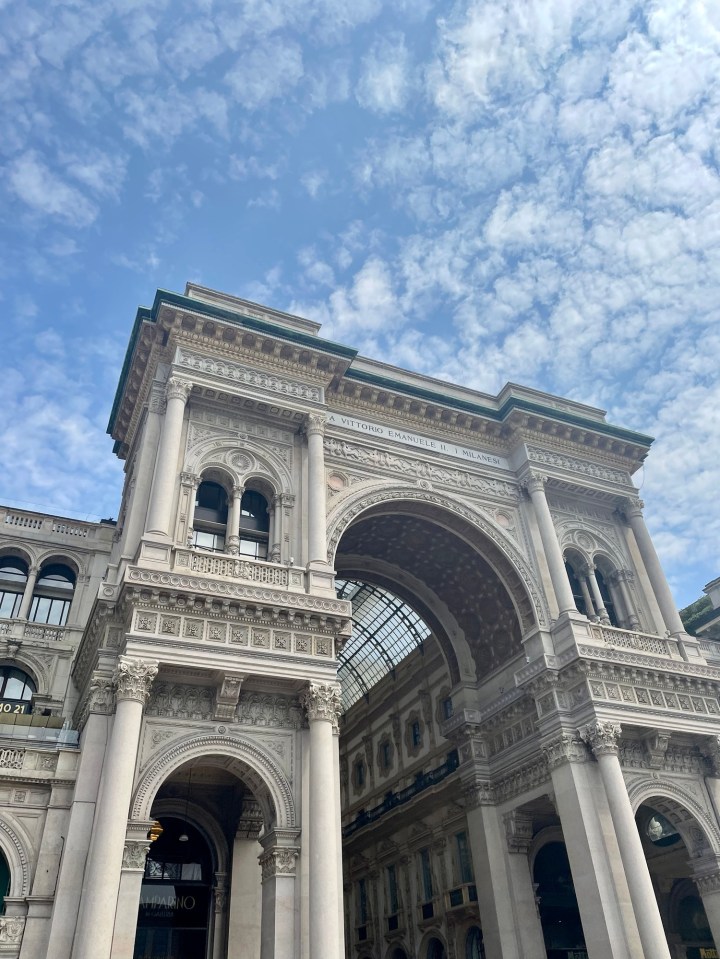
Milan’s Galleria Vittorio Emanuele II, the oldest shopping gallery in Italy 
Galleria Vittorio Emanuele II (Milan) 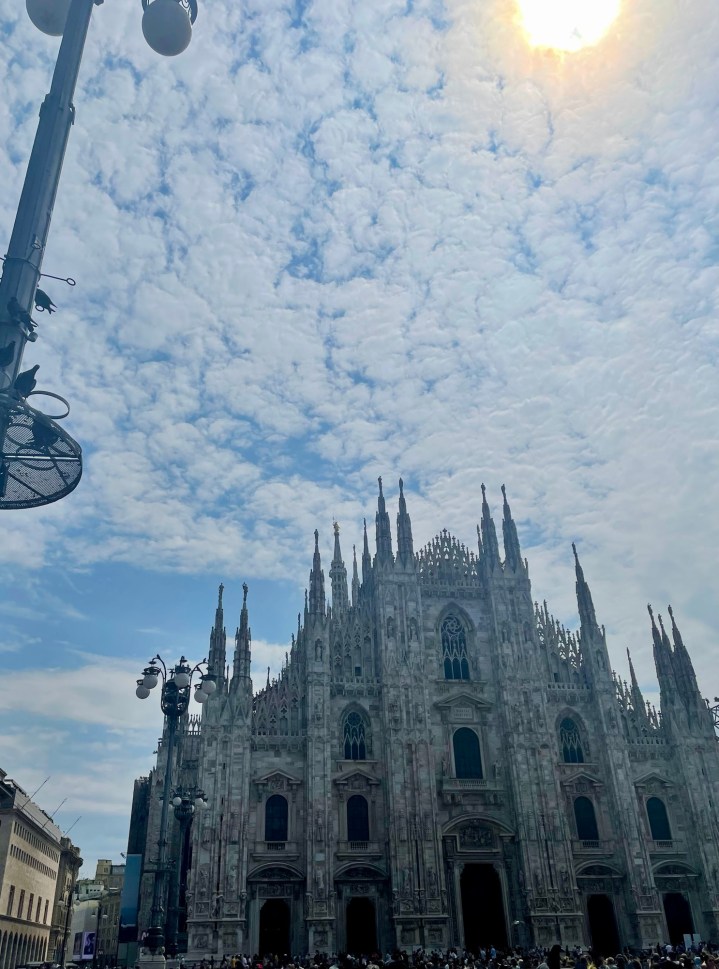
Duomo di Milano 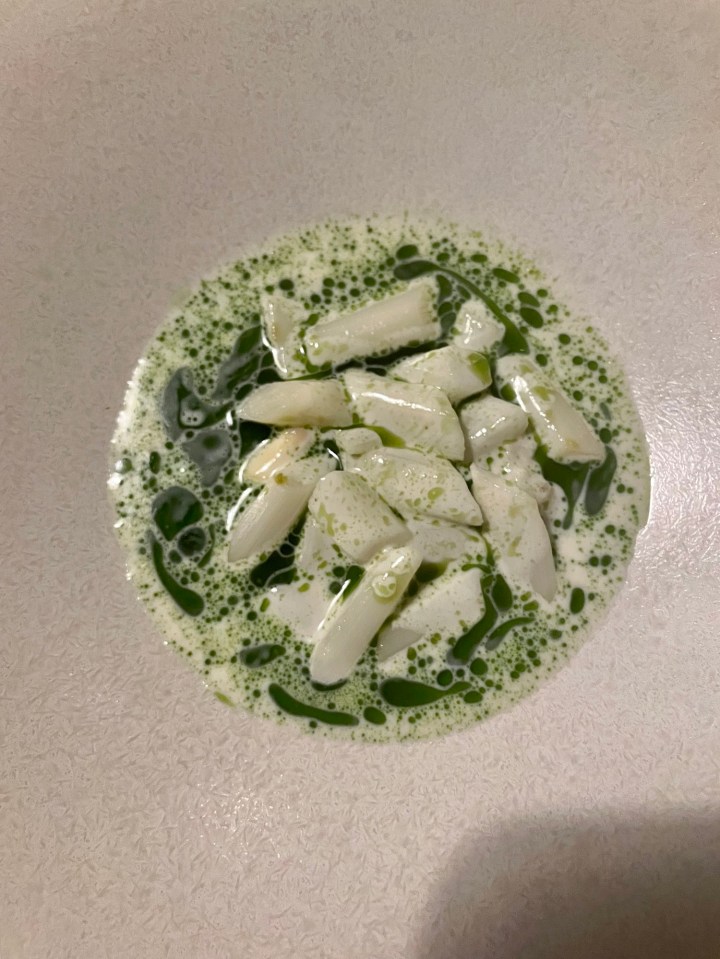
White asparagus at 28 Posti (Milan) 
Our private terrace at Antica Locanda Dei Mercanti (Milan) 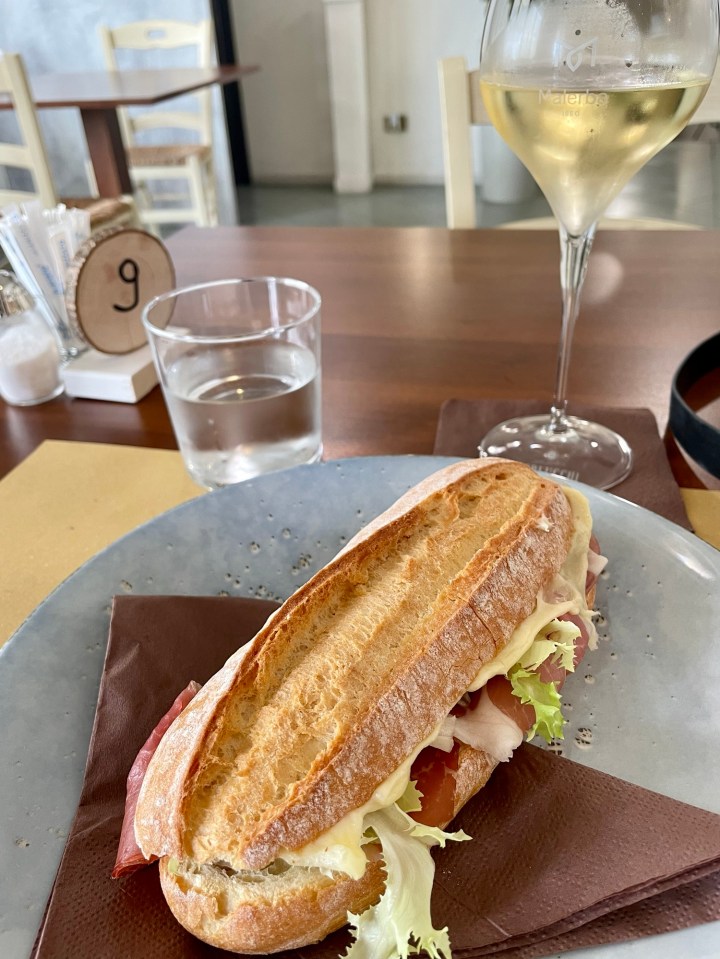
We stopped at a random gas station in Franciacorta and I ended up having one of the best sandwiches of my life 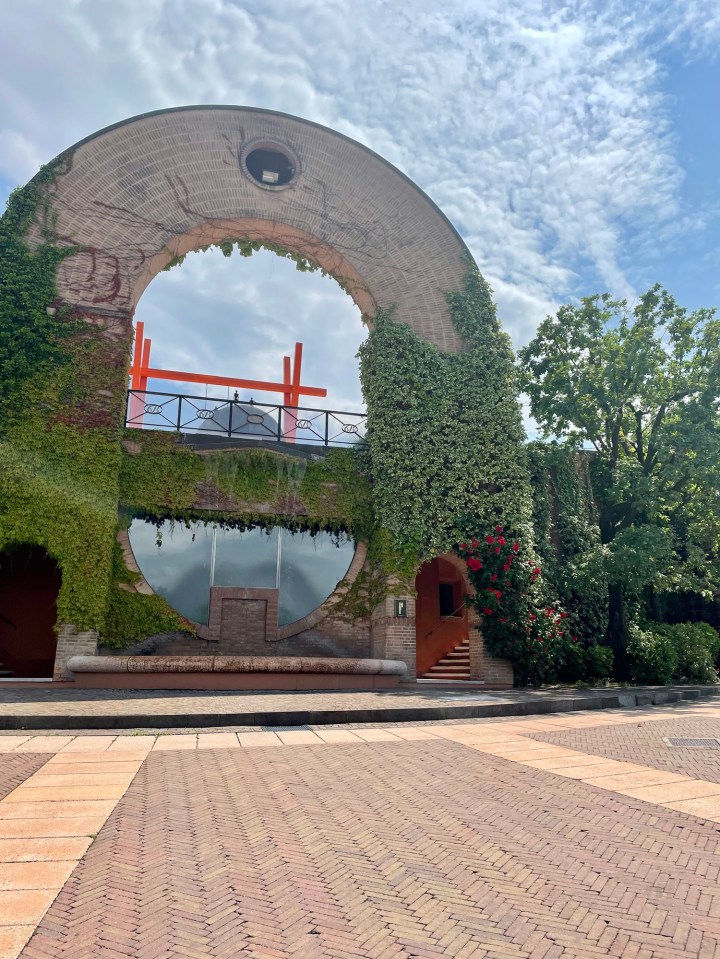
Bellavista Winery (Franciacorta) 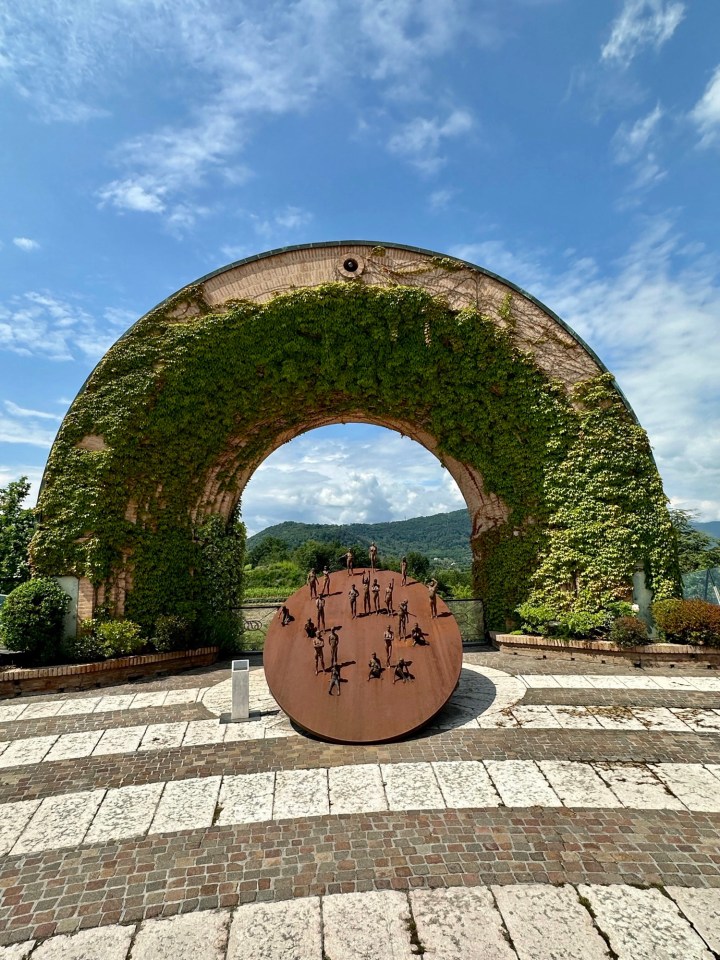
Bellavista Winery (Franciacorta) 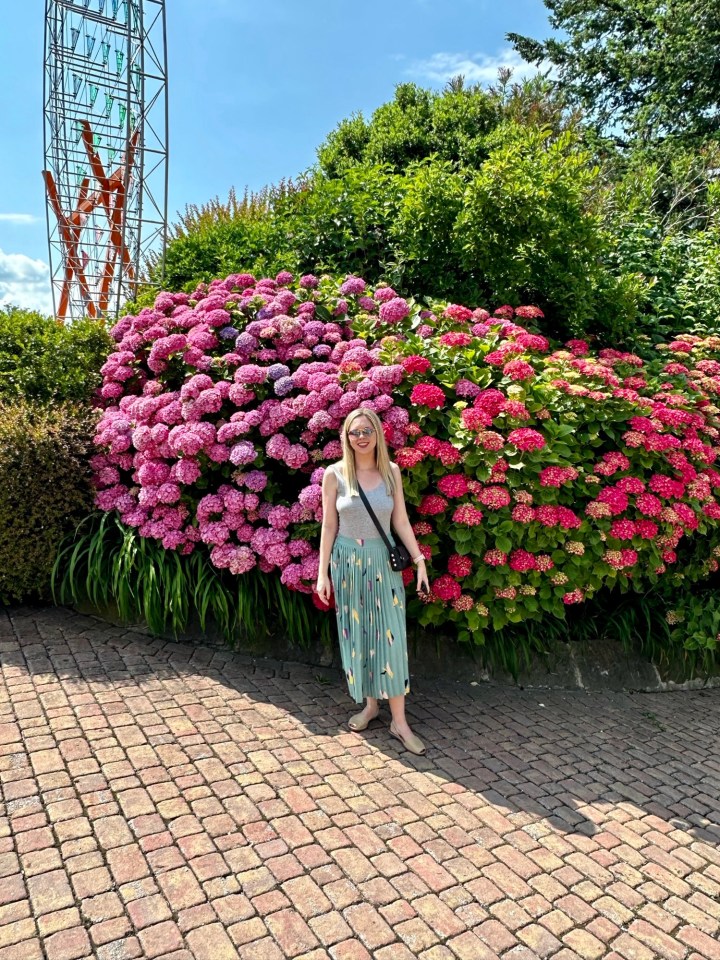
Bellavista Winery (Franciacorta) 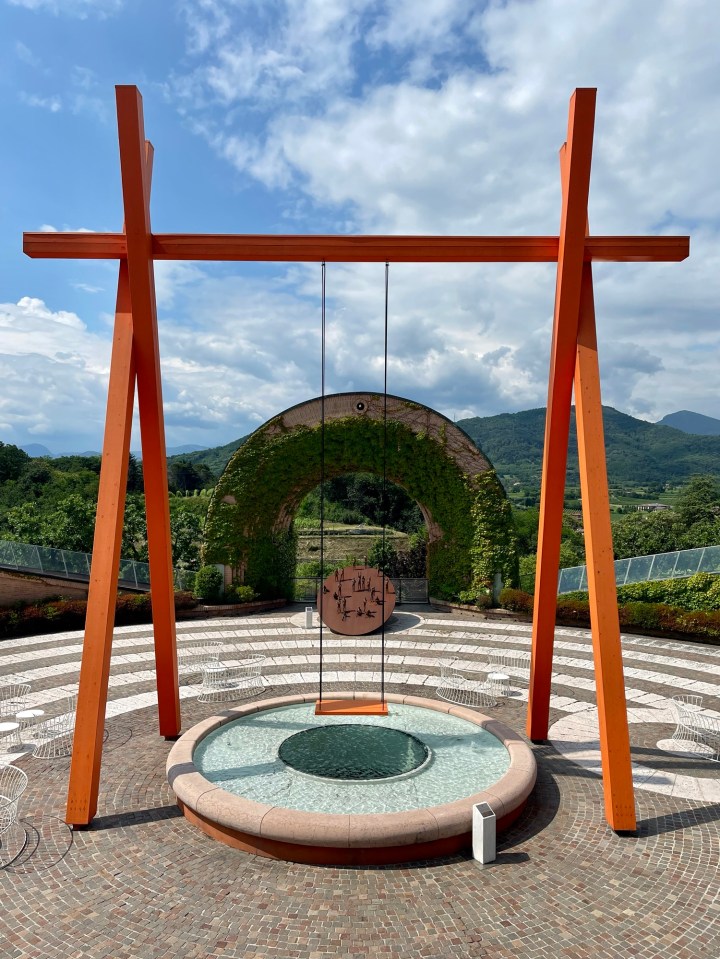
Bellavista Winery (Franciacorta) 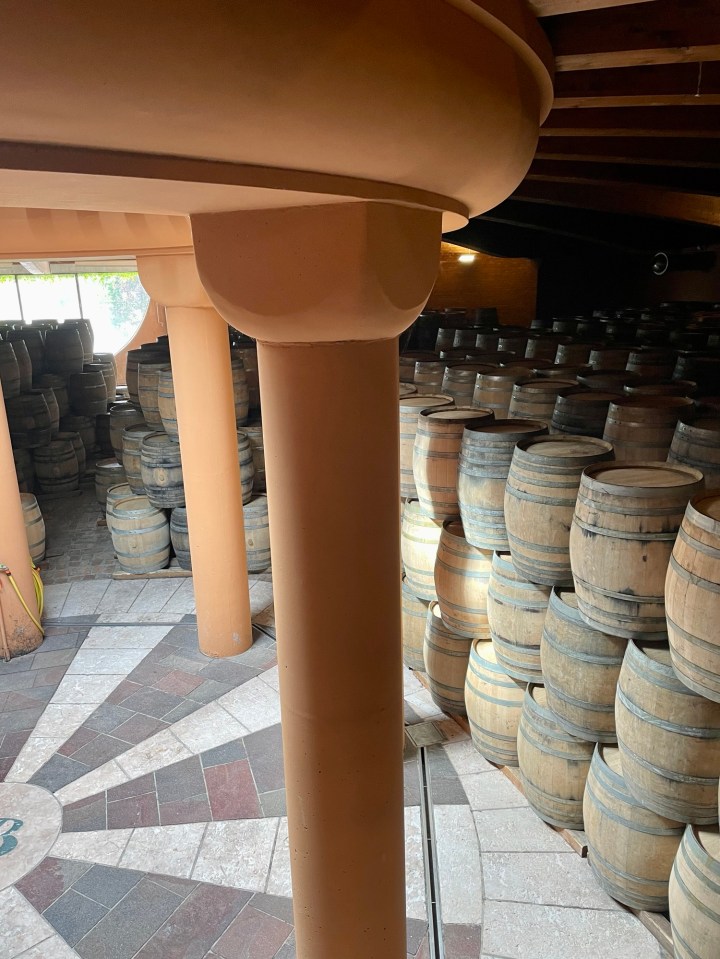
Bellavista Winery (Franciacorta) 
Bellavista Winery (Franciacorta) 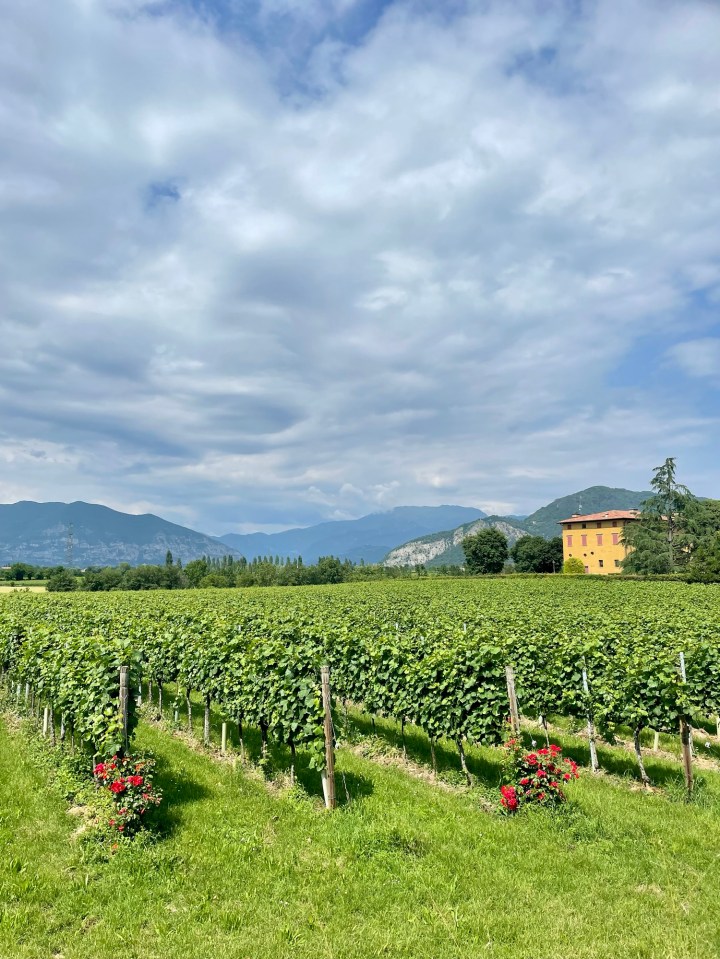
Berlucchi Winery (Franciacorta) 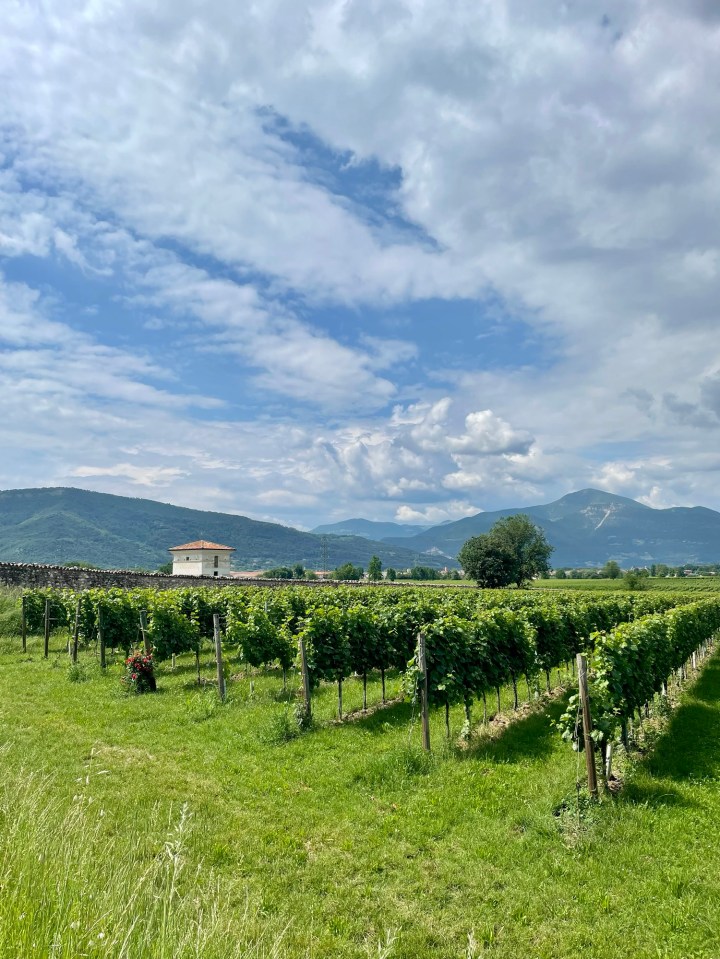
Berlucchi Winery (Franciacorta) 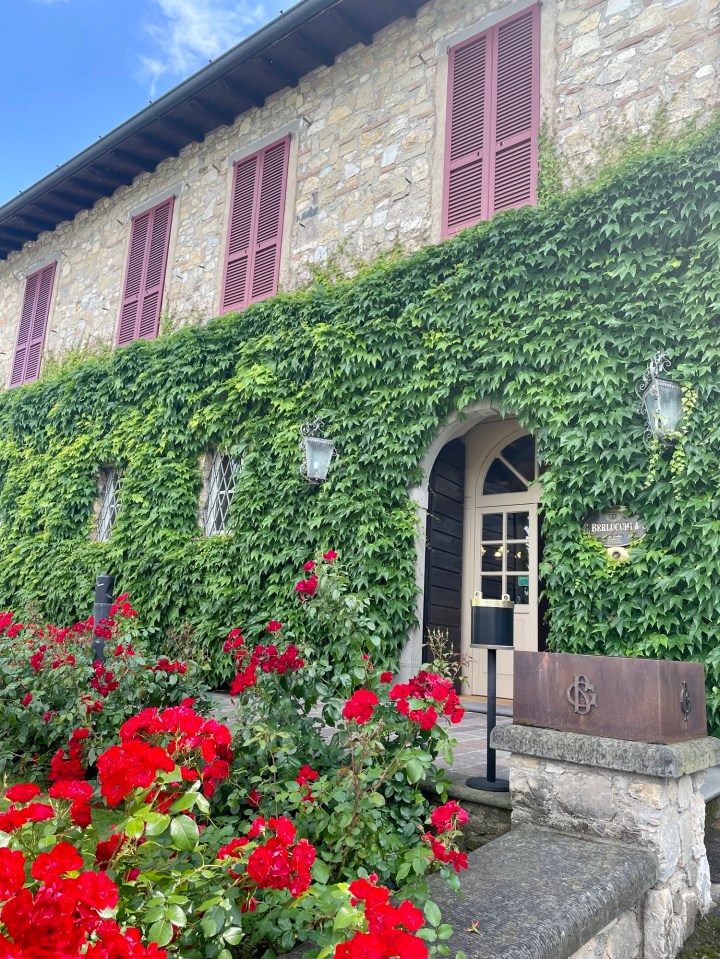
Berlucchi Winery (Franciacorta) 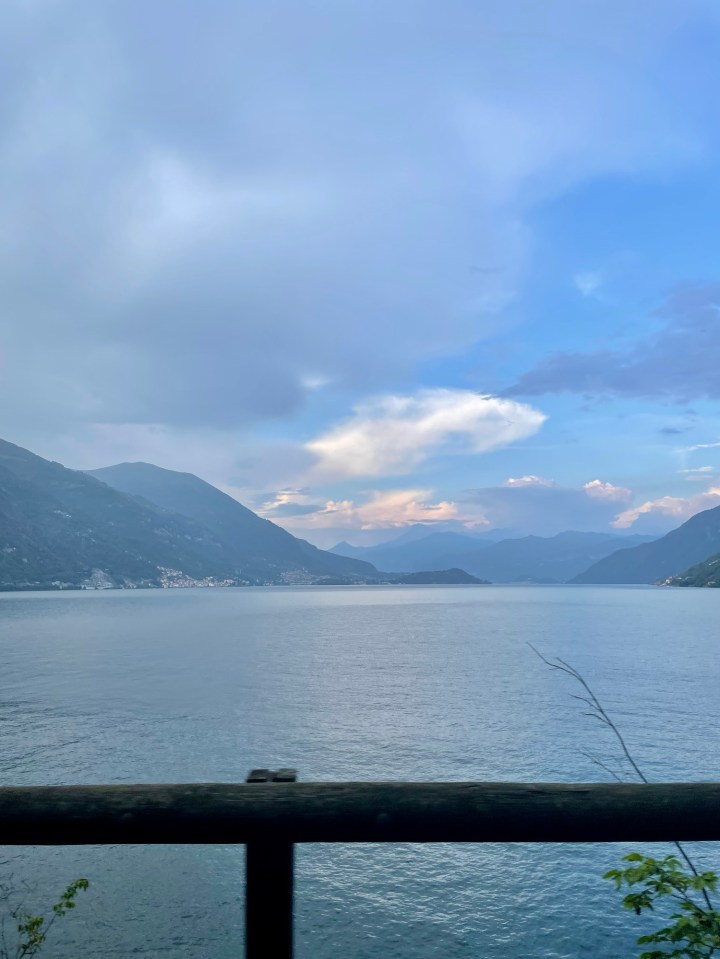
Lake Como 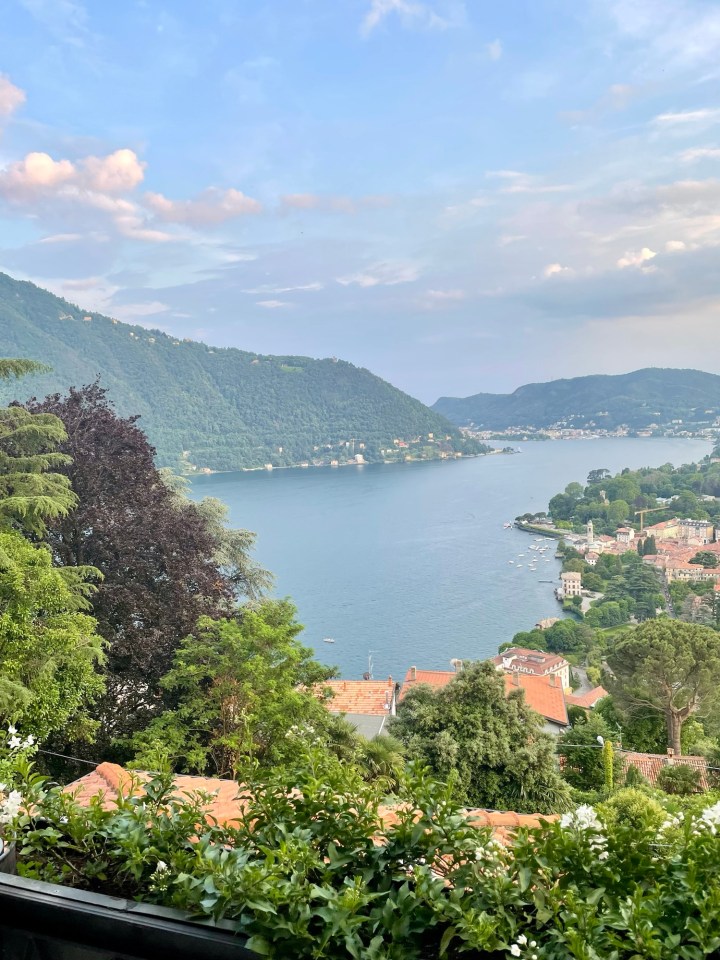
Ristorante Gatto Nero (Lake Como) 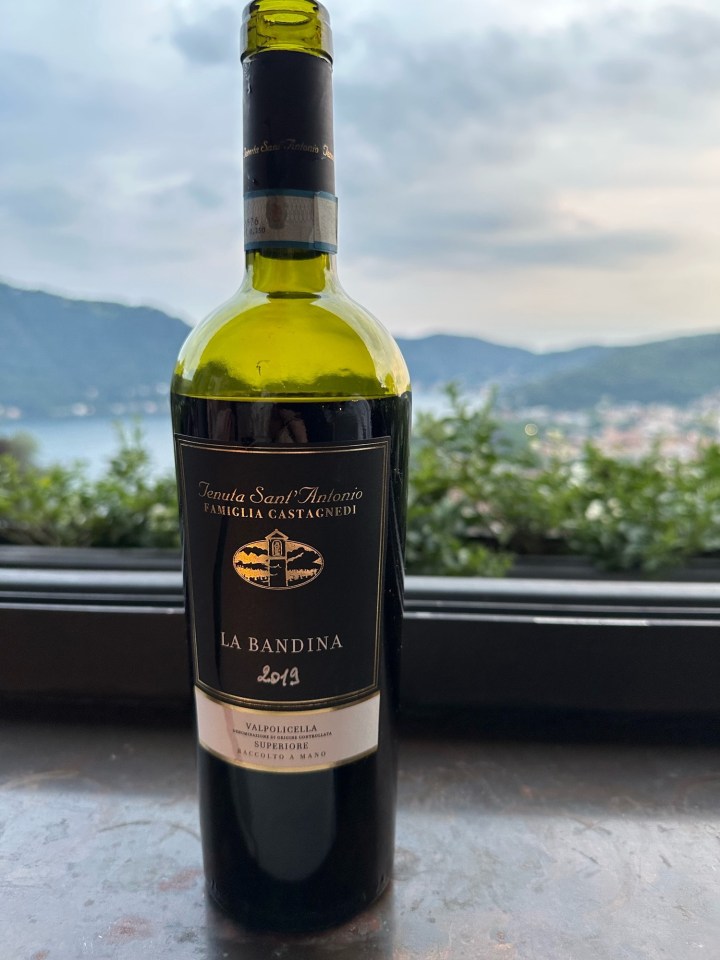
Ristorante Gatto Nero (Lake Como) 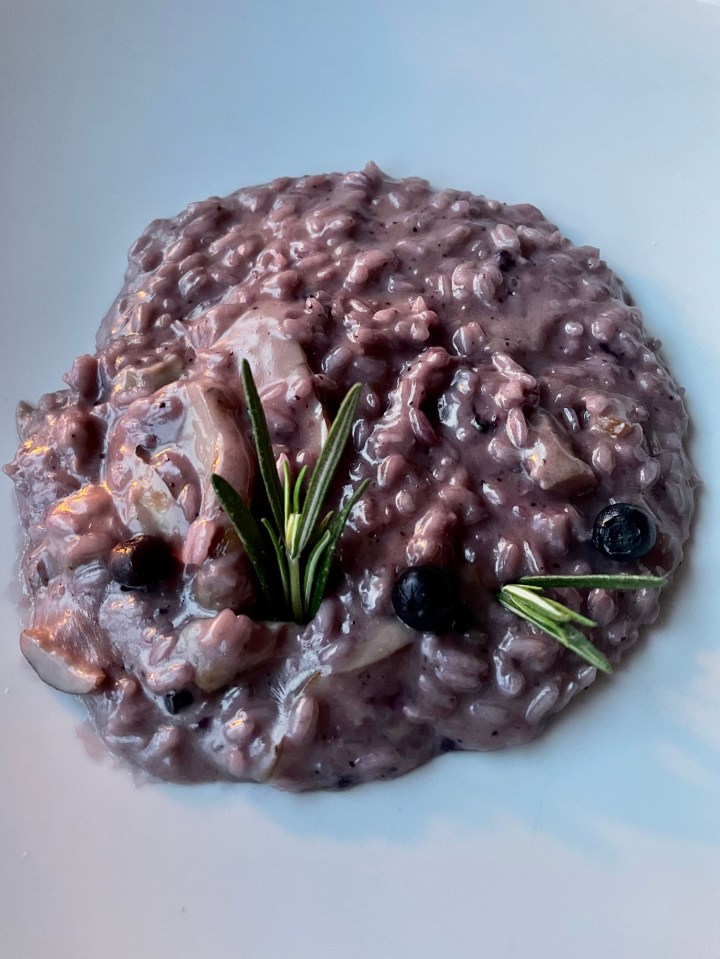
Absolutely incredible risotto at Ristorante Gatto Nero (Lake Como) 
Lake Como 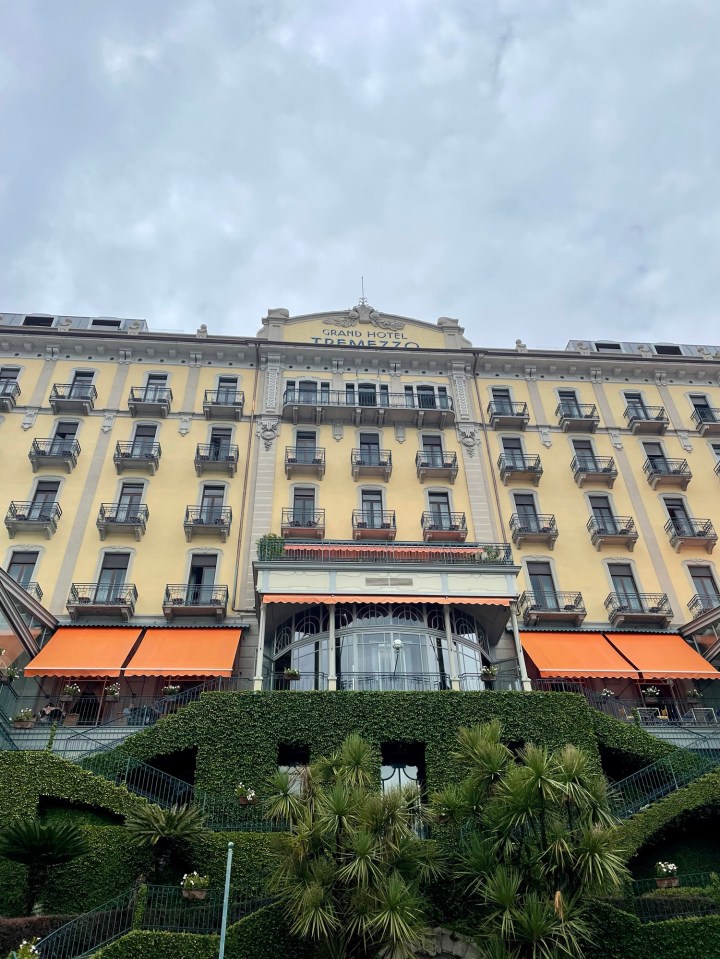
Grand Hôtel Tremezzo (Lake Como) 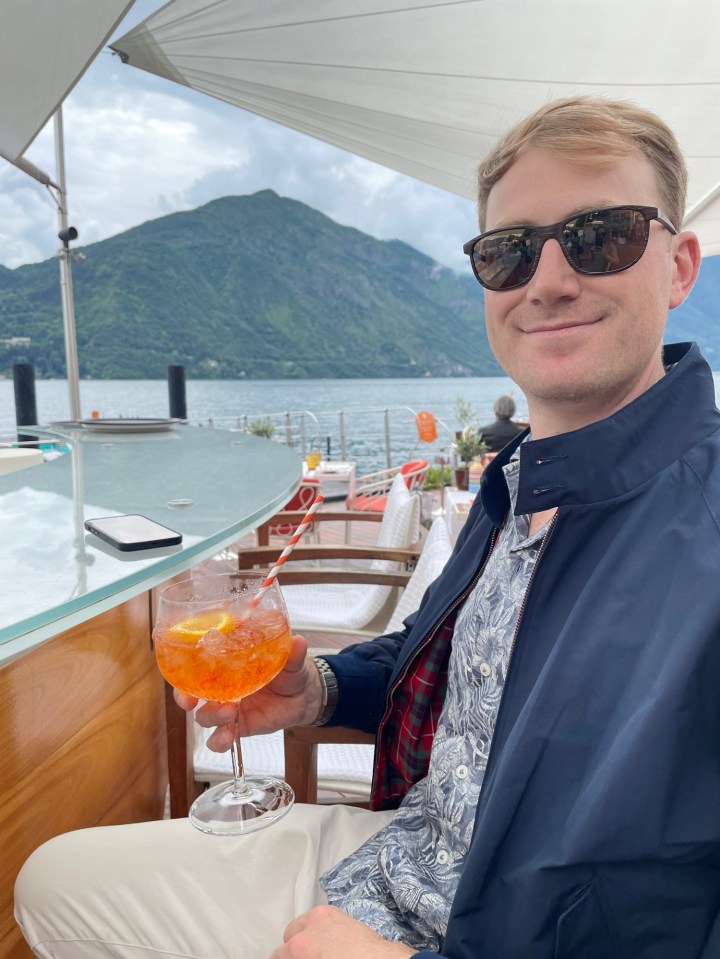
Giacomo al Lago at the Grand Hôtel Tremezzo (Lake Como) 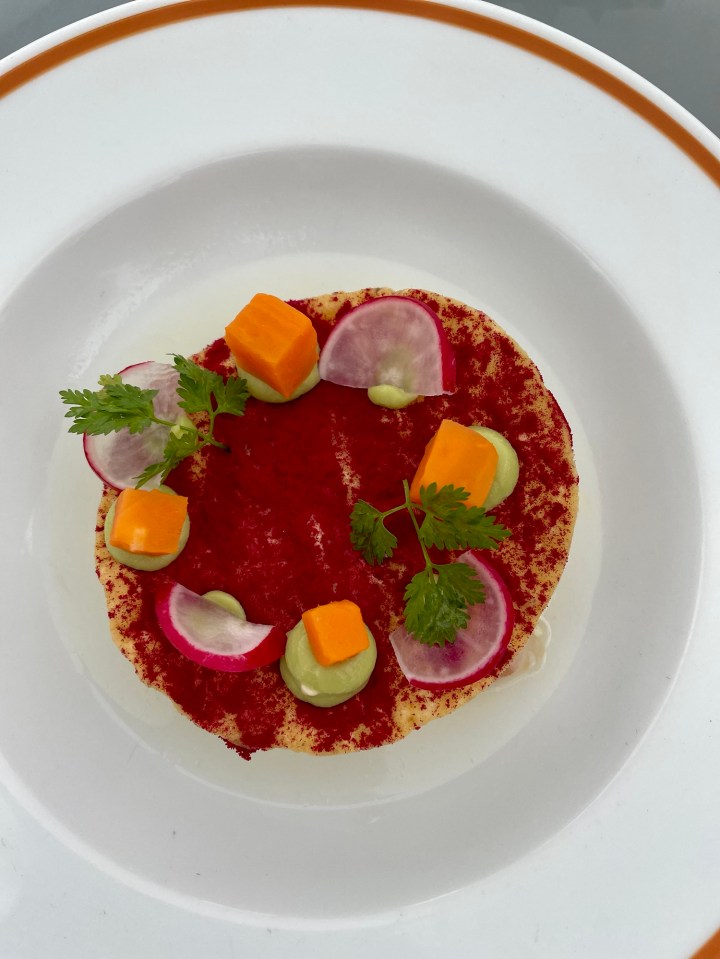
Giacomo al Lago at the Grand Hôtel Tremezzo (Lake Como) 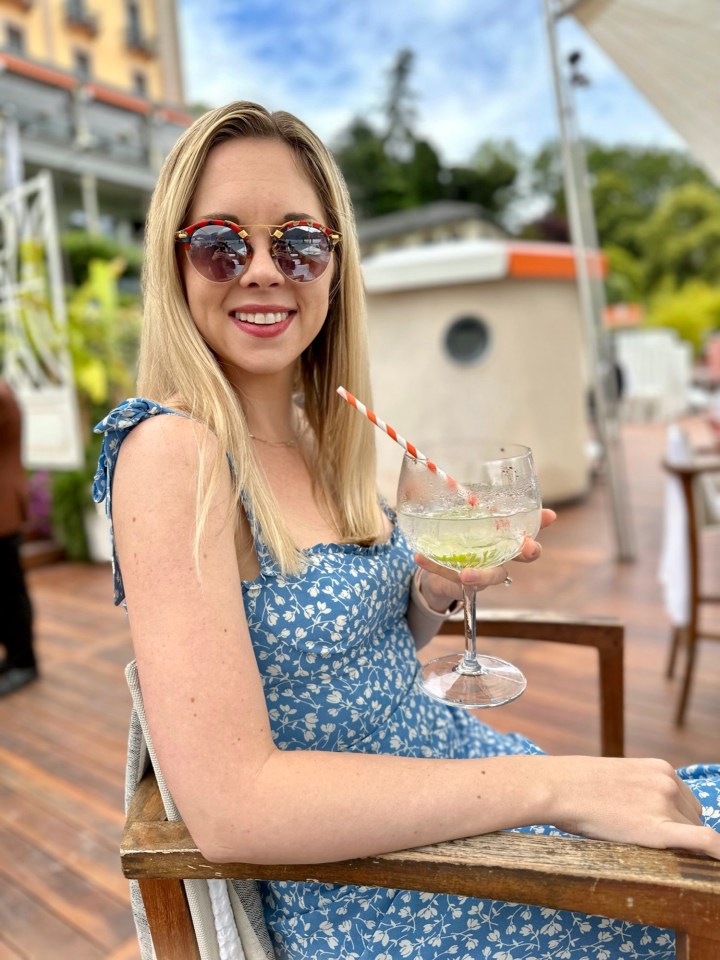
Giacomo al Lago at the Grand Hôtel Tremezzo (Lake Como) 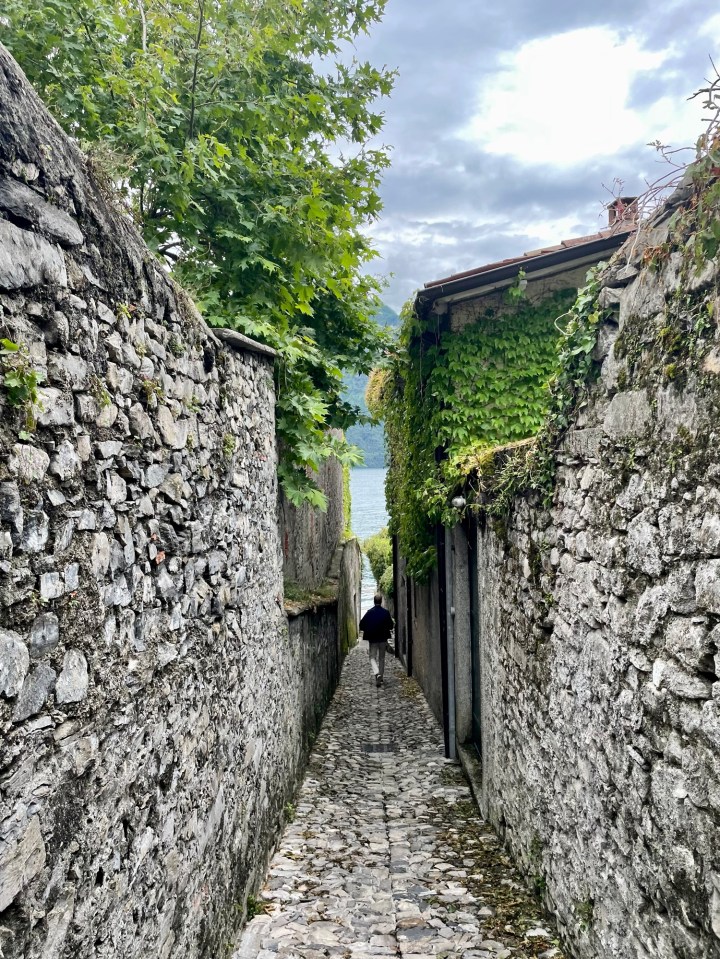
Lake Como 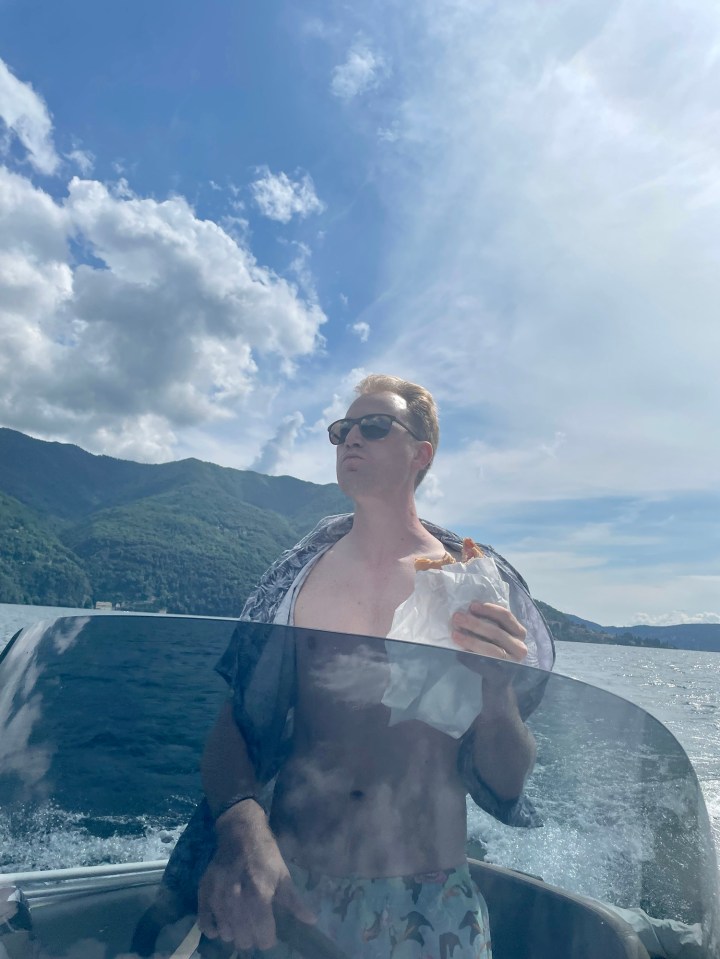
Boating on Lake Como 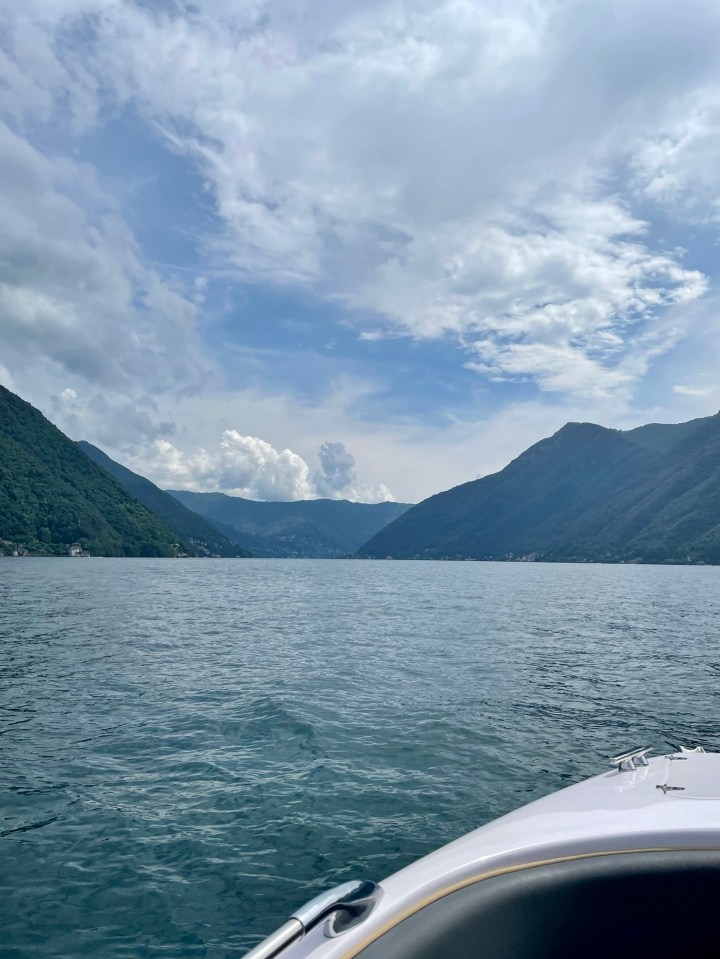
Boating on Lake Como 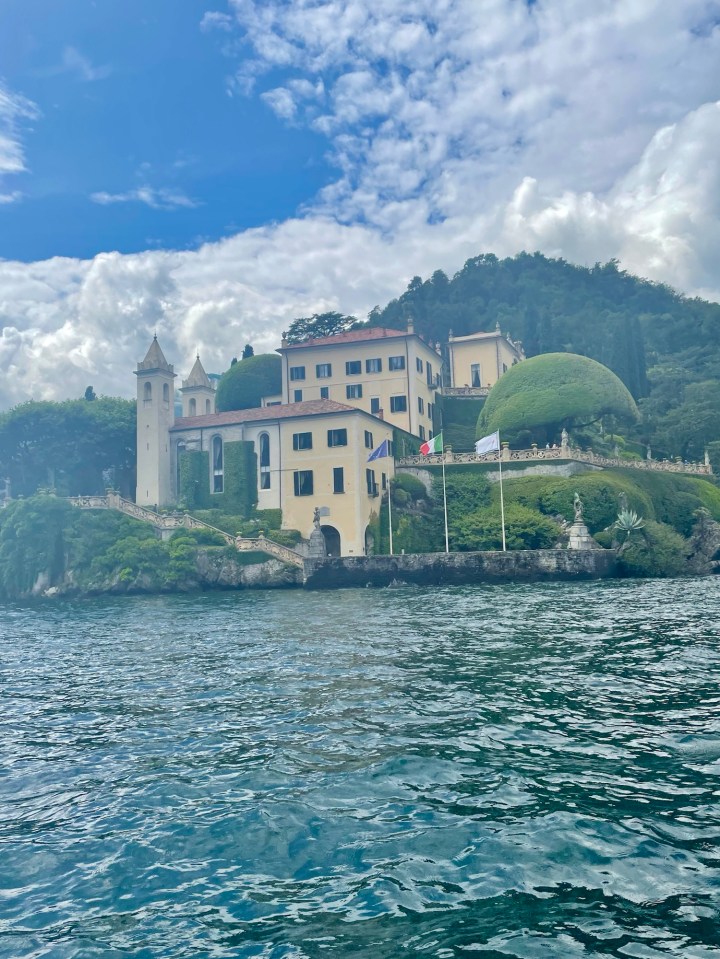
Villa del Balbianello (Lake Como) 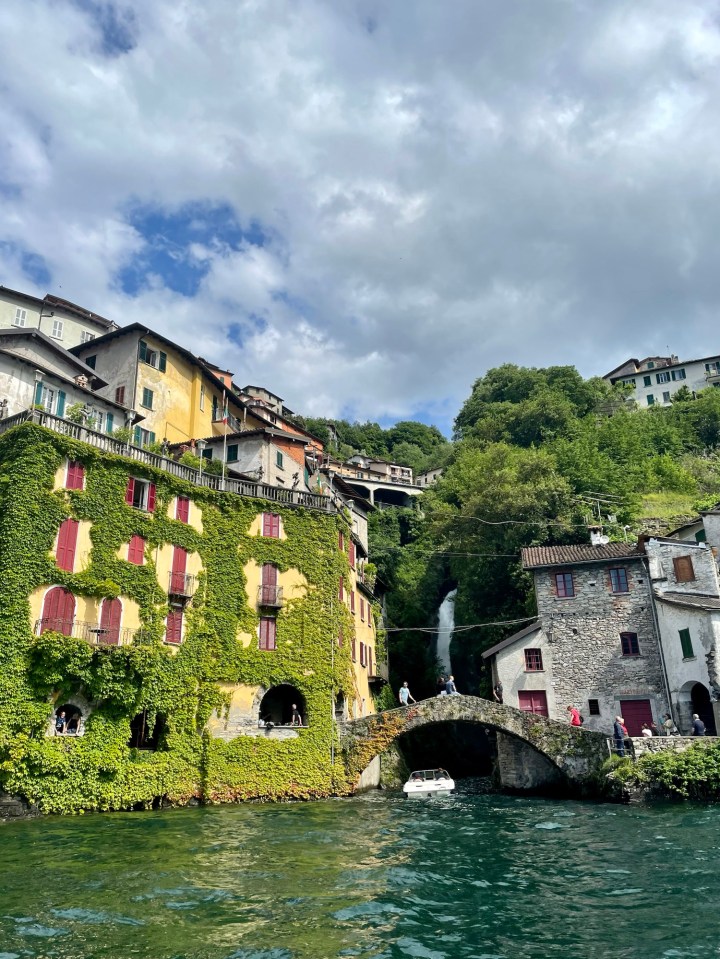
Nesso (Lake Como) 
Villa Carlotta (Lake Como) 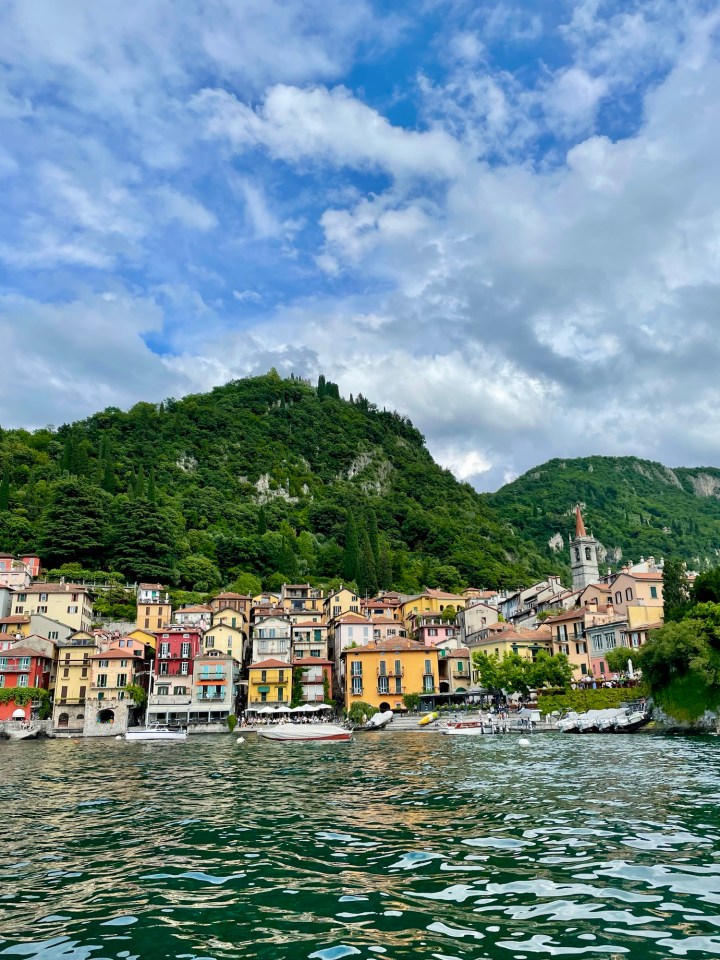
Varenna (Lake Como) 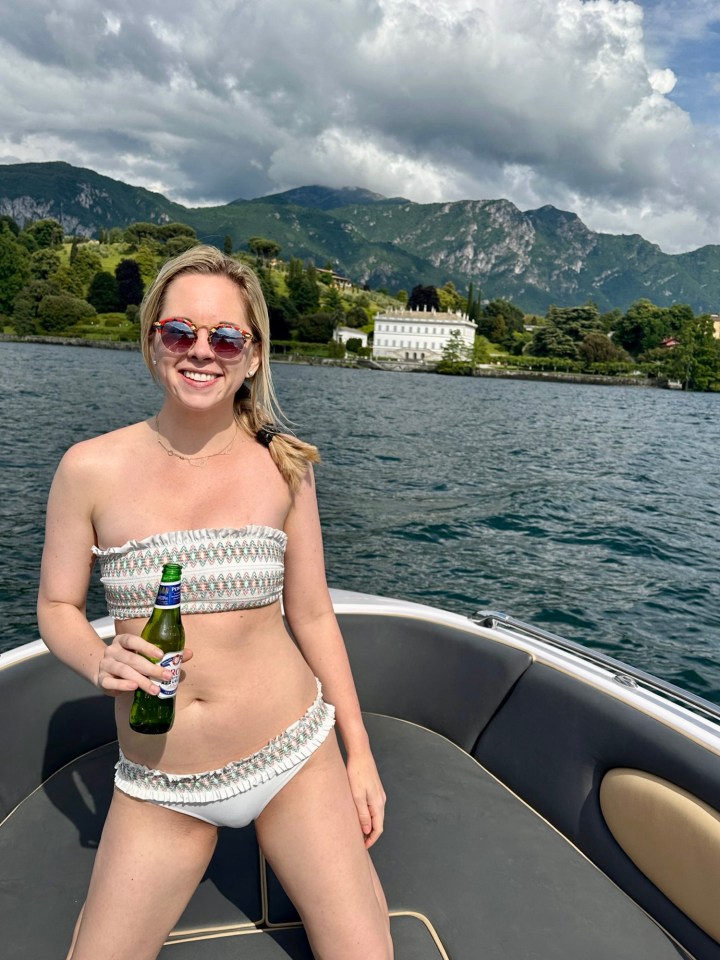
Boating on Lake Como 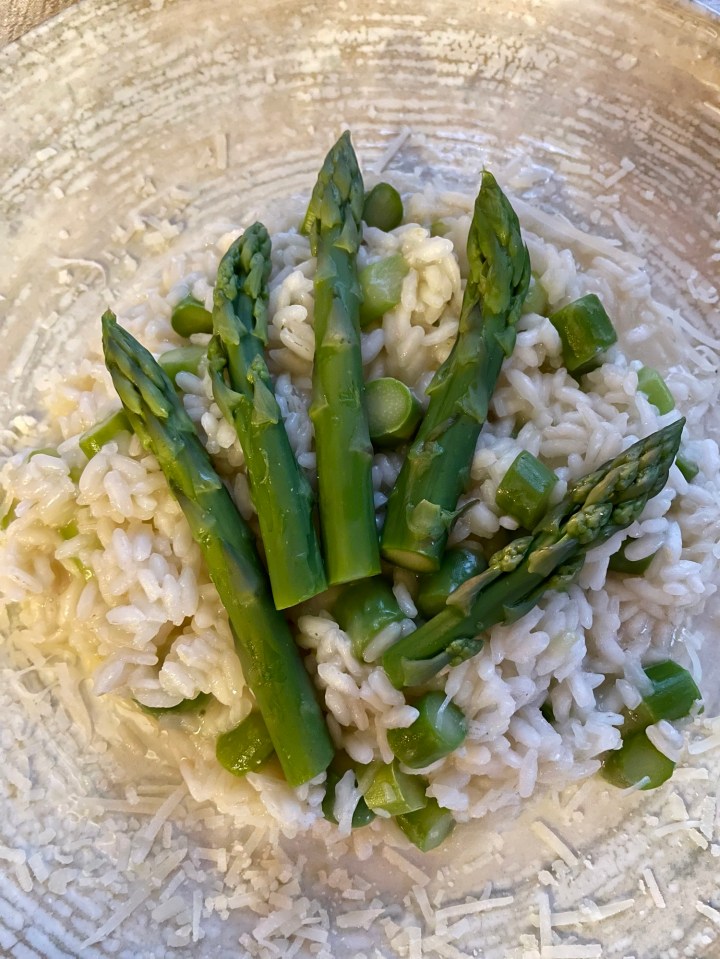
Asparagus risotto at La Fagurida (Lake Como) 
Lake Como 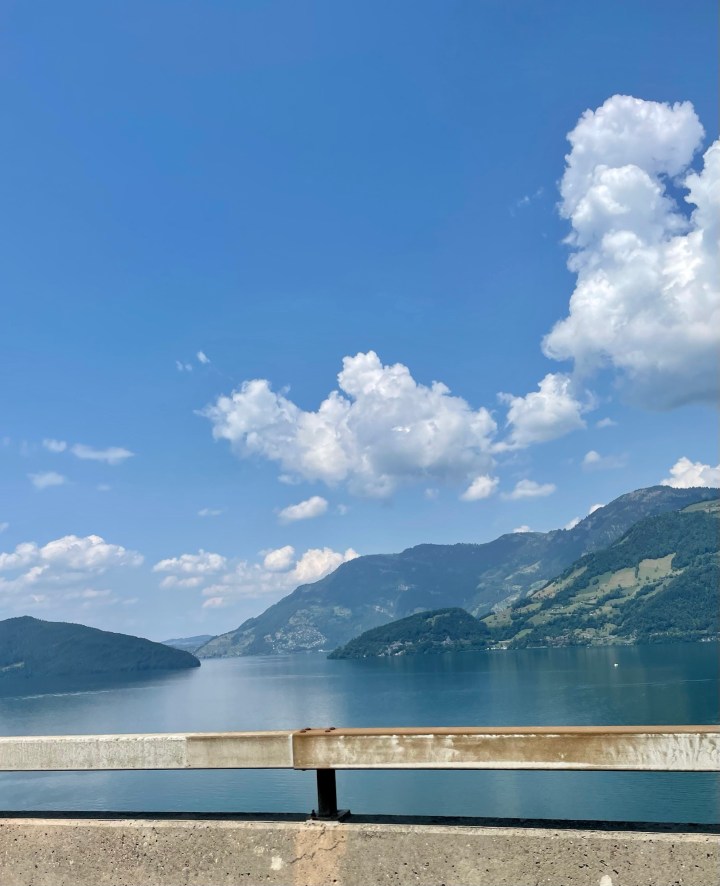
Lake Lucerne 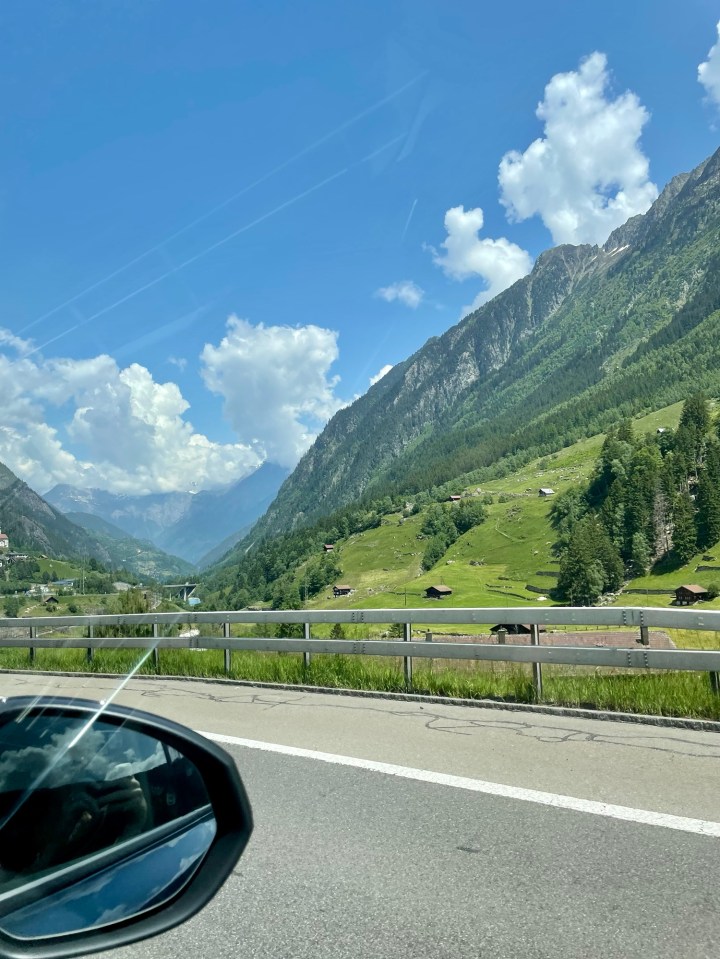
Driving through Switzerland 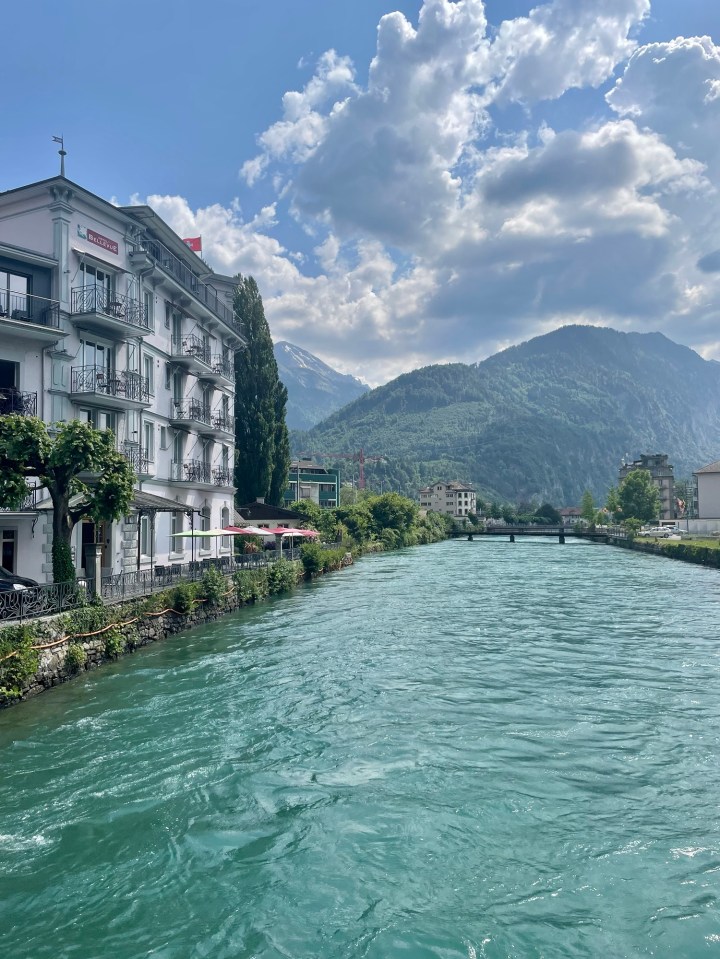
Interlaken 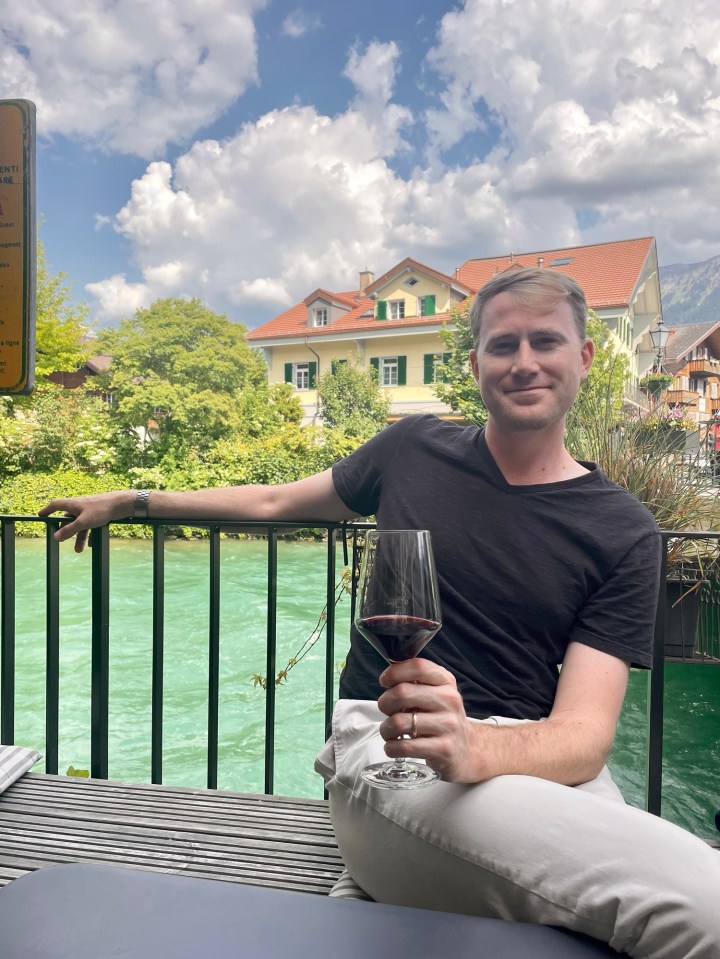
Spatz – gastro & so (Interlaken) 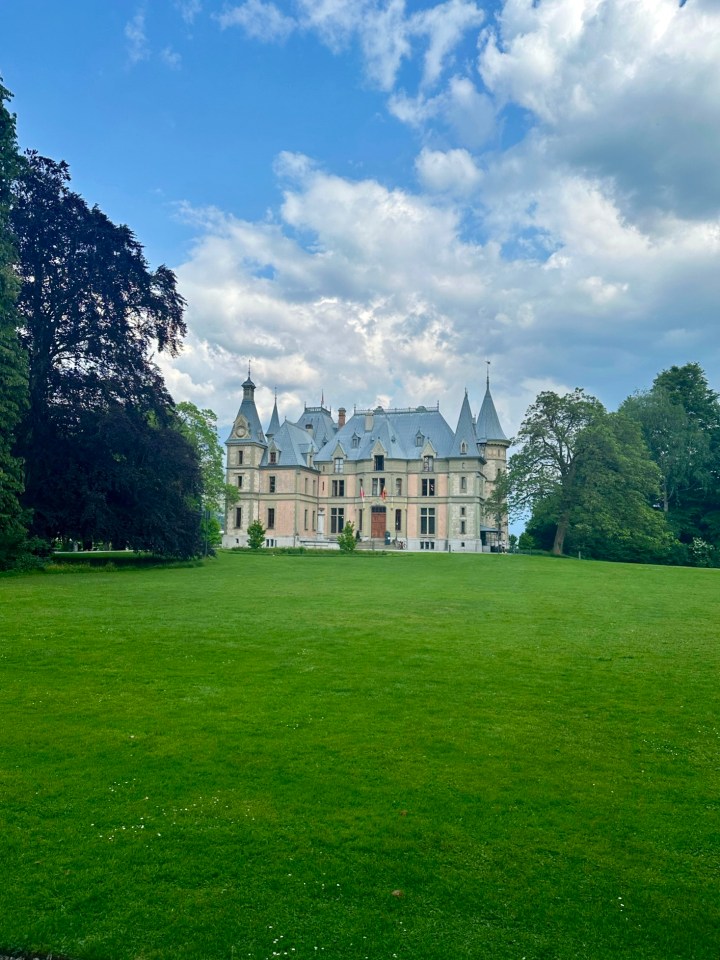
Schloss Schadau, our incredible hotel on Lake Thun 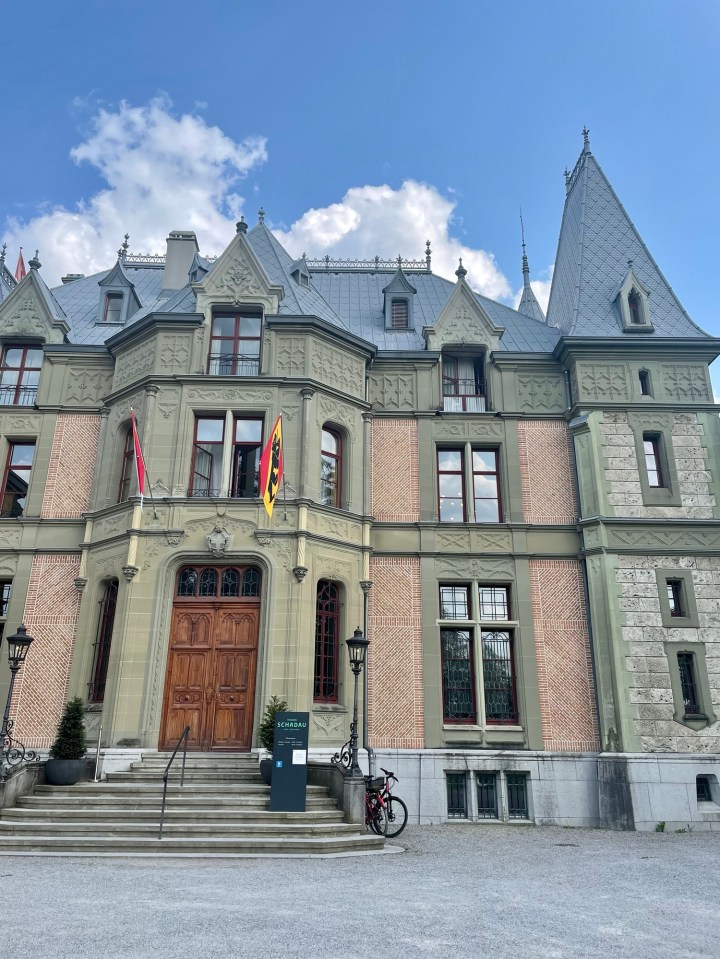
Schloss Schadau (Lake Thun) 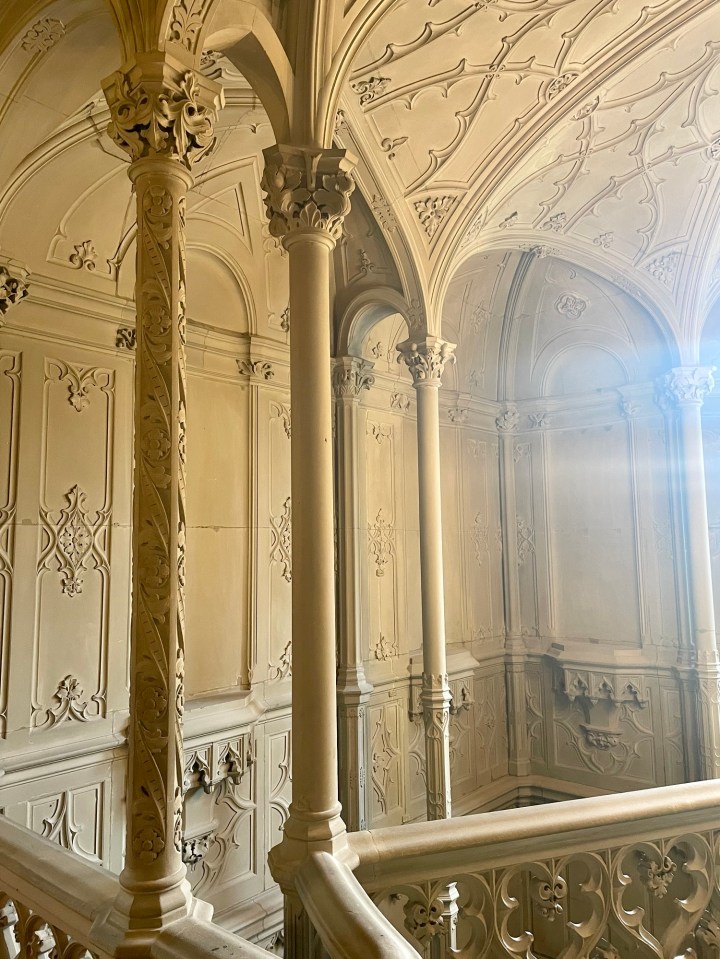
Schloss Schadau (Lake Thun) 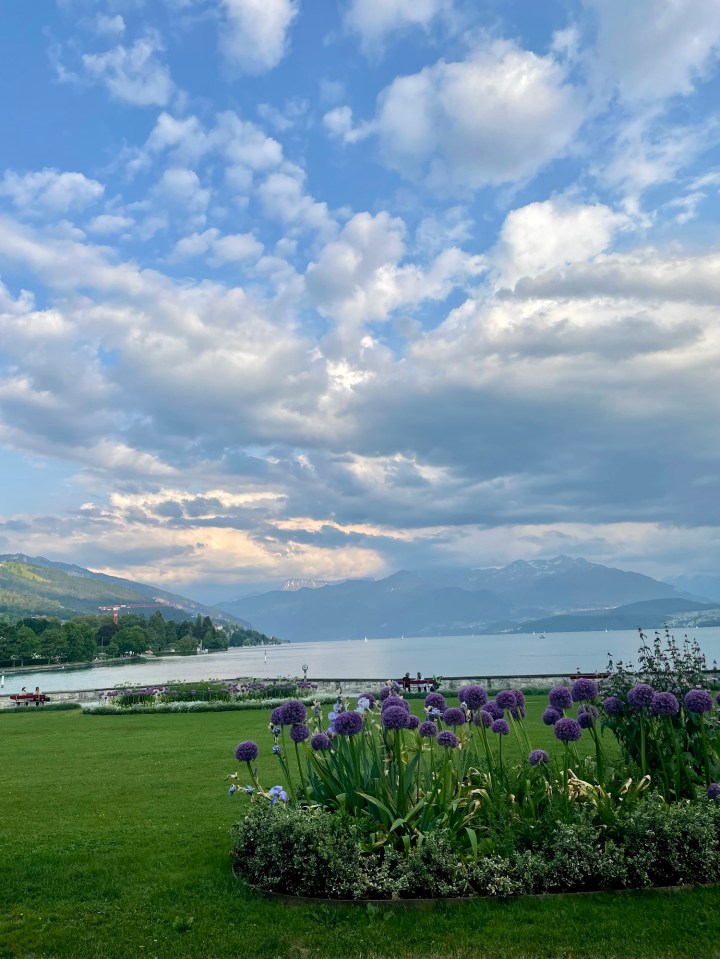
Schloss Schadau (Lake Thun) 
Schloss Schadau (Lake Thun) 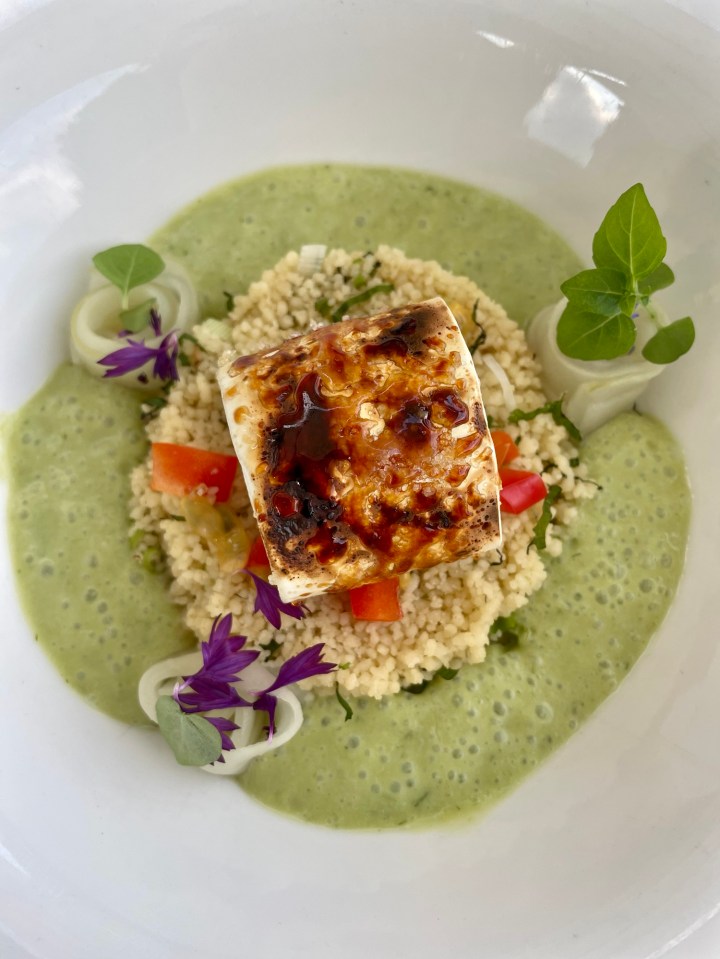
Dinner at Schloss Schadau (Lake Thun) 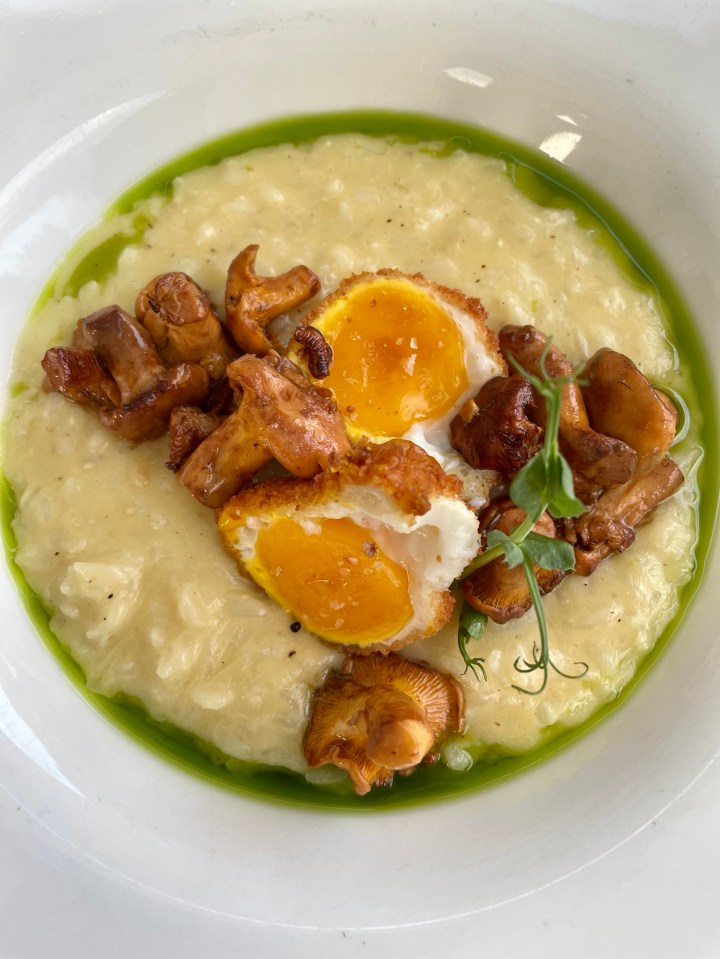
Dinner at Schloss Schadau (Lake Thun) 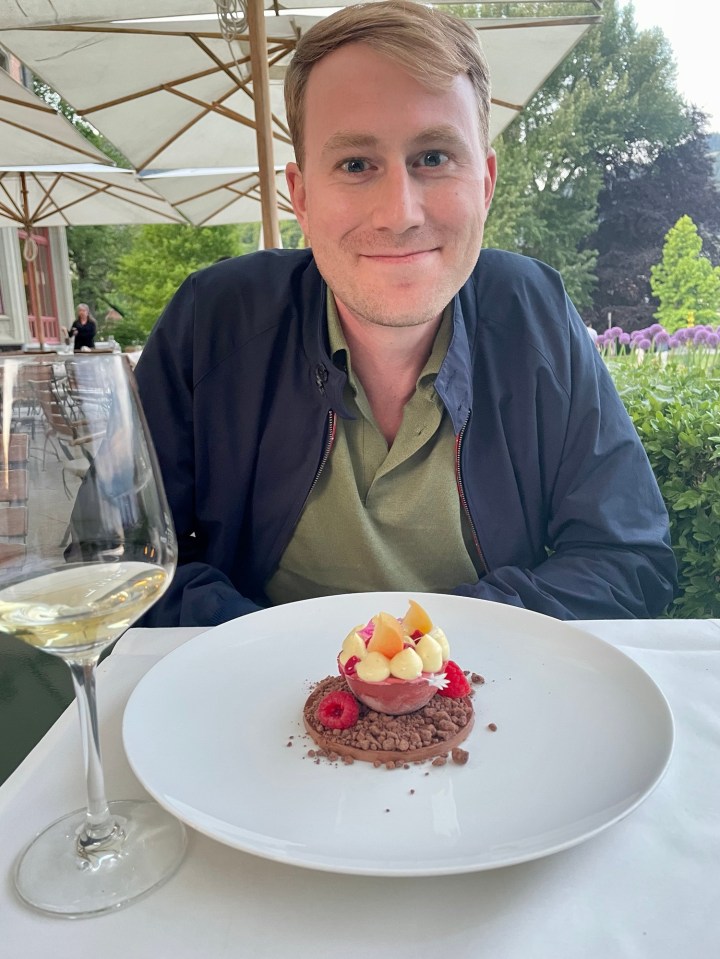
Dinner at Schloss Schadau (Lake Thun) 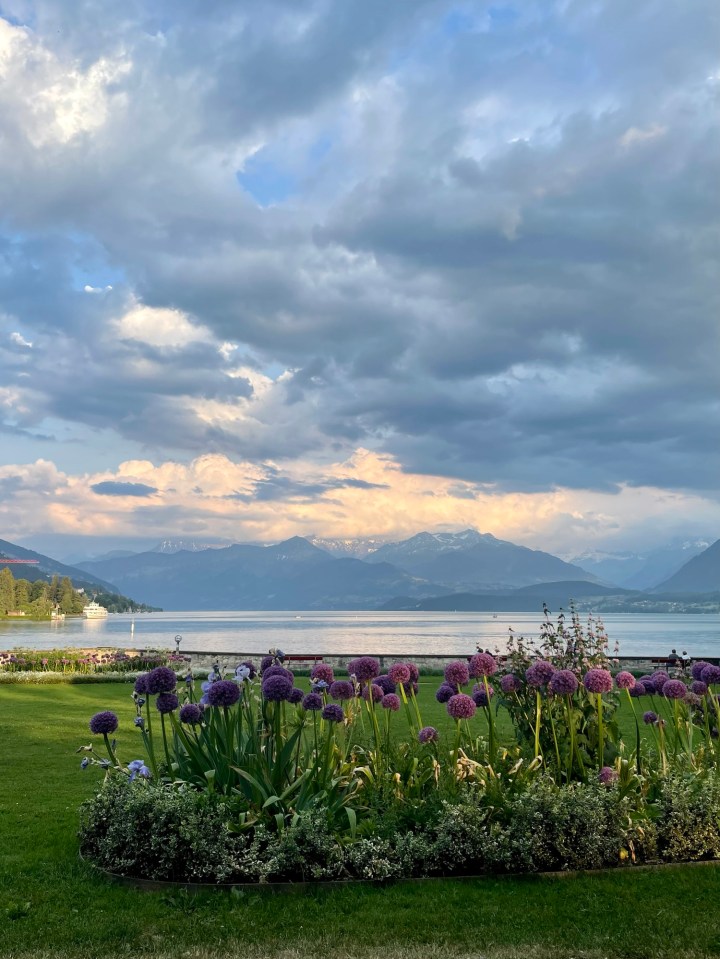
Schloss Schadau (Lake Thun) 
Schloss Schadau (Lake Thun) 
Breakfast at Schloss Schadau (Lake Thun) 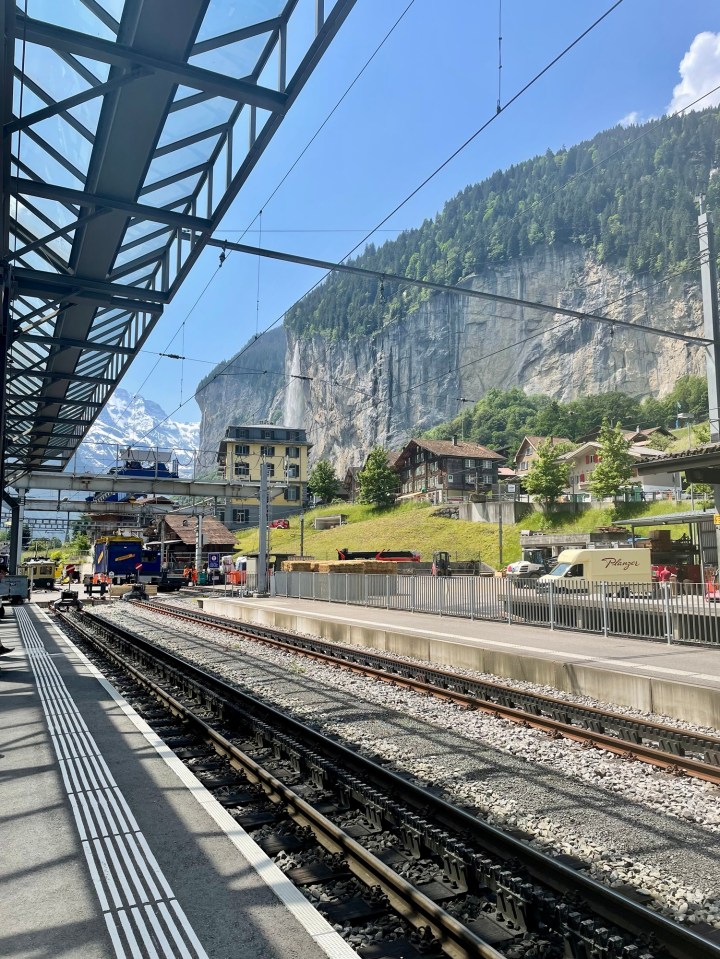
Train station in Wengen 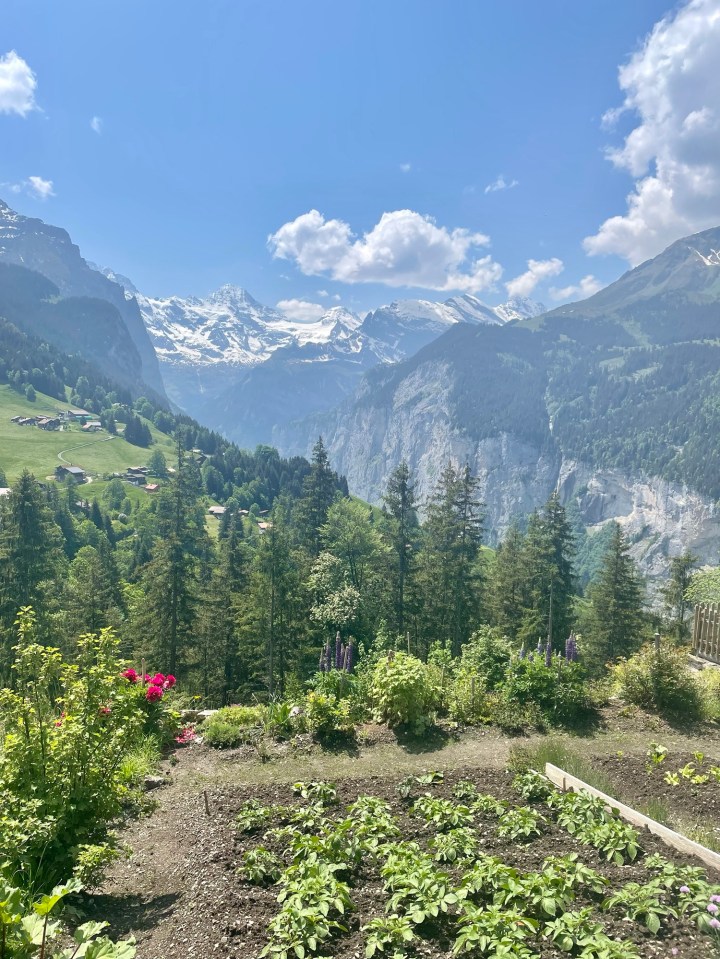
Hiking in Wengen 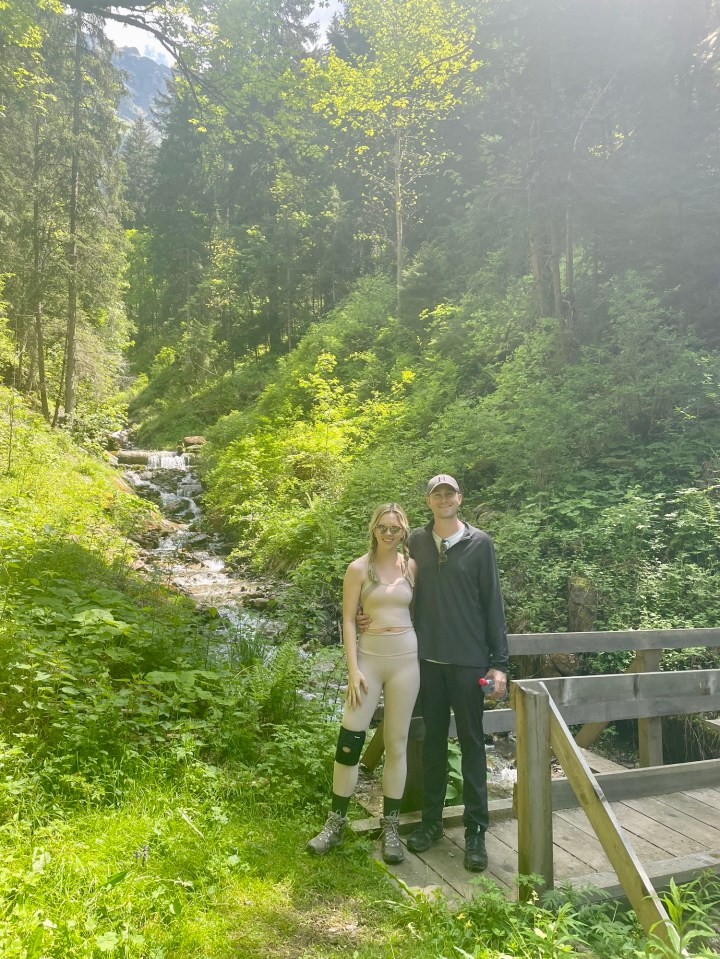
Hiking in Wengen 
Hiking in Wengen 
Hiking in Wengen 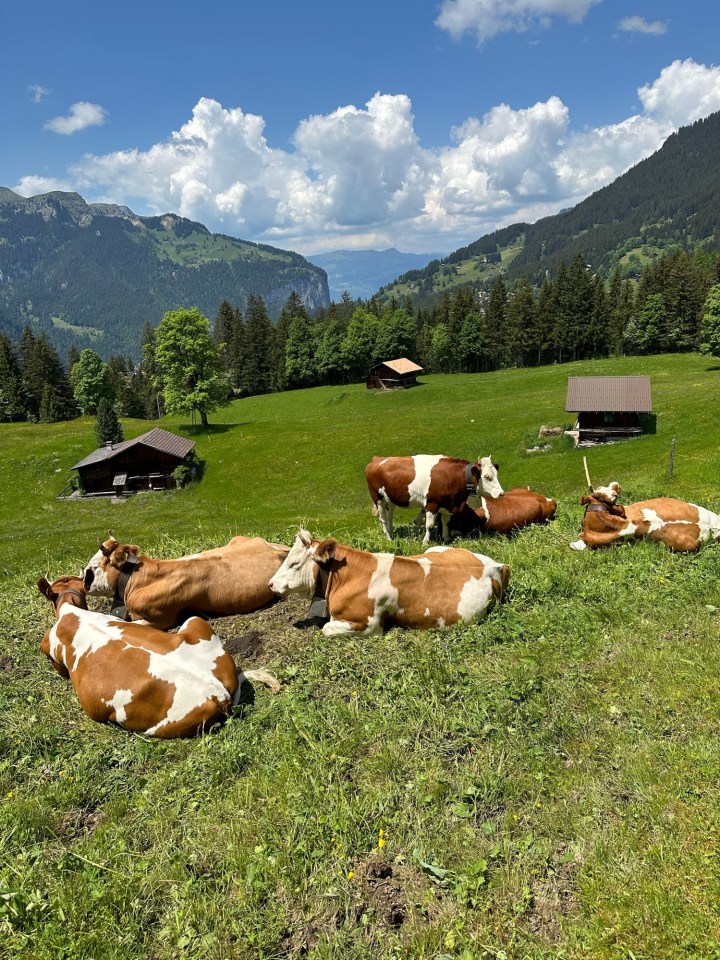
Hiking in Wengen 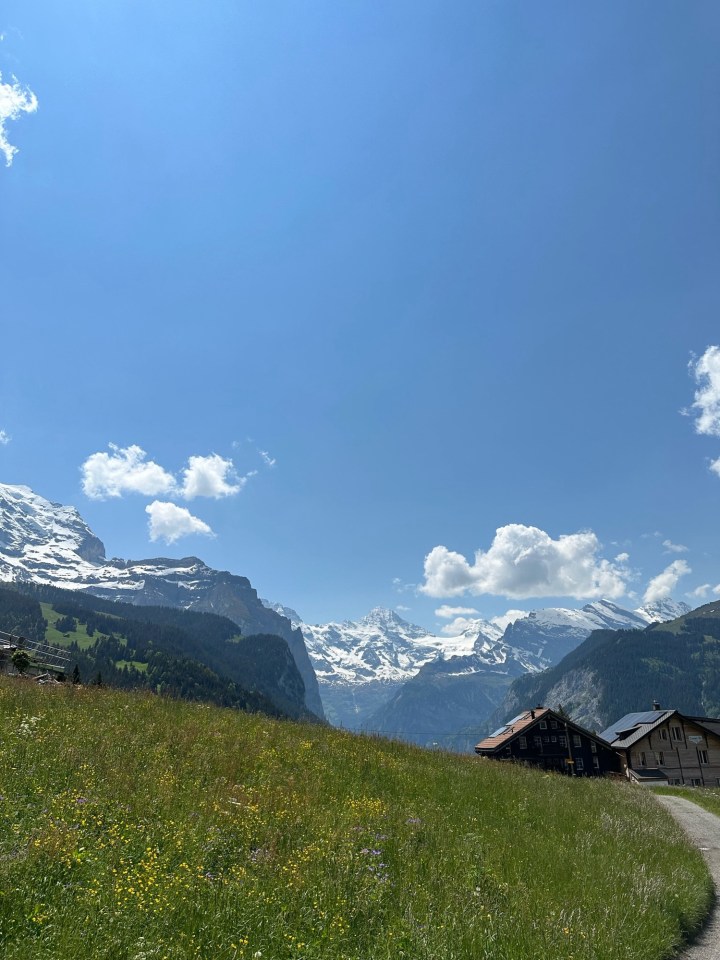
Hiking in Wengen 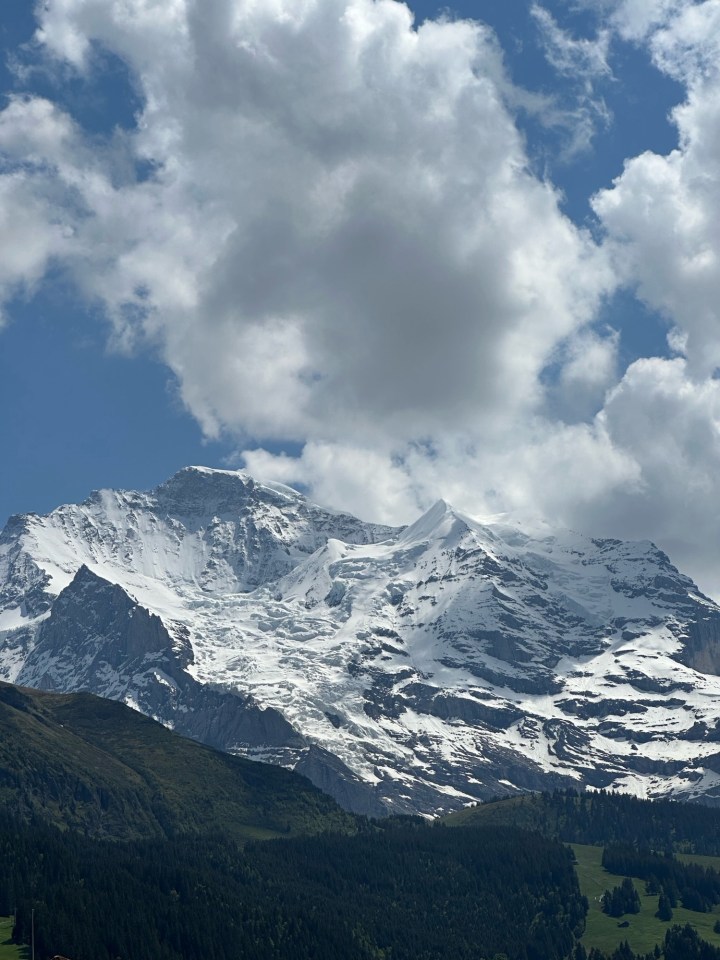
Jungfrau 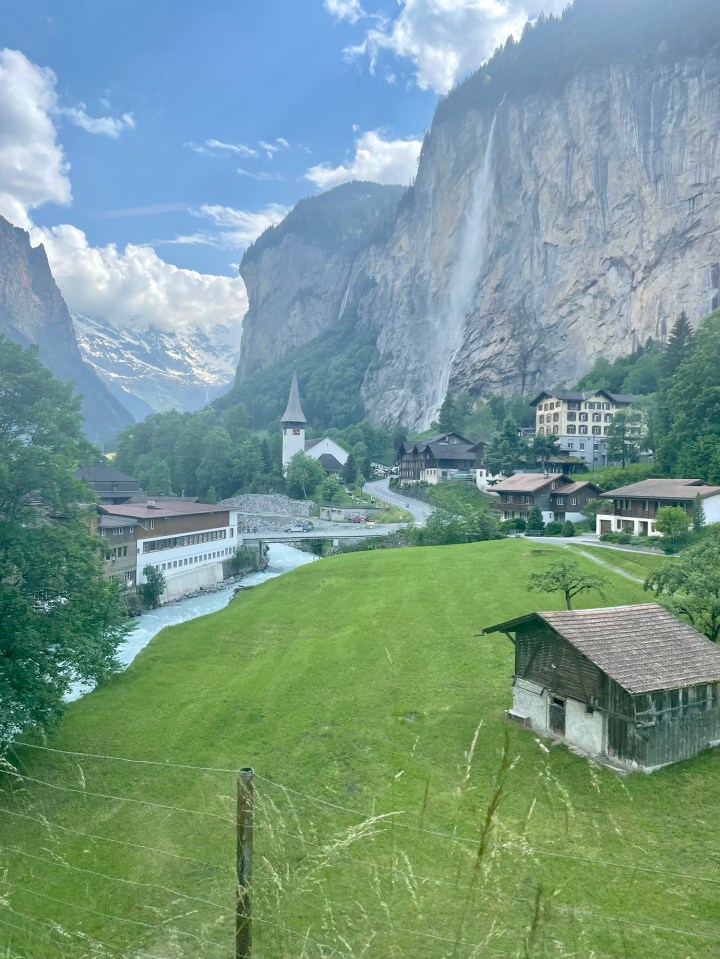
Hiking in Wengen 
Hiking in Wengen 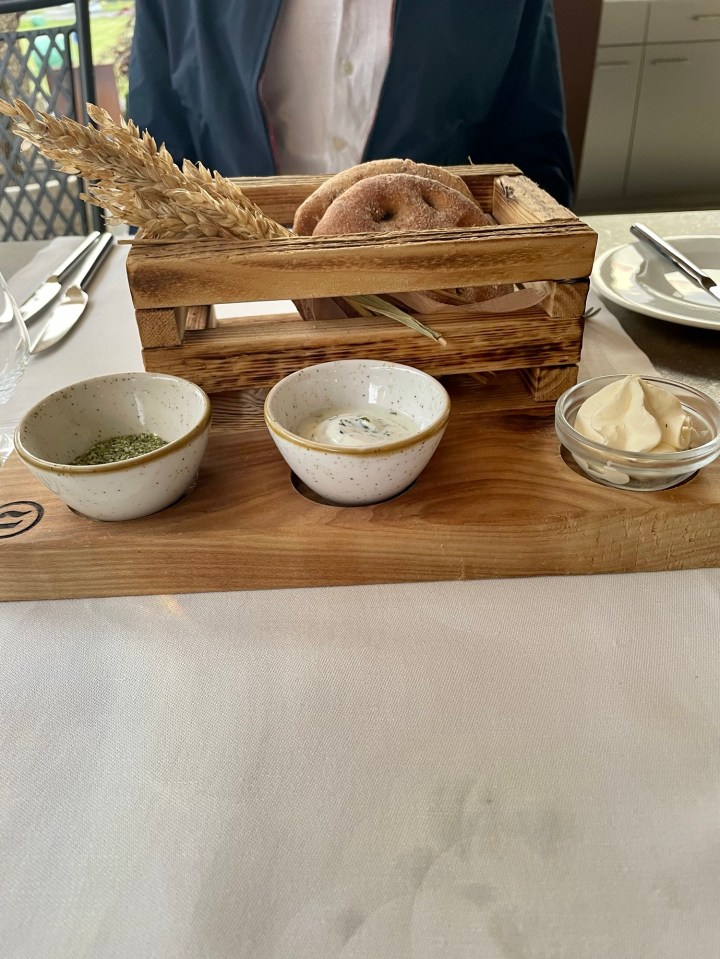
Dinner at Salzano (Interlaken) 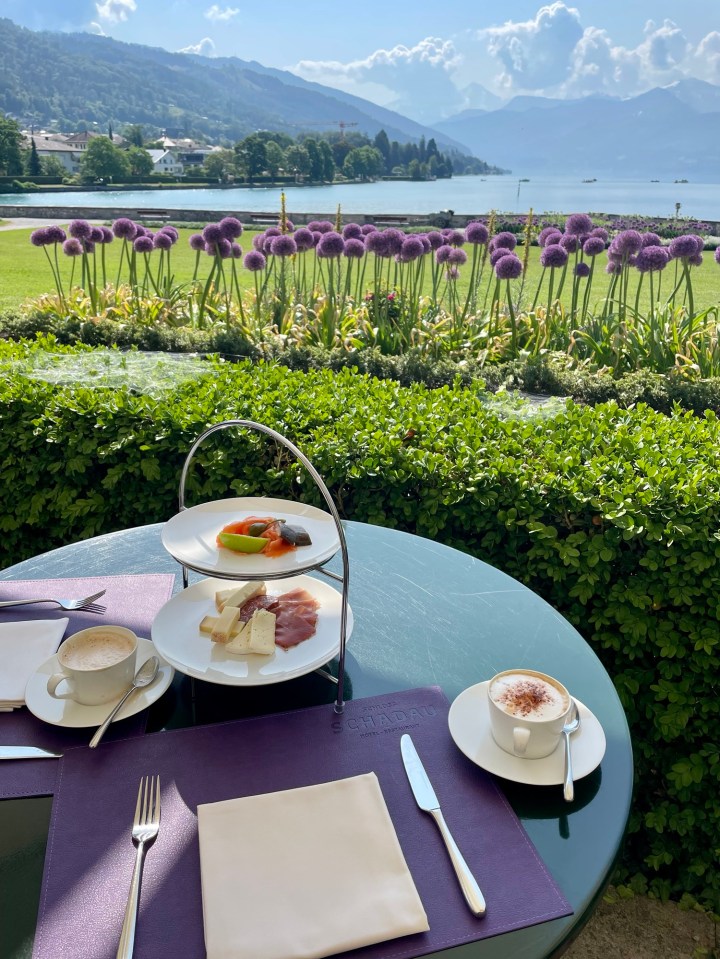
Schloss Schadau (Lake Thun) 
Schloss Schadau (Lake Thun) 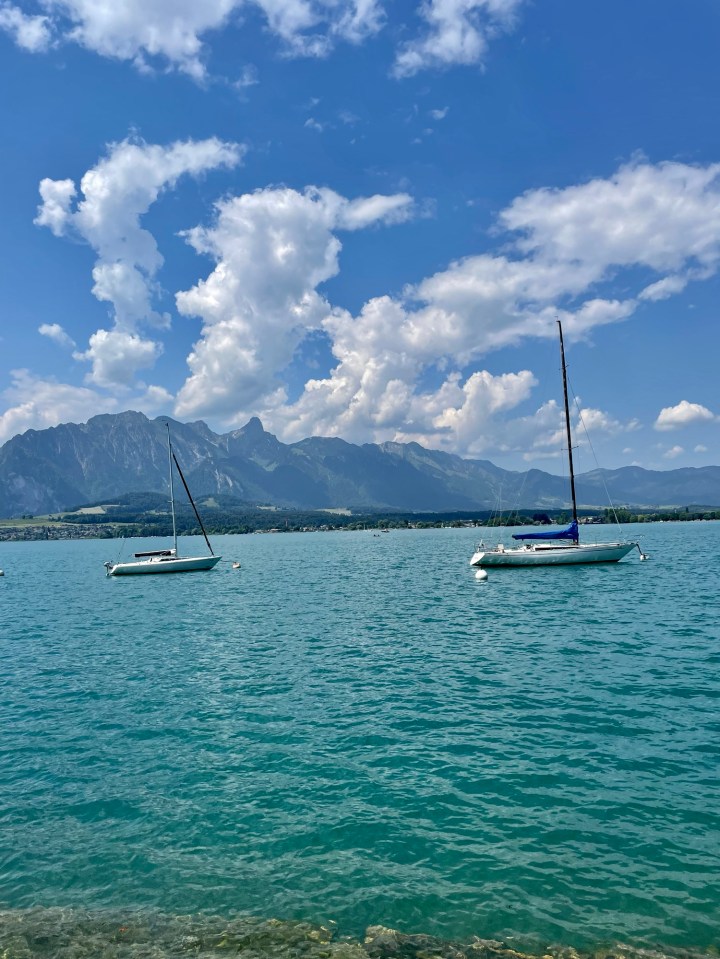
Lake Thun 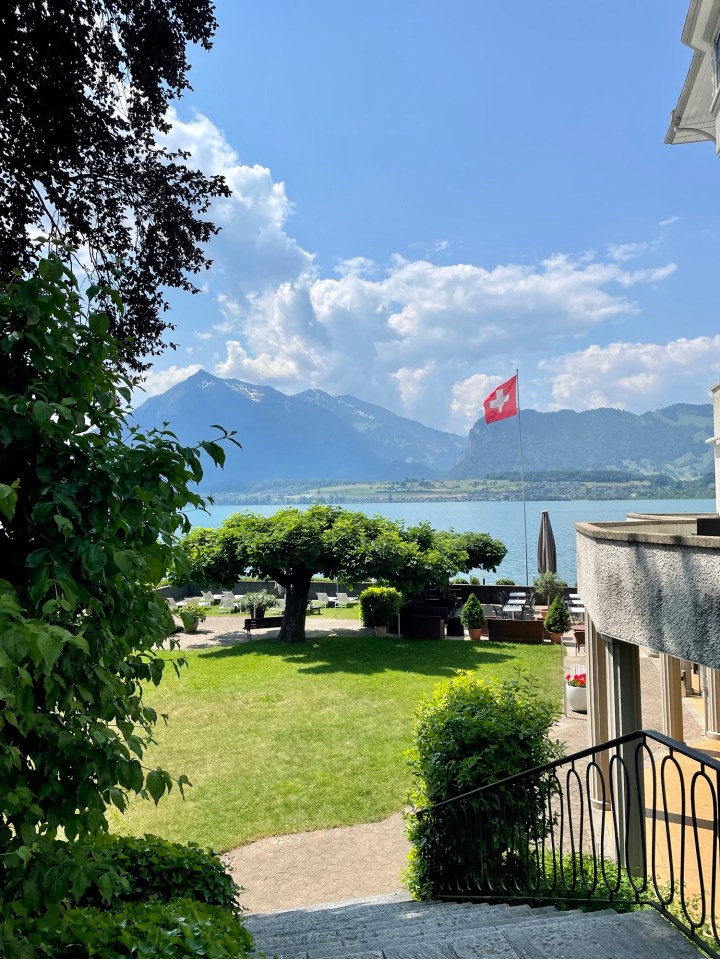
Lake Thun 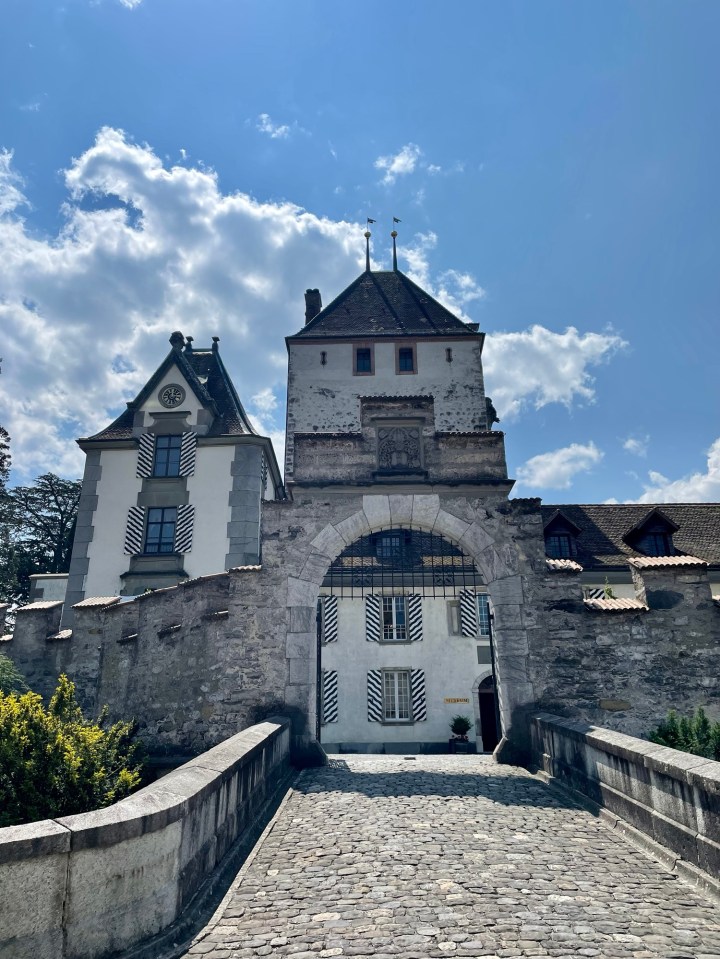
Schloss Oberhofen (Lake Thun) 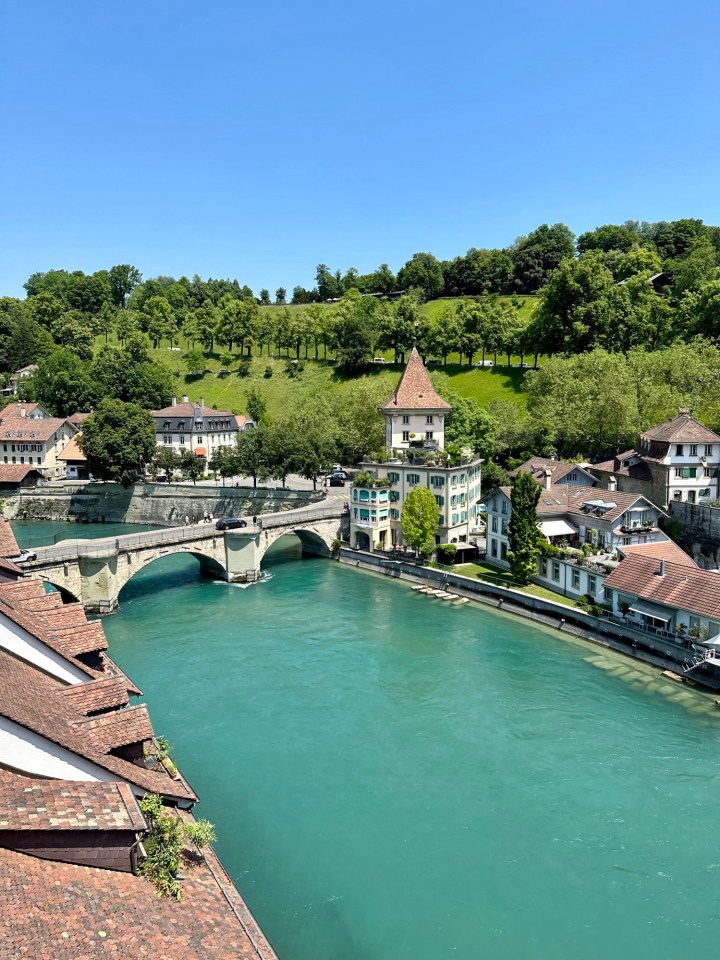
Altstadt (Old Town) in Bern 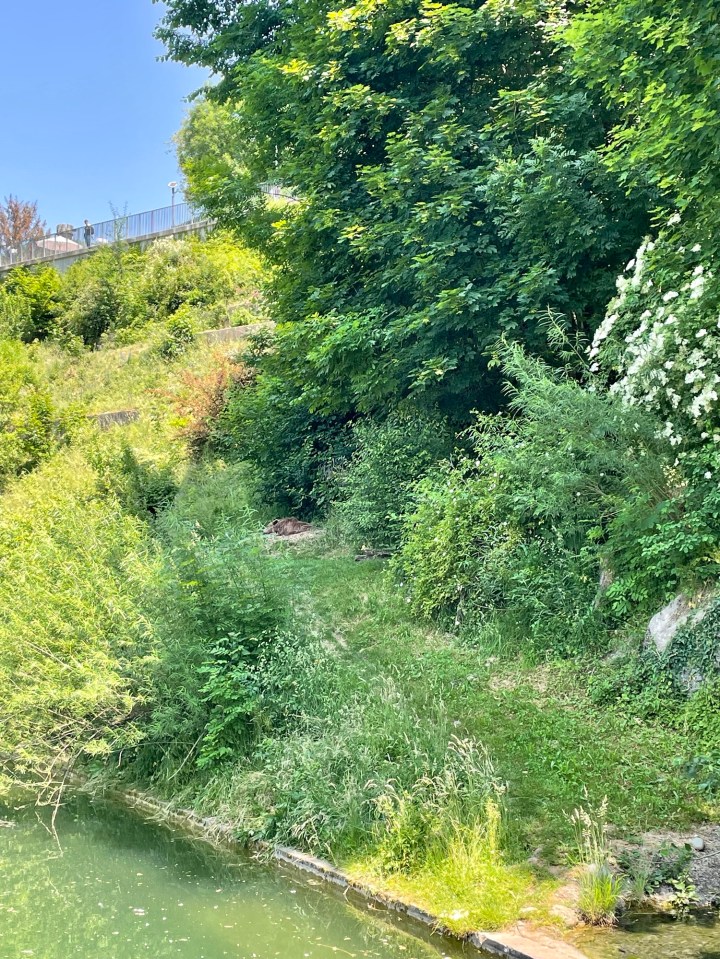
A bear at the BärenPark in Bern 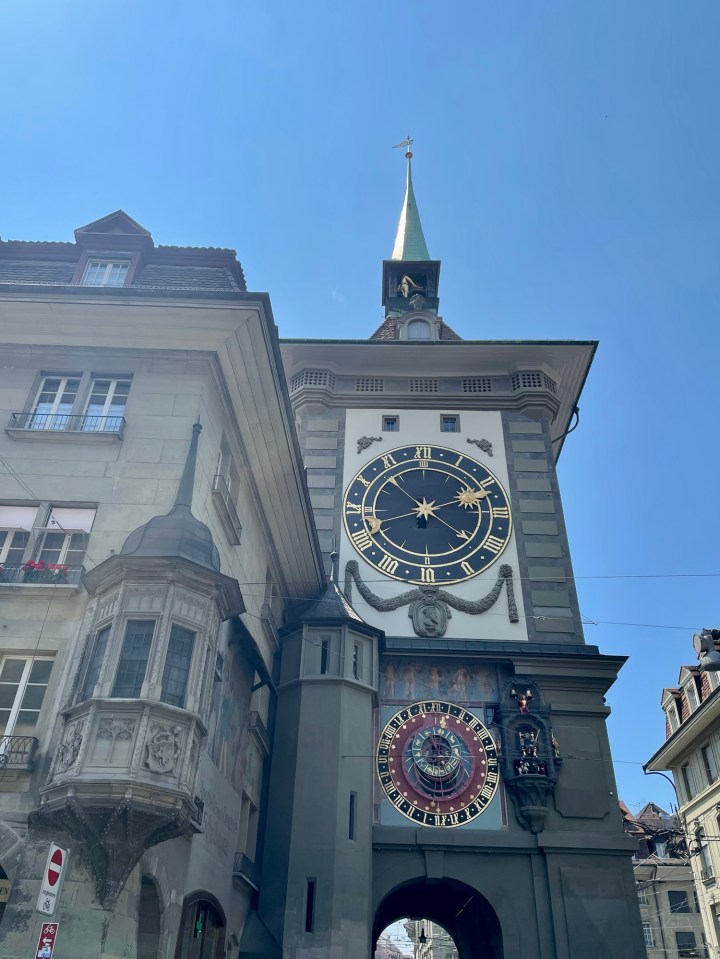
The Zytglogge (Time Bell) in Bern 
An absolutely incredible carrot sandwich at Vigneron F&T Weinbistro in Bern 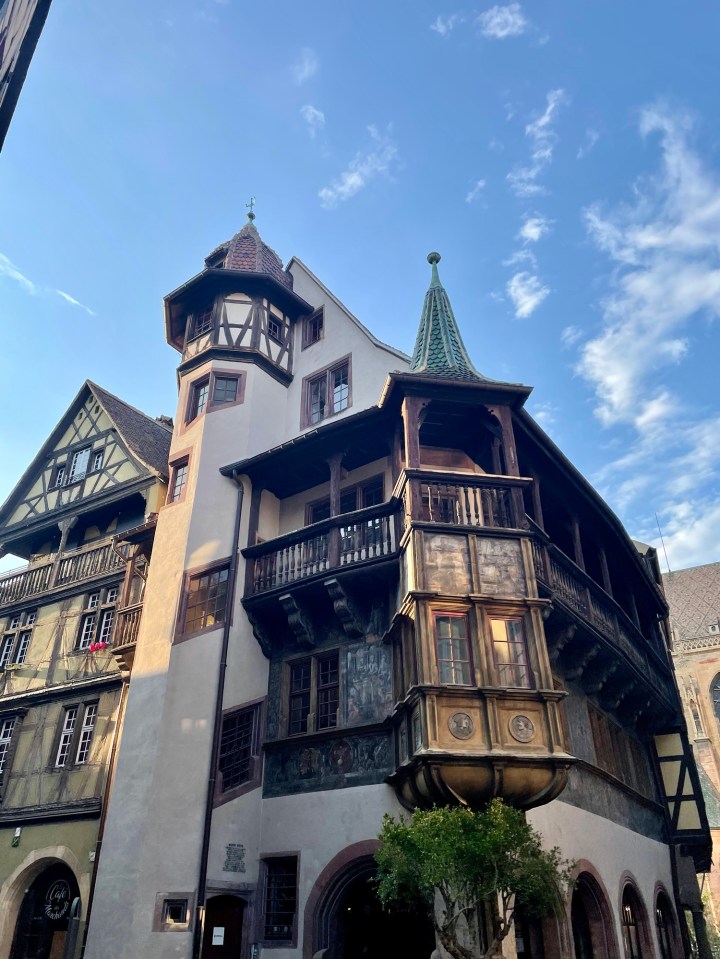
Colmar 
Colmar 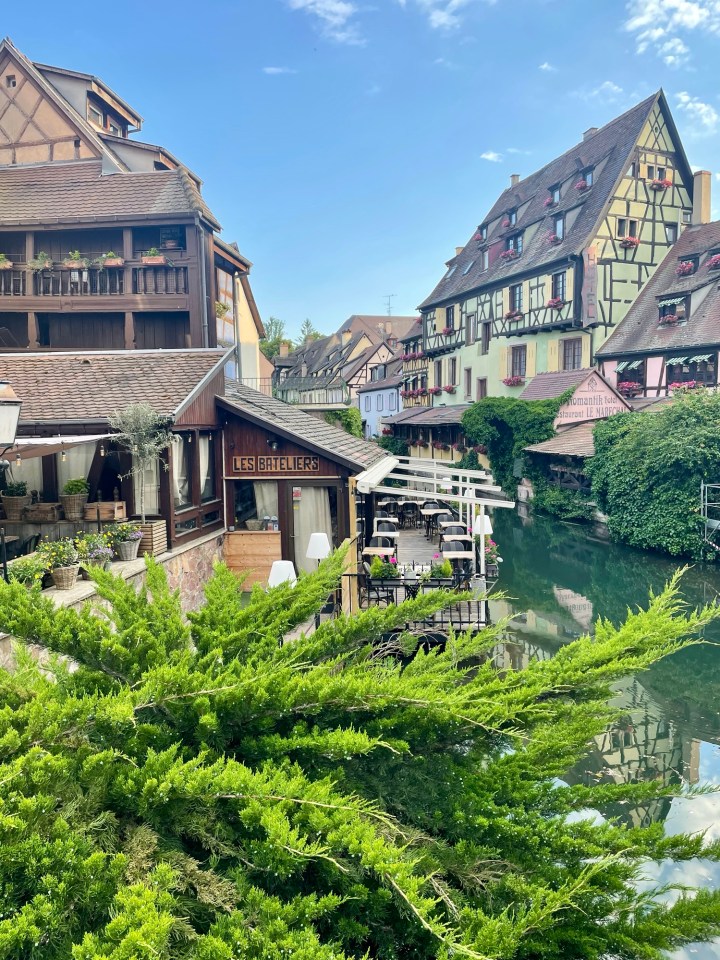
La Petite Venise (Colmar) 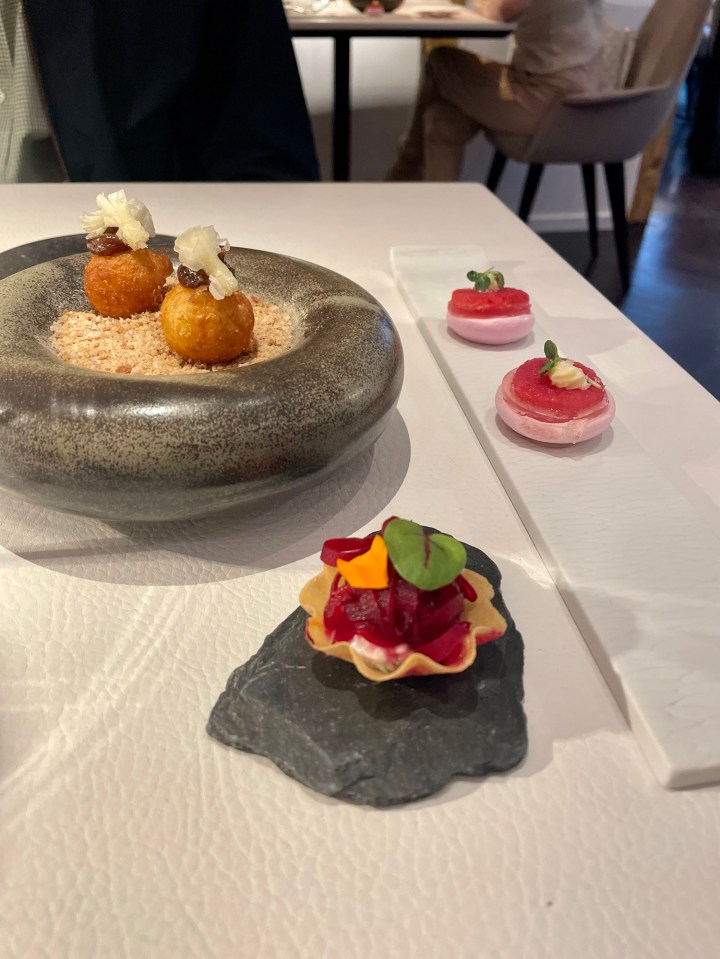
Dinner at L’Atelier du Peintre (Colmar) 
Dinner at L’Atelier du Peintre (Colmar) 
Maison Trimbach (Ribeauvillé) 
Maison Trimbach (Ribeauvillé) 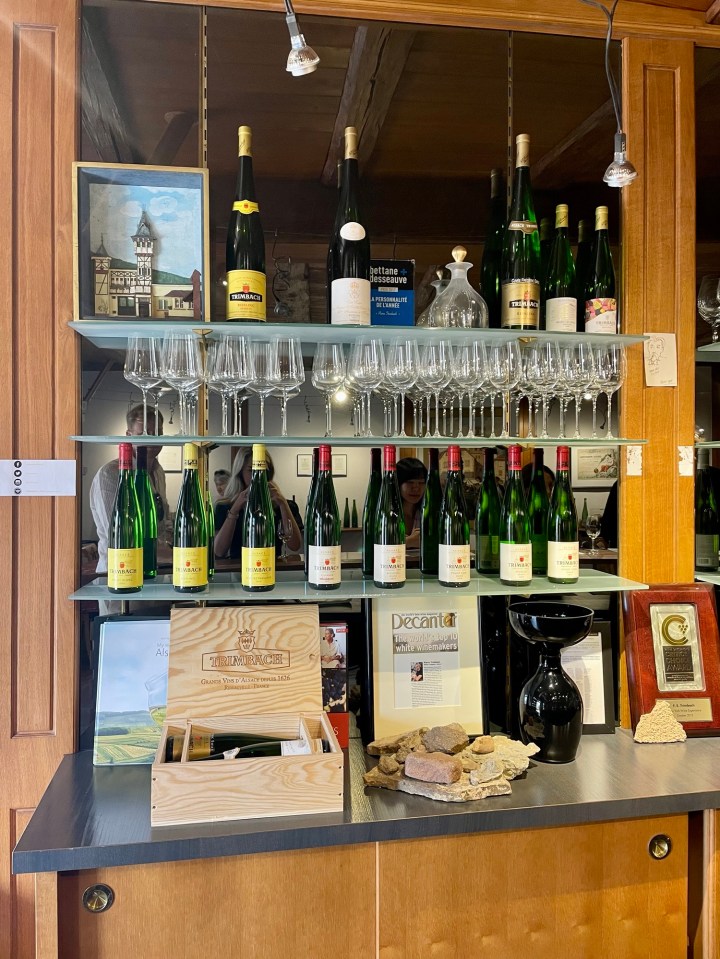
Maison Trimbach (Ribeauvillé) 
Domaine Louis Sipp (Ribeauvillé) 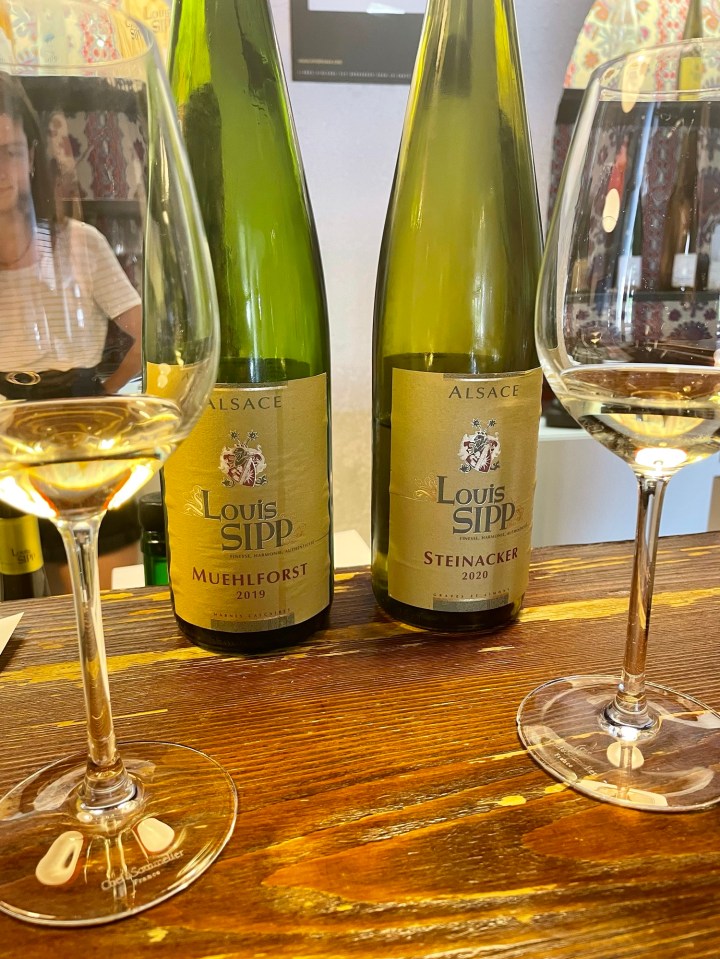
Domaine Louis Sipp (Ribeauvillé) 
A stork nesting in Ribeauvillé 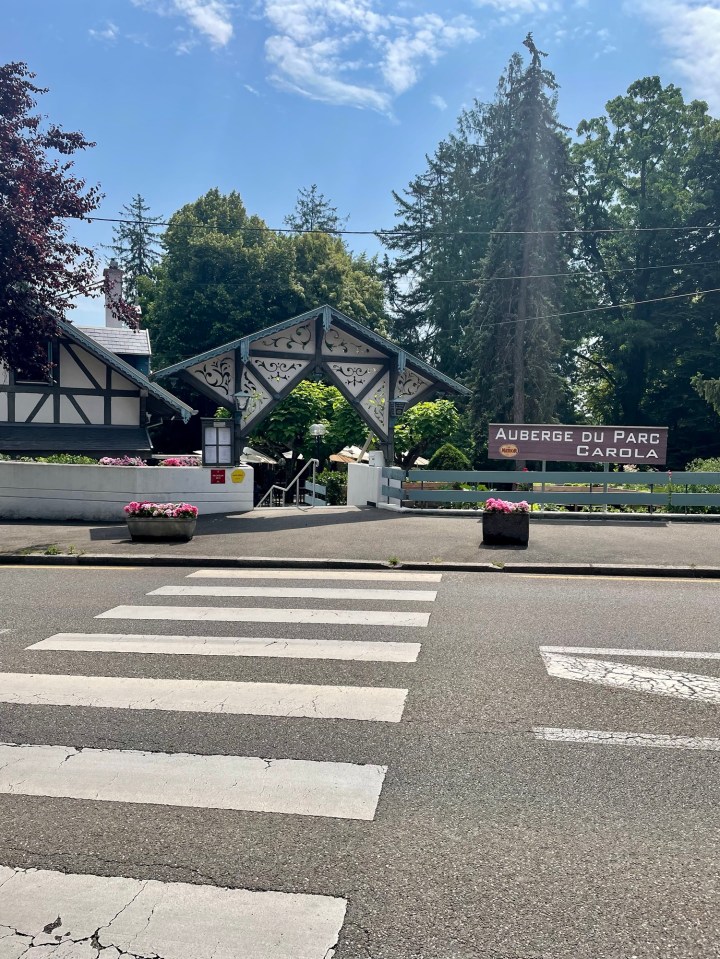
Lunch at Auberge du Parc Carola (Ribeauvillé) 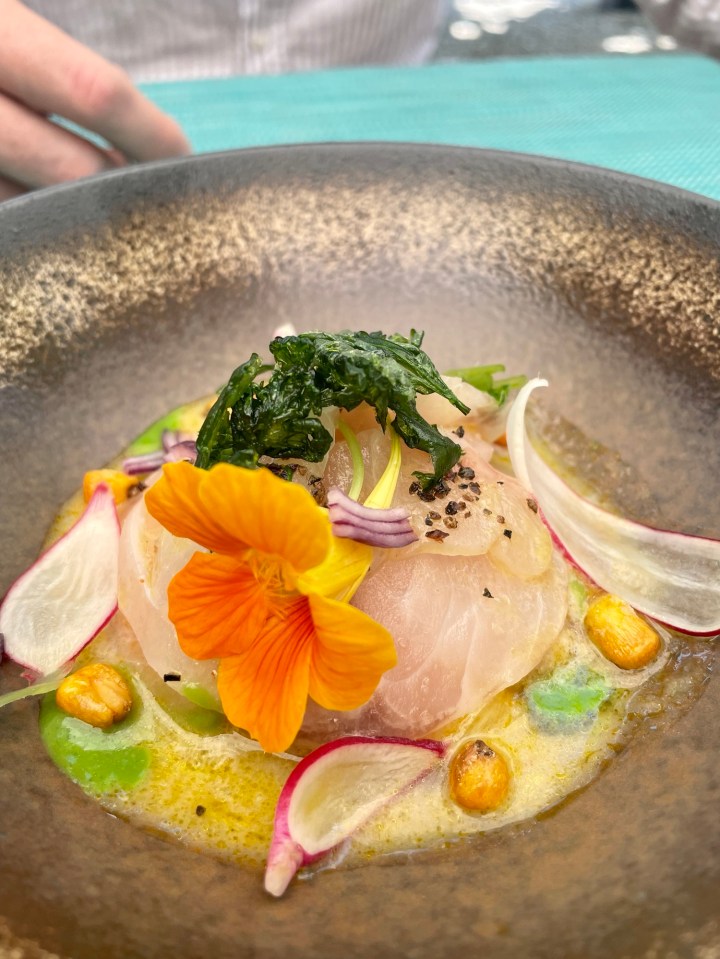
Lunch at Auberge du Parc Carola (Ribeauvillé) 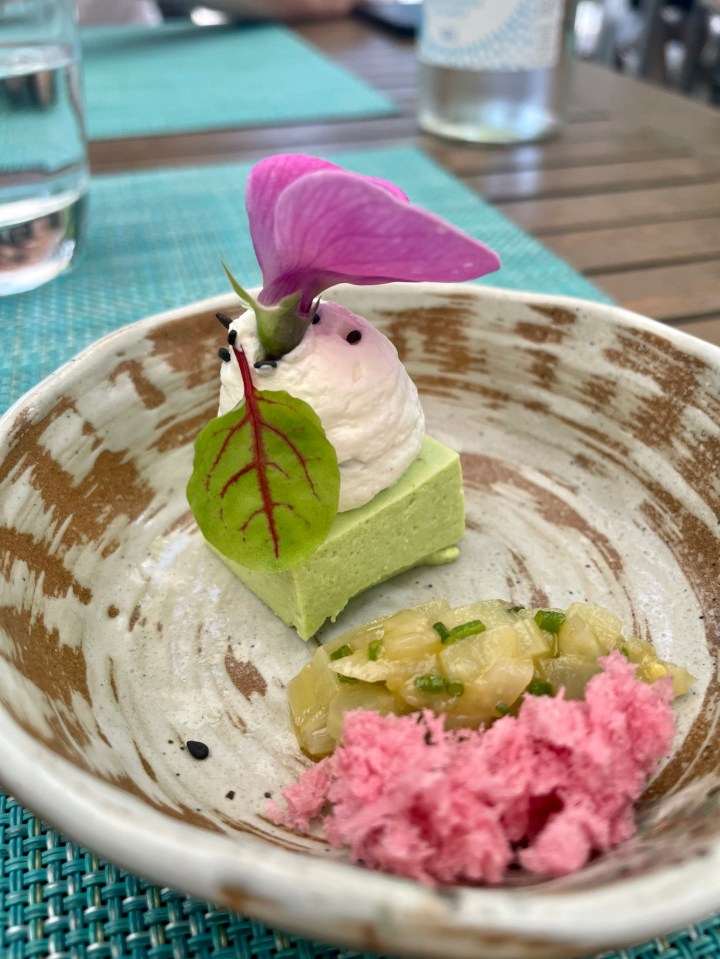
Lunch at Auberge du Parc Carola (Ribeauvillé) 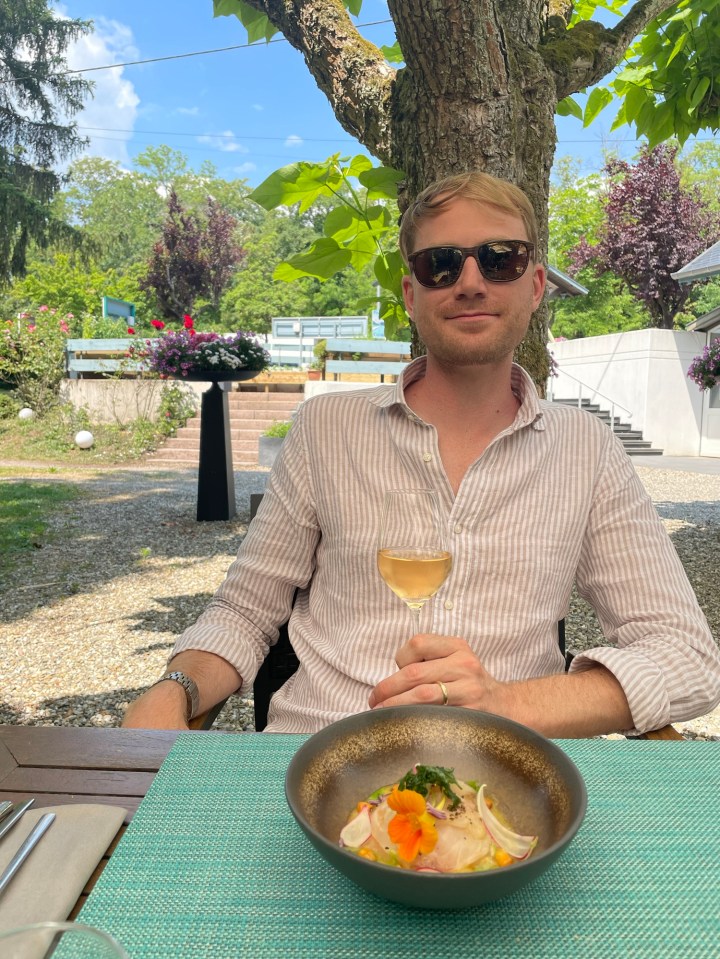
Lunch at Auberge du Parc Carola (Ribeauvillé) 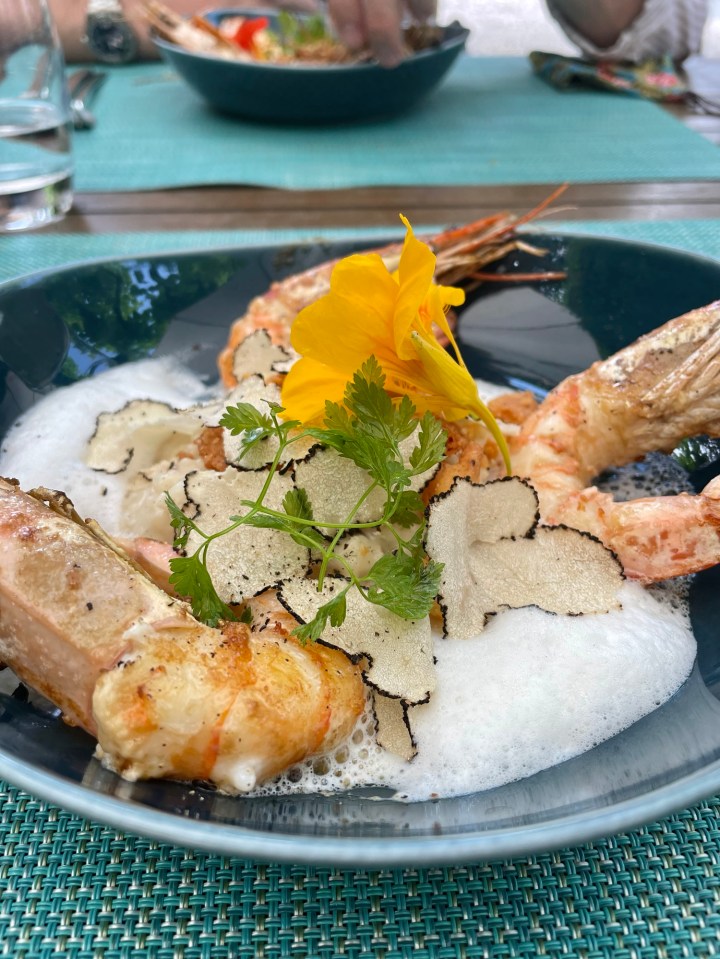
Lunch at Auberge du Parc Carola (Ribeauvillé) 
Église Saint-Martin (Colmar) 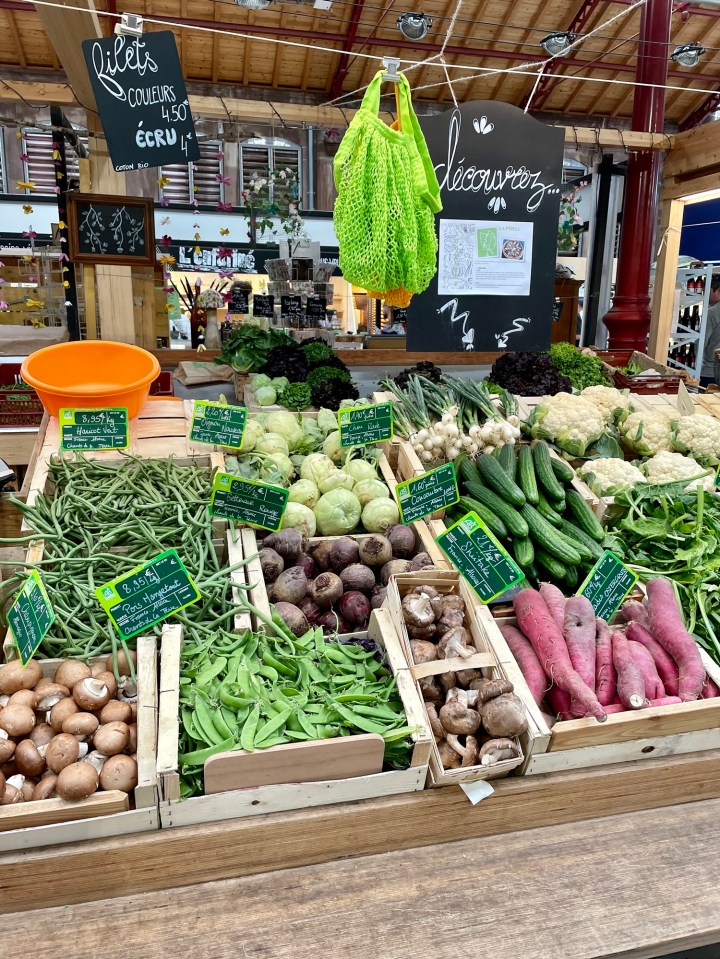
Marché Couvert (Colmar) 
Route des Vins d’Alsace 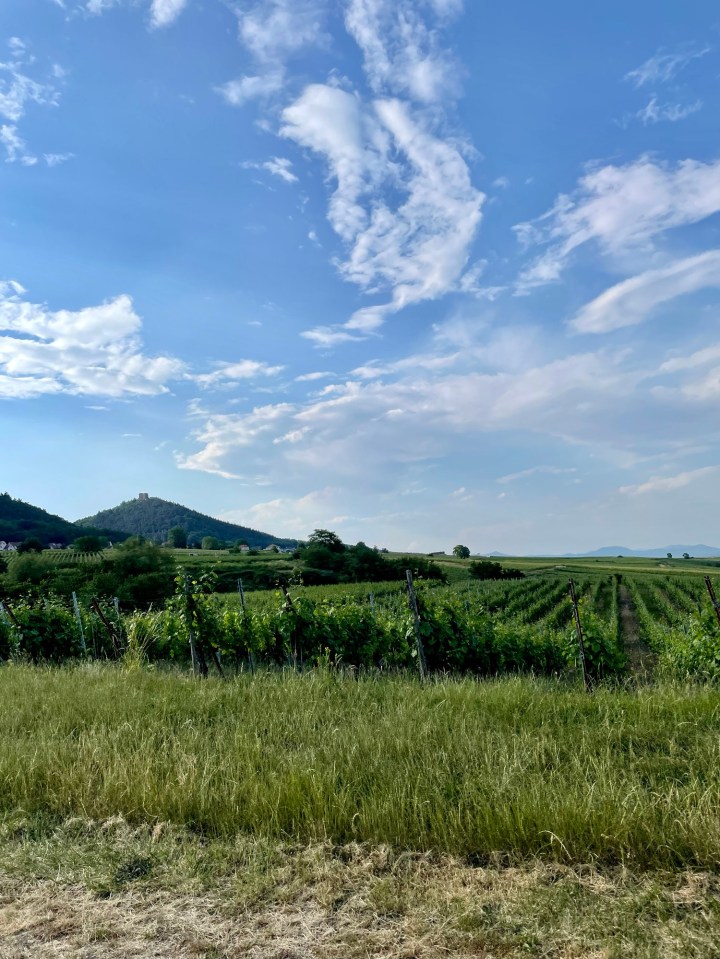
Route des Vins d’Alsace 
Domaine Joseph Cattin (Vœgtlinshoffen) 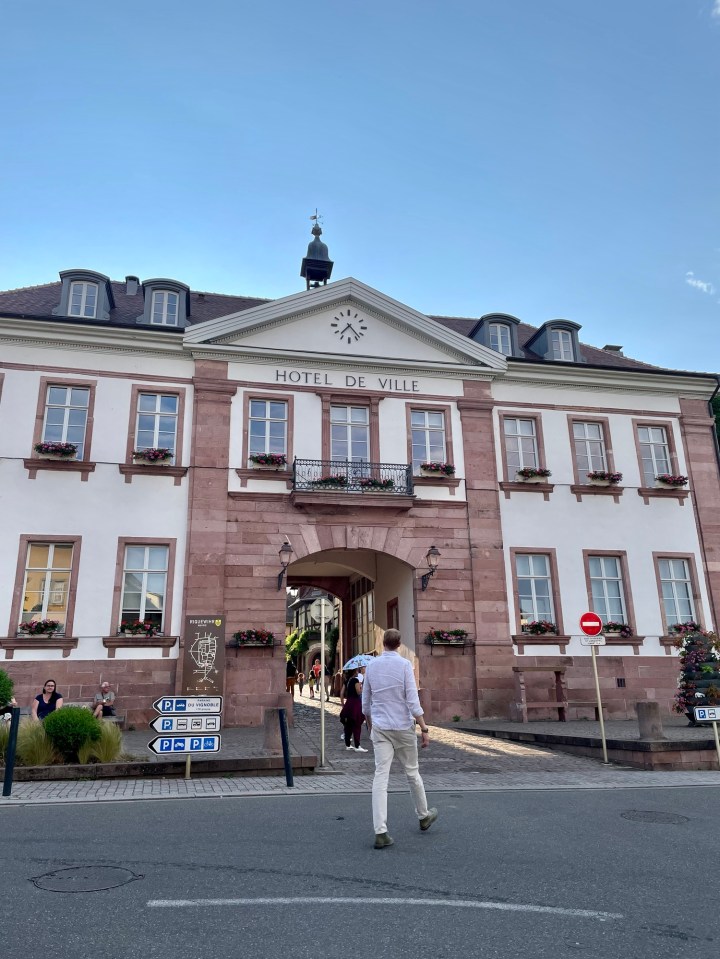
Riquewihr 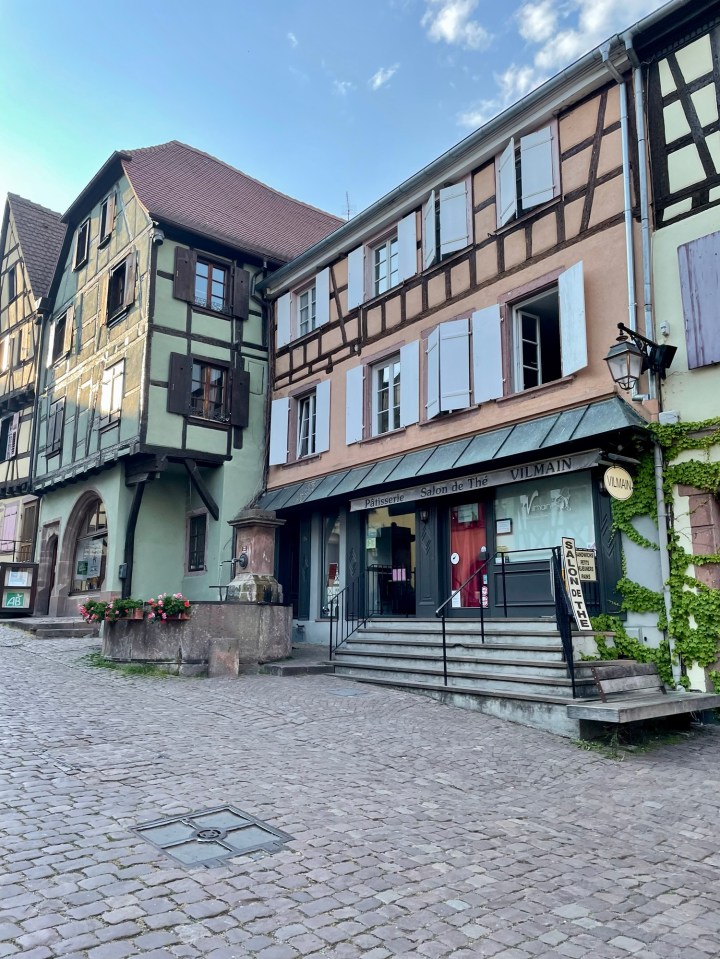
Riquewihr 
Riquewihr 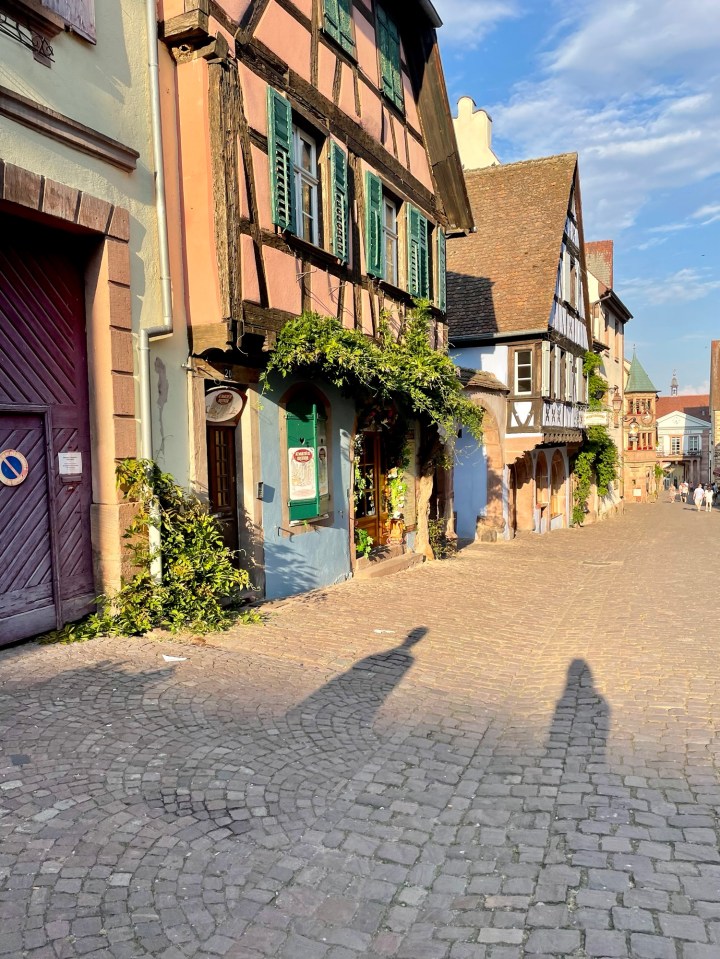
Riquewihr 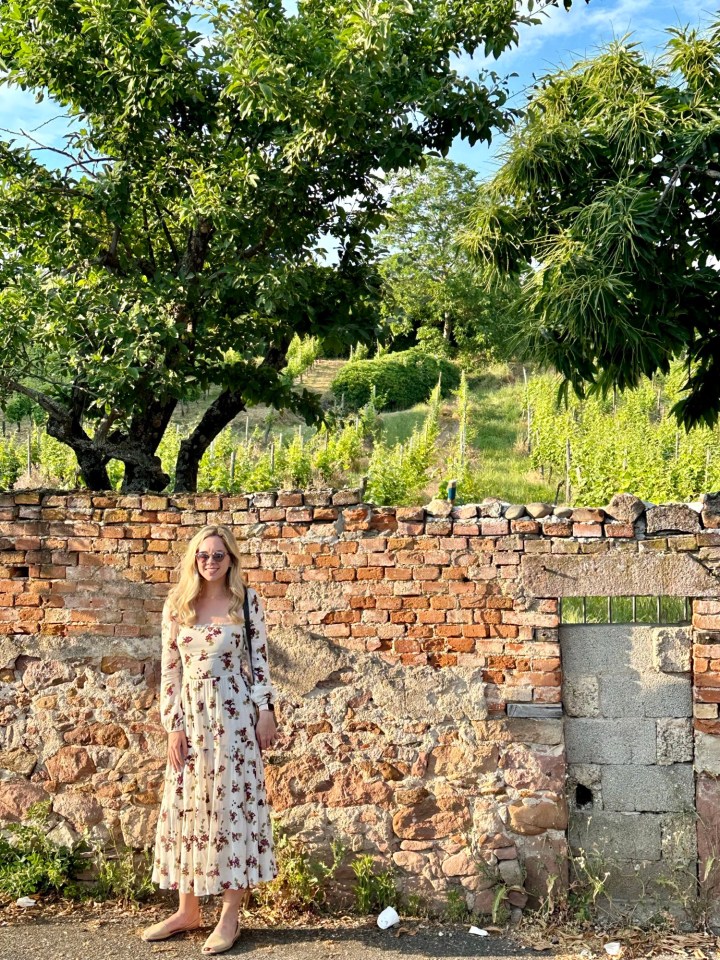
Riquewihr 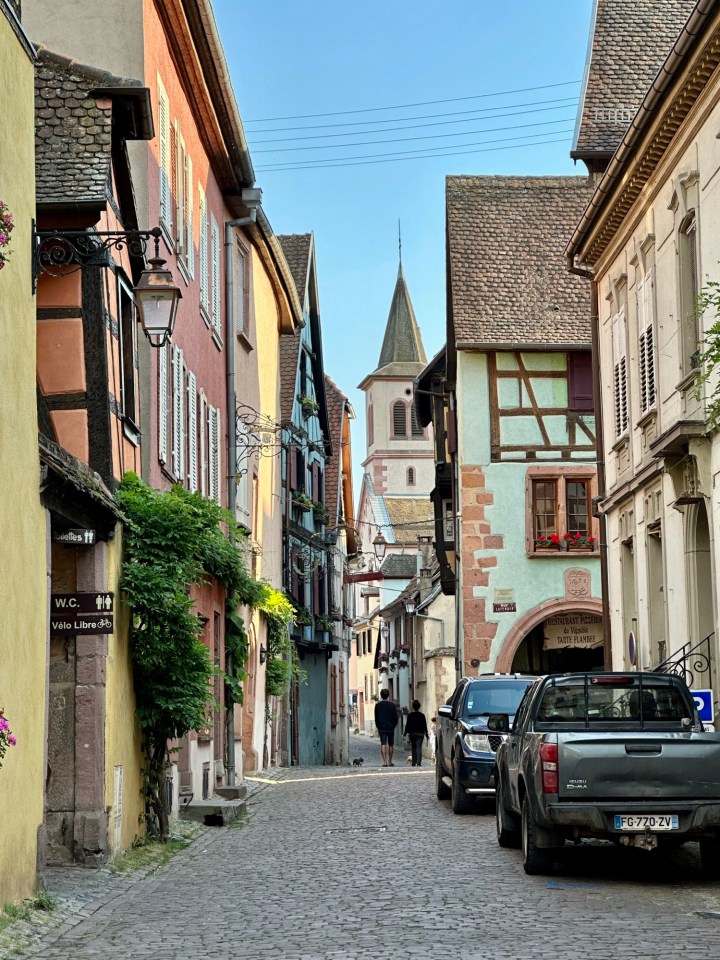
Riquewihr 
Route des Vins d’Alsace 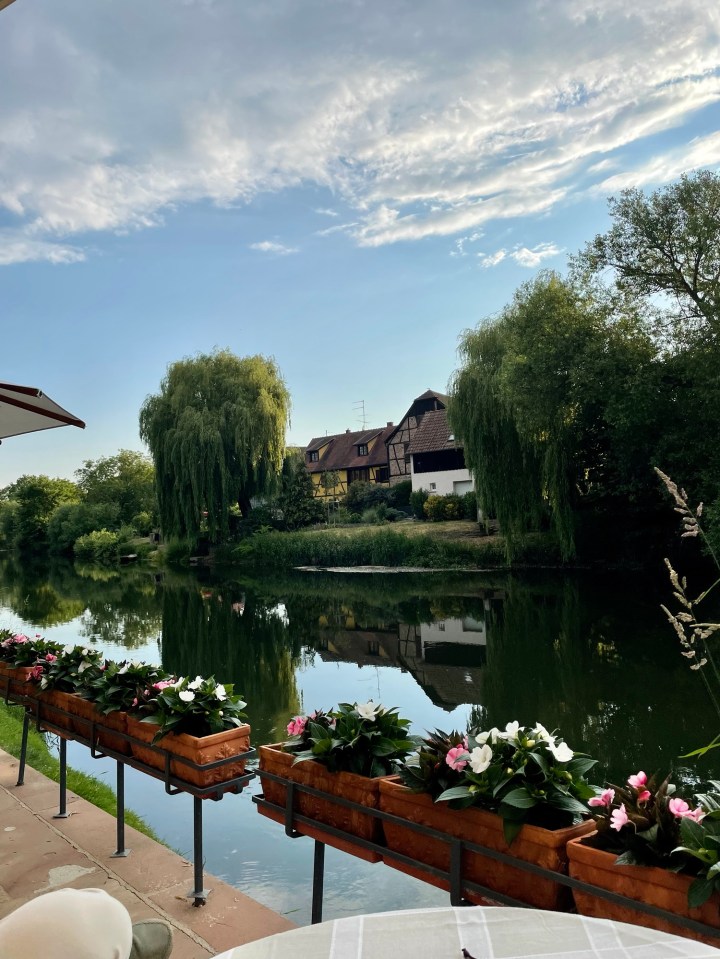
Dinner at Auberge de l’Ill (Illhaeusern) 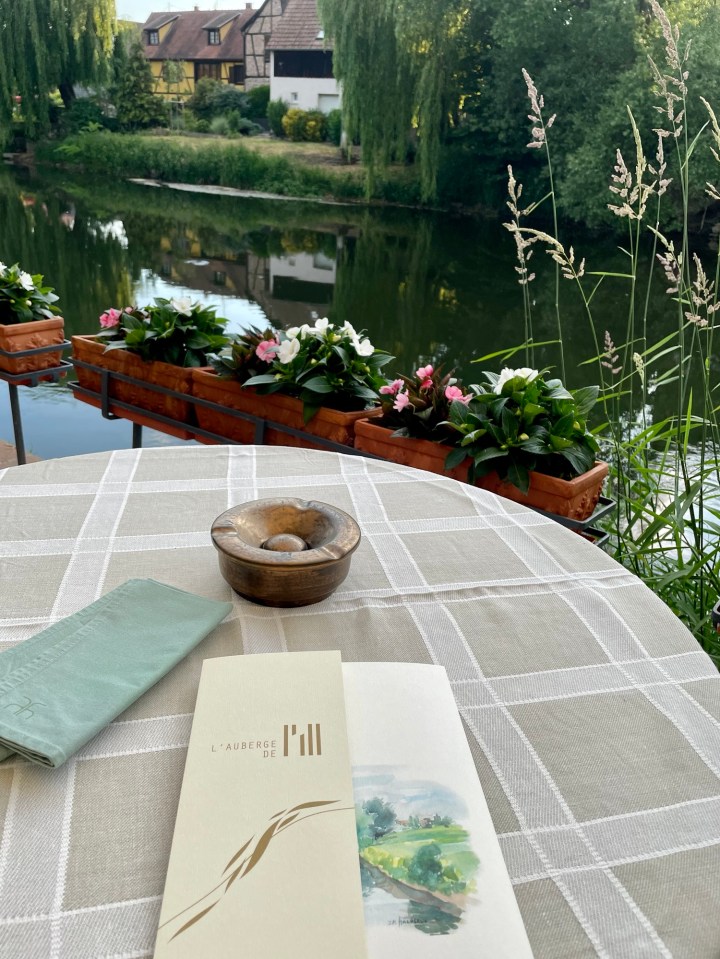
Dinner at Auberge de l’Ill (Illhaeusern) 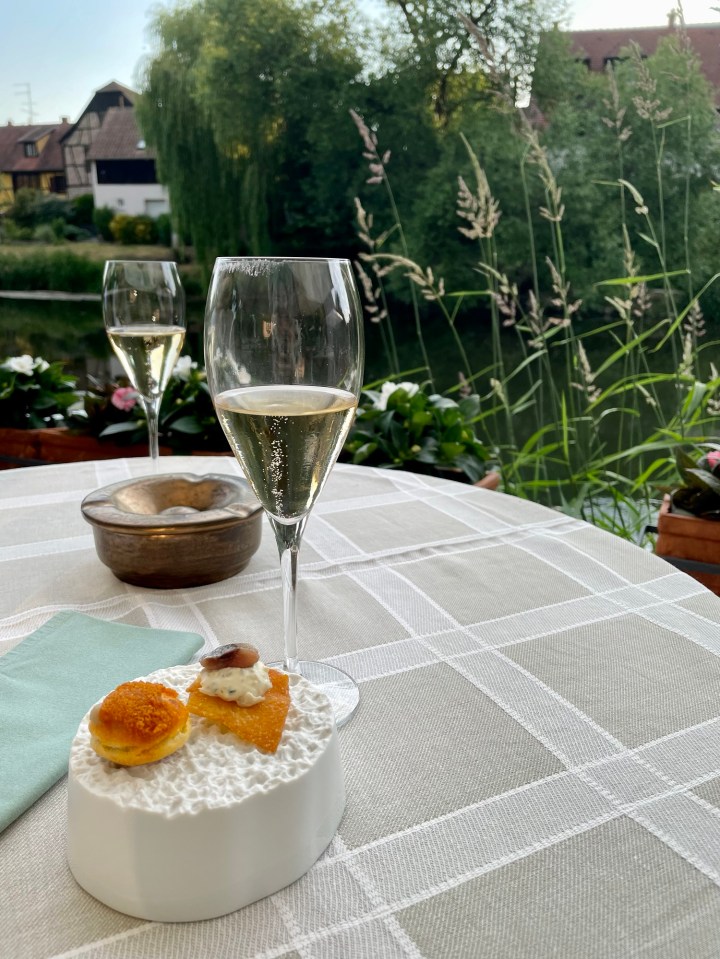
Dinner at Auberge de l’Ill (Illhaeusern) 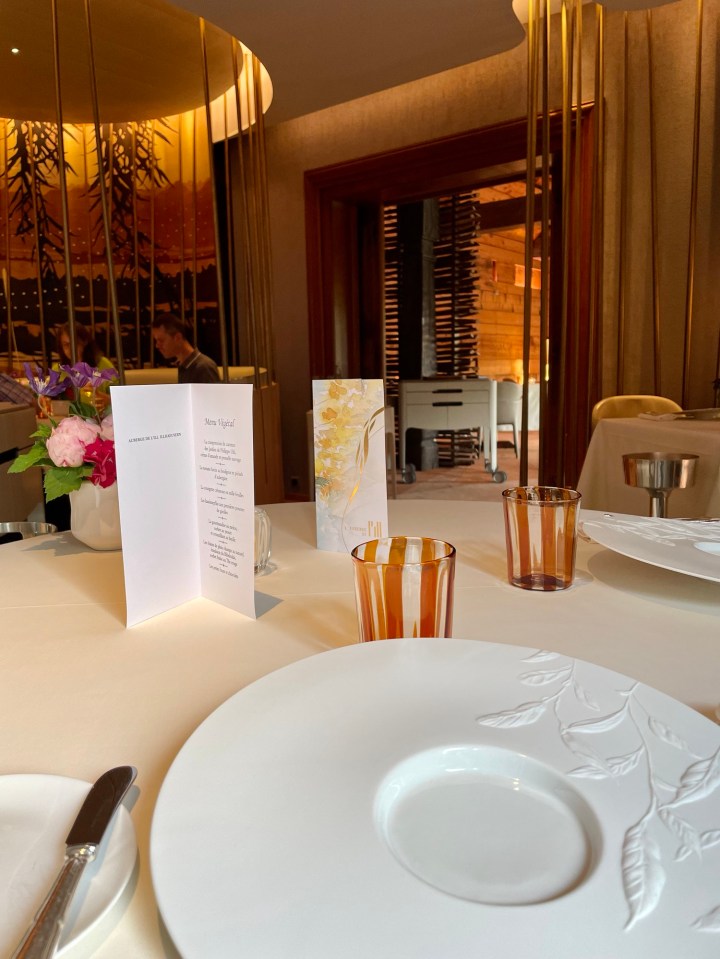
Dinner at Auberge de l’Ill (Illhaeusern) 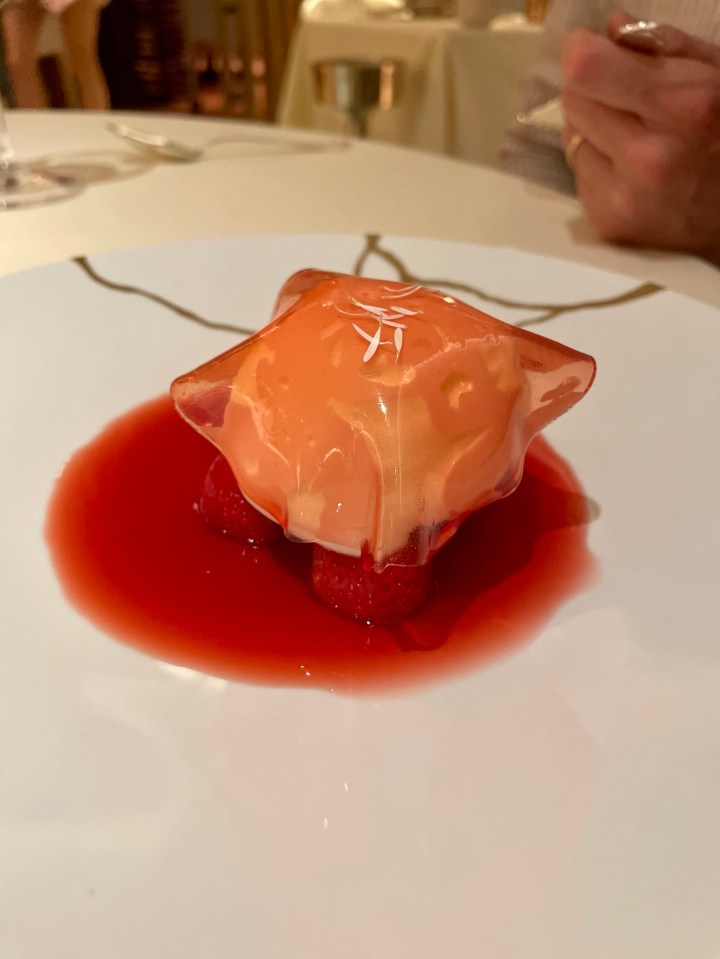
Dinner at Auberge de l’Ill (Illhaeusern) 
Dinner at Auberge de l’Ill (Illhaeusern) 
Dinner at Auberge de l’Ill (Illhaeusern) 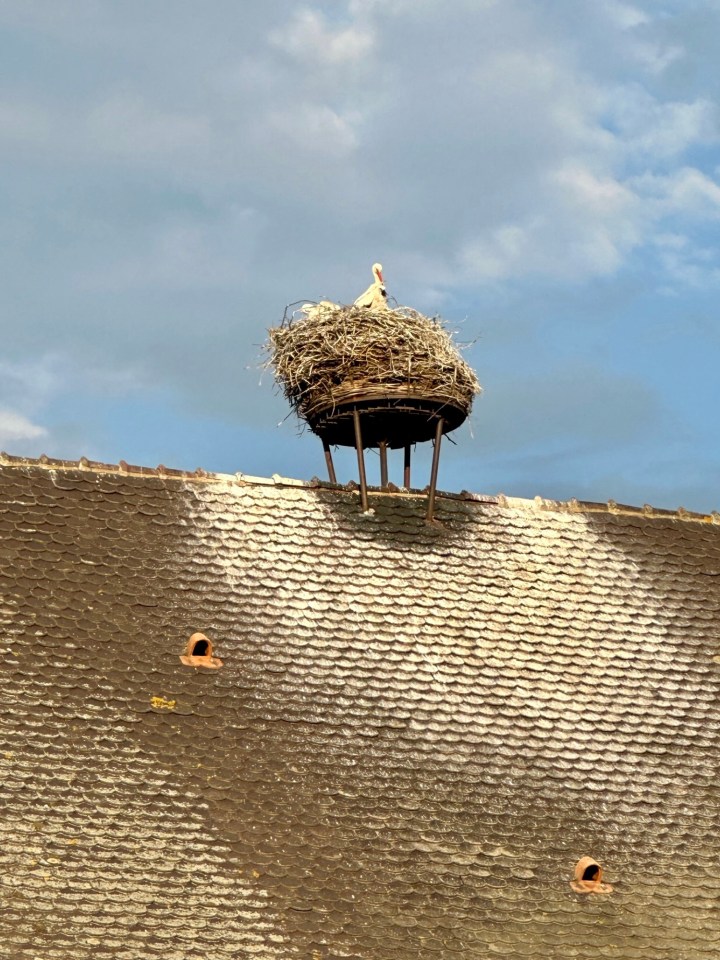
A stork nesting in Illhaeusern 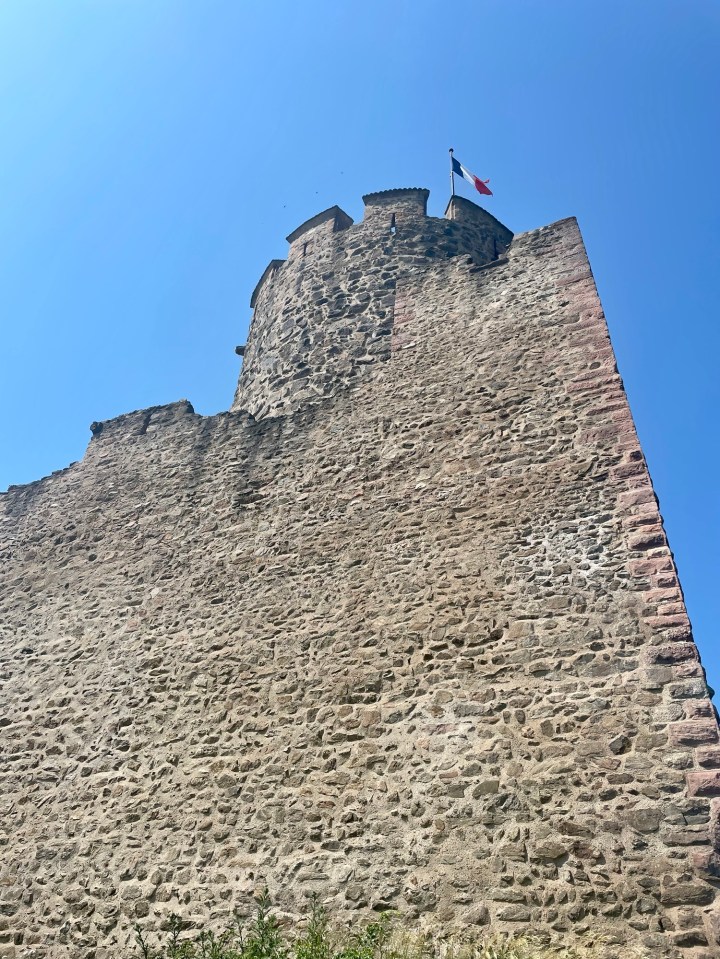
Château de Kaysersberg 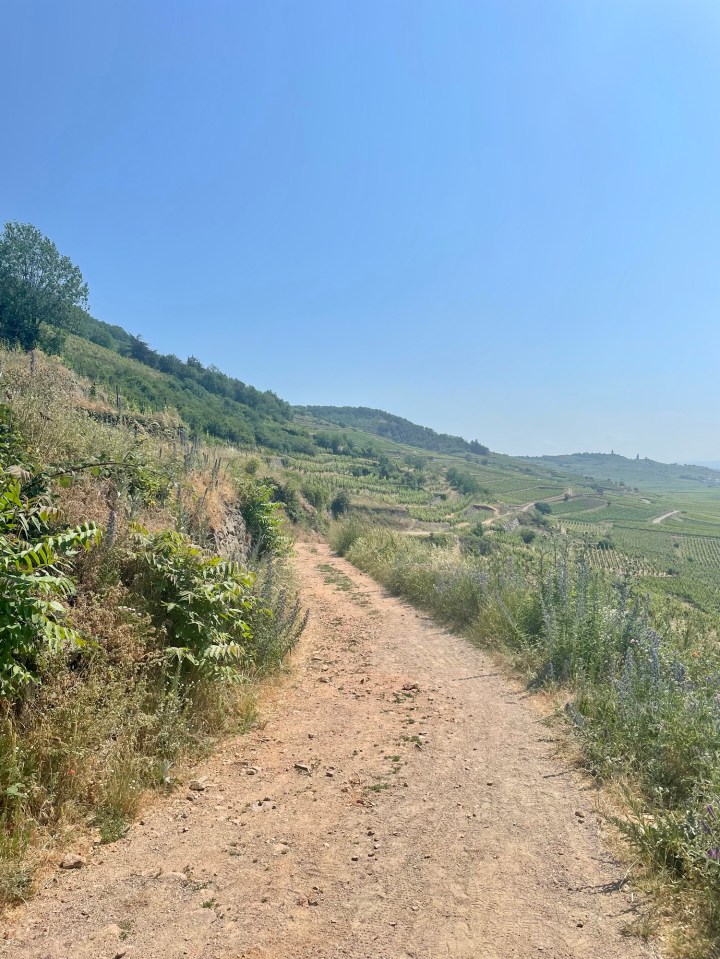
Château de Kaysersberg 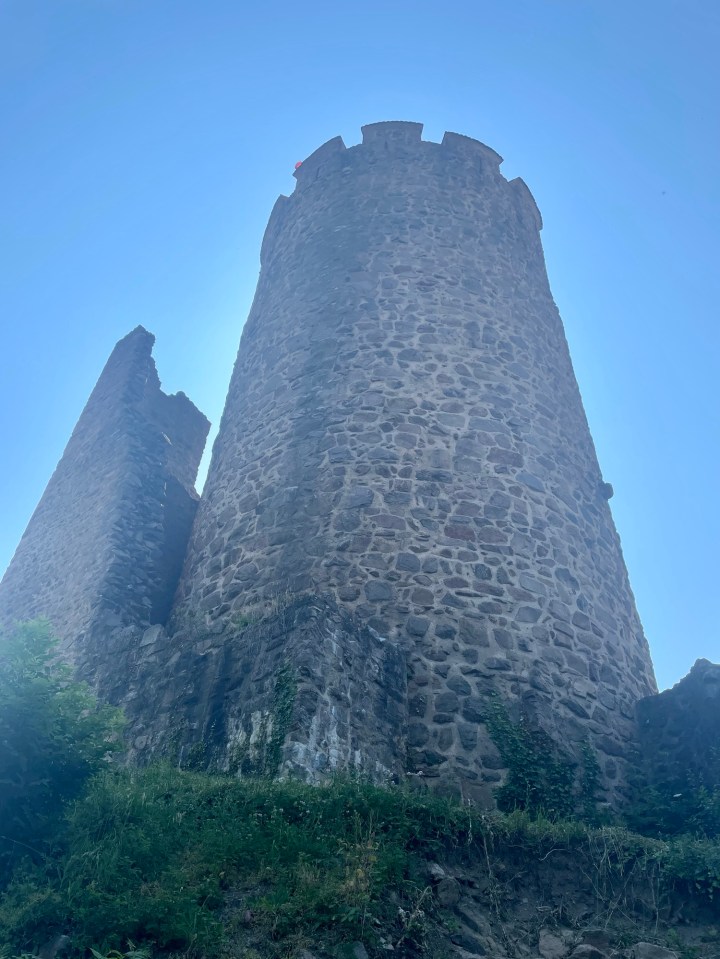
Château de Kaysersberg 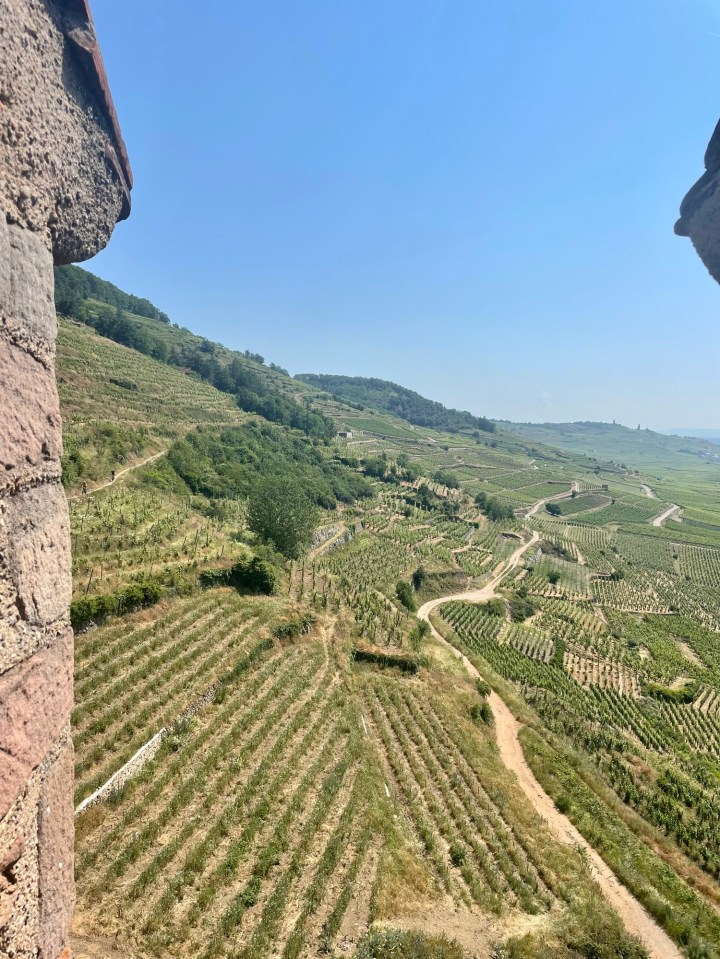
Château de Kaysersberg 
Château de Kaysersberg 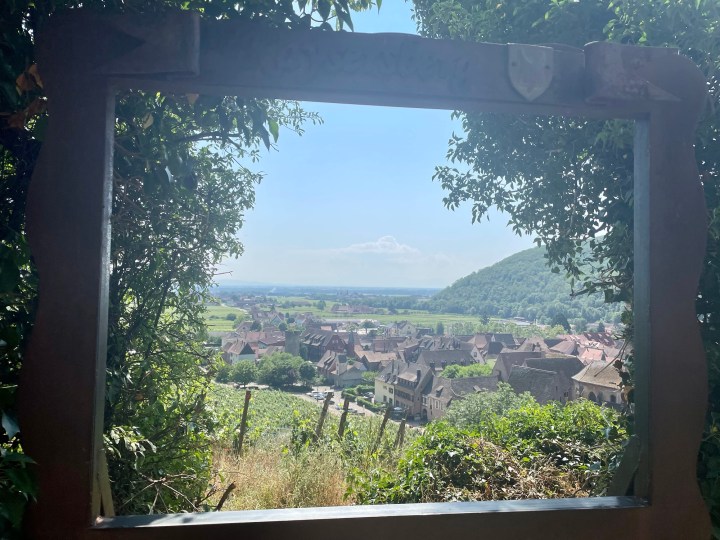
Château de Kaysersberg 
Château de Kaysersberg 
Flammekueche / tarte flambée in Kaysersberg 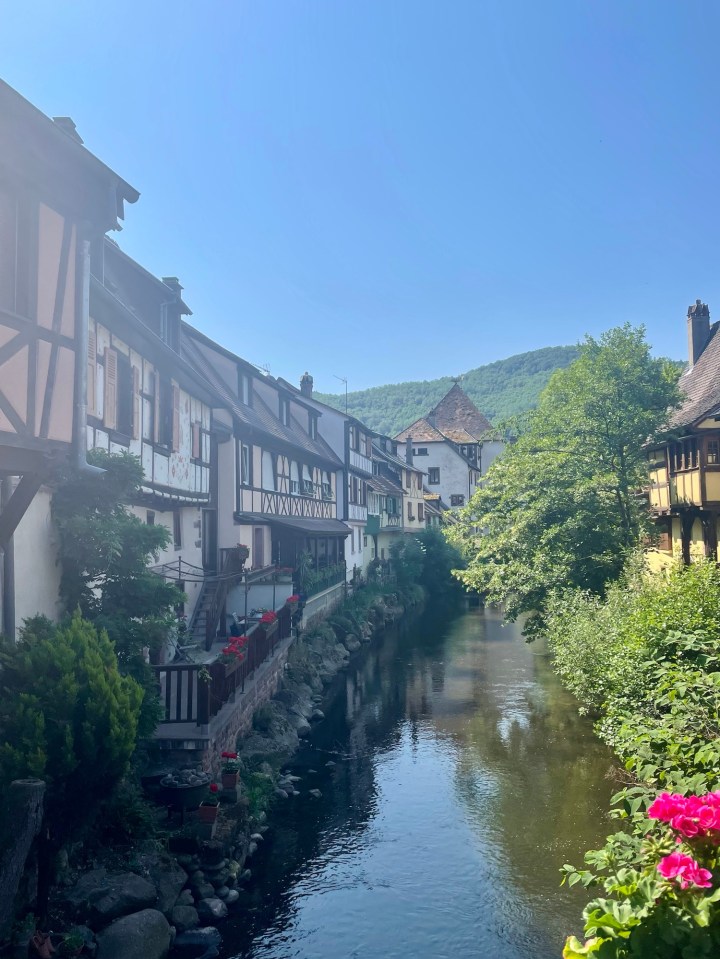
Kaysersberg 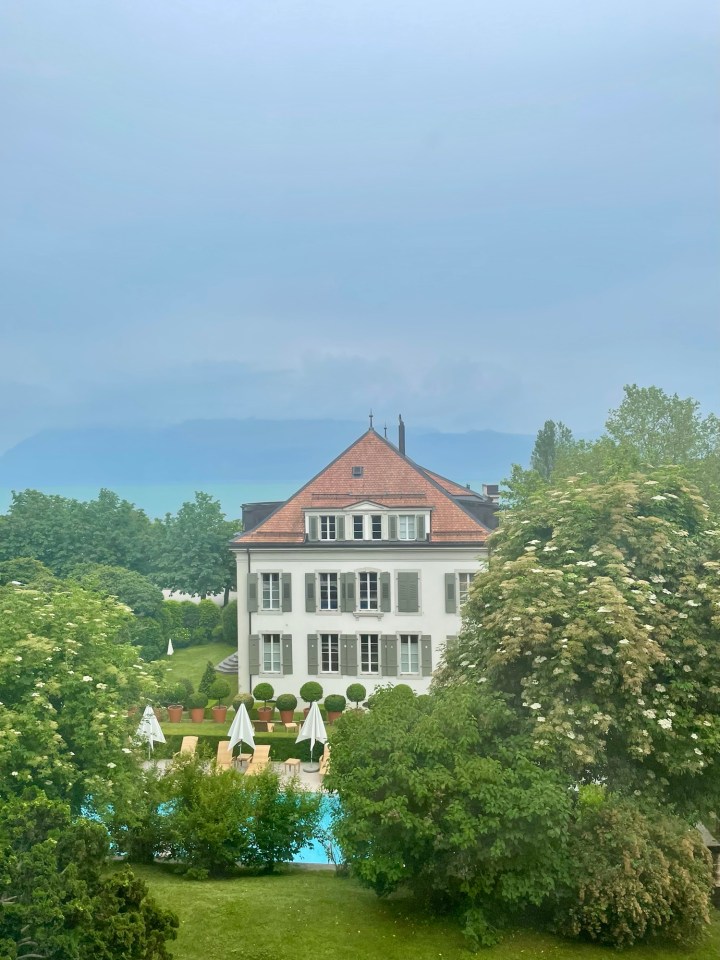
Views of Lake Geneva from our hotel in Lausanne 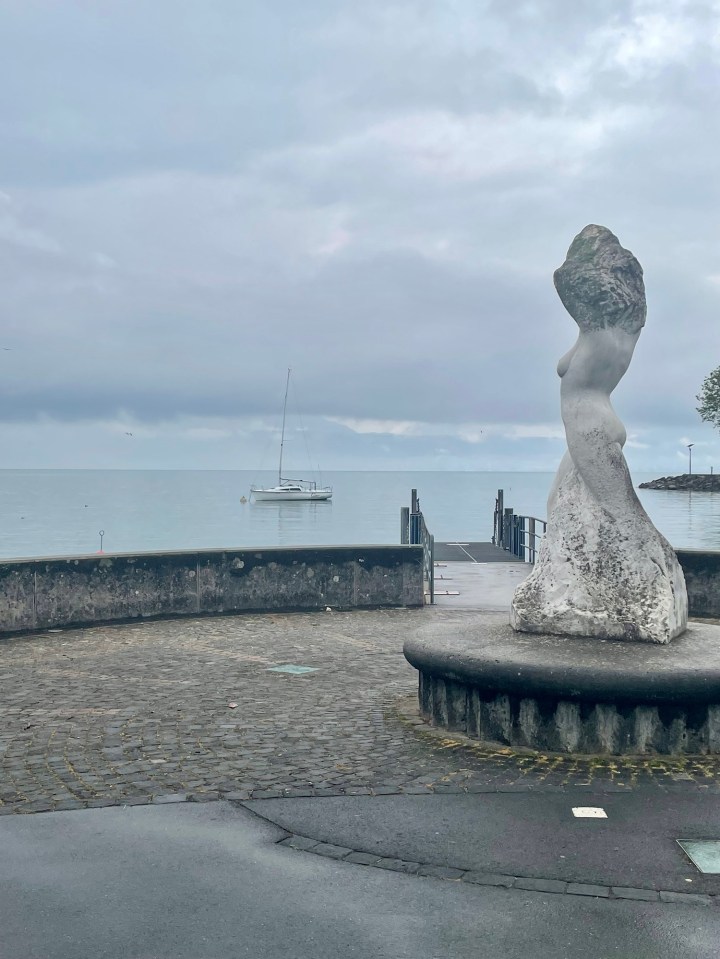
Lake Geneva 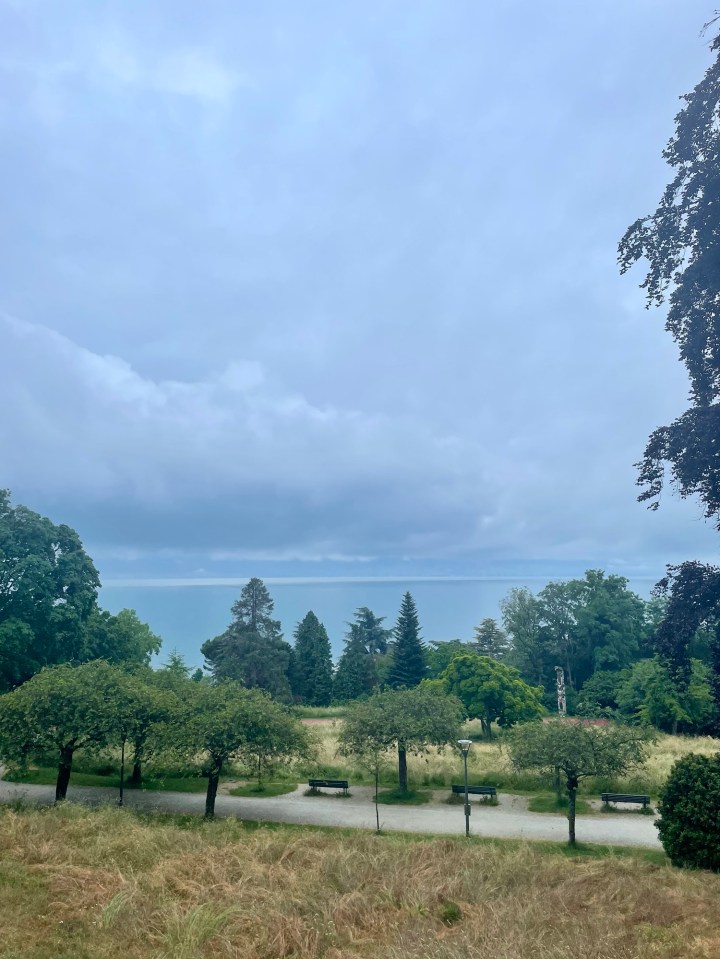
Lake Geneva 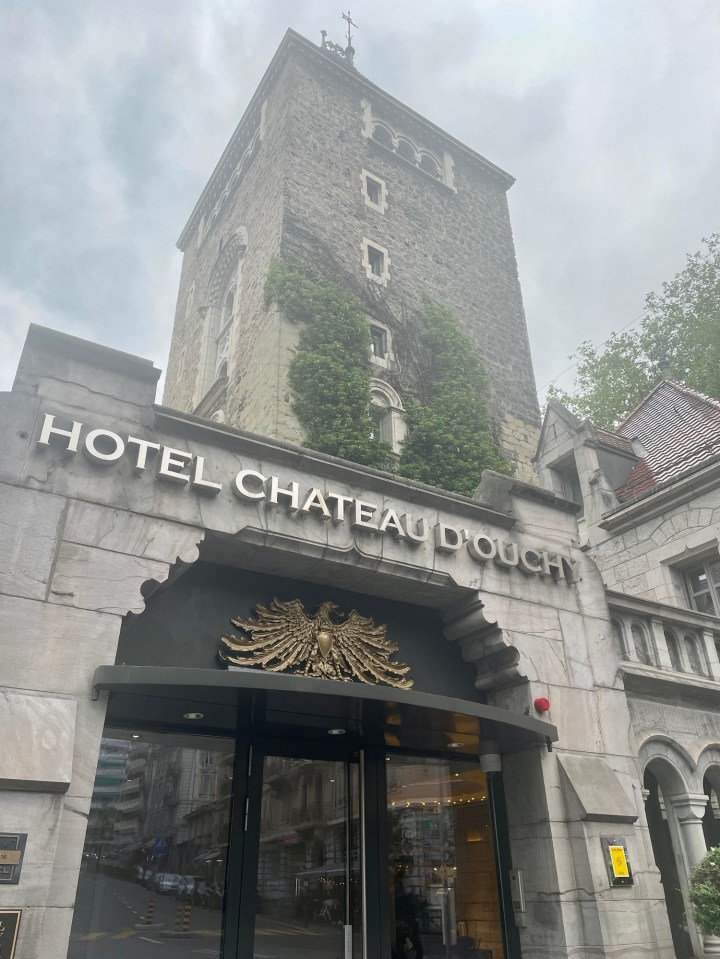
Château d’Ouchy (Lausanne) 
Lausanne 
Cathedral of Notre Dame of Lausanne 
View from the Cathedral of Notre Dame of Lausanne 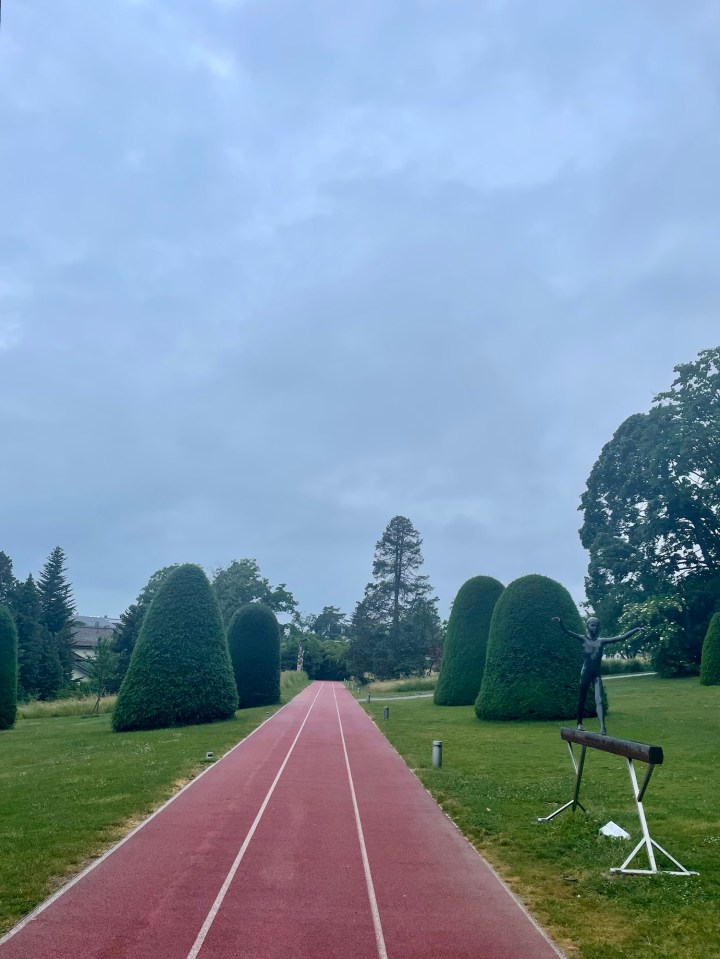
Olympic Park (Lausanne) 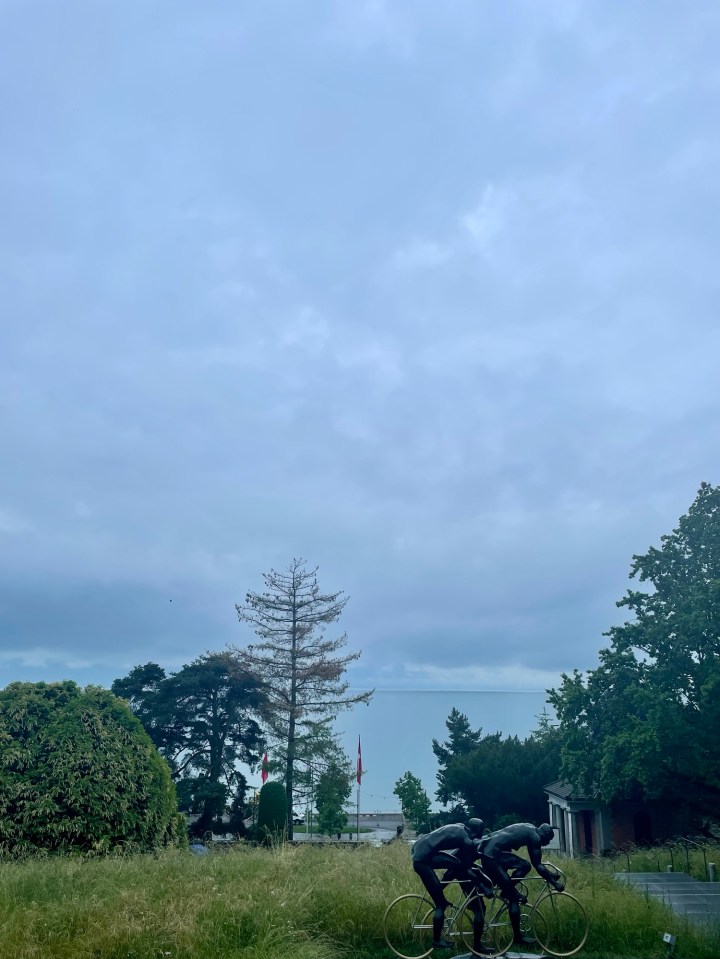
Olympic Park (Lausanne) 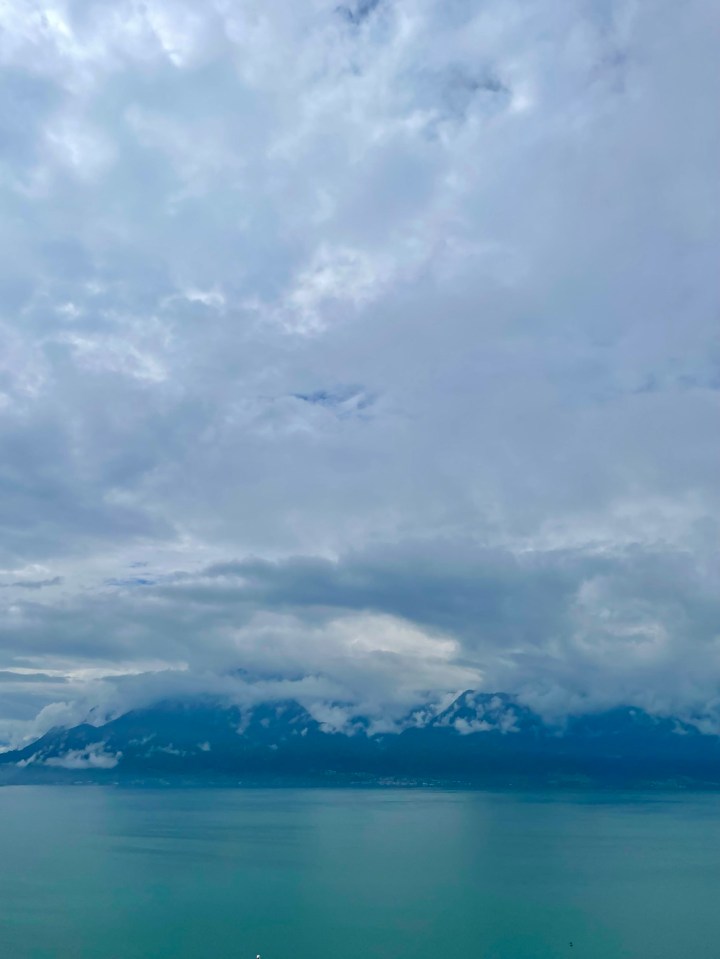
Lake Geneva 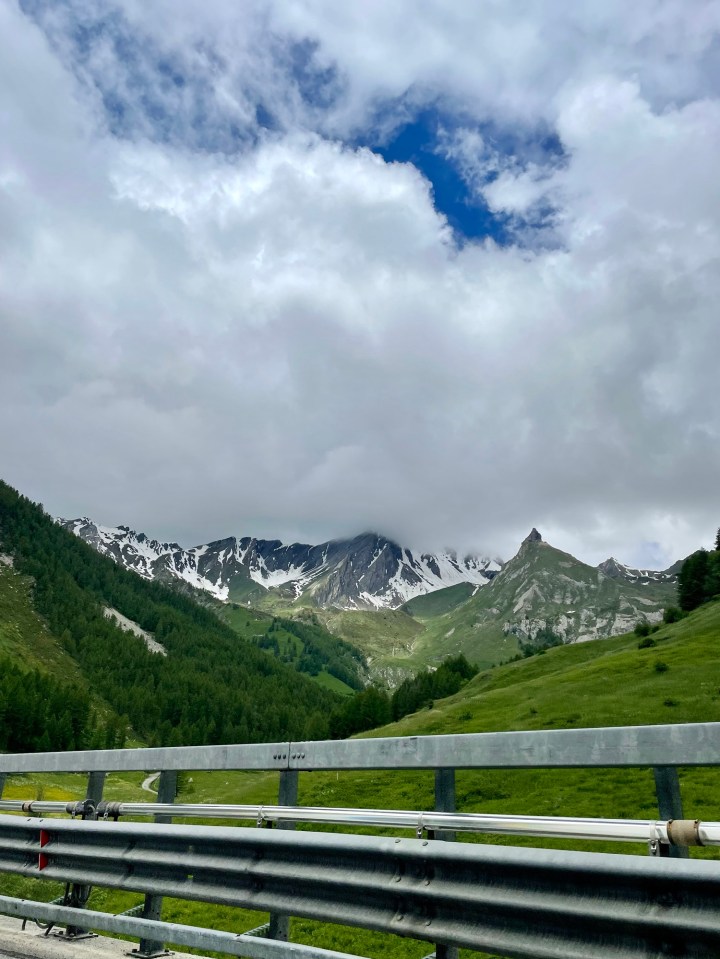
Driving through Italy 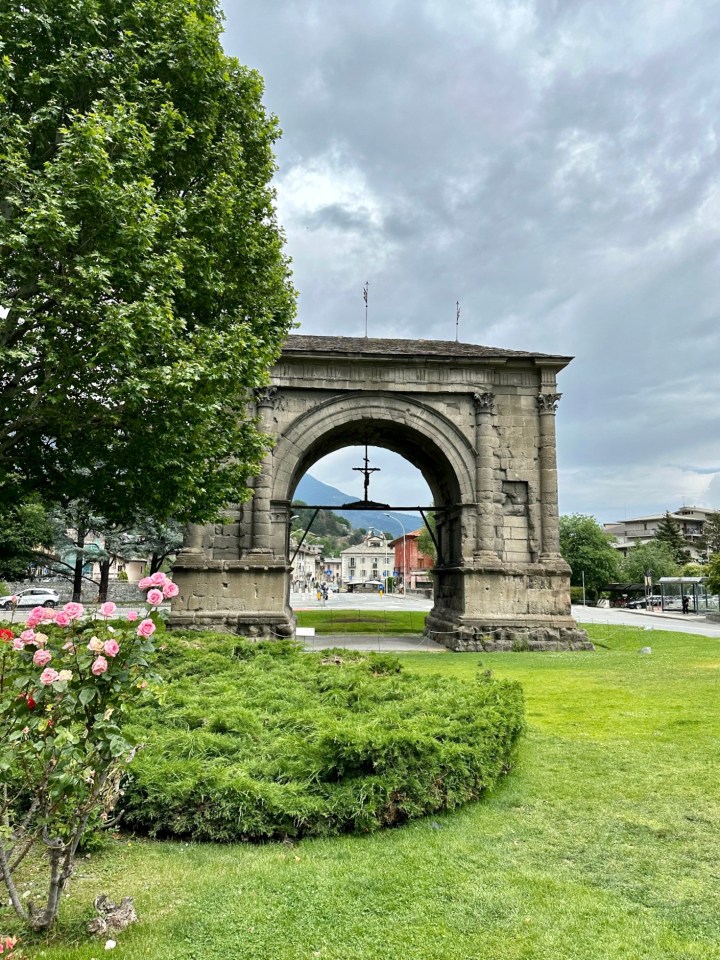
Arch of Augustus (Aosta) 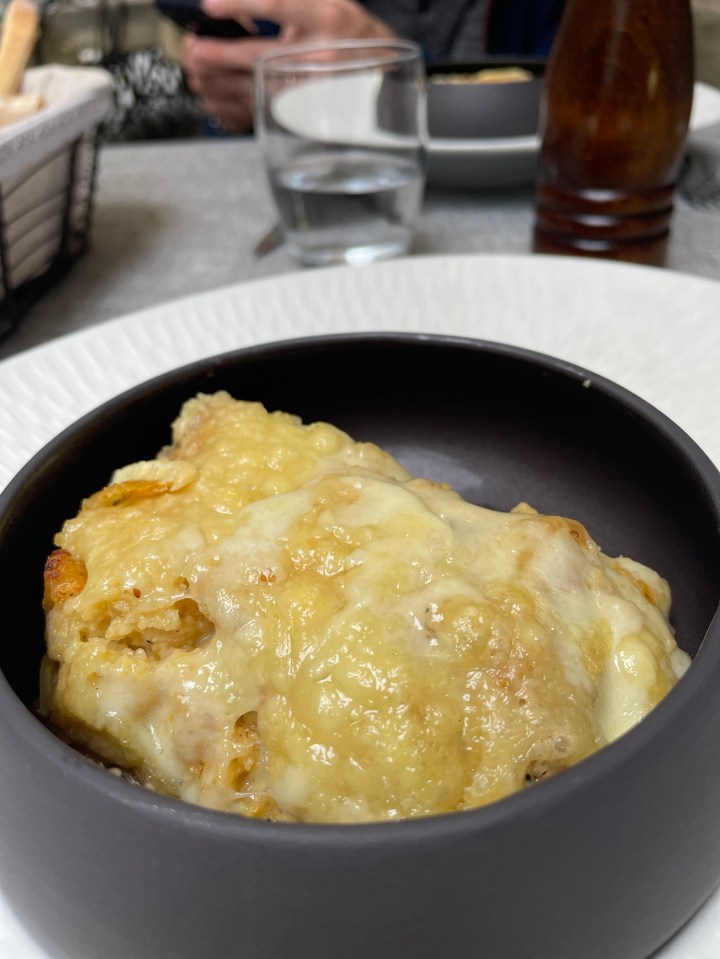
Absolutely incredible polenta alla valdostana at Ristorante Osteria da Nando (Aosta) 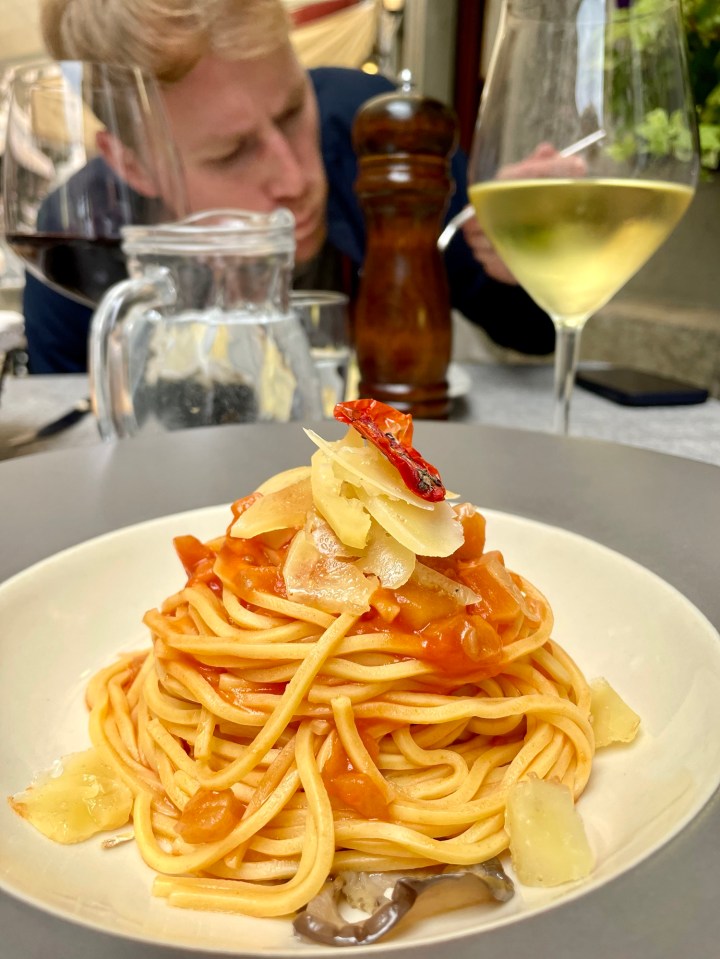
Ristorante Osteria da Nando (Aosta) 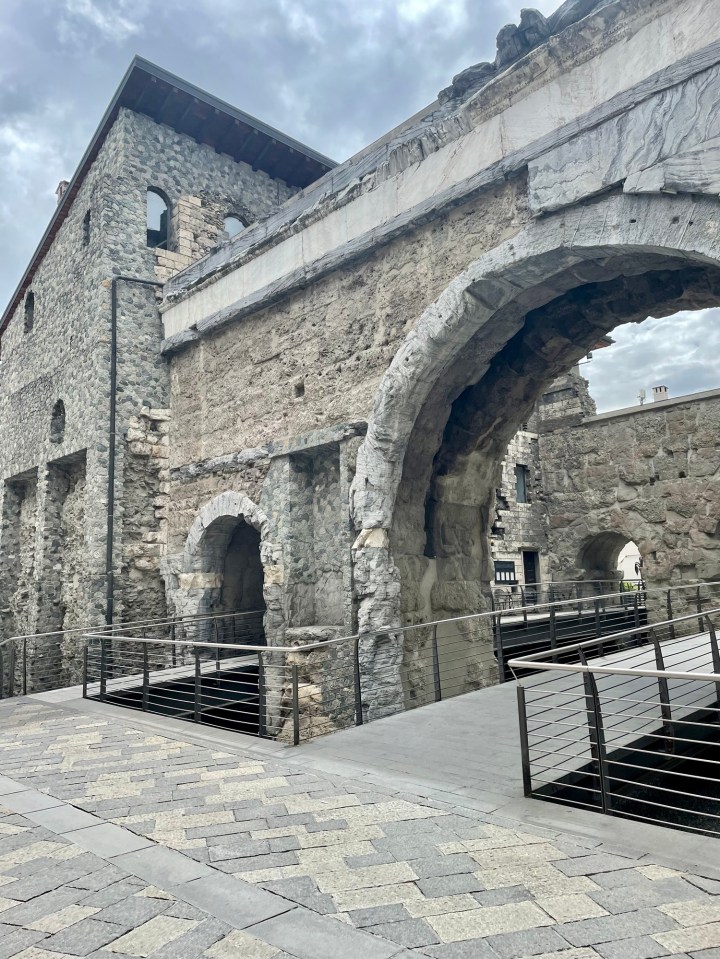
Aosta 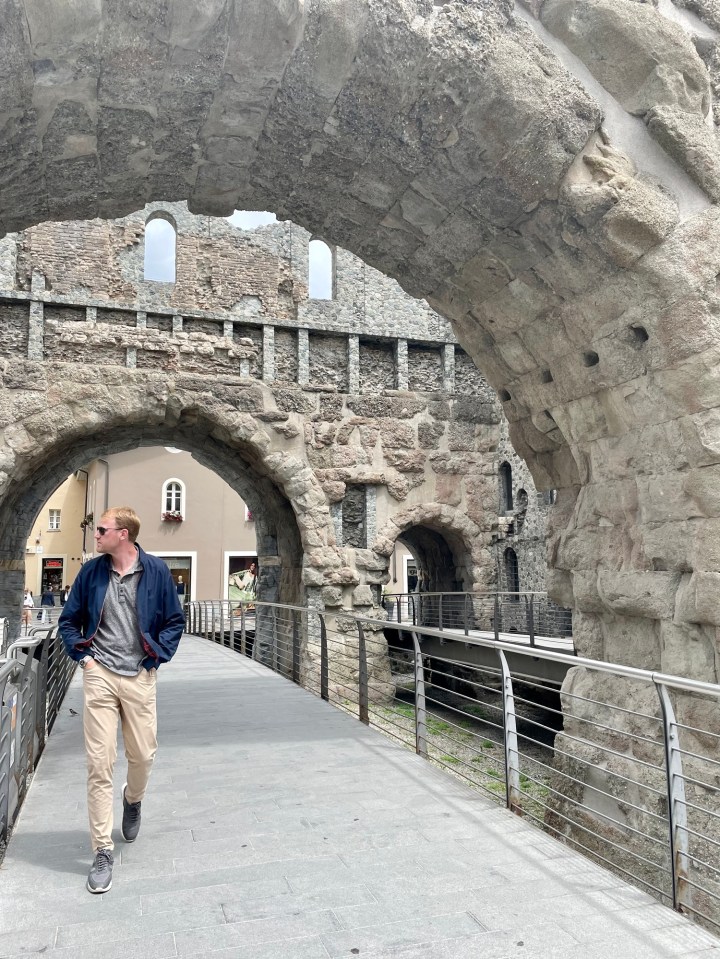
Aosta 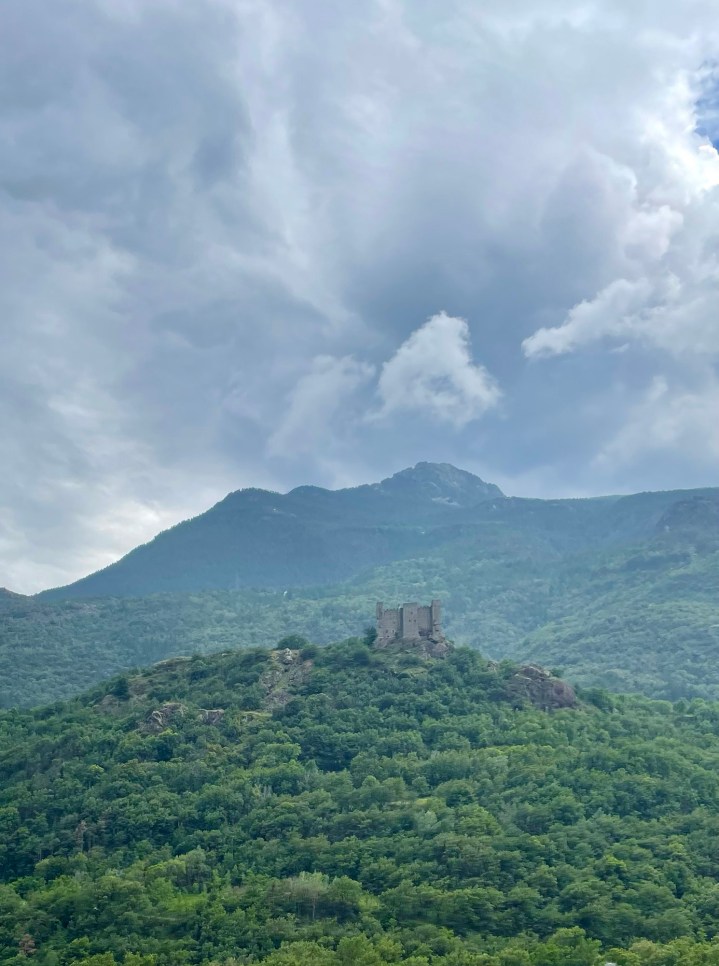
Driving through Italy
Food & Drink
- Milan:
- 28 Posti: Dinner at this sleek-yet-cozy (the restaurant’s name refers to its 28 seats) Mediterranean restaurant on a buzzy street in Navigli was the perfect way to kick off our food-and-wine-centered anniversary trip. We were too late to order the tasting experience, but the a la carte menu was still fantastic and we particularly enjoyed the white asparagus appetizer.
- Lake Como:
- Il Gatto Nero: One of our favorite meals from the entire trip was the simply perfect dinner we had at Ristorante Gatto Nero, a rustic restaurant in Cernobbio that is allegedly George Clooney’s favorite spot in Lake Como. We were lucky enough to sit at a covetable table on the edge of a panoramic stone terrace known for having one of the best lake views, and the service, wine list, and dishes were just as fantastic as the view.
- La Fagurida: High up in the hills above the village of Tremezzo, La Fagurida is a lovely traditional restaurant in a restored stone cottage that serves absolutely exceptional local cuisine. We had another wonderful terrace-side dinner here on Sunday night and thoroughly enjoyed some of their most popular dishes, including polenta, freshly caught and grilled fish, and (of course) asparagus risotto.
- Grand Hôtel Tremezzo: Typically considered one of the most luxurious hotels on the lake, the Grand Hôtel Tremezzo is an iconic art nouveau masterpiece on the western shores of the lake that is as well known for its Belle Époque décor and celebrity visitors as it is for its second-to-none views of the lake. We stopped by the hotel’s waterfront restaurant, Giacomo al Lago, for drinks and a light lunch on Sunday and were particularly impressed with the ceviche appetizer.
- Interlaken:
- Spatz – gastro & so: During a group cooking class in Morocco earlier this year, we met a lovely couple from Interlaken who encouraged us to meet up with them during our upcoming trip to the area. One of them happened to work at this delightful wine bistro in the heart of Interlaken, so we ended up stopping by multiple times during our stay to enjoy excellent wines by the glass and the lovely riverside terrace.
- Schloss Schadau: Everything about our hotel was absolutely incredible, but its lakeside restaurant was easily the highlight. I can’t imagine a better way to start the day than the hearty breakfasts we enjoyed on the restaurant’s terrace with its beautifully manicured gardens and panoramic views of Lake Thun and the towering peaks of Eiger, Mönch, and Jungfrau. The views were so magical that we canceled our original dinner plans for our first night as soon as we checked in and ended up having an absolutely perfect anniversary dinner at the hotel restaurant instead. 10/10 recommend.
- Salzano: We wanted to do something a bit more laid back for our second night in Interlaken and our decision to go to Salzano, a rustic restaurant with a Michelin Guide Bib Gourmand designation, couldn’t have been a better choice. Located in a Swiss chalet-style hotel with excellent Alpine views just a few miles outside the city center, Salzano had an excellent selection of local wines and traditional Swiss dishes for extremely reasonable prices. The decor and waitstaff uniforms were a bit on the cheesy side, but the atmosphere and menu more than made up for it.
- Bern:
- Vigneron F&T Weinbistro: Our decision to stop in Bern was extremely last minute, so I wasn’t able to do any research on potential lunch options. Luckily, we ended up stumbling upon a fabulous wine bar and bistro right in the middle of the main shopping promenade in the Old Town that exceeded anything I would have been able to come up with on my own. We had excellent (and very unique) sandwiches and the extremely friendly proprietor was very excited to tell us all about the wine list, which was primarily sourced from his family’s small vineyards in southwestern France.
- Alsace:
- Auberge de l’Ill (Illhaeusern): The Haeberlin family has operated one of the best restaurants in France in a glorious riverside setting within the tiny village of Illhaeusern since the 1950s. It was a Very Big Deal when the restaurant lost its third Michelin star in 2019 after a 50-year streak and the owners are still obviously quite annoyed by it (there was an entire exhibit about it in the restaurant’s gift shop), but the exquisite dinner we had here was simply unparalleled. The €240 set menu of much-loved classics and contemporary creations was honestly worth every Euro and both the service and overall atmosphere were refreshingly unstuffy and welcoming despite the formality of the dining experience. For example, the sommelier was extremely down-to-earth and quick to suggest ordering two demi bottles of very affordable local wines (one white, one red) instead of buying full bottles. Also, instead of throwing away uneaten loaves of housemade bread, the restaurant encourages patrons to take what’s left of the loaf home with them in a tastefully branded paper bag—a super small touch, but I personally appreciated the commitment to sustainability…also, the bread was absolutely delicious and made for a perfect mid-morning snack the next day.
- L’Atelier du Peintre (Colmar): We had dinner at this beautiful and quirky restaurant located in a historic building in the heart of Colmar during our first night in town. Despite its Michelin star, the atmosphere was fairly relaxed and the €125 set menu was quite reasonably priced given the amount of courses we were served. Each dish was presented very creatively, but the food itself was very approachable (and delicious).
- Auberge du Parc Carola (Ribeauvillé): We were completely unprepared for how much free wine we would be served during our tastings in Ribeauvillé on Thursday morning—it was absolutely imperative for us to each lunch before driving back to Colmar. As we sat in our car and tried to figure out what to do, Andy looked up and realized we were directly across the street from a decent-looking restaurant that didn’t seem too busy. Serendipitously, Auberge du Parc Carola ended up being an absolute gem and we ended up having one of the best lunches of our trip at this lovely parkside bistro with a surprisingly diverse and colorful menu. The food was amazing, but the icing on the cake was the owner’s beagle (named Lily!!) trotting around the terrace and dozing in the afternoon sun.
- Marché Couvert (Colmar): Colmar’s covered market, which was built in stone, bricks, and cast iron in the mid-19th century, is still a bustling part of the city center and a wonderful place to grab lunch or a snack in addition to groceries. There were dozens of vendors selling all kinds of local cheeses, groceries, and regional delicacies, but we managed to make it through the market without buying too many spices and treats.
- Lausanne:
- L’Accademia: I actually didn’t realize that Lausanne’s leading Italian restaurant was affiliated with our hotel when I made the booking, but not having to trek through the hilly city during a rainstorm was particularly fortuitous. Although the rain also prevented us from being able to sit on the terrace overlooking Lake Geneva, we still had a fantastic meal and particularly enjoyed the extensive wine list.
- Hotel d’Ouchy: Although it looks very majestic and historic, the Château d’Ouchy is really just a very grand hotel built at the end of the 19th century on the site of a previously demolished medieval castle. Even though a single tower is the only truly historical remnant of the castle, the hotel really tries to play up its history, including a plaque commemorating the 1923 Treaty of Lausanne…although the only connection the hotel has to the agreement that officially resolved the conflict between the Ottoman Empire and the Allies during World War I was that some of the leading figures of the peace treaty were staying at the hotel. Anyway, the hotel has a fantastic location on the banks of the lake so we decided to have a few drinks at the hotel’s otherwise very forgettable lobby bar before dinner.
- Aosta:
- Ristorante Osteria da Nando: Our last-minute decision to stop in Aosta for lunch resulted in one of our favorite meals of the trip. We sat on the terrace of a traditional trattoria that opened in the heart of the historic city center in 1957, which was the perfect way for us to take in the magic of the city as we sampled the hearty cuisine of the Aosta Valley. Our waiter was incredibly attentive and helped us select from the excellent local wine list and mouth-watering menu. Our favorite dish was the house specialty, polenta alla valdostana, an incredible polenta made with three types of corn and lots of local Fontina cheese.
Activities & Attractions
- Franciacorta:
- Berlucchi: In 1961, the very first bottles of Franciacorta sparkling wine produced in the traditional method were made by Guido Berlucchi and his oenologist, Franco Ziliani, at his eponymous winery in Borgonato. Given its history and its modern scale of production (Berlucchi bottles nearly a quarter of all the Franciacorta produced each year), the 17th-century palazzo was the perfect place for us to start. We weren’t able to tour the ancient cellars, but the friendly clerk made the bottle shop experience simply delightful.
- Bellavista: After our quick stop at Berlucchi, we were even more excited about our more traditional vineyard experience at Bellavista in the nearby town of Erbusco. Vittorio Moretti, the current president of the Franciacorta Consortium, founded Bellavista in 1977 and named the winery after the location of its vineyards on top of a hill with an incredible view. The first-class winery has an incredible sculpture garden with waterfalls and a giant swing overlooking the vineyards, and our tour and tasting experience was top-notch.
- Lake Como:
- Boat Rental: Lake Como is famous for the palatial villas and gardens that have lined its shores since the Roman era, and the best way to see most of them is from the water. Renting a speedboat from the boat rental agency next to our hotel couldn’t have been easier and for just a few hundred euros, we were able to spend 4-5 hours soaking up the unexpected sunshine and exploring the area at our own leisure. Our boat came with an excellent map of some of the lake’s most popular attractions, which made it extremely easy for us to see nearly everything in one afternoon. Highlights included Villa Carlotta, a 17th-century villa (and modern-day art museum) in Tremezzo set on more than 17 acres of absolutely stunning terraced gardens; Villa del Balbianello, an 18th-century villa in Lenno that is equally famous for its gardens and its use as a primary filming location for Casino Royale; Villa d’Este, a 15th-century mansion in Cernobbio that originally served as a summer residence for the Cardinal of Como and is currently one of the most luxurious hotels in the world; and, of course, George and Amal Clooney’s private home in the tiny village of Laglio.
- Interlaken:
- Hike in Wengen: I’ve had nothing but excellent experiences with activities booked through Airbnb Experiences and the guided hike we took while staying in Interlaken was no exception. We met our tour guide and her dog, Paco, at the train station in the tiny, car-free village of Wengen and immediately set out on a 2-hour hike through the alpine woods and flowering meadows surrounding the town. The scenery was beautiful, but the best part was getting to see all the cows and goats roaming around with traditional bells around their necks—I’ve never seen such happy animals, and I can now fully appreciate how much pride the Swiss take in producing local cheeses and chocolates. After our hike, we went back to our guide’s apartment and learned how to make traditional raclette, which was the perfect way to recharge before heading back to Interlaken.
- Schloss Oberhofen: On our way out of Interlaken, we stopped by Oberhofen Castle, an imposing castle built on the shores of Lake Thun in the High Middle Ages. The central keep with its six-foot-thick stone walls likely dates back to the early 13th century and is surrounded by buildings, towers, and other fortifications added and renovated by various owners (including the Habsburg family) over the centuries that resulted in the castle’s unique mixes of Romantic, Gothic, and Bernese Baroque architectural styles. We didn’t tour the museum located inside the castle, but we enjoyed walking around the complex and its splendidly landscaped park and gardens.
- Bern:
- BärenPark: Since the 16th century, Bern has housed its heraldic animals in a bear pit called the Bärengraben near the Nydeggbrücke bridge on the opposite side of the River Aare from the historic Old Town. Although still in use, the historic bear pit has been supplemented since 2009 by BärenPark, a much larger and more natural enclosure that connects to the Bärengraben via a tunnel. It was free to walk through the park and we successfully caught a glimpse of one of the park’s four resident brown bears.
- Altstadt (Old Town): Bern’s medieval city center has stayed relatively intact since the 14th and 15th centuries, and the entire area has been recognized as a UNESCO World Heritage Site for 40+ years. We were genuinely surprised by how impressive Old Town was and I’m really glad we ended up stopping in Bern to explore for a few hours. Old Town is particularly well known for having one of the longest covered shopping promenades in Europe with more than four miles of arcade-lined streets, as well as more than 100 fountains, including 11 that are crowned with colorful (and honestly a bit disturbing) allegorical statues from the Renaissance era. One of the most famous sights is an elaborate medieval tower built in the 13th century and known as the Zytglogge (Time Bell) due to its 15th-century astronomical clock and bell, which is struck each hour following an elaborate mechanical puppet show. The sheer number of historical buildings was kind of insane, but other notable sights included the Berner Münster, a 15th-century Swiss Reformed cathedral (minster) with a magnificent Gothic façade and a 100-meter-tall bell tower that dramatically soars above the city skyline; the Bundeshaus (Federal Palace), three interconnected buildings containing the seat of the Swiss government and parliament; and the 15th-century Rathaus Bern (Bern Town Hall) that is used by the Grand Council of the Canton of Bern, the Executive Council of the Canton of Bern, and the Grand Council of the City of Bern.
- Alsace:
- Maison Trimbach (Ribeauvillé): Jean Trimbach founded his eponymous winery in 1626 and thirteen generations later, the Trimbachs are still one of the finest winemaking families in Alsace. We enjoyed an excellent (and free) tasting at Maison Trimbach on Thursday morning and our sommelier provided a perfect introduction to Alsatian wines. She even let us try their Clos Ste Hune, a dry Riesling produced from a historic plot inside the Rosacker Grand Cru vineyard and one of (if not the) most celebrated Rieslings in the world, which was a truly special experience.
- Domaine Louis Sipp (Ribeauvillé): After our (slightly) more formal tasting experience at Maison Trimbach, we walked over to the much smaller and more intimate tasting room at Louis Sipp. We were the only visitors around and the sommelier eagerly poured us almost a dozen (!!!) wines to sample and compare to one another. She did a fantastic job of explaining the nuances between each label and different vintages, and we walked away with several excellent and incredibly affordable bottles of Riesling.
- Domaine Joseph Cattin (Vœgtlinshoffen): The Cattin Estate is one of the largest family-owned wineries in Alsace with more than 70 hectares of vineyards and a reputation for producing some of the best Crémant d’Alsace (the region’s traditional sparkling wine). It’s equally known for its brand-new Belvedere rooftop terrace offering magnificent views over the surrounding vineyards and the Vosges in the distance. We booked a tasting on the terrace and although the views were certainly impressive, the wines were our least favorite of the trip.
- La Petite Venise (Colmar): Colmar is one of the few larger towns in France that made it through the French Revolution and both world wars relatively unscathed so its medieval layout and structures are very well preserved, including a district that is known as La Petite Venise because of the canals crisscrossing through its streets. Formerly home to the town’s butchers, tanners, and fishmongers, the area is now absolutely packed with boutiques, restaurants, and hordes of tourists, which definitely took away from some of the charm, but it was still worth a visit.
- Villages: There are SO MANY charming villages to visit in Alsace, but a few recommendations include:
- Kaysersberg: The village of Kaysersberg was simply adorable on its own, but what set it apart from other towns in the area was the ruined medieval castle overlooking a splendid panorama of the village and its surrounding vineyards. Built by the Holy Roman Empire in the early 13th century to block one of the main routes across the Vosges towards Lorraine, the Château de Kaysersberg is set on a triangular plan dominated by an enormous circular keep at the highest point that provides incredible views of the area. Although the granite castle was abandoned at the end of the 16th century, the main structure is still standing and it was worth climbing up the 122 ancient stone steps to walk through the ruins and admire the views.
- Ribeauvillé: One of the oldest and best-preserved medieval towns in Alsace, Ribeauvillé is distinguished by its ancient city gates and the ruins of three medieval castles (Château de Saint-Ulrich, Château du Girsberg, and Château du Haut-Ribeaupierre) that overlook a commune brimming with picturesque, flower-covered houses that date back to the 15th century. We specifically visited Ribeauvillé because of its notable wineries, but it was also one of the better towns for strolling around and doing a bit of shopping, as well as admiring some of the storks for which Alsace is so well known.
- Riquewihr: Just down the Route des Vins d’Alsace from Ribeauvillé, the tiny town of Riquewihr is a member of Les Plus Beaux Villages de France (“The Most Beautiful Villages of France”). Its cobblestoned-lined streets, half-timbered houses, and overall storybook charm stood above all the other villages we visited and if we come back to the area again, I would probably try to stay here instead of Colmar.
- Lausanne:
- Musée Olympique (Olympic Museum): Lausanne is perhaps most famous for being the seat of the International Olympic Committee, which was founded in the city in 1894. Our hotel was just down the road from the Olympic Museum, a beautiful building containing the largest archive of Olympic Games memorabilia in the world, and I’m glad I took the time to pop over and walk through the equally lovely Olympic Park, a terraced sculpture garden between the museum and the lake.
- Cathedral of Notre Dame of Lausanne: Construction of the massive cathedral towering over modern-day Lausanne began as early as 1170, but it wasn’t consecrated (in the presence of Pope Gregory X and King Rudolf I of Germany, no less) until 1275. It served as a Catholic church before the Evangelical Reformed Church of the Canton of Vaud confiscated it during the Reformation period in the 16th century and covered over its highly significant multi-colored interior, which wasn’t revealed and restored until the end of the 20th century. The cathedral was certainly impressive, but I personally thought that its unparalleled views over the city and Lake Geneva were by far its most notable assets.
- Aosta:
- Arch of Augustus: We were immediately captivated by the 37-foot-high Arch of Augustus as we entered Aosta and were even more impressed when we learned that it was built by the Romans between 25 and 23 B.C. at the end of the decumanus maximus, or the primary east-west-oriented road in a Roman city plan. It’s probably one of the best-preserved monuments I’ve ever seen in real life, which is particularly shocking because it’s currently standing right in the middle of a busy roundabout outside the equally ancient eastern gate to the city center.
- Aosta Town Walls: The Arch of Augustus stands directly across from the double-walled Porta Pretoria, the only Roman city gate that has survived undamaged, which provides access to the historical city center through three openings—a central arch originally intended for carts, and two side openings for pedestrians. In addition to the eastern gate, the 21-foot-high town walls are still preserved almost in their entirety, enclosing a carefully constructed street grid that divides the town into 64 tidy blocks (insulae).
 Lindsey in London