June 28-July 2, 2023
Just two weeks after our spectacular anniversary trip to Lake Como, Interlaken, and Alsace, we headed back to France for another “bucket-list” trip: visiting Provence during lavender season. We spent a long weekend in Nice and Grasse for a friend’s wedding the previous summer, but this was actually the third time I had planned a trip to truly experience Provence in all its glory (my first two attempts were canceled due to COVID and an air traffic controller strike, respectively). Thankfully, everything worked out pretty perfectly this time around.
We flew into Nice late on a Wednesday night and headed straight to our hotel in Cannes to rest up for a whirlwind trip through a deceptively large geographic area. The area colloquially known as Provence refers to a historical and cultural region in southeastern France that roughly correlates to the present-day region of Provence-Alpes-Cote d’Azur and stretches from the French Riveria along the Mediterranean coastline up to the foothills of the Alps. There are so many places I wanted to visit in Provence, but since my main priority for this trip was seeing the lavender in bloom, we woke up bright and early Thursday morning to make the two-hour drive to the famous Lavender Route in Valensole.
Most of the lavender fields are located between the Luberon and Verdon plateau regions to the north of Aix-en-Provence and to the east of Avignon, which is a fairly large area. And even though peak lavender season is typically mid-July through August, we certainly weren’t the only people taking advantage of the early blooms and we were amazed by how many people we saw taking pictures out in the fields. The only place I can really compare it to in terms of Instagram-friendliness / influencer overload is the old town of Santorini, and the number of cars lining the roads near the larger fields was more in line with what you would expect at a major sporting event than a sleepy country road in the middle of nowhere. Thankfully, Lavandes Angelvin was blissfully uncrowded despite the surrounding fields being just as lovely as the crowded ones we passed along the way and we were also able to buy some great lavender-related souvenirs from the tiny farm stand.
After getting our lavender fix, we immediately turned our attention to another of Provence’s major exports: rosé. Although there are some really great reds produced in the region, Provence is known for its signature dry, pale rosé wines that pair perfectly with Mediterranean cuisine and hot summer days. We’ve learned quite a bit about wine during our travels in and around France, but rosé vinification and Provence wineries were unique in several ways. To begin with, the climate is extremely sunny and dry with strong mistral winds that cause grapes to ripen nearly twice as fast as normal—conditions that are challenging for many grape varietals and traditional winemaking methods. This is definitely one of the primary reasons that almost 75% of Provençal wine production is dedicated to rosé, which can be made with a varying blend of primarily red grapes that are pressed as soon as they’re picked. The juice is then left in contact with the grapes’ skins for a maceration period of just a few hours, resulting in wines with a lovely pale pink color but also a shorter shelf-life—most rosés are meant to be consumed within a year. One of the more unique aspects of Provence wine culture is that despite rosé being a highly technical wine to produce and the relative level of flexibility within the parameters of the three main Appellation d’Origine Contrôlée (AOC) regions, there isn’t a ton of differentiation between Provençal wineries and the wine tourism is much more laid back than other French regions. We visited Maison Saint Aix, a brand we had come across a few times in London, and had a wonderful (and free) private tour of the property followed by a very informal tasting.
We spent Thursday and Friday nights at the fantastic Hôtel Gounod in Saint-Rémy-de-Provence, an ancient and utterly charming town in the northern part of the Chaîne des Alpilles mountain range. Its central location made it a perfect home base for exploring the region and Saint-Rémy itself couldn’t have been more idyllic. There were so many cute shops, restaurants, and bars, and we were able to walk to just about anything in town from our hotel. Saint-Rémy is also home to two of the most popular historic sites in Provence: the ruins of the Roman city of Glanum, and the asylum where van Gogh painted some of his most memorable works during his stay as a patient. We had an amazing time exploring Saint-Rémy and the surrounding area, especially the gorgeous Abbaye Notre-Dame de Sénanque and the nearby village of Gordes.
Although it was tough to leave Saint-Rémy on Saturday morning, we were equally excited to spend a little bit of time at the beach before heading back to London. We broke up the drive by stopping at Château de Berne, an incredible winery and luxury hotel in the town of Flayosc, for an excellent tour and tasting followed by lunch at one of the three restaurants on the property. Finally, we made our way to Antibes, a glamorous resort town on the Côte d’Azur between Cannes and Nice. We enjoyed a few drinks at the oceanfront Royal Beach Club and spent some time on the public beaches, including the Plage du Ponteil and the Plage de la Salis, before dinner at Restaurant L’Arazur.
If you’re planning a trip to Provence or the Côte d’Azur, click here to access and download my Google Maps list of saved locations in France. Bon voyage!
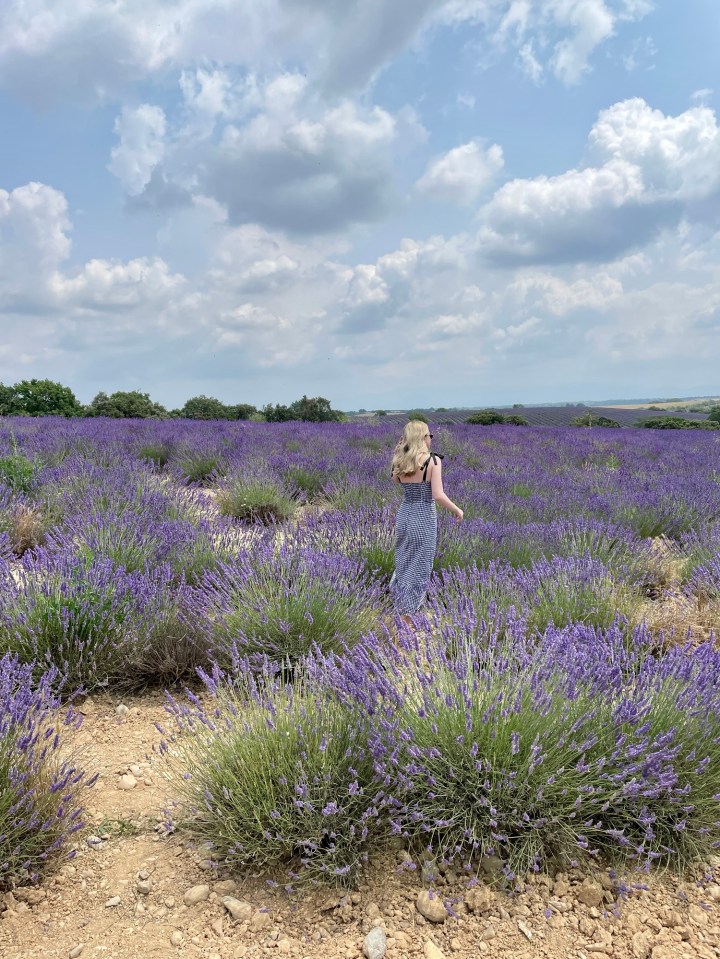
Valensole 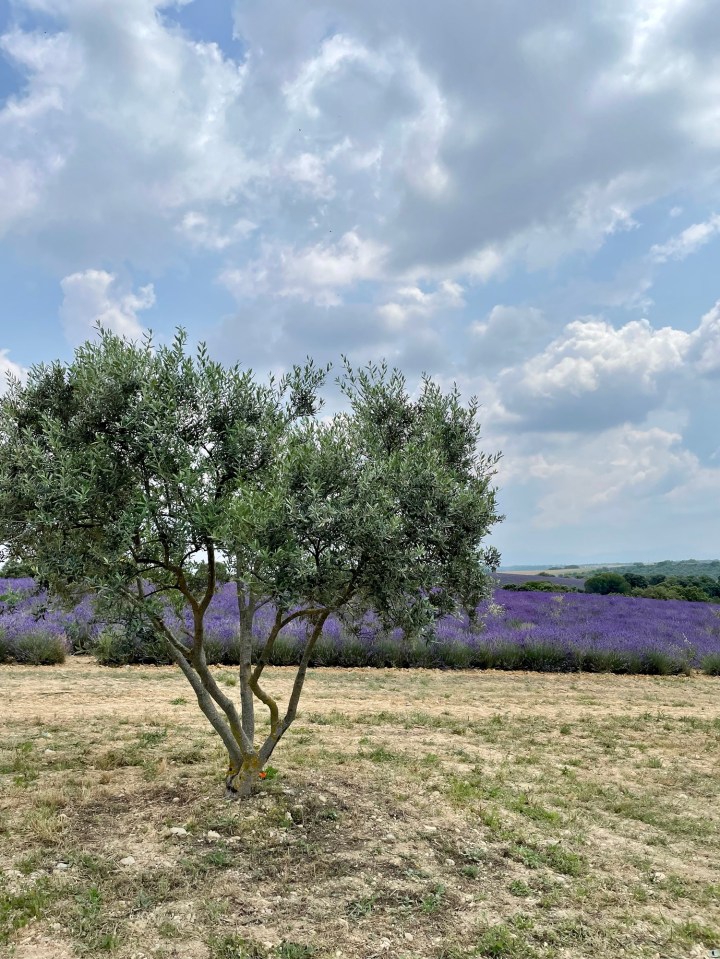
Valensole 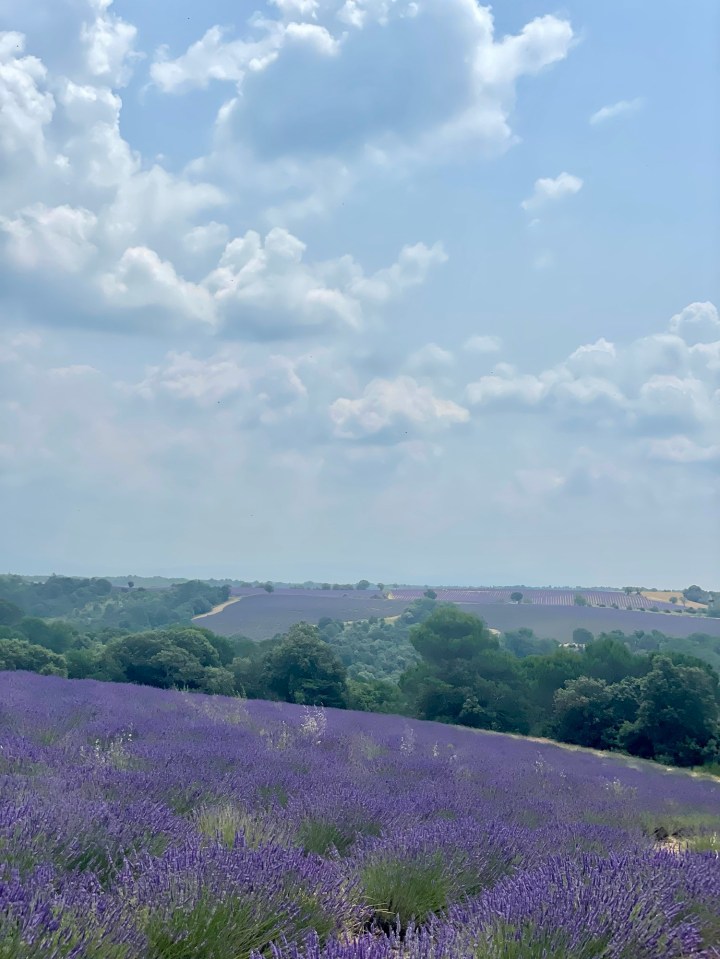
Valensole 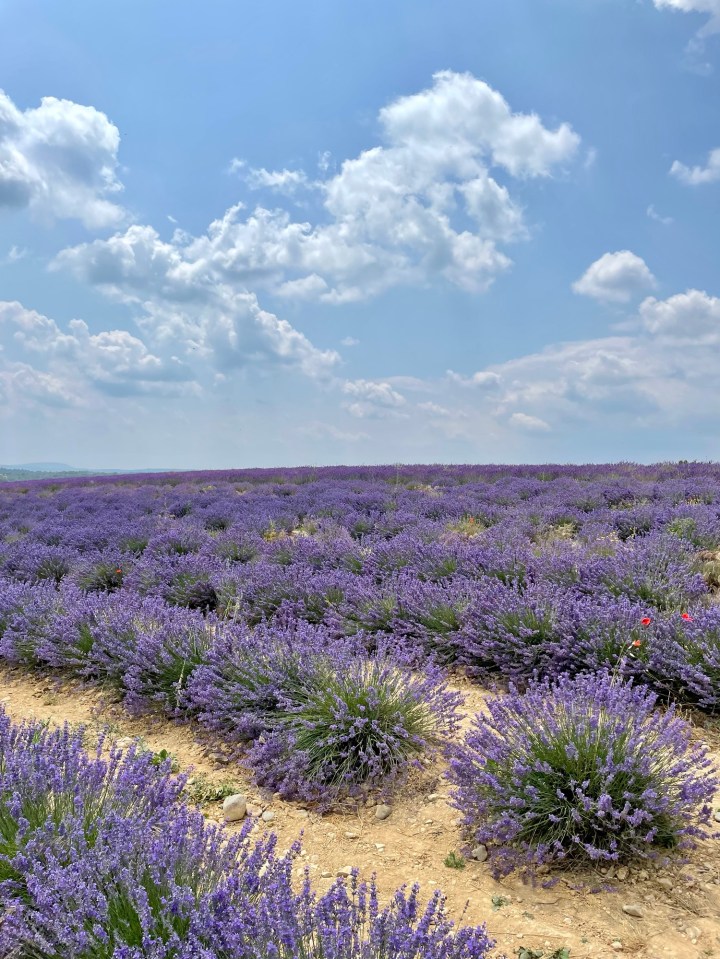
Valensole 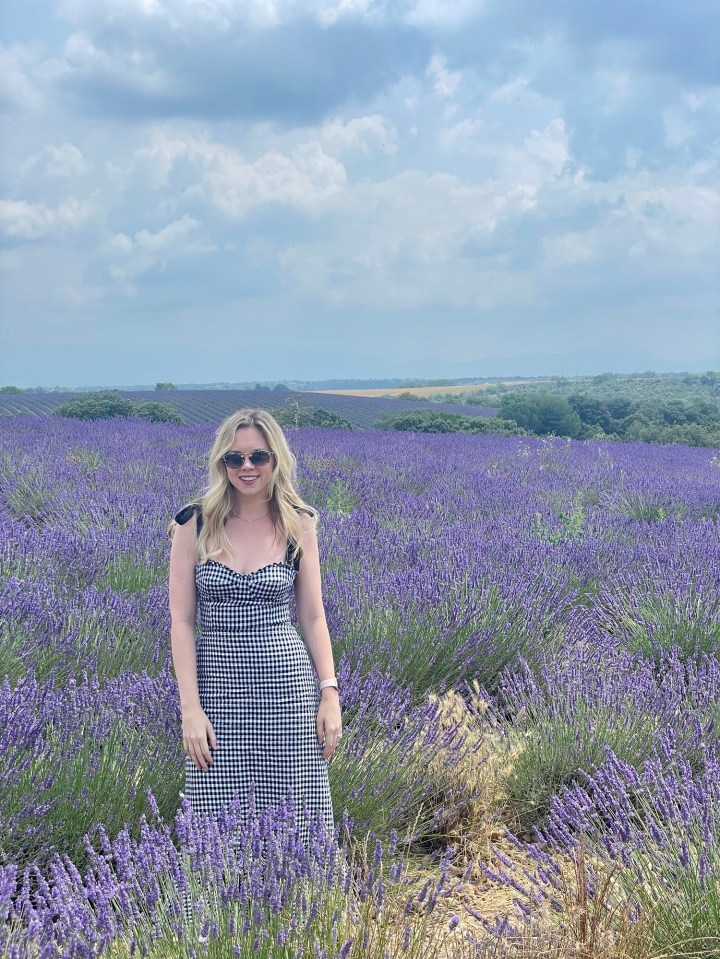
Valensole 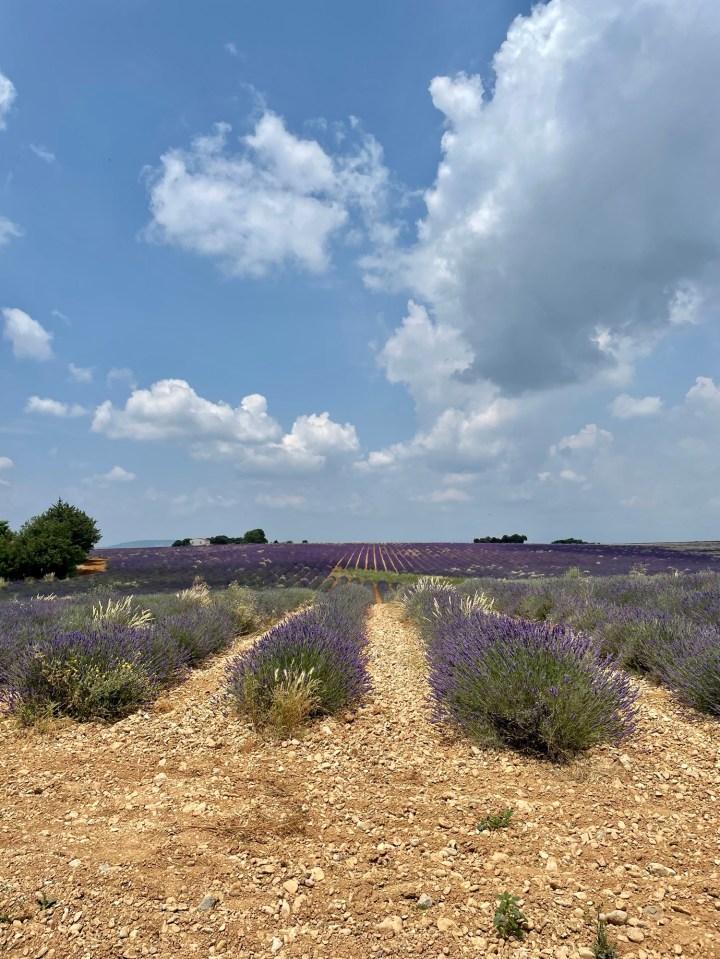
Valensole 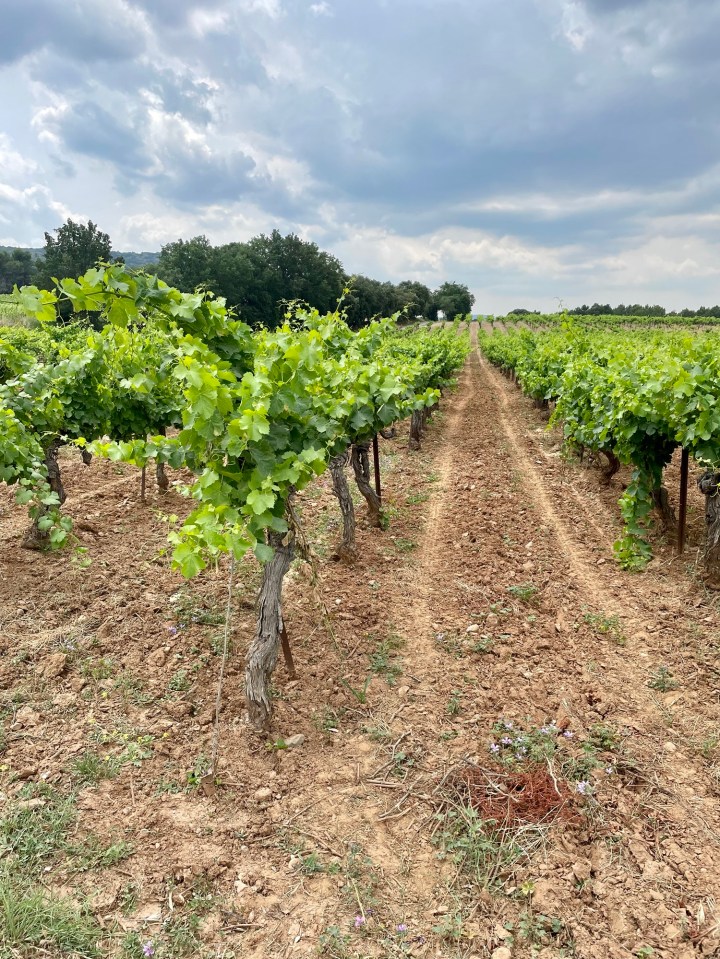
Maison Saint Aix (Jouques) 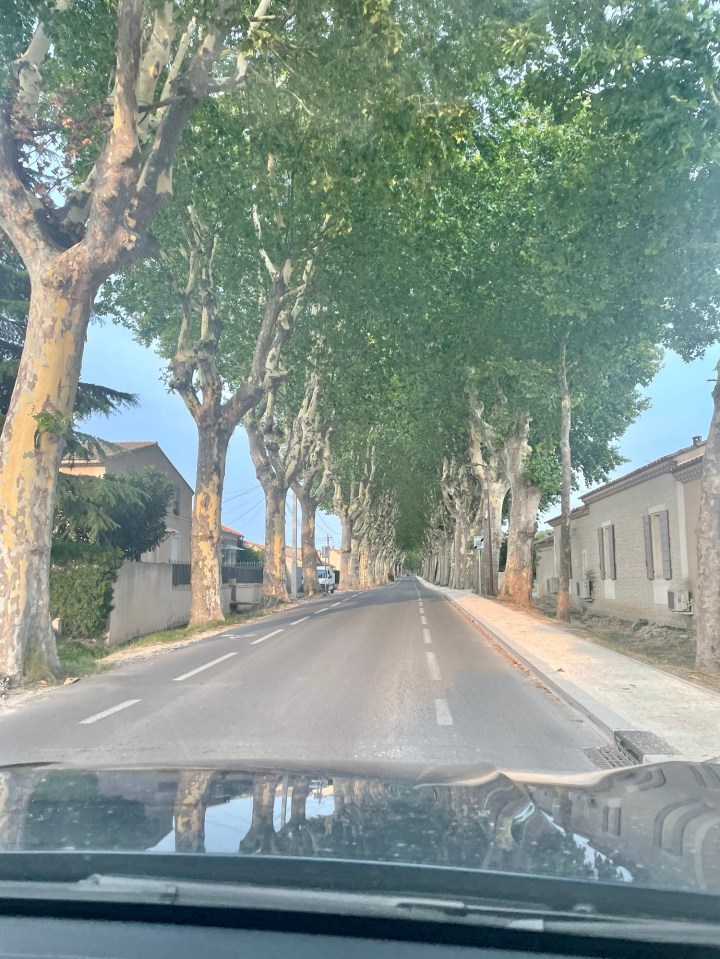
Saint-Rémy-de-Provence 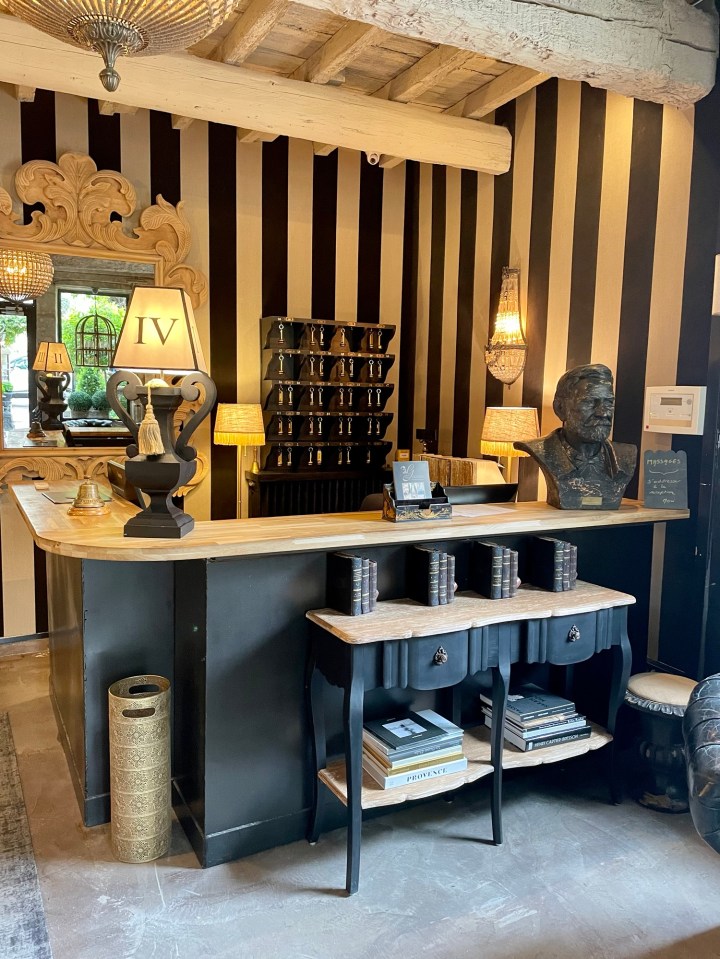
Hôtel Gounod (Saint-Rémy-de-Provence) 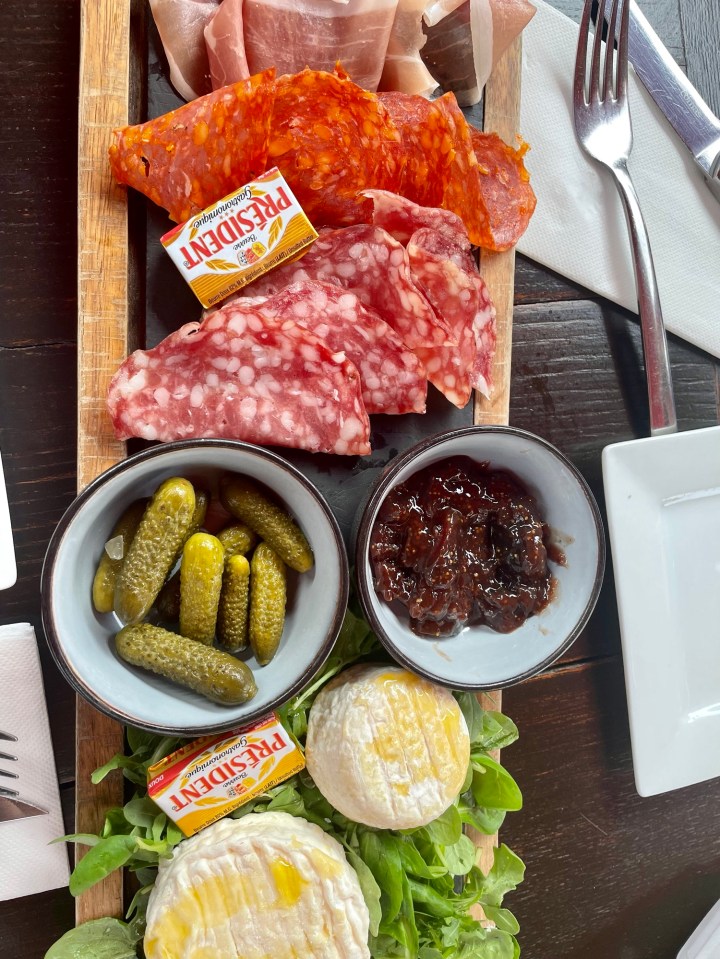
Le Café de la Place (Saint-Rémy-de-Provence) 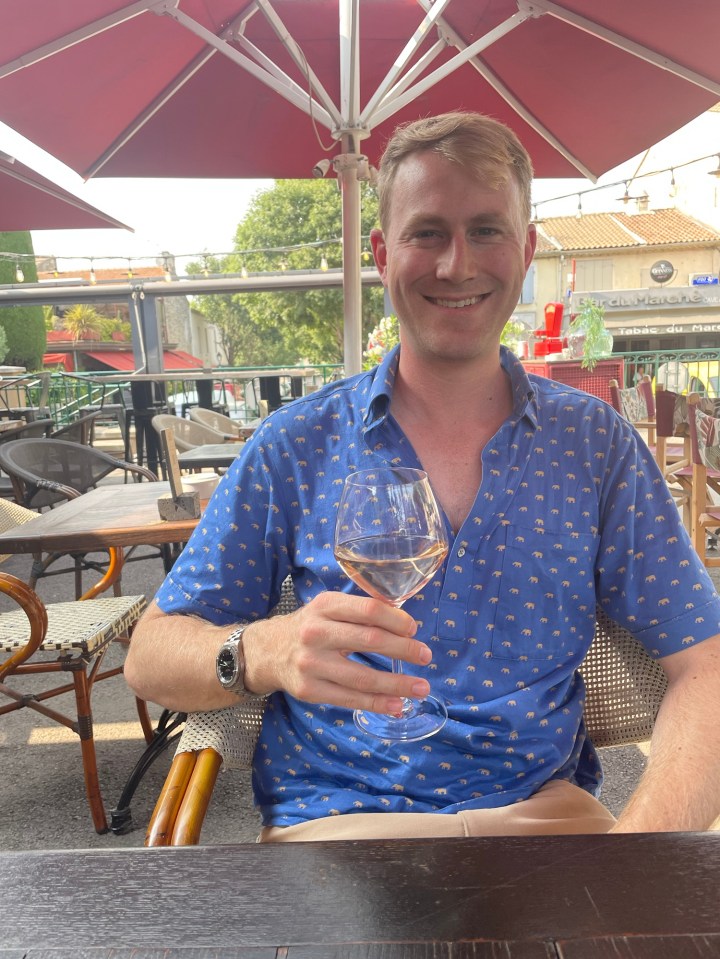
Le Café de la Place (Saint-Rémy-de-Provence) 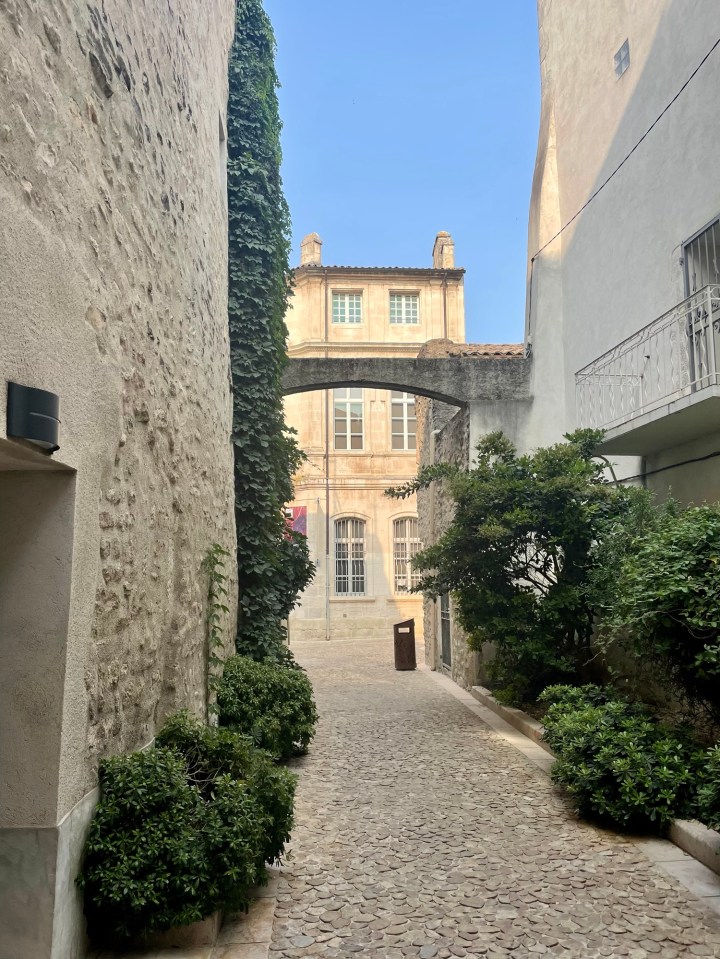
Saint-Rémy-de-Provence 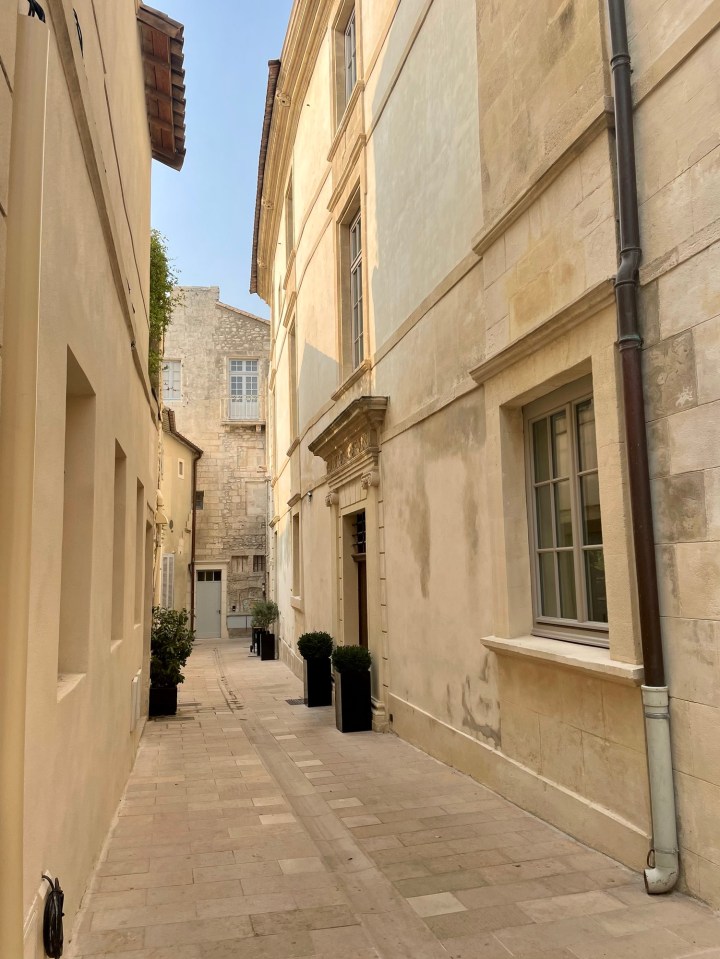
Saint-Rémy-de-Provence 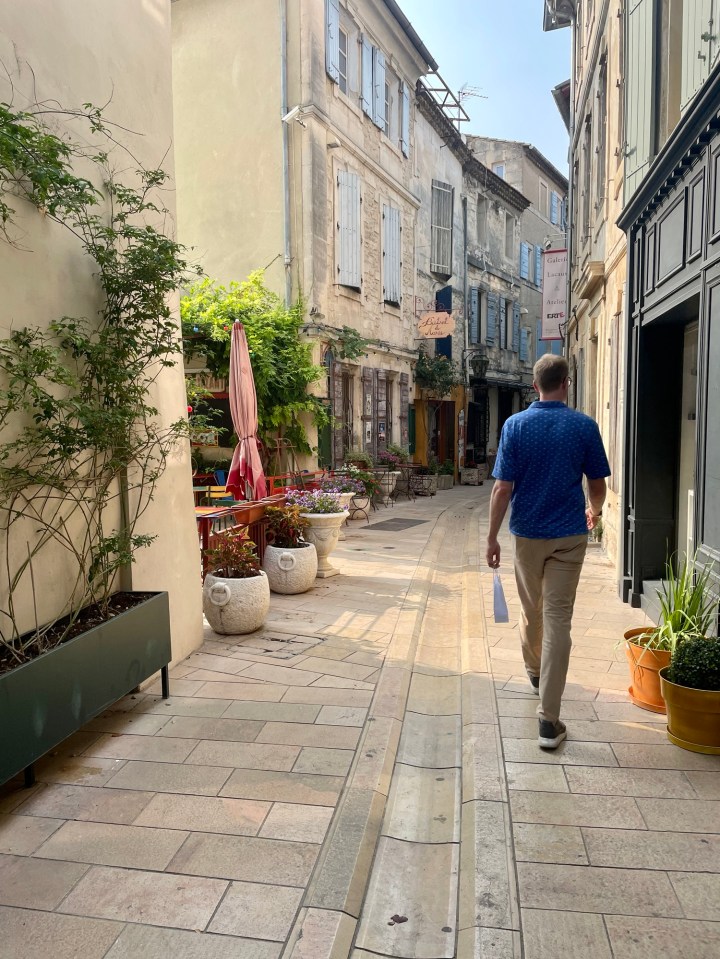
Saint-Rémy-de-Provence 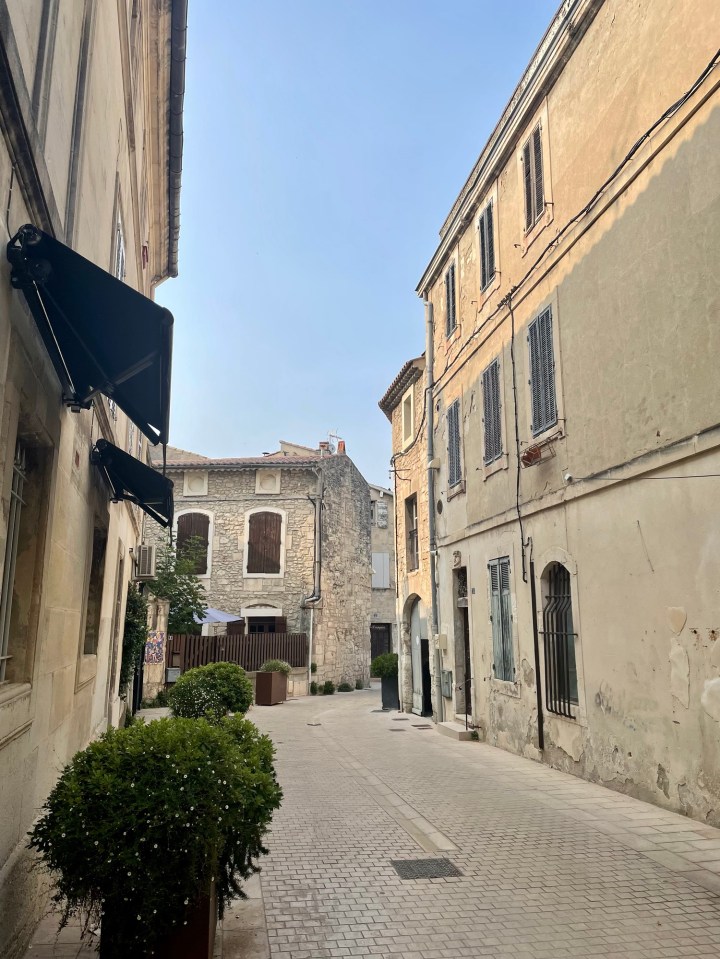
Saint-Rémy-de-Provence 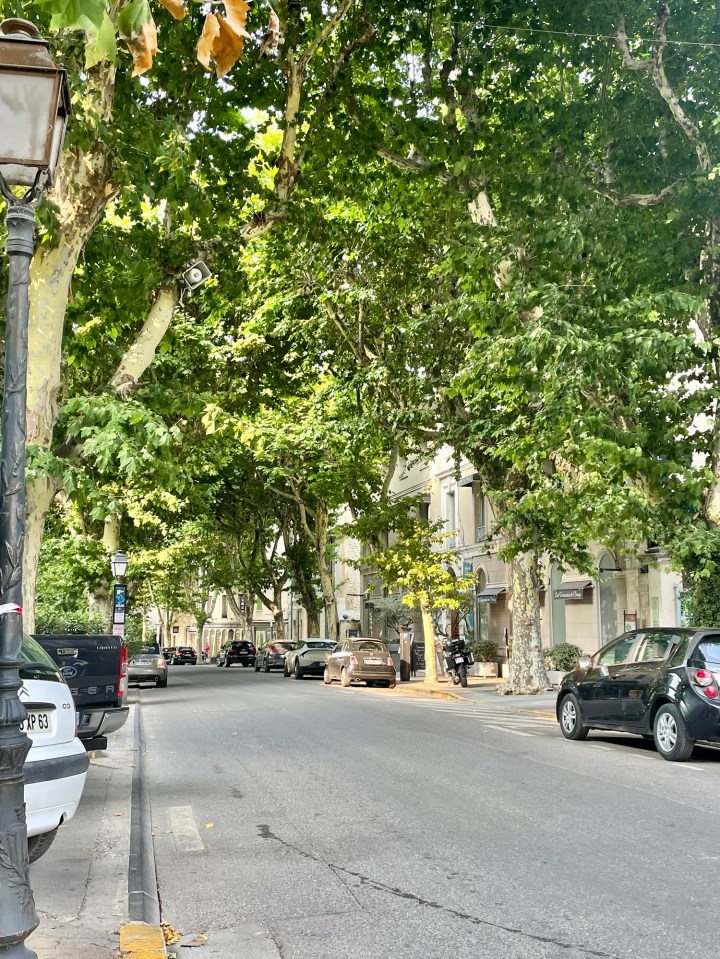
Saint-Rémy-de-Provence 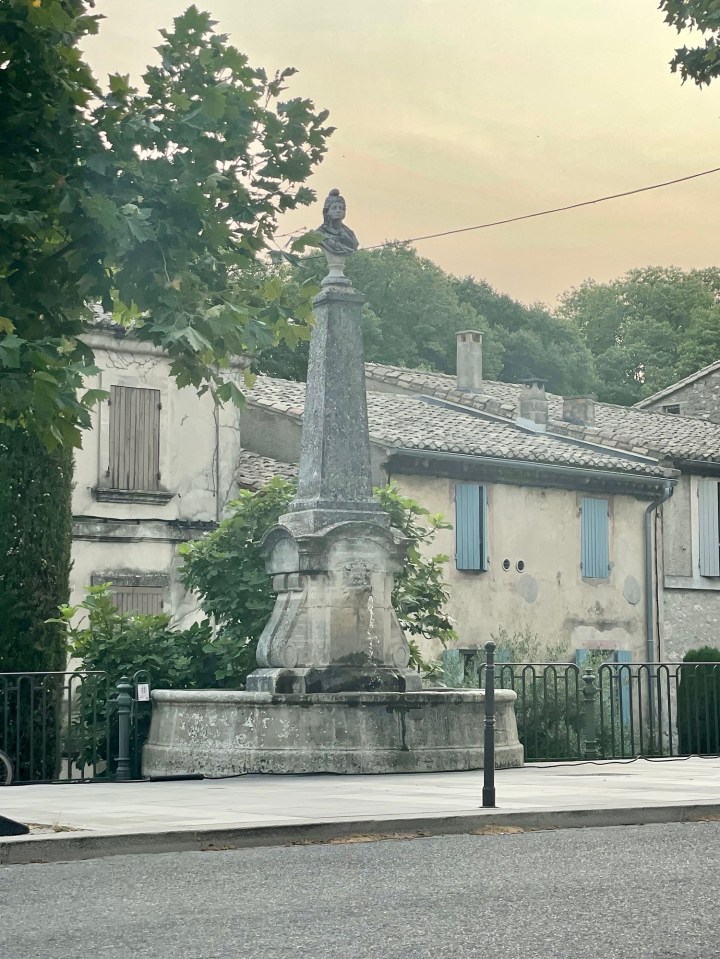
Eygalières 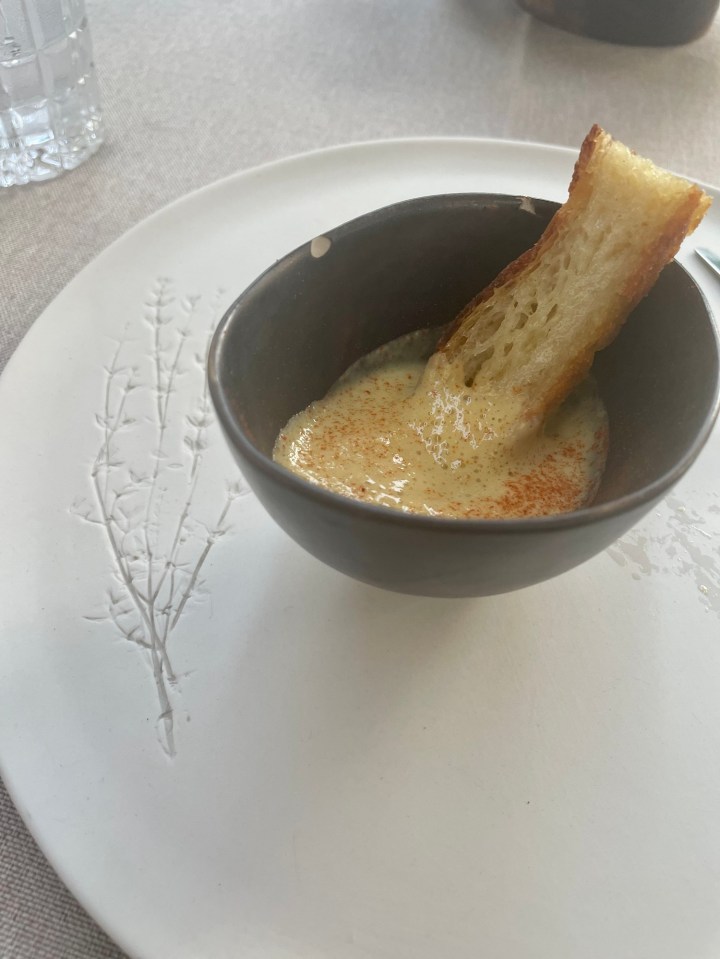
Maison Hache (Eygalières) 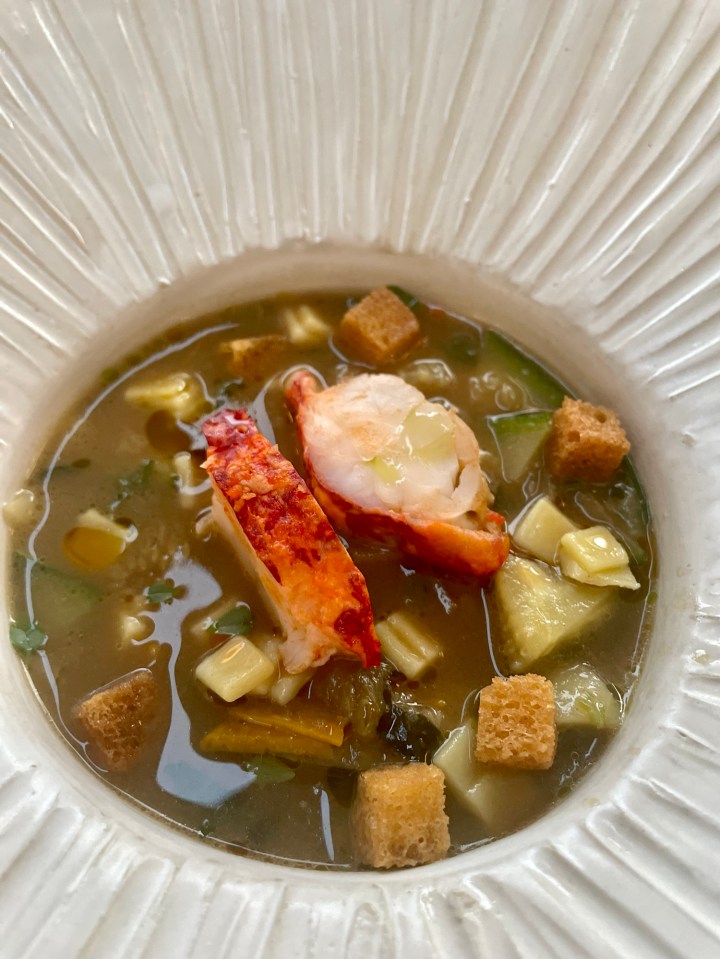
Maison Hache (Eygalières) 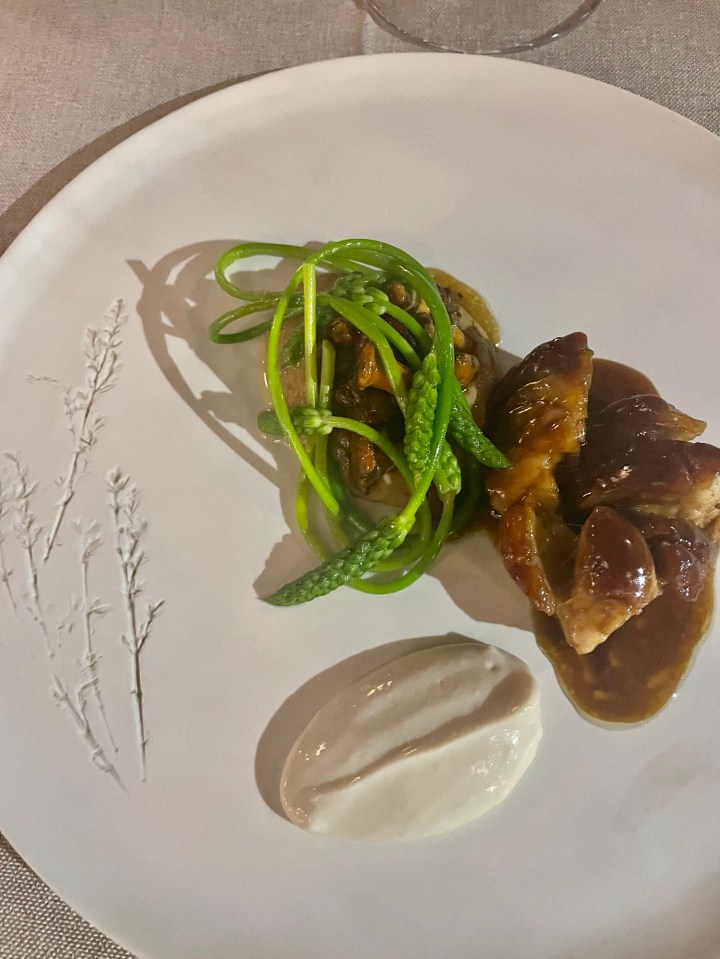
Maison Hache (Eygalières) 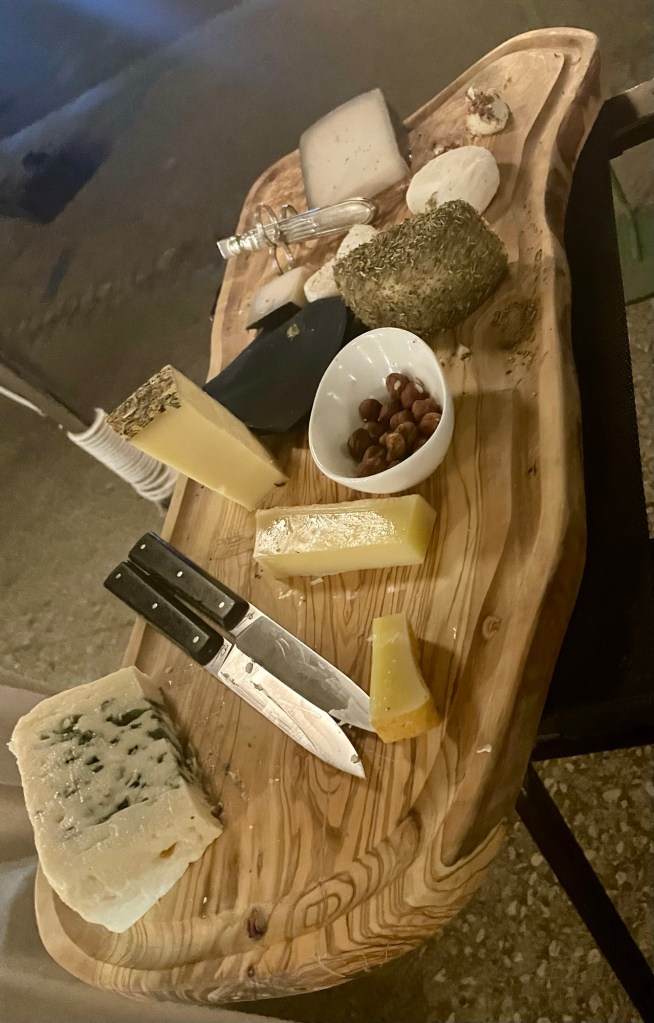
Maison Hache (Eygalières) 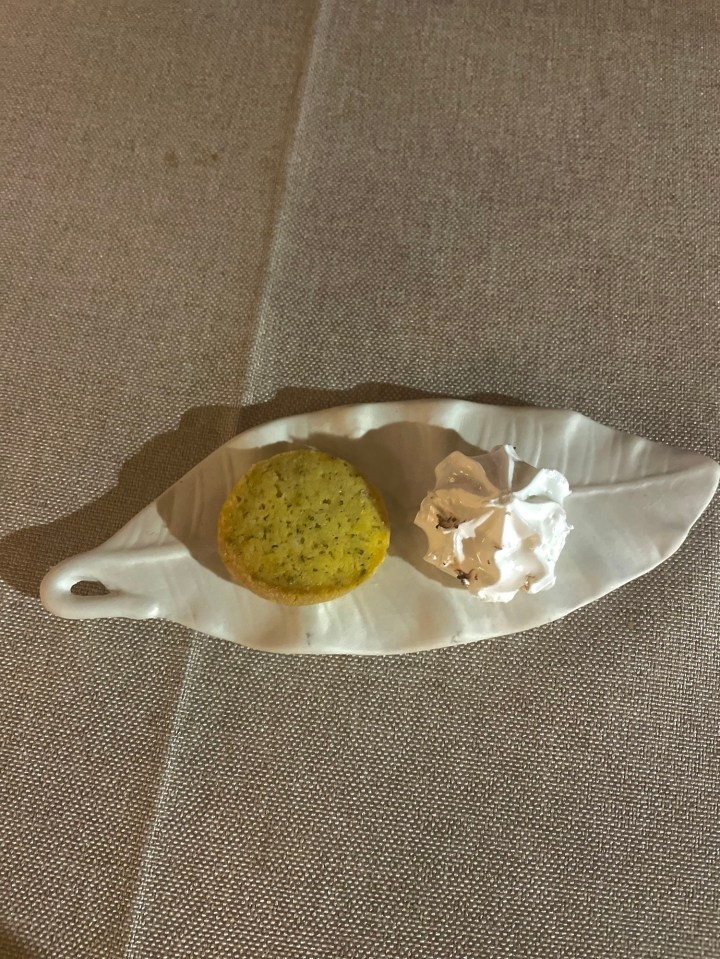
Maison Hache (Eygalières) 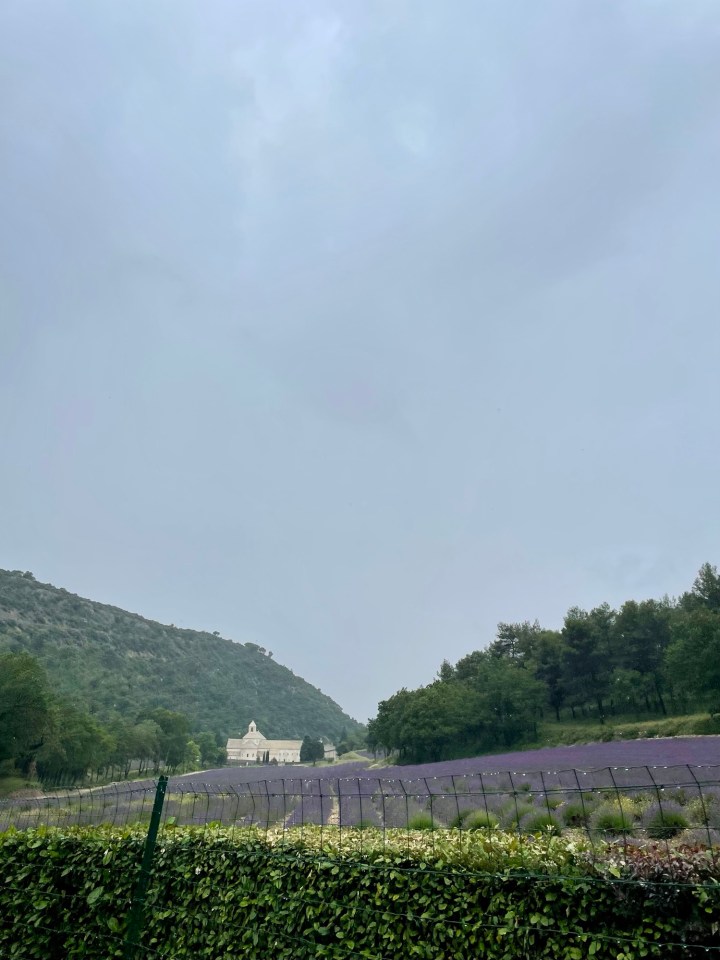
Abbaye Notre-Dame de Sénanque (Gordes) 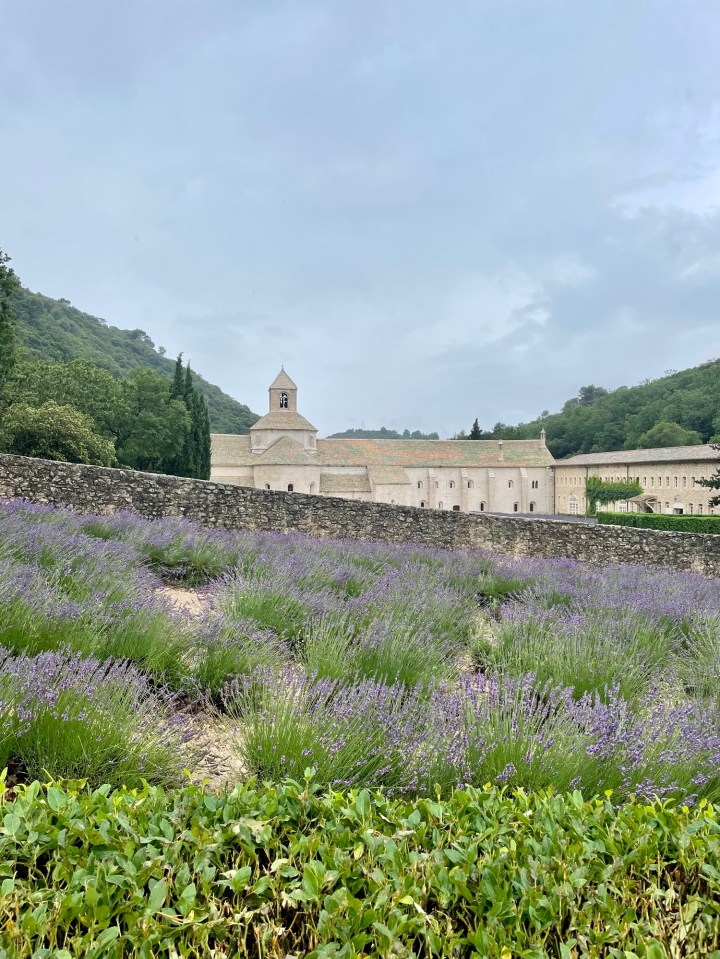
Abbaye Notre-Dame de Sénanque (Gordes) 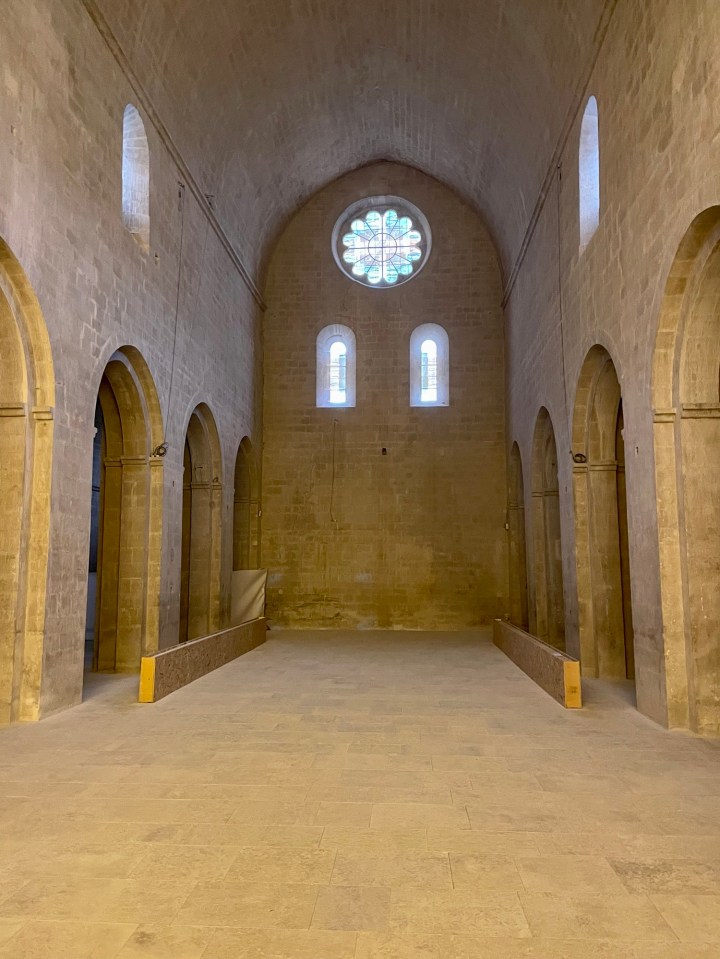
Abbaye Notre-Dame de Sénanque (Gordes) 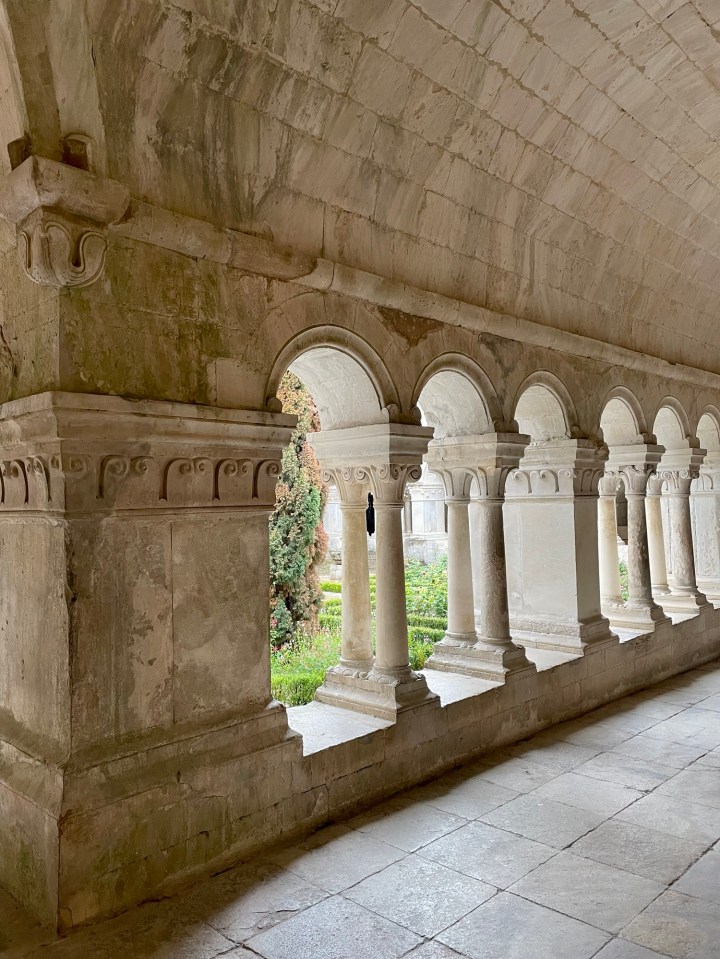
Abbaye Notre-Dame de Sénanque (Gordes) 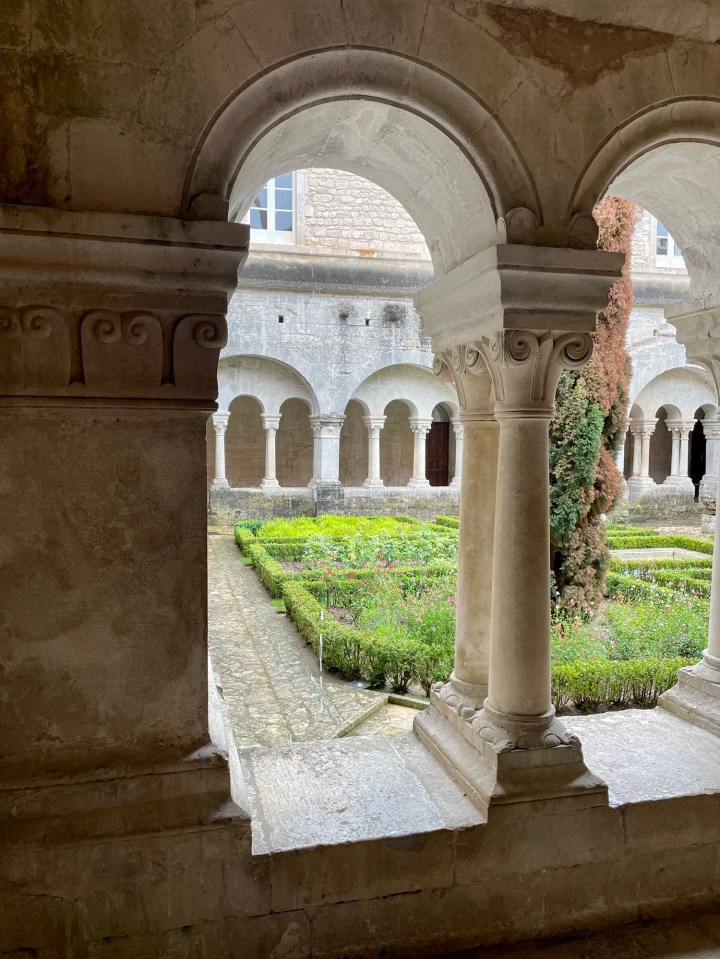
Abbaye Notre-Dame de Sénanque (Gordes) 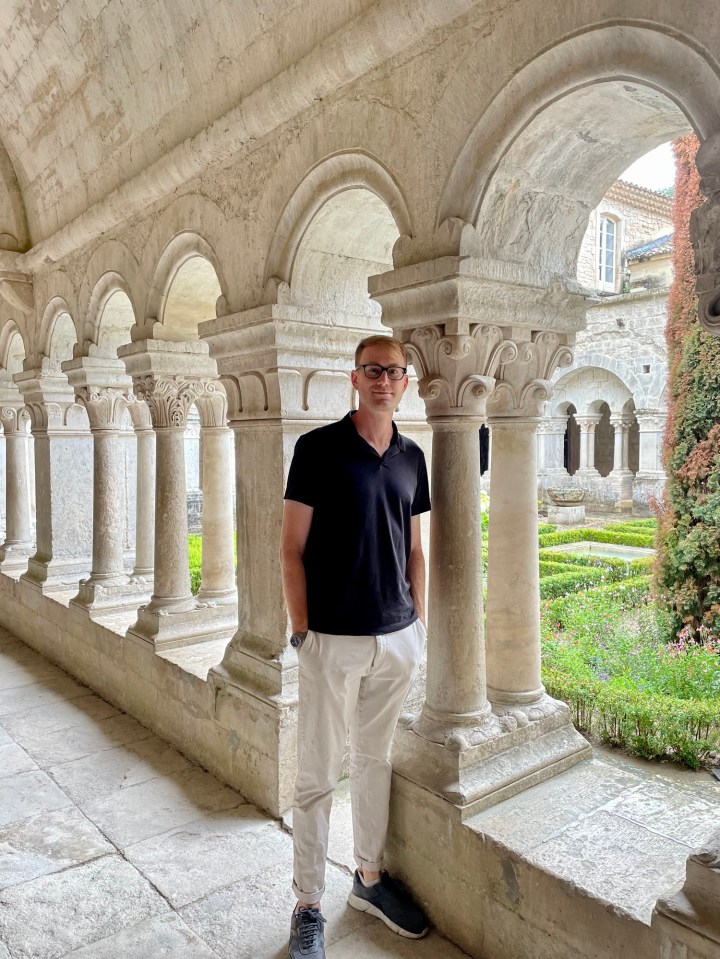
Abbaye Notre-Dame de Sénanque (Gordes) 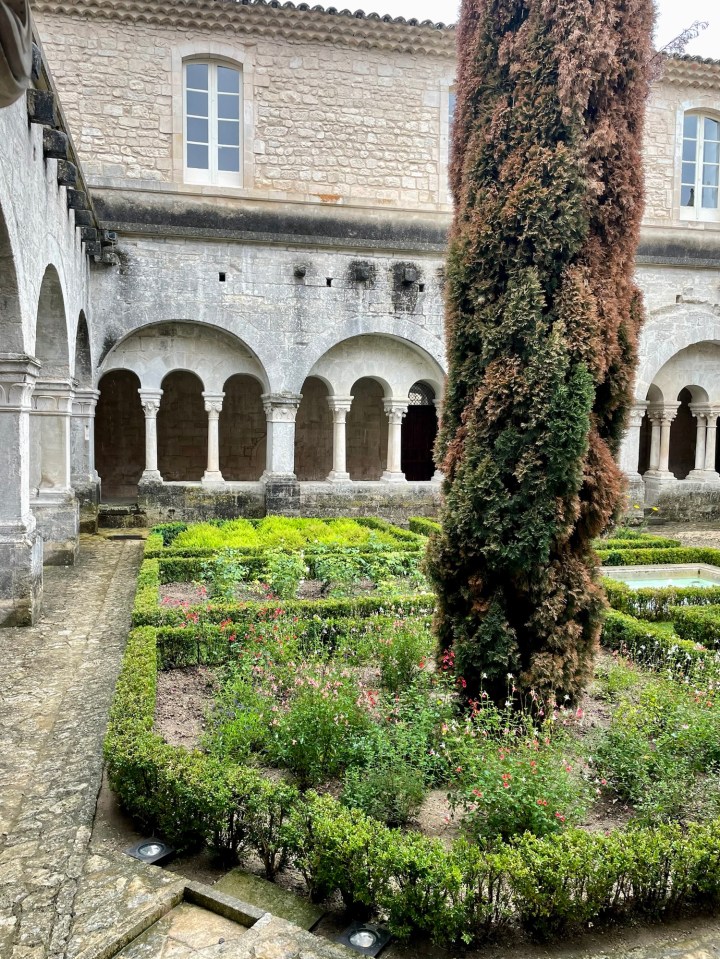
Abbaye Notre-Dame de Sénanque (Gordes) 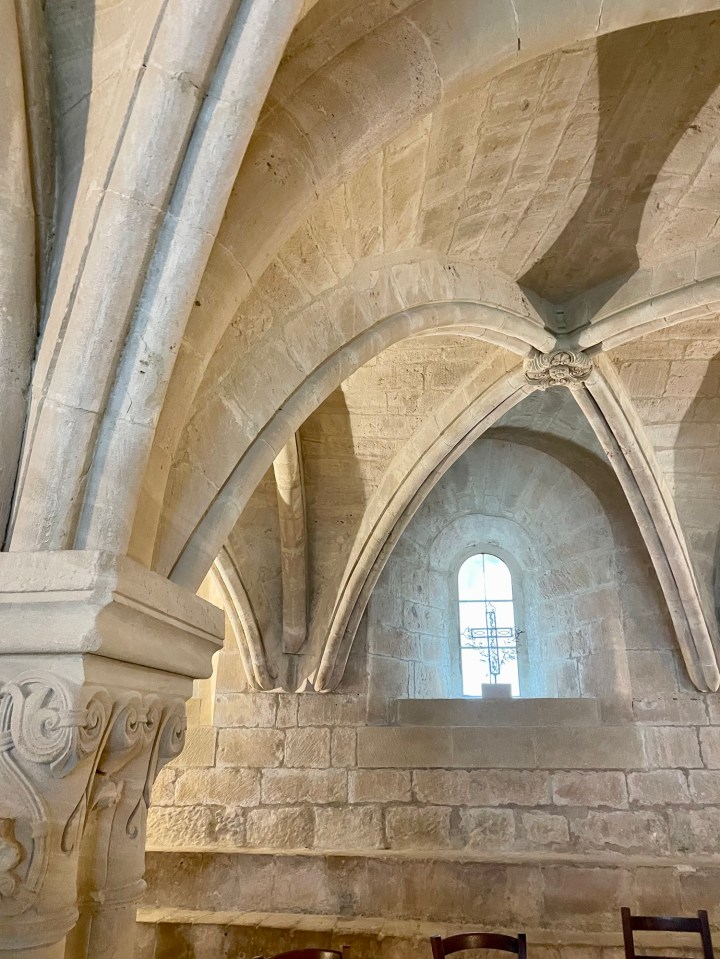
Abbaye Notre-Dame de Sénanque (Gordes) 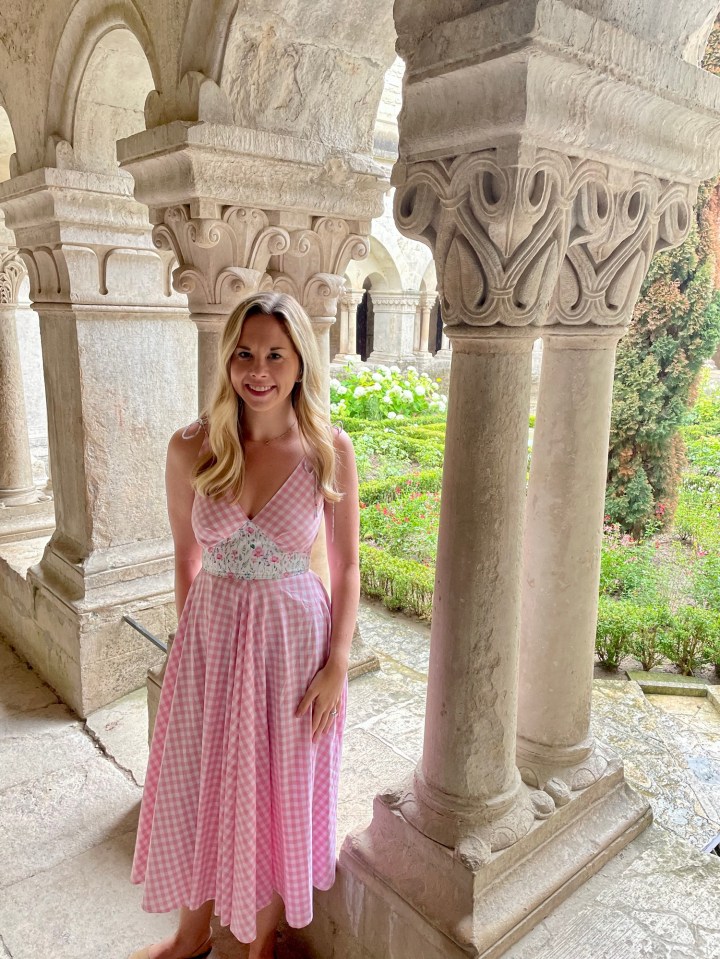
Abbaye Notre-Dame de Sénanque (Gordes) 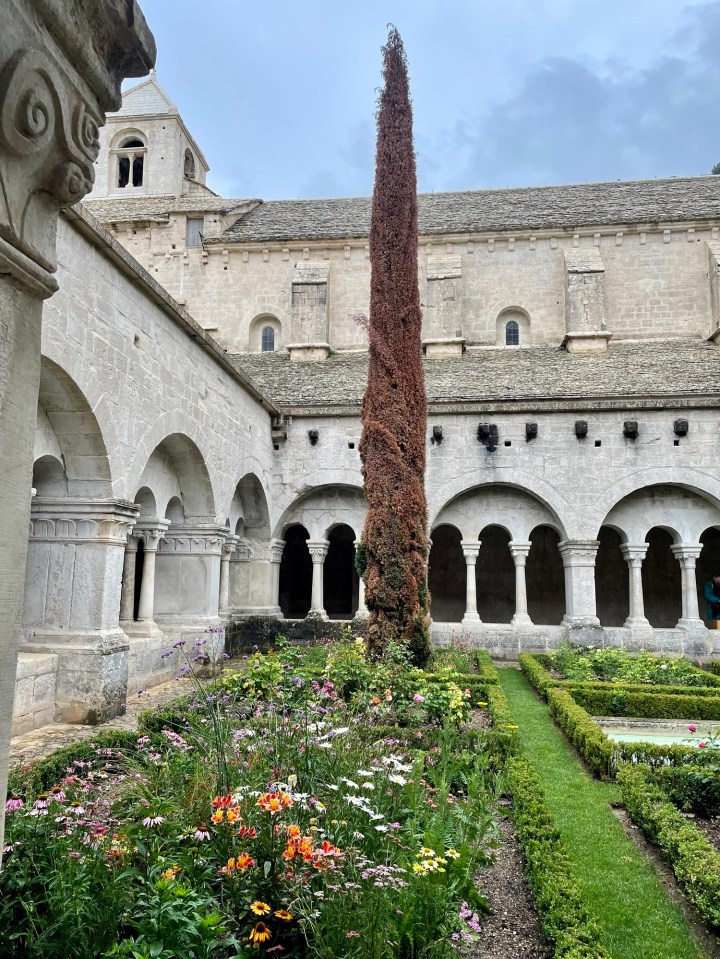
Abbaye Notre-Dame de Sénanque (Gordes) 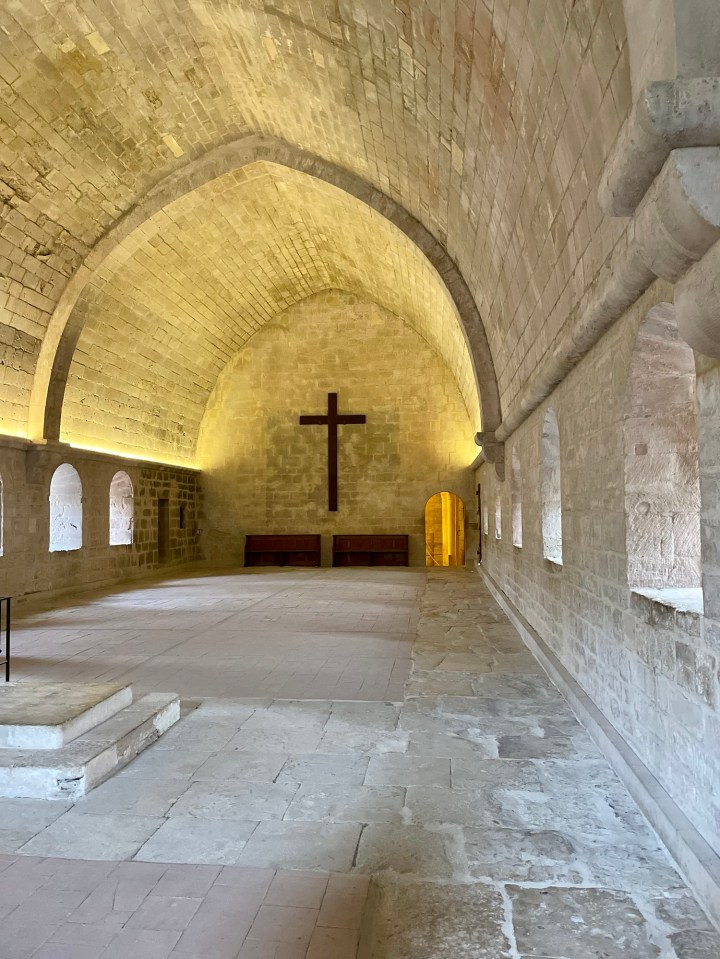
Abbaye Notre-Dame de Sénanque (Gordes) 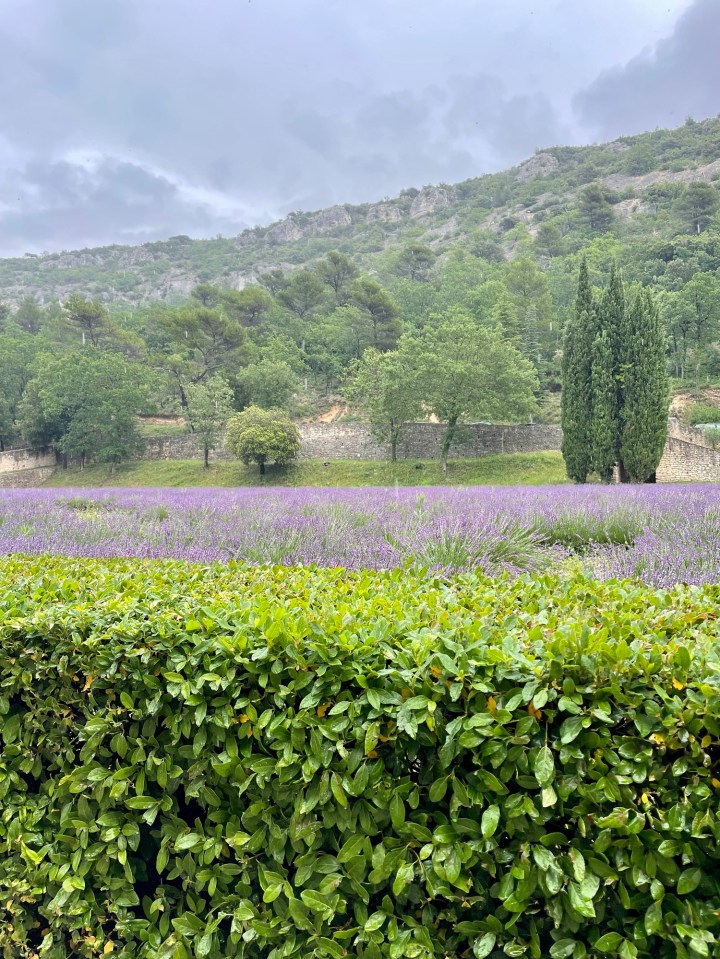
Abbaye Notre-Dame de Sénanque (Gordes) 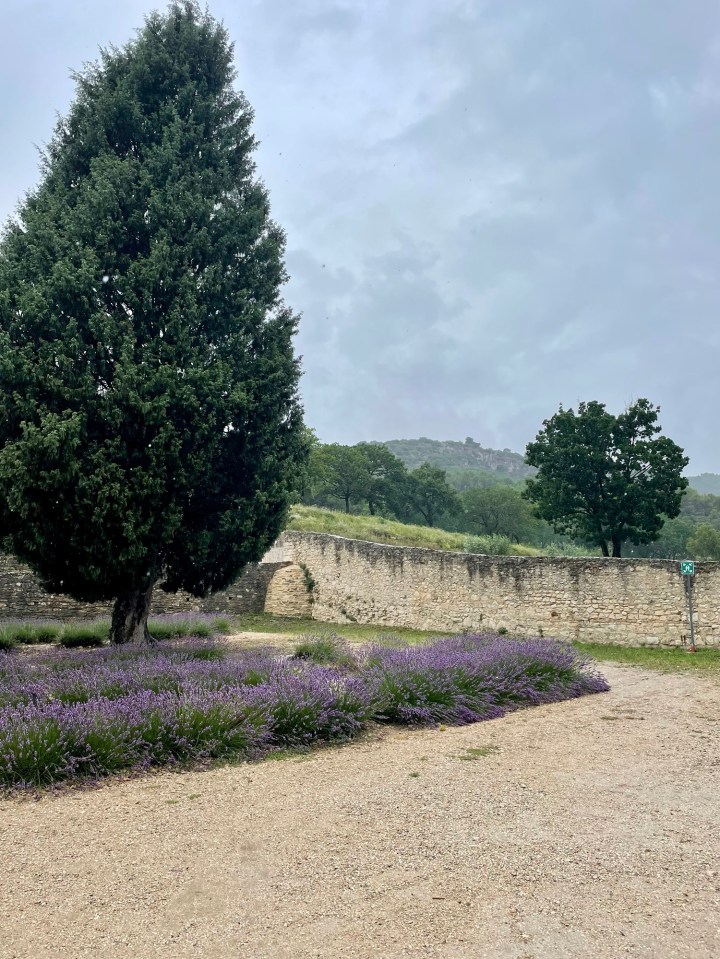
Abbaye Notre-Dame de Sénanque (Gordes) 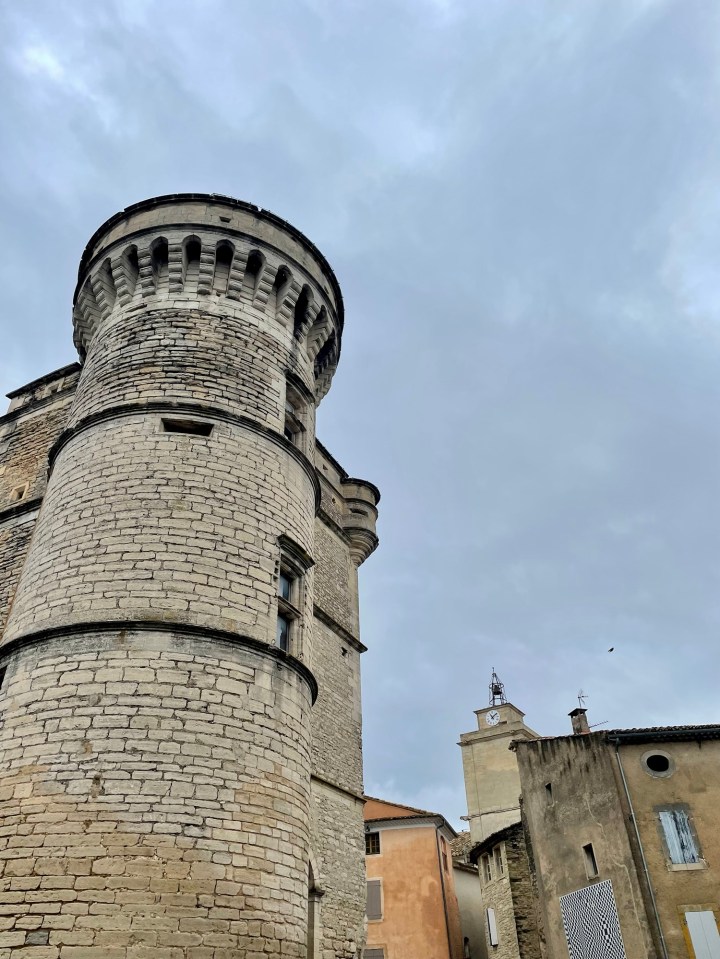
Gordes 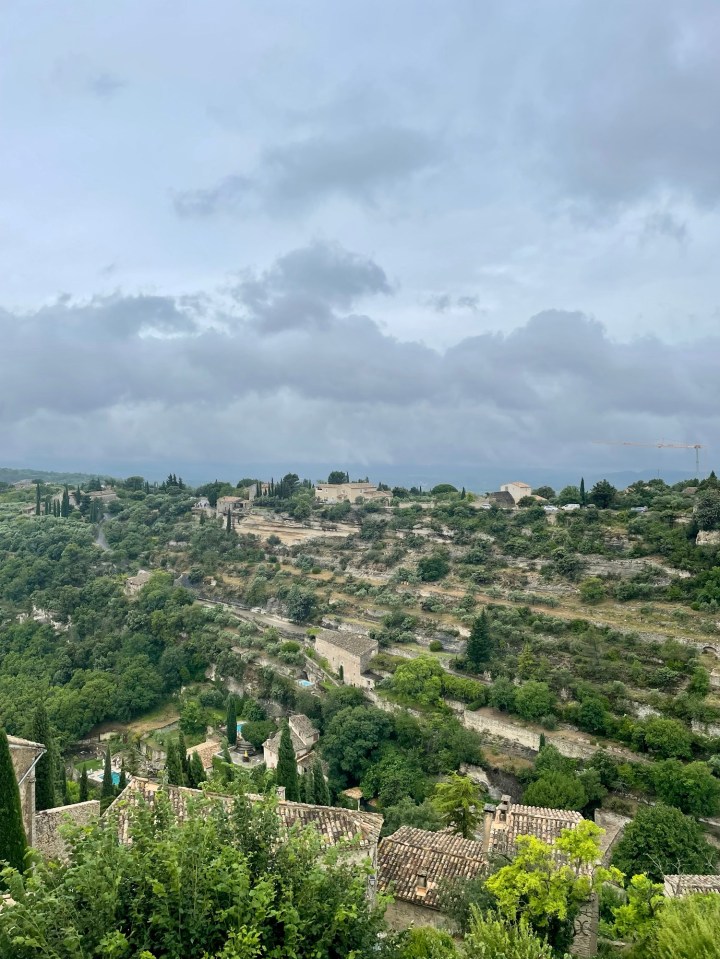
Gordes 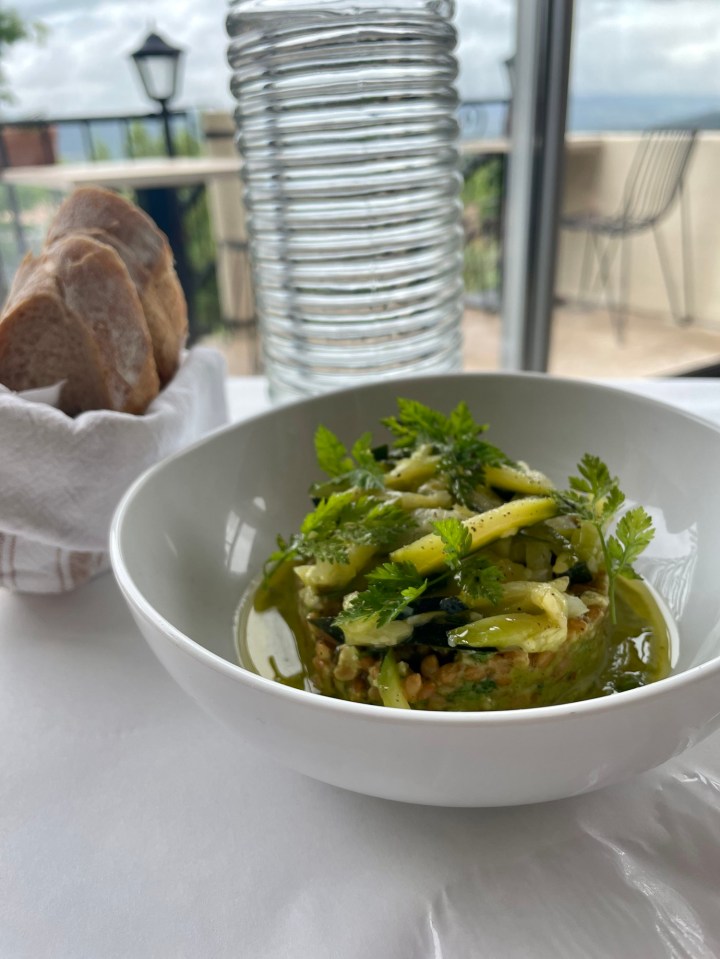
Le Saint Hubert (Gordes) 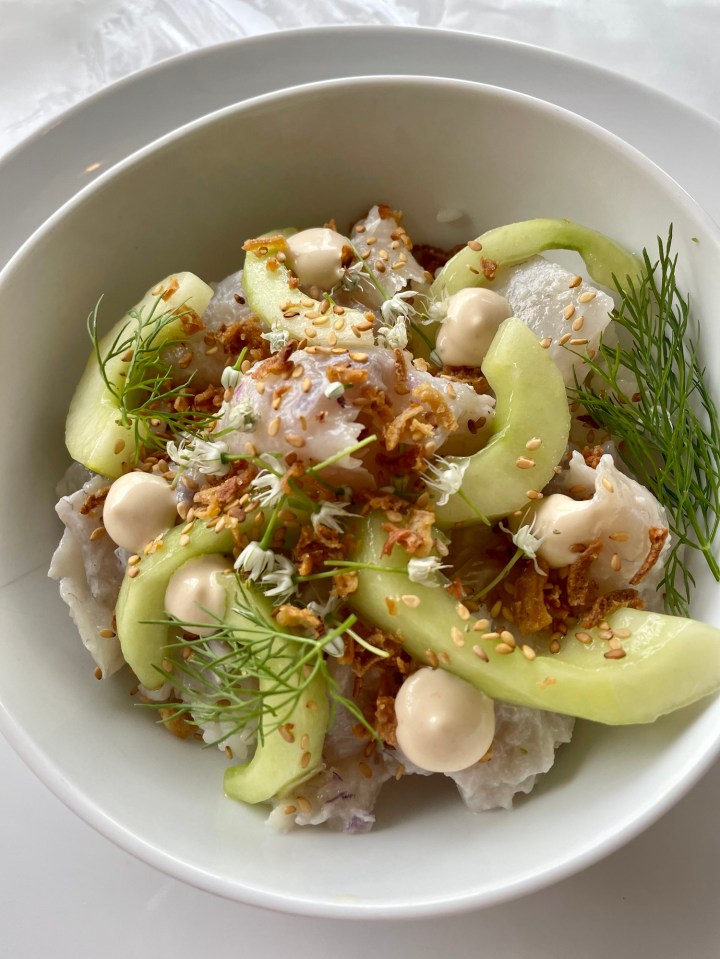
Le Saint Hubert (Gordes) 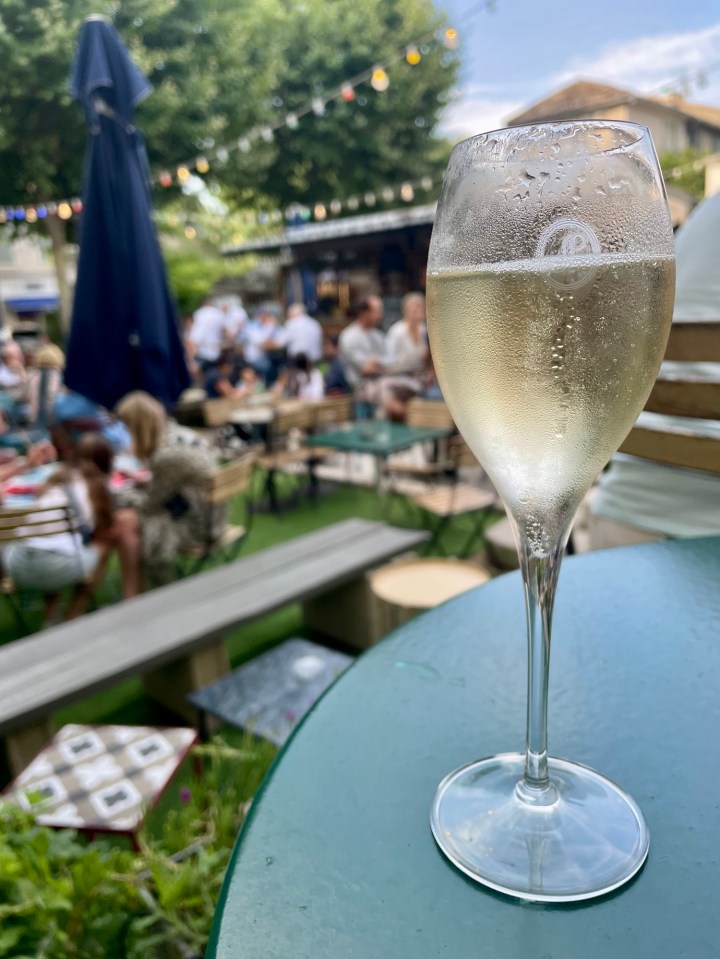
Bistrot Les Pieds dans l’Eau (Saint-Rémy-de-Provence) 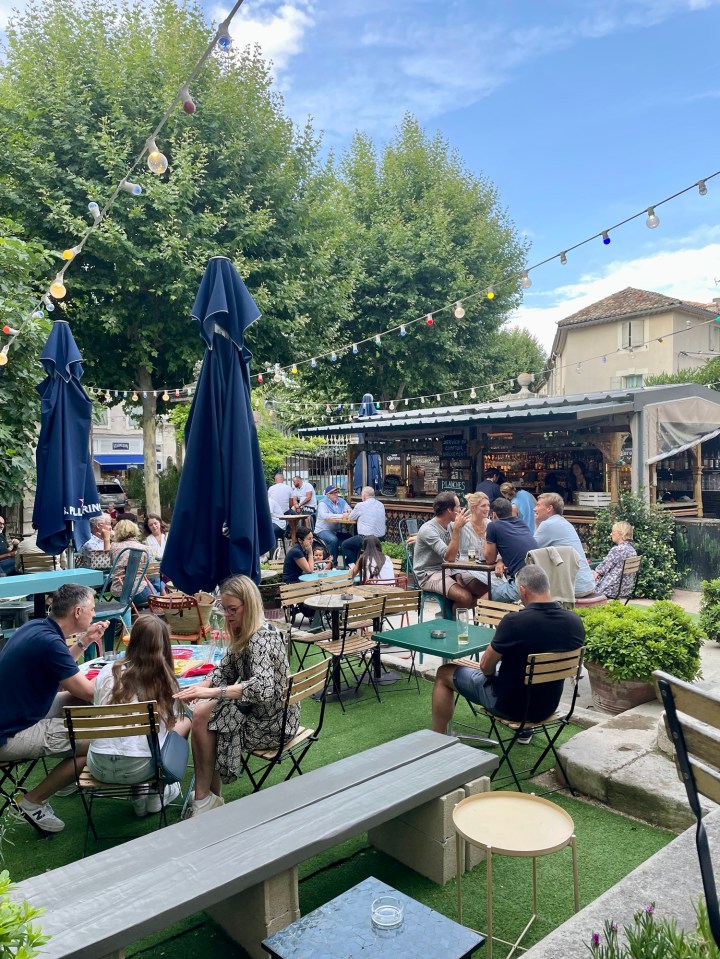
Bistrot Les Pieds dans l’Eau (Saint-Rémy-de-Provence) 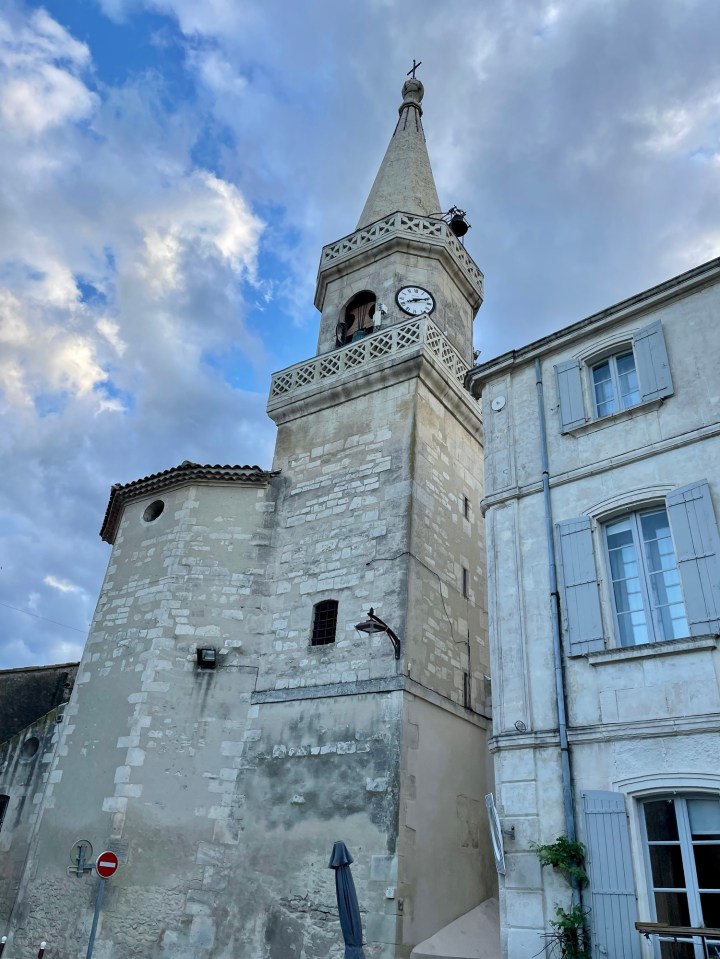
Maillane 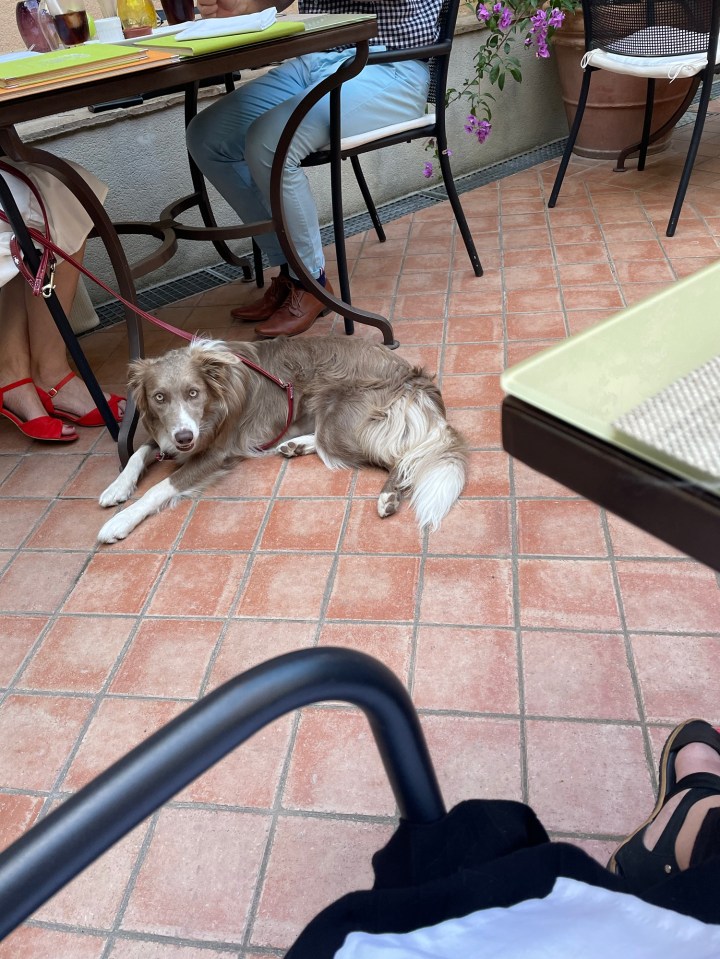
We made friends with this dog, named Tequila, during dinner at Restaurant L’Oustalet Maianen in Maillane 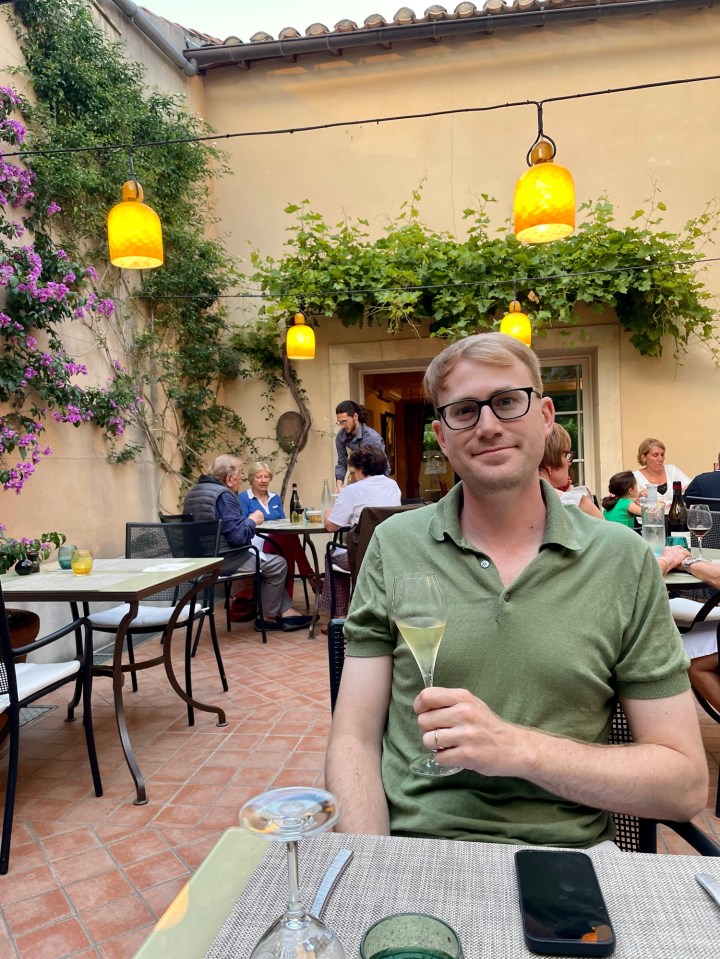
Restaurant L’Oustalet Maianen (Maillane) 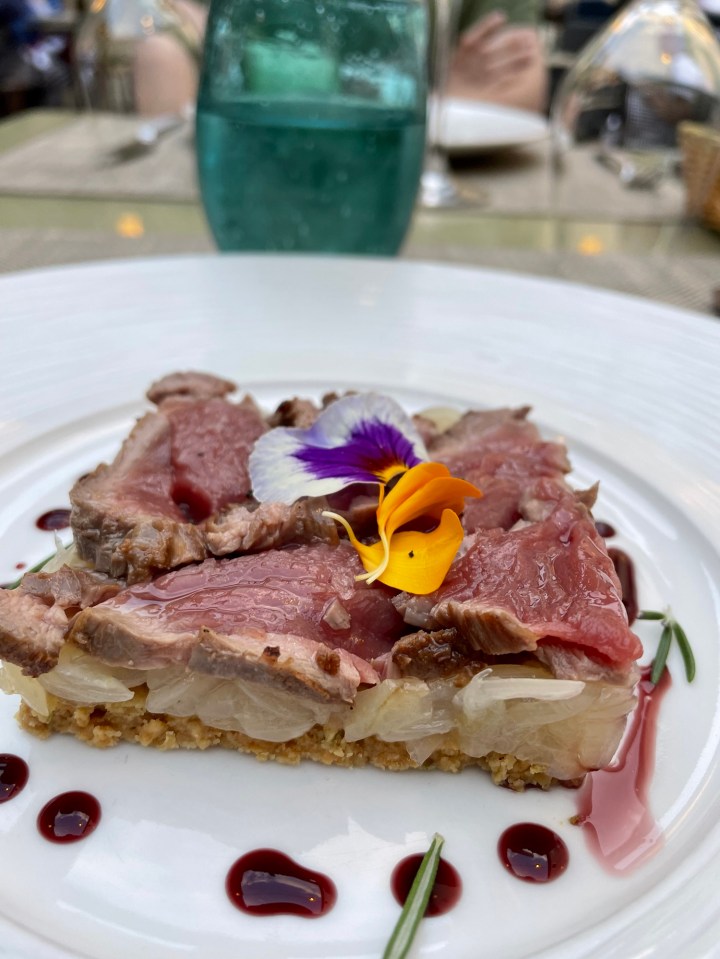
Restaurant L’Oustalet Maianen (Maillane) 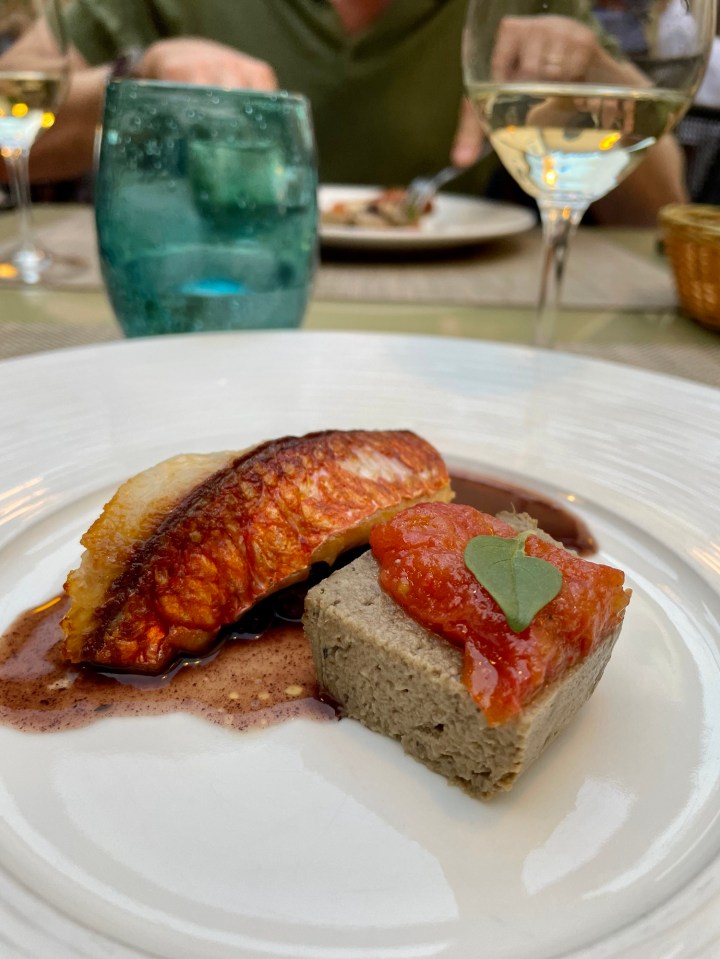
Restaurant L’Oustalet Maianen (Maillane) 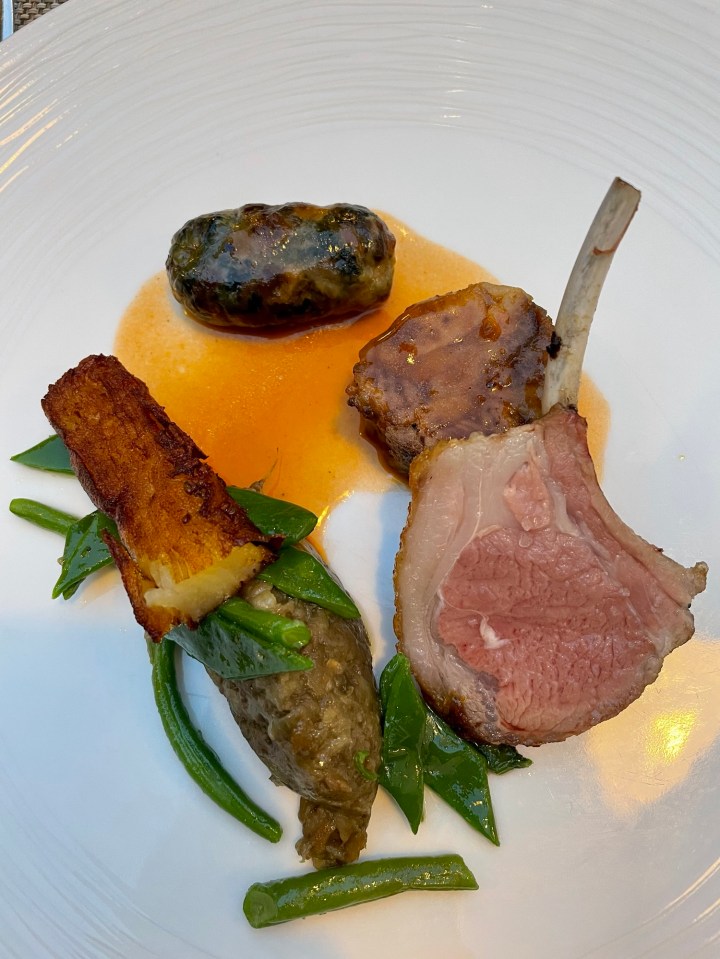
Restaurant L’Oustalet Maianen (Maillane) 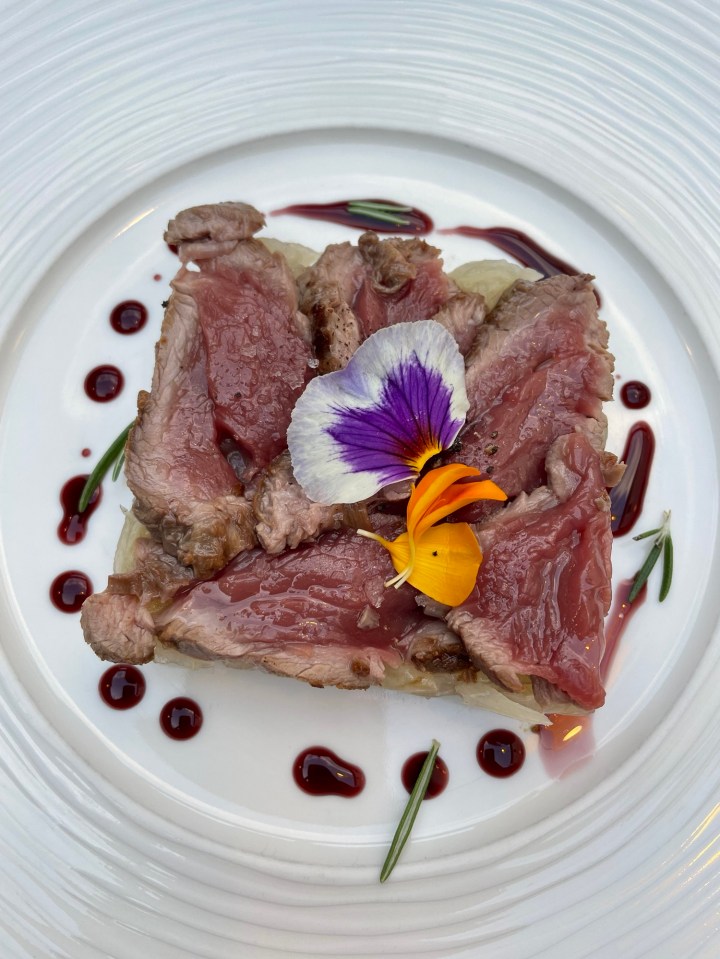
Restaurant L’Oustalet Maianen (Maillane) 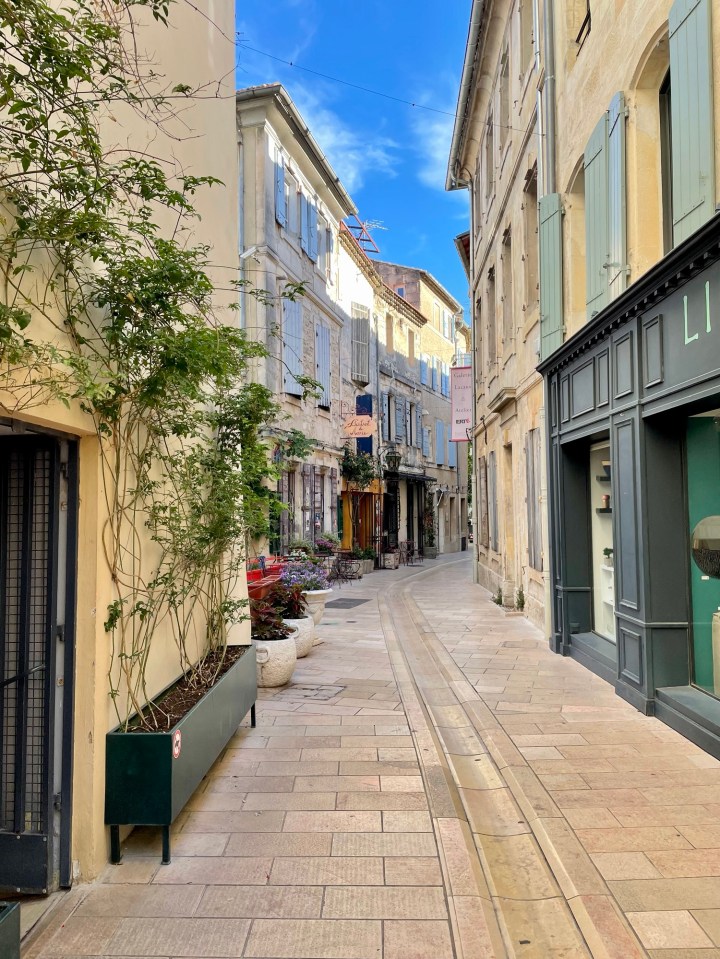
Saint-Rémy-de-Provence 
Saint-Rémy-de-Provence 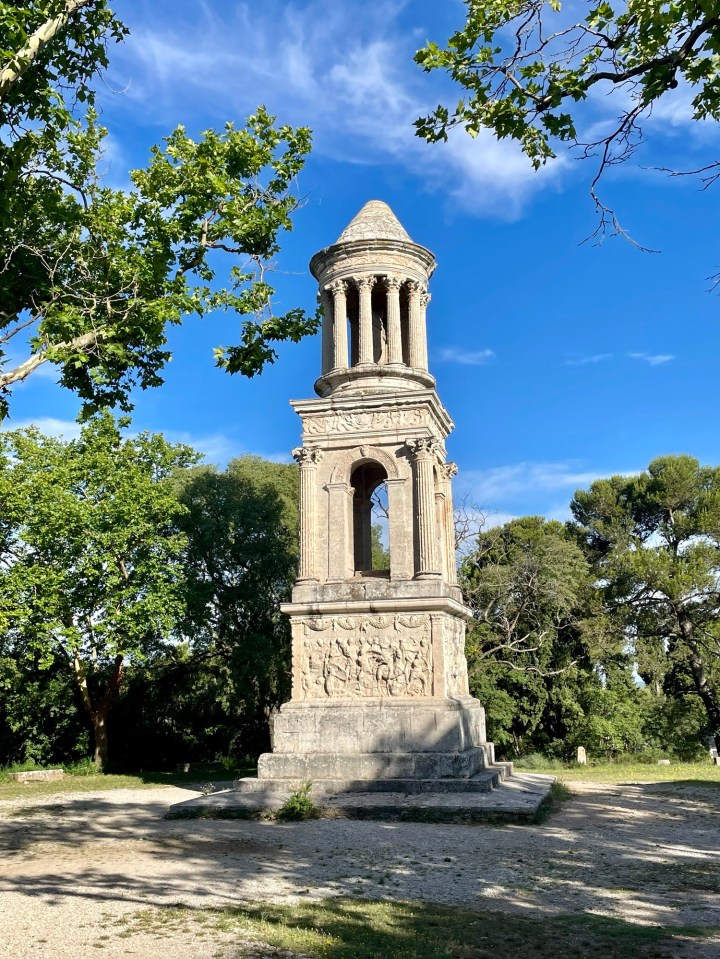
Roman ruins at Glanum (Saint-Rémy-de-Provence) 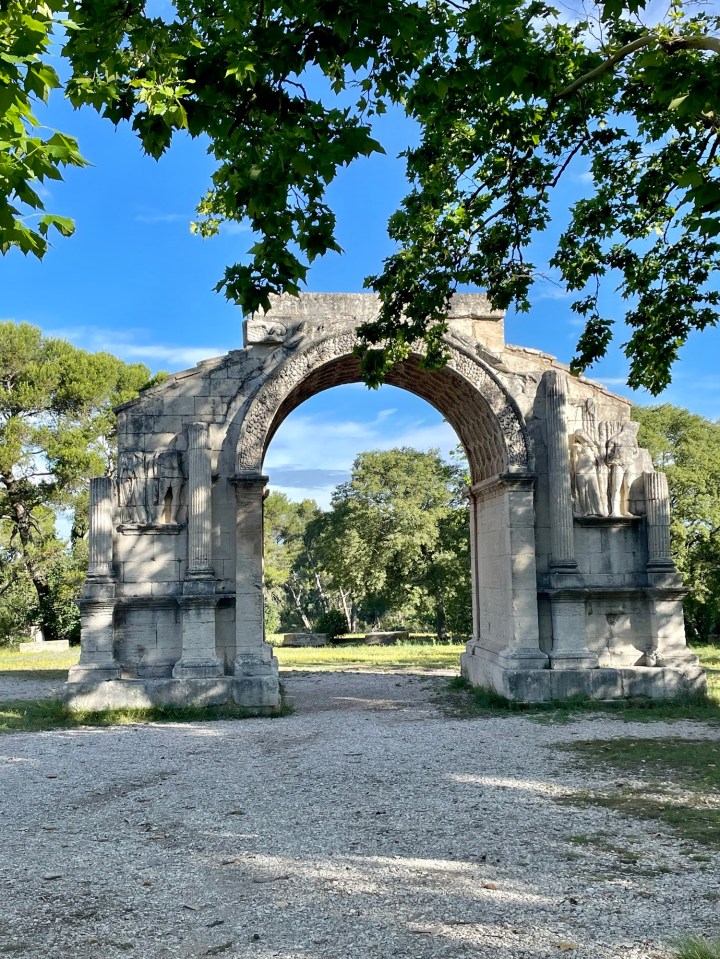
Roman ruins at Glanum (Saint-Rémy-de-Provence) 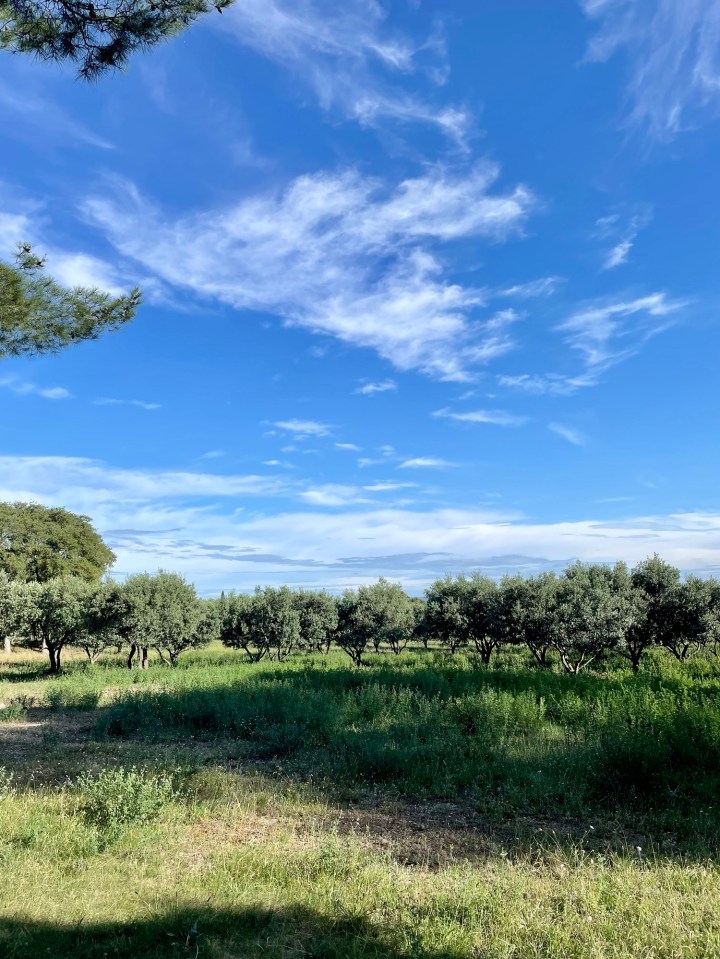
Olive trees surrounding Monastère Saint-Paul de Mausole (Saint-Rémy-de-Provence) that van Gogh featured in paintings while he was a patient at the asylum 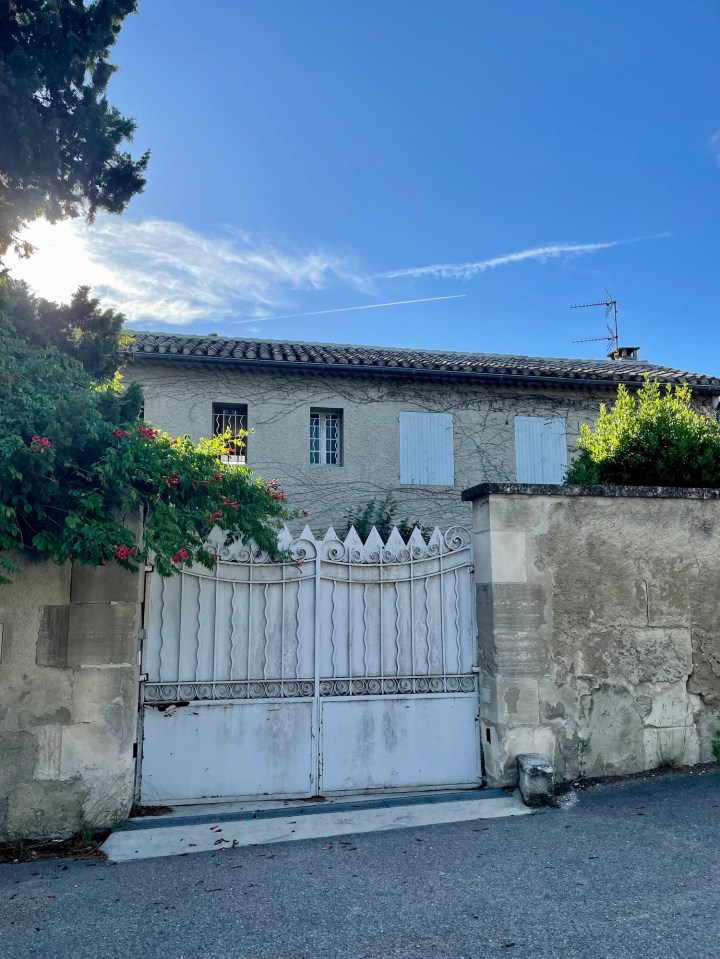
Monastère Saint-Paul de Mausole (Saint-Rémy-de-Provence) 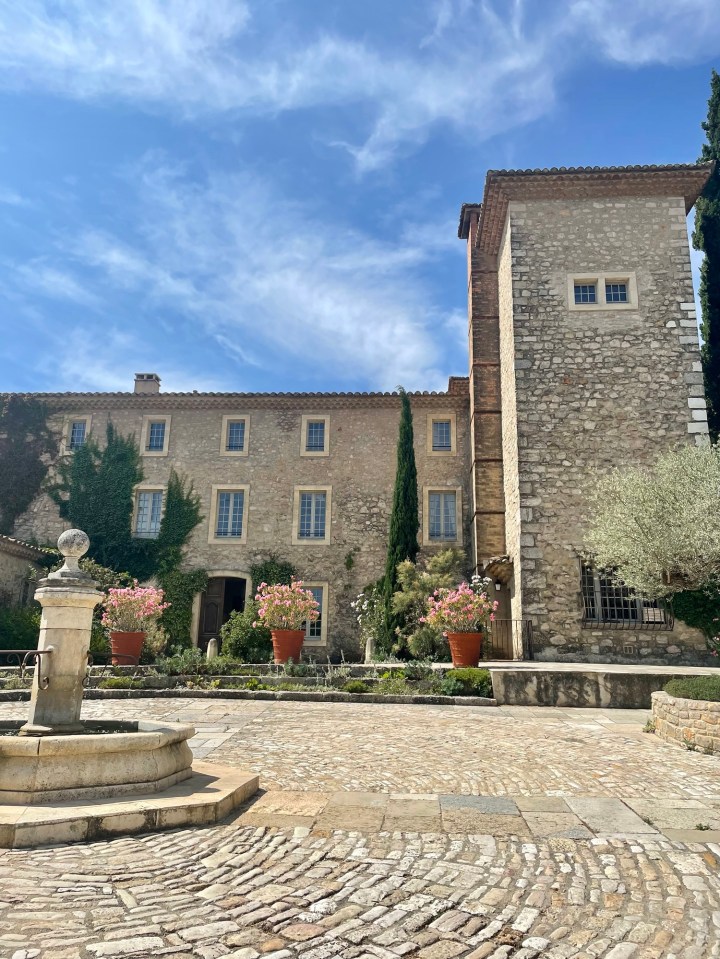
Château de Berne (Flayosc) 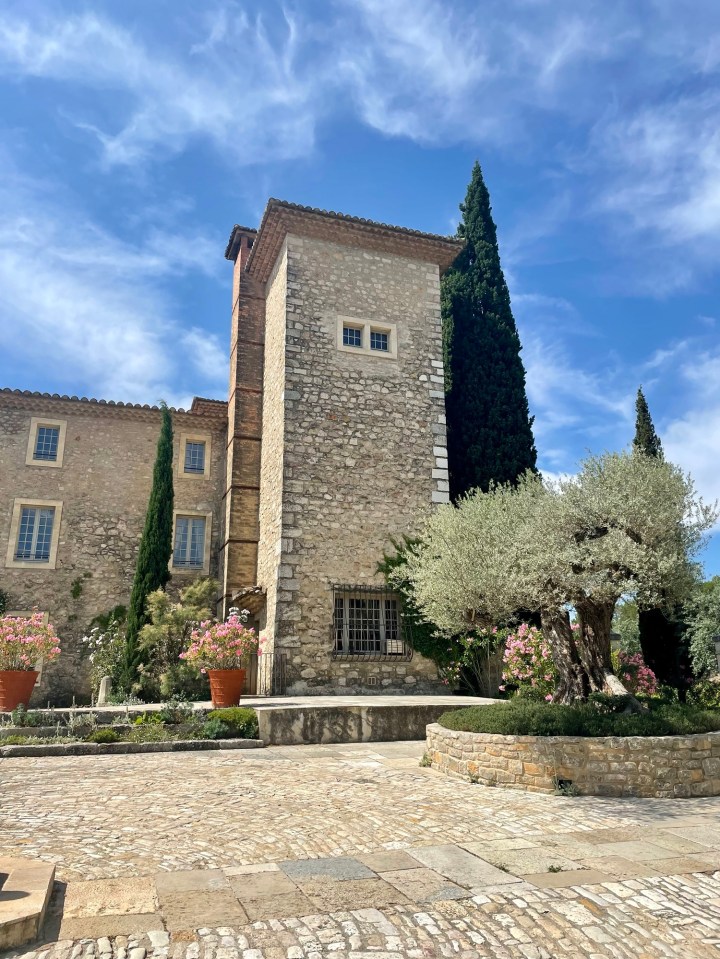
Château de Berne (Flayosc) 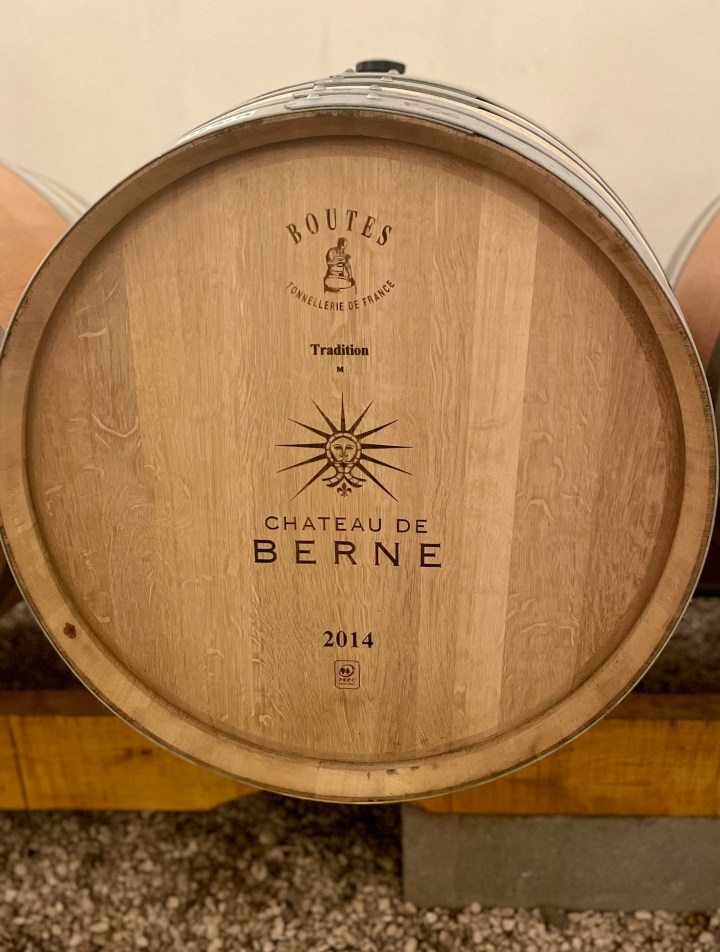
Château de Berne (Flayosc) 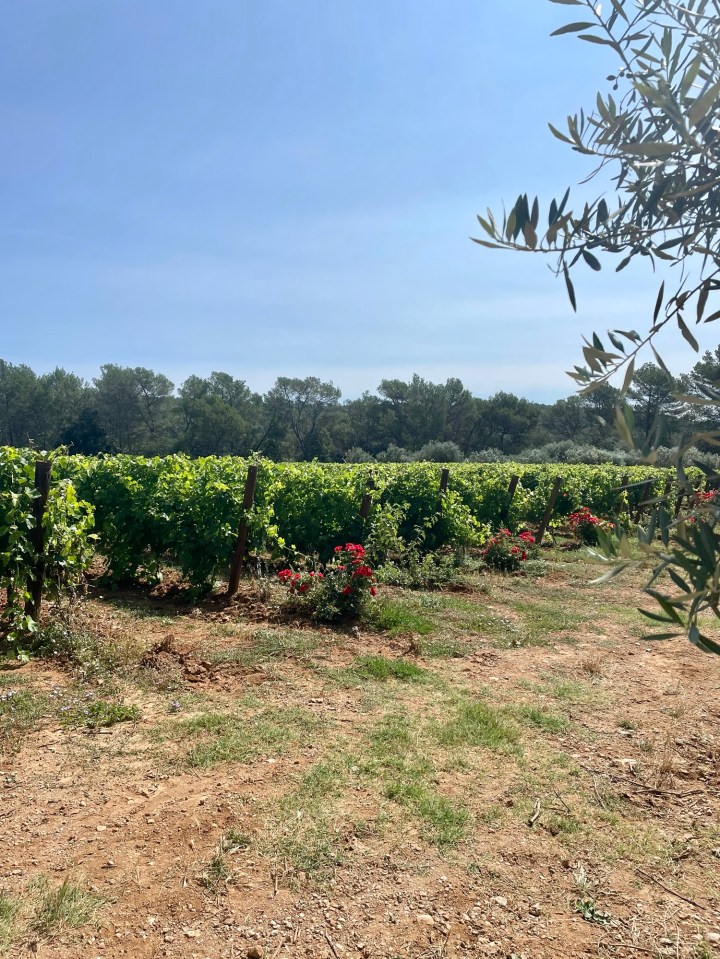
Château de Berne (Flayosc) 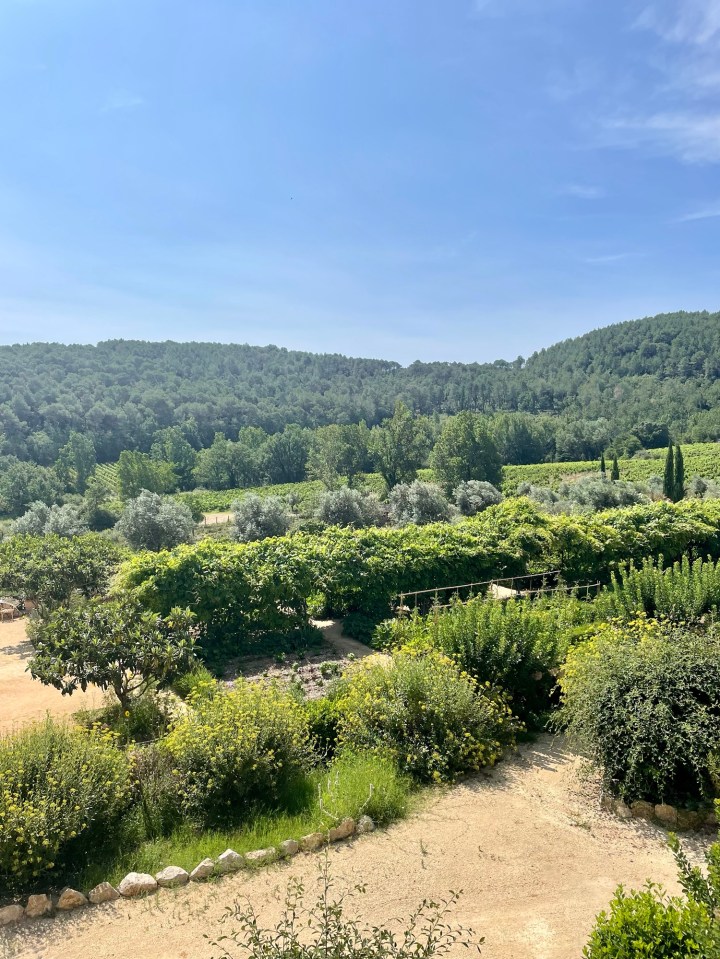
Château de Berne (Flayosc) 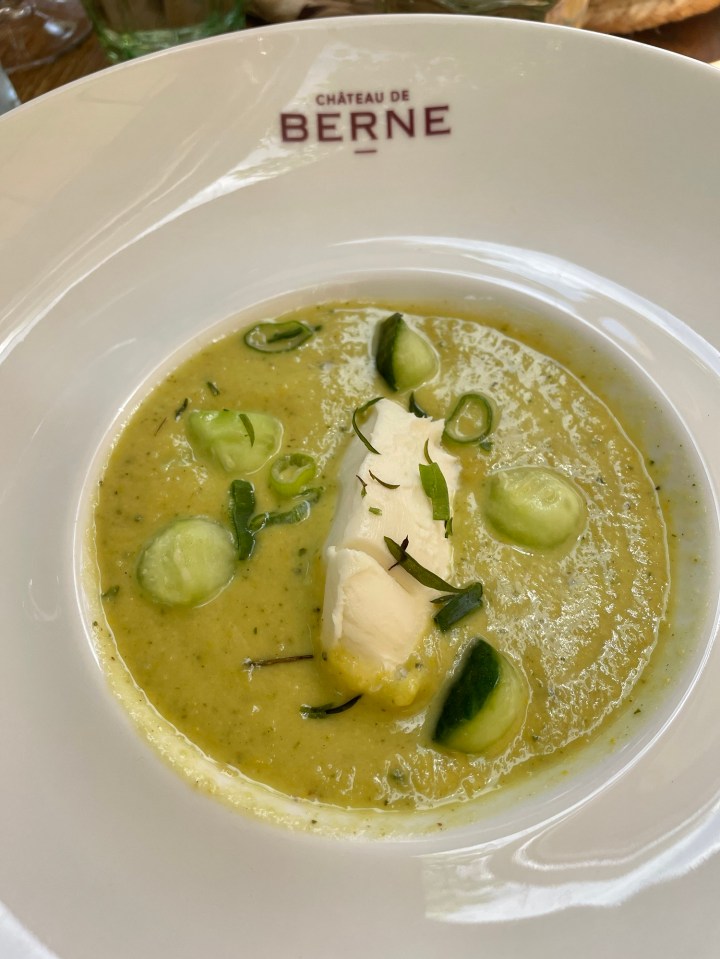
Lunch at Château de Berne (Flayosc) 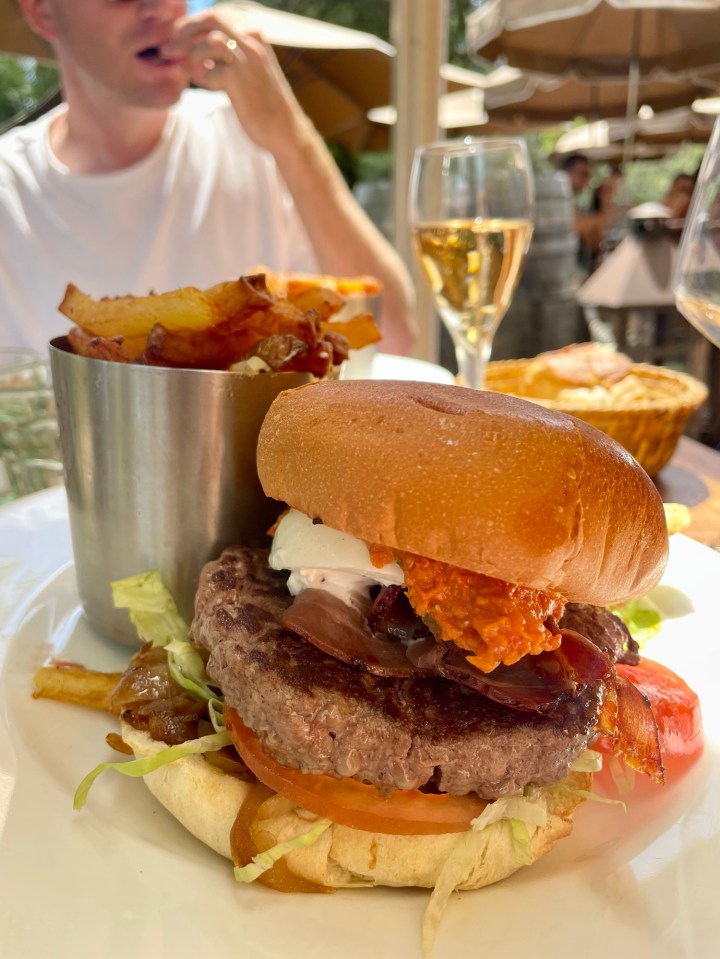
Lunch at Château de Berne (Flayosc) 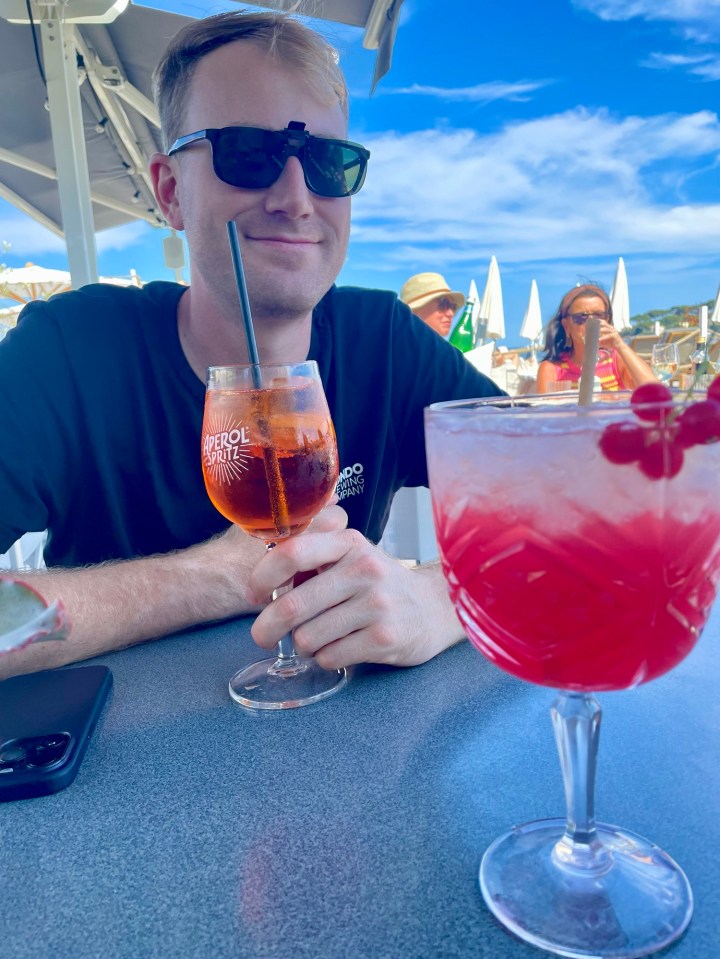
Royal Beach Club (Antibes) 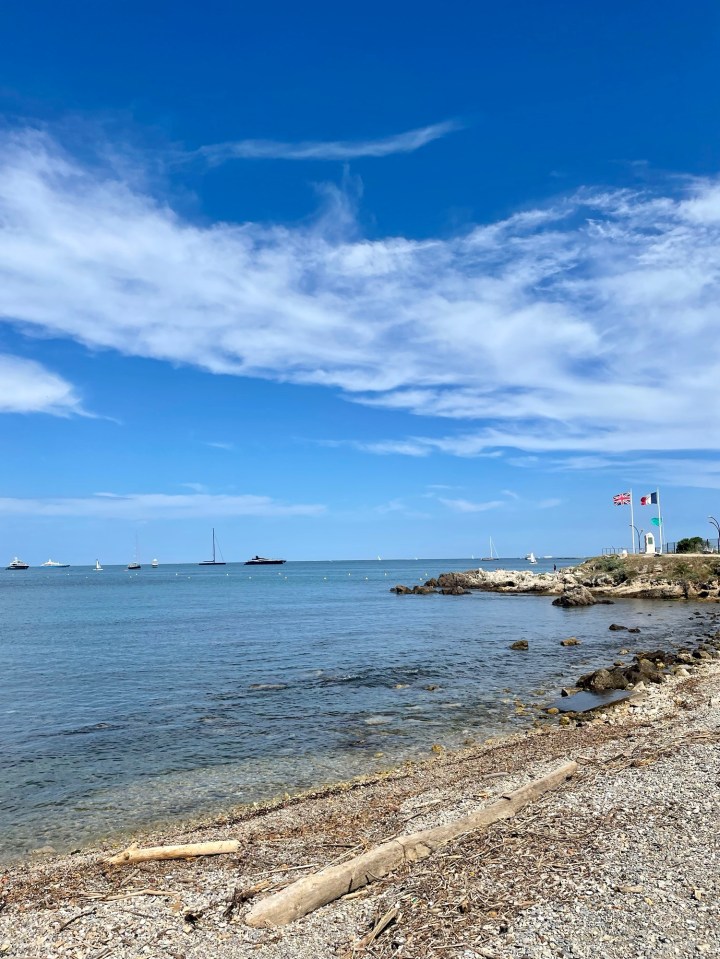
Antibes 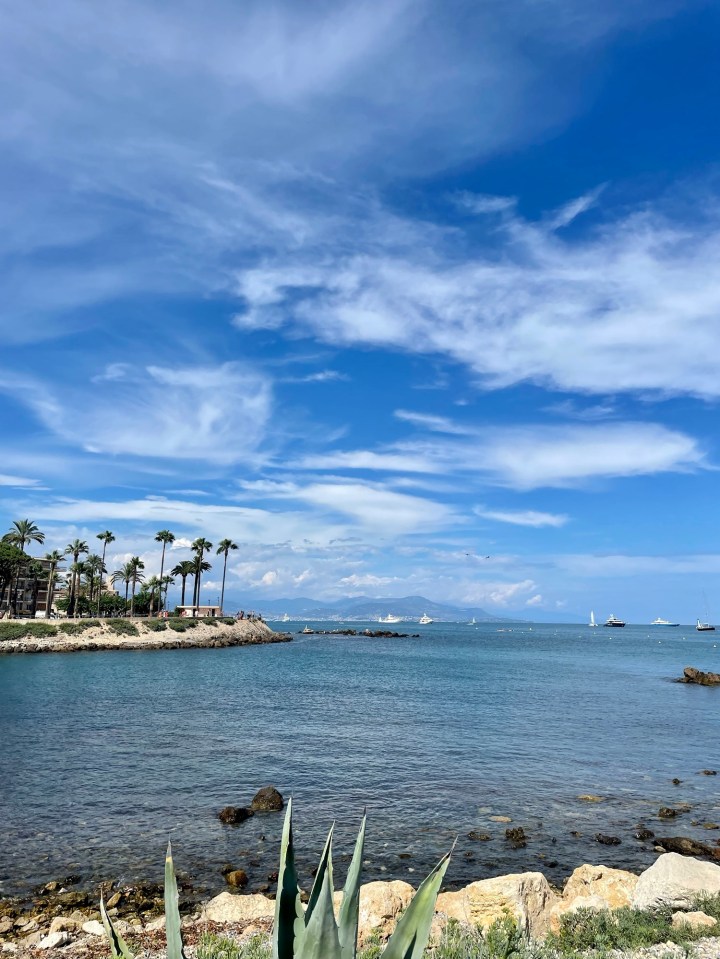
Antibes 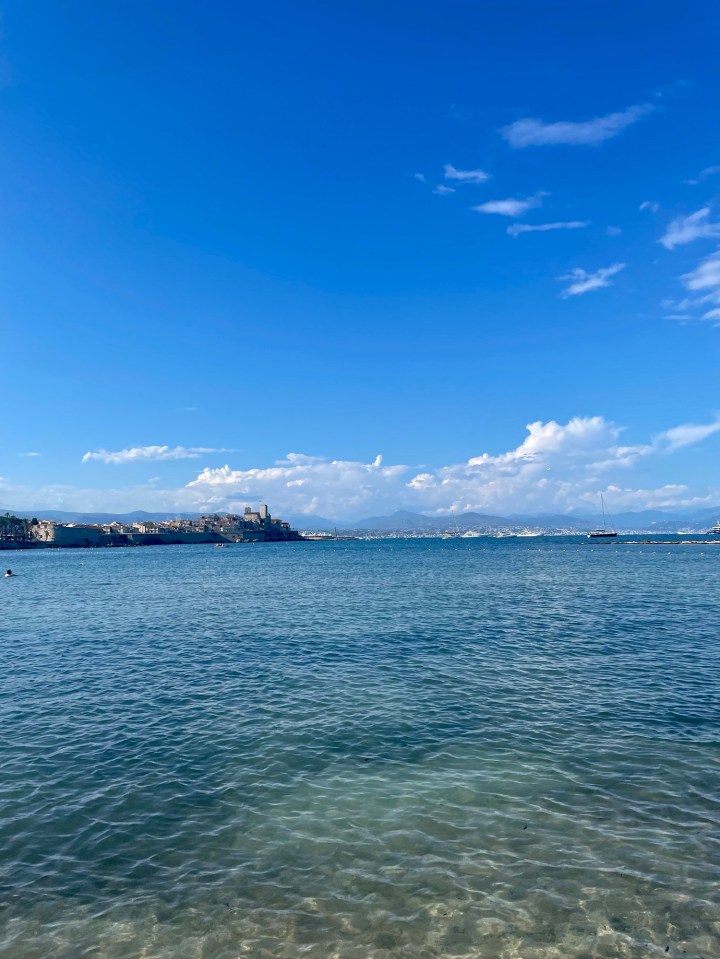
Antibes 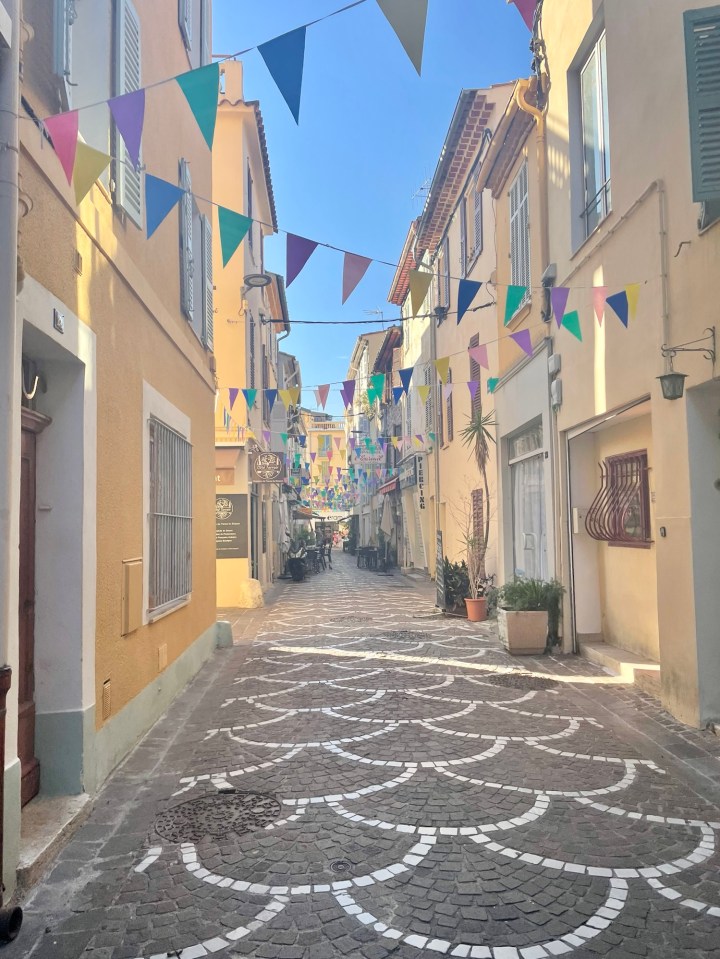
Antibes 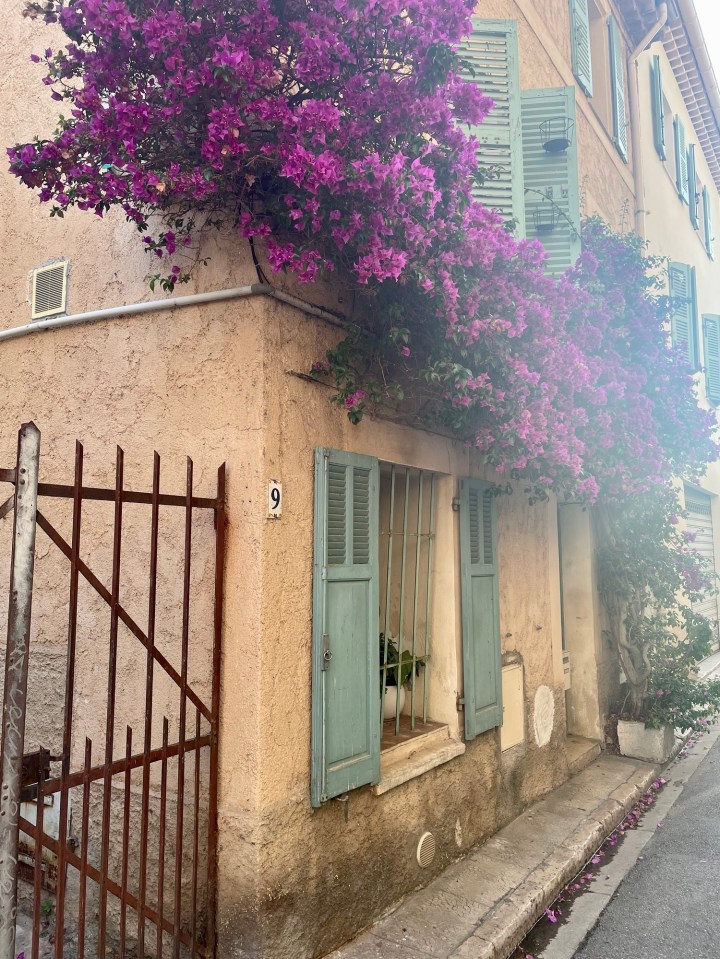
Antibes 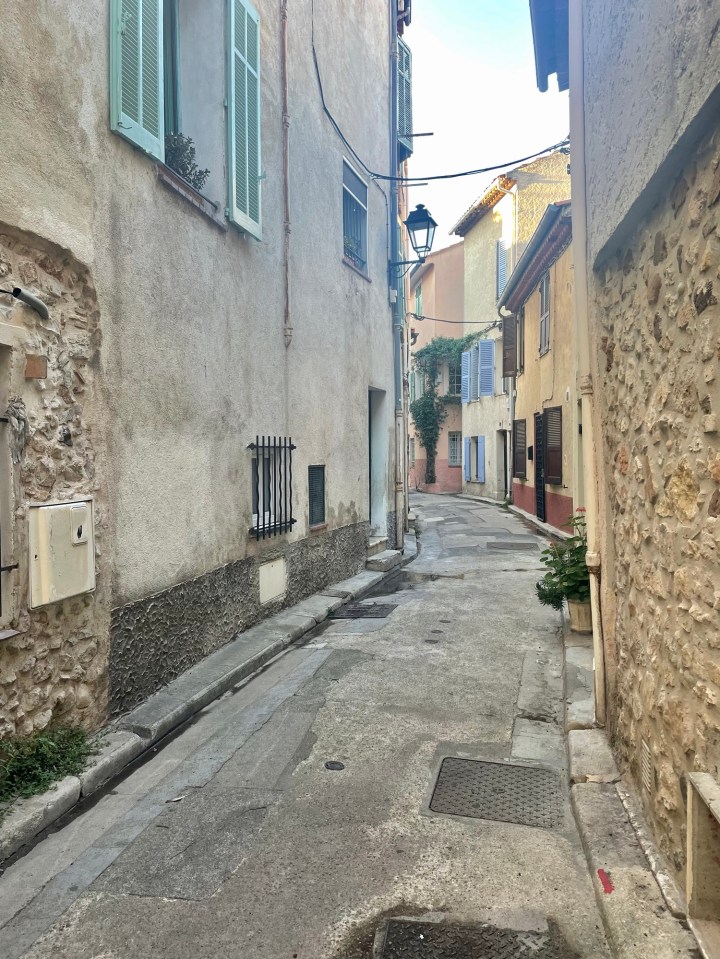
Antibes 
Restaurant L’Arazur (Antibes) 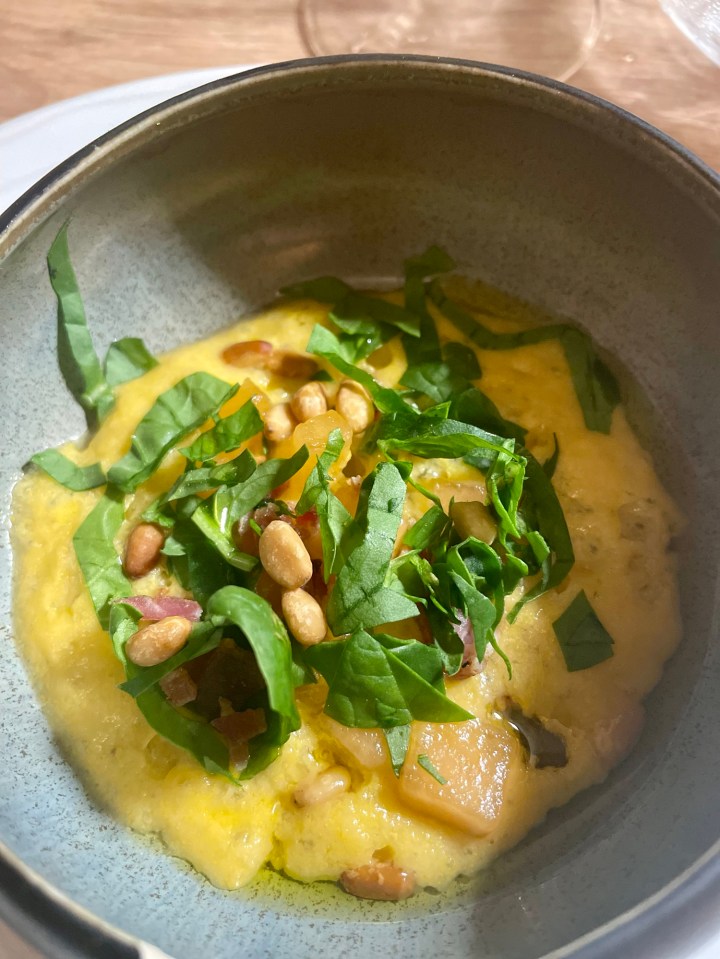
Restaurant L’Arazur (Antibes) 
Restaurant L’Arazur (Antibes) 
Antibes 
Antibes
Food & Drink
- Maison Hache (Eygalières): The best meal we had on our trip was at a Michelin-starred restaurant in a cozy little town near Saint-Rémy. We sat outside on the terrace, which I would highly recommend if the weather is as wonderful as it was when we were in Provence. Despite the owner-chef having trained at some of the most renowned fine dining restaurants in France, the €180 tasting menu was delightfully simple with a strong focus on locally sourced ingredients and fabulous plating and presentation.
- Restaurant L’Oustalet Maianen (Maillane): We had another fantastic dinner at a lovely family-run restaurant with a Michelin Bib Gourmand designation in Maillane, a charming town just a few miles outside Saint-Rémy that is best known as the birthplace of the 19th-century poet Frédéric Mistral. We sat at a table in the courtyard and enjoyed the perfect weather along with the excellent €68 tasting menu of delicate, creative Provençal dishes.
- Le Saint Hubert (Saint-Saturnin-les-Apt): Le Saint Hubert, a purple-shuttered hotel and restaurant located just past Gordes in the picturesque town of Saint-Saturnin-les-Apt, looked straight out of a movie set in Provence. We had a lovely lunch on the terrace, which offered unparalleled panoramic views of the Luberon landscape to complement an exquisite menu of traditional and fresh French dishes.
- Le Café de la Place (Saint-Rémy-de-Provence): This casual, open-air bistro in the Place de la République, one of the main squares in Saint-Rémy, was directly next door to our accommodations at Hôtel Gounod. It was the perfect place to grab drinks or a light lunch, as well as people-watch.
- Bistrot Les Pieds dans l’Eau (Saint-Rémy-de-Provence): One of the most popular restaurants in Saint-Rémy is located in Maison Mistral, a rambling old building that contains a concept store and tea salon in addition to a casual bar and bistro on its front lawn. We had a few cocktails here before dinner and it was clearly a popular choice for both chic locals and vacationers.
- Maison Saint Aix (Jouques): Although it’s evidently one of the largest domaines in the AOP Coteaux d’Aix-en-Provence appellation, Maison Saint Aix was much smaller than we expected. The owners have put a lot of effort into sleek branding and it was a label we recognized from London, but the winery itself felt more like a family-run farm than a major wine operation. We had a great (and free) private tour with a really interesting young sommelier, and the tasting room had a lot of interesting merchandise in addition to quality wines at excellent prices.
- Château de Berne (Flayosc): On the other end of the spectrum, Château de Berne is a magnificent 600-hectare estate that felt much more in line with what we’ve experienced at wineries in other wine regions. The domaine produces a wide variety of excellent red, rosé, and white Côtes de Provence wines, and our tour and tasting experience was top-notch. We also had a nice lunch at the winery’s bistro, but we definitely regretted not staying at the 5-star hotel in the historic chateau or eating at its Michelin-starred restaurant.
- Restaurant L’Arazur (Antibes): We had an amazing dinner at this tiny restaurant tucked away on a side street in the historic part of Antibes. The chef-owned restaurant focused on fresh, seasonal, and simply prepared dishes with a heavy focus on vegetables and locally caught seafood, and each course of the 80€ tasting menu was absolutely fantastic.
- Royal Beach Club (Antibes): The prestigious Royal Antibes Hotel owns a private beach area across from the main hotel in Antibes. We were too late in the day to rent chaise lounges on the actual beach, but we had a few cocktails at the beach bar and restaurant. The bar itself wasn’t anything too special, but the panoramic ocean views and buzzy atmosphere made the overpriced drinks worthwhile.
Activities & Attractions
- Abbaye Notre-Dame de Sénanque (Gordes): One of the most beautiful places we visited in Provence was an ancient Cistercian abbey on the northern outskirts of the equally lovely village of Gordes. The abbey church, consecrated in 1178, has remained remarkably intact over the centuries and is still home to a small community of monks. Visitors must remain silent while in the abbey, which made the experience quite peaceful and uniquely powerful despite the hordes of people surrounding us. The church would have been worth a visit on its own, but the main attraction for visitors during the summer months is the scenery—the magnificent stone abbey is nestled among picture-perfect fields of lavender in a secluded glen.
- Glanum (Saint-Rémy-de-Provence): Saint-Rémy is known for the well-preserved ruins of a magnificent ancient city that lie on its southern perimeter. Between the 4th and 2nd centuries BC, a Celto-Ligurian tribe called the Salyens constructed a fortified town and a shrine to honor the Celtic god of Glanis in the valley of Notre-Dame-de-Laval at the site of a spring known for its healing powers. After Julius Caesar captured Marseille and instigated a series of civil wars across the region, Glanum officially became a Roman city in 27 BC during the reign of Emperor Augustus and prospered over the subsequent years. The town was invaded and subsequently abandoned in 260 AD, and over time, the ruins of the impressive Roman settlement were buried under mud and sediment that washed down from the surrounding hills and contributed to the remarkable preservation of the site. Most notably, Glanum contains two stunning examples of Roman monuments from the 1st century BC known as “Les Antiques”, a mausoleum containing the remains of the Julii family and a triumphal arch that was the first such structure built in present-day France.
- Monastère Saint-Paul de Mausole (Saint-Rémy-de-Provence): Directly across the road from Glanum lies an unassuming property that is perhaps even more famous than some of the best-preserved Roman ruins in France: the asylum where Vincent van Gogh painted some of his most celebrated works, including The Starry Night and The Irises, as a self-admitted patient shortly after the infamous incident in which he cut off virtually all of his left ear. During his stay between May 1889 and May 1890, Van Gogh occupied a second-story bedroom and used a ground-floor room as a studio where he created more than 100 paintings depicting his confinement to the 11th-century monastery and the wheat fields, olive groves, and cypress trees of the surrounding countryside. Saint-Paul de Mausole still functions as a psychiatric hospital today, but the property also contains a small museum dedicated to its most iconic patient. We weren’t able to squeeze in a visit during the museum’s limited visiting hours, but we were still able to walk around the gardens and check out the various markers highlighting where van Gogh sat as he painted specific pieces.
- Lavandes Angelvin (Valensole): This charming little roadside stand and farm shop was also the perfect location for getting great views of sprawling lavender fields without the crowds. It was honestly crazy how many people we saw taking photos in the lavender fields on our way to this completely crowd-free spot, which was just as picturesque as any of the other fields we passed.
 Lindsey in London