May 5-8, 2023
Although it was very exciting to be in London during the weeks leading up to the coronation of King Charles III, we didn’t want to be anywhere near the madness of coronation weekend itself. Instead, Andy, Lily, and I escaped to the Peak District, a national park and historic area in central England known for its dramatic and diverse landscapes with rolling hills, limestone dales, and heather-covered moorland, as well as a large collection of historic country estates spread out among idyllic villages.
It took just a little over an hour by train to get from central London to the airport in Birmingham, which was the easiest place for us to get a rental car. It only took another 45 minutes or so to reach our accommodations in Repton, a lovely village dating back to the Anglo-Saxon period, when the town served as a primary residence for the royal families of the kingdom of Mercia. We stayed at The Boot at Repton, a recently refurbished 17th-century coaching inn with a handful of (dog-friendly) rooms, a cozy bar with live music, and a restaurant with surprisingly creative menus for an otherwise traditional English countryside pub. The inn was lovely and its location on the southern edge of Derbyshire was a perfect halfway point between transportation links in Birmingham and the national park located in the northwestern part of the county.
The historical area known as the Peak District stretches beyond the boundaries of the 555-square-mile Peak District National Park that was designated the first official national park in the United Kingdom in 1951. The area is located at the southern edge of the Pennines, a range of uplands, a term that typically refers to areas with elevated plateaus or high hills that range from ~1,000–2,000 feet above sea level (vs. the term ‘highlands’, which is usually reserved for ranges of low mountains). Therefore, despite its name, the Peak District is actually characterized by rounded hills, heather- and peat-covered plateaus, limestone gorges and valleys, and gritstone escarpments known as the “edges”. The higher and wilder part forming an arc on the northern, eastern, and western sides is known as the Dark Peak because it’s primarily comprised of uninhabited moorland covered in bogs and black peat, while the White Peak comprises the low-lying limestone valleys containing arable farmland and natural broad-leaved woodlands.
Even before the national park designation, the Peak District was an incredibly popular area for tourists, and many authors and artists have used it for inspiration over the years. Perhaps most notably, key scenes from Jane Austen’s Pride and Prejudice and Charlotte Brontë’s Jane Eyre (two of my all-time favorite books) were set in the Peak District. Between the literary references, stunning views, beautiful home tours, ambling country walks, and better-than-expected dining, Andy, Lily, and I had an absolutely perfect weekend in the area and I would highly recommend it as a weekend getaway for anyone looking for a quintessential English countryside experience.
If you’re planning a trip to the Peak District, click here to access and download my Google Maps list of saved locations in England and Wales.
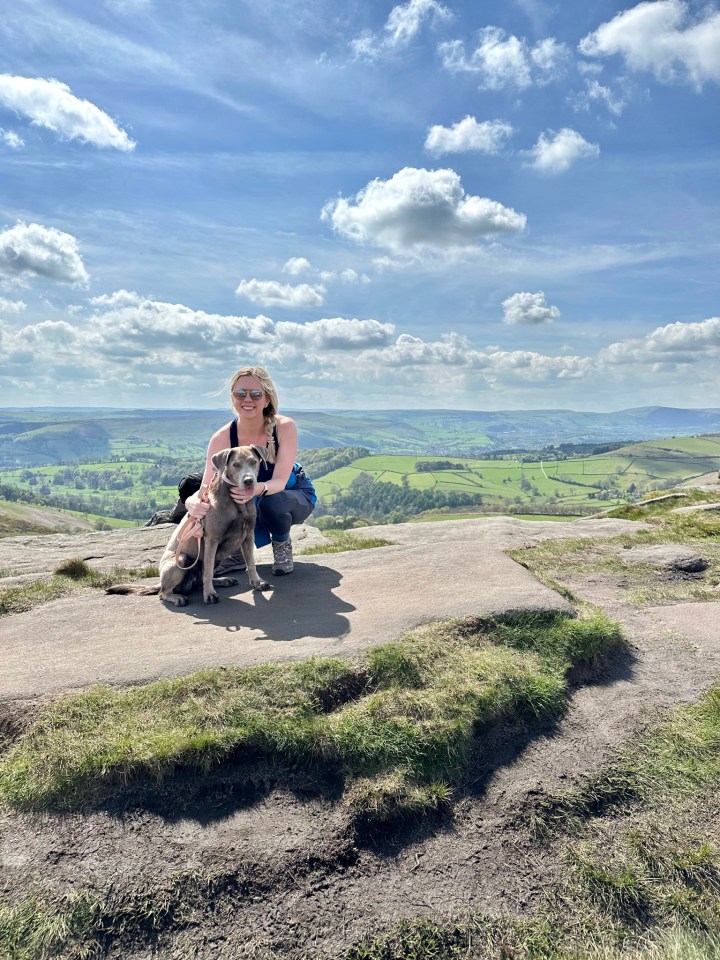
Stanage Edge 
The Boot (Repton) 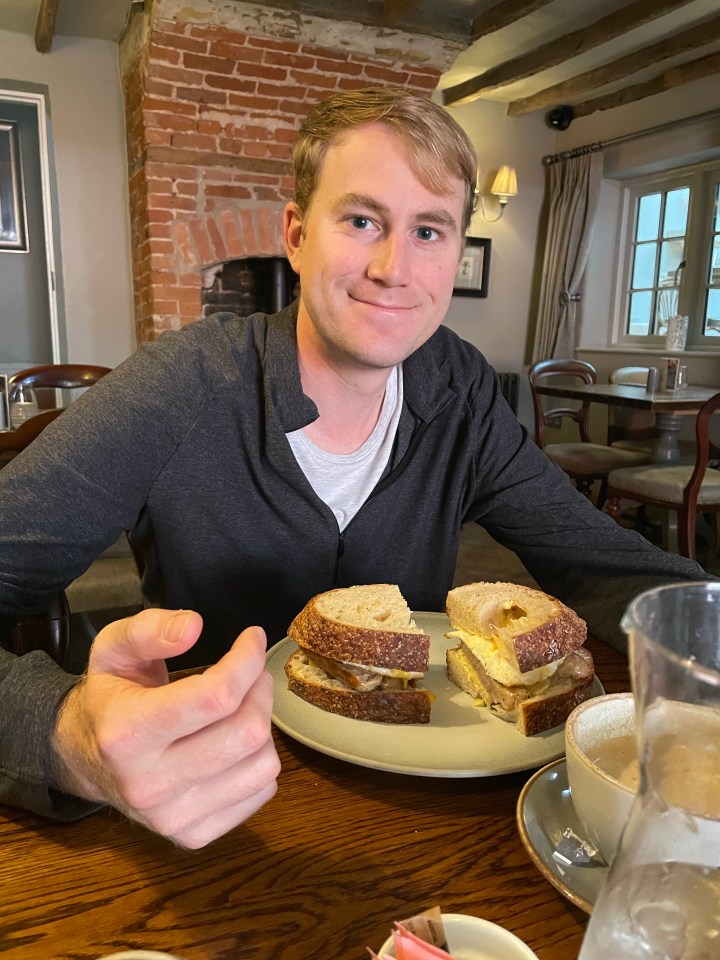
Breakfast at The Boot (Repton) 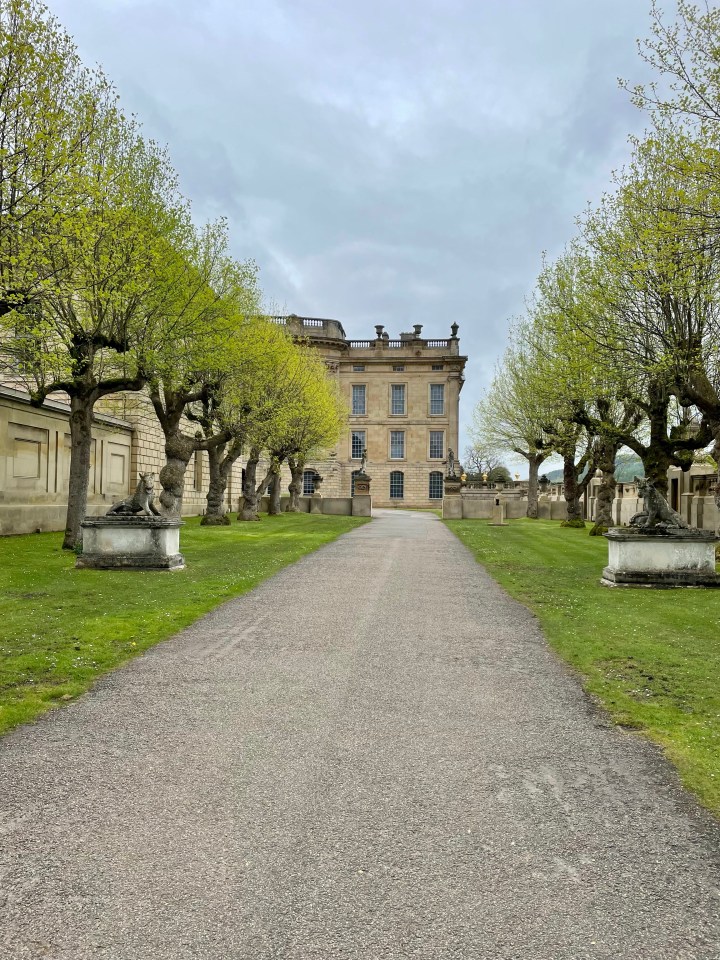
Chatsworth House 
Chatsworth House 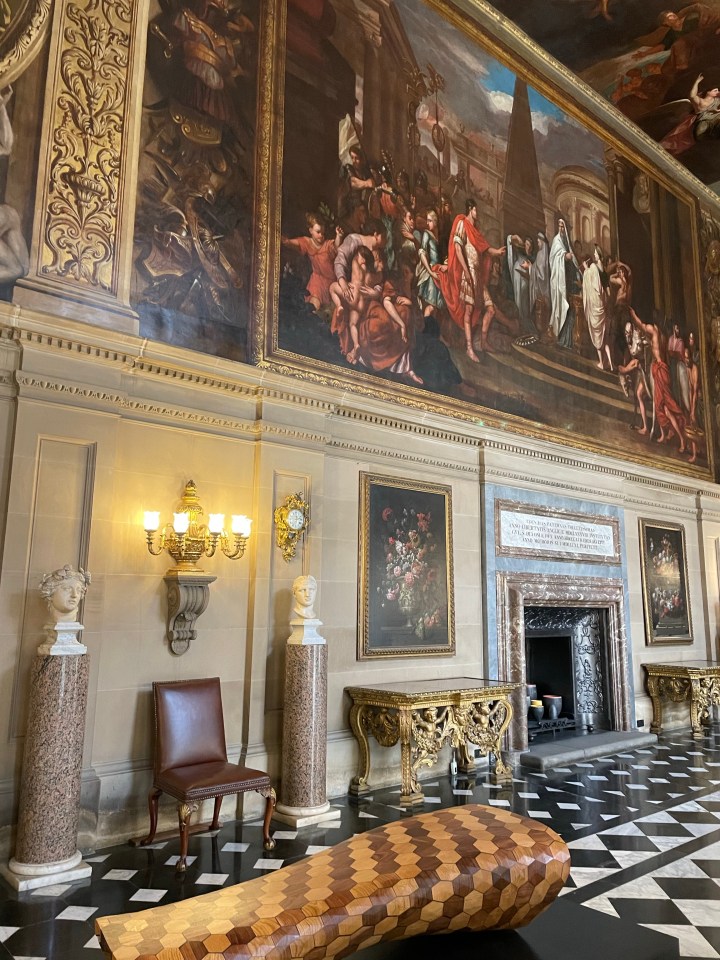
Chatsworth House 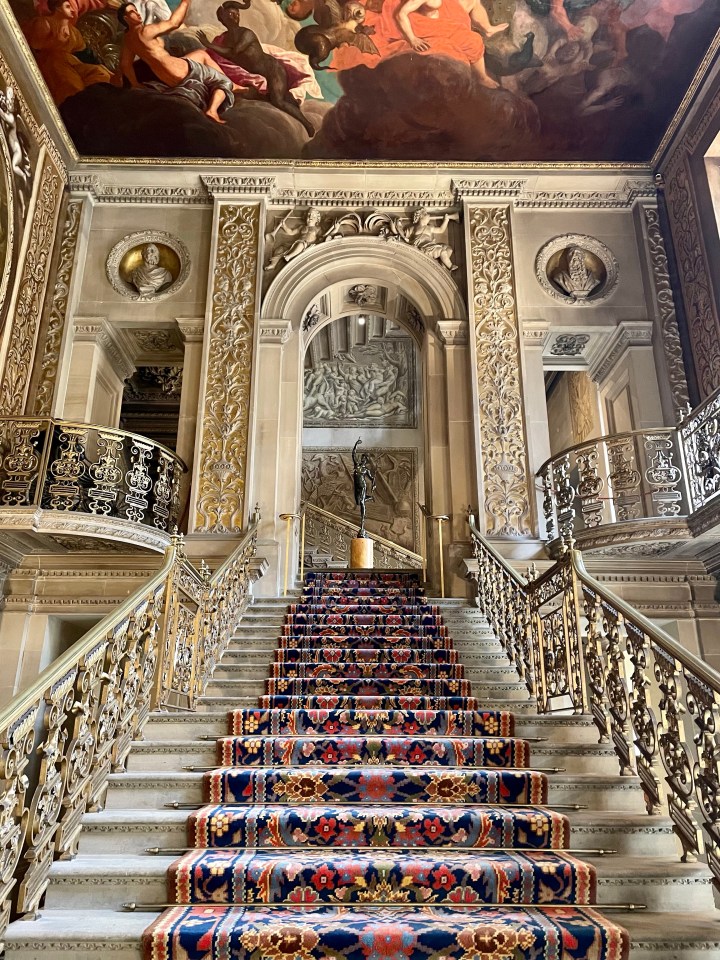
Chatsworth House 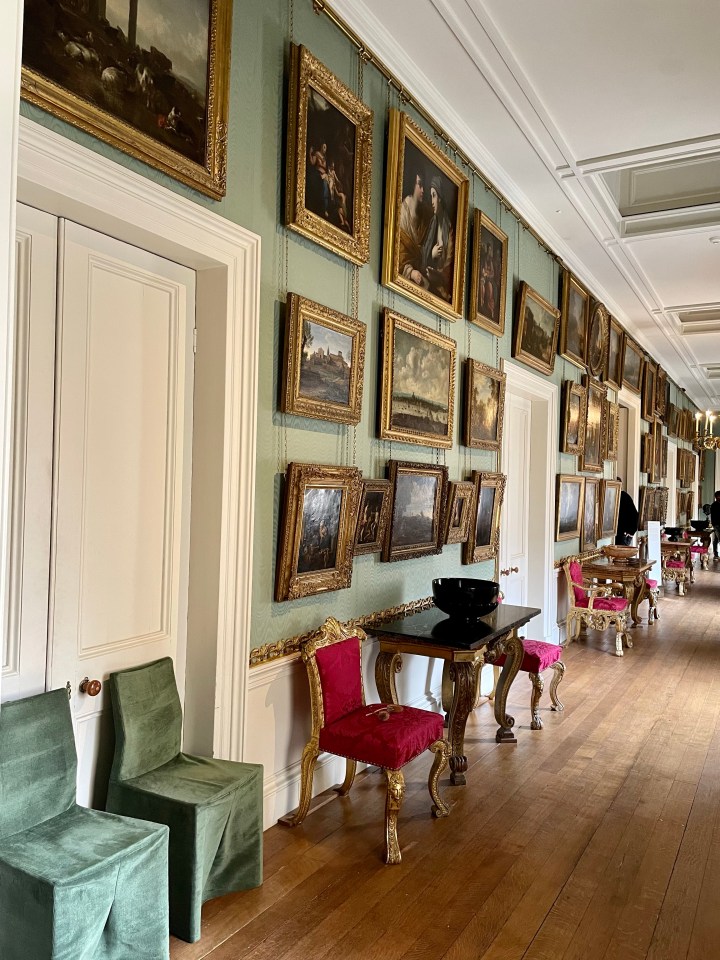
Chatsworth House 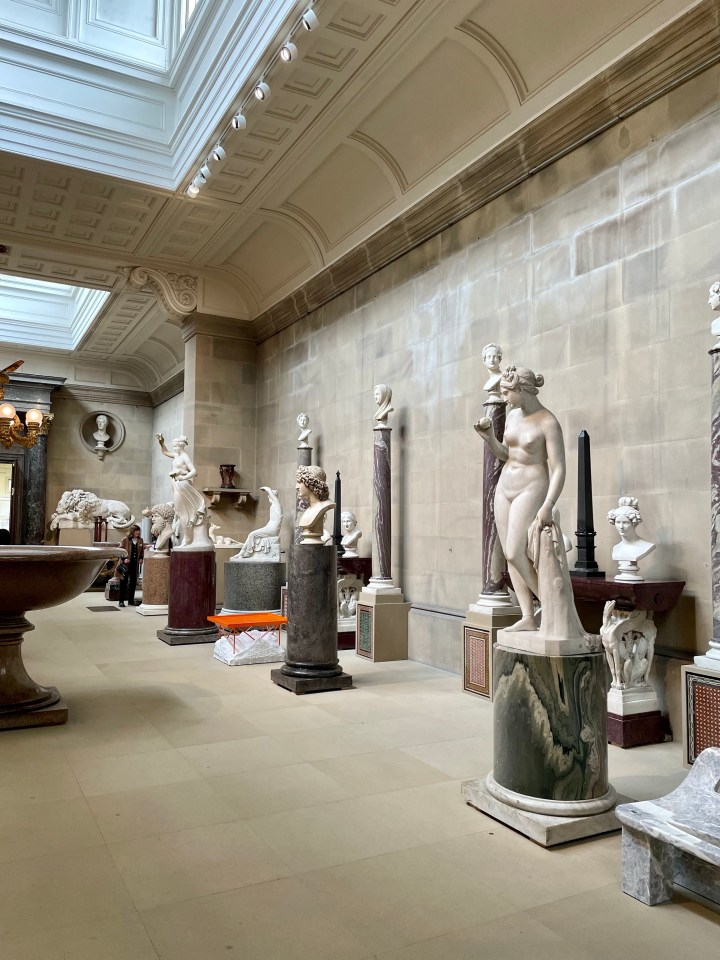
Chatsworth House 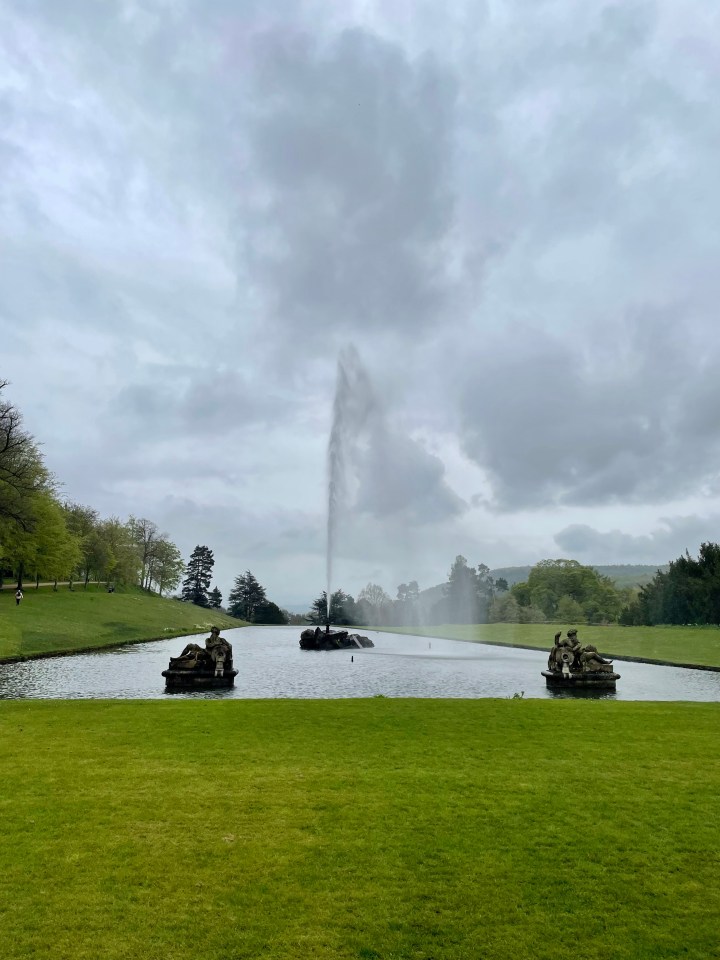
Chatsworth House 
Chatsworth House 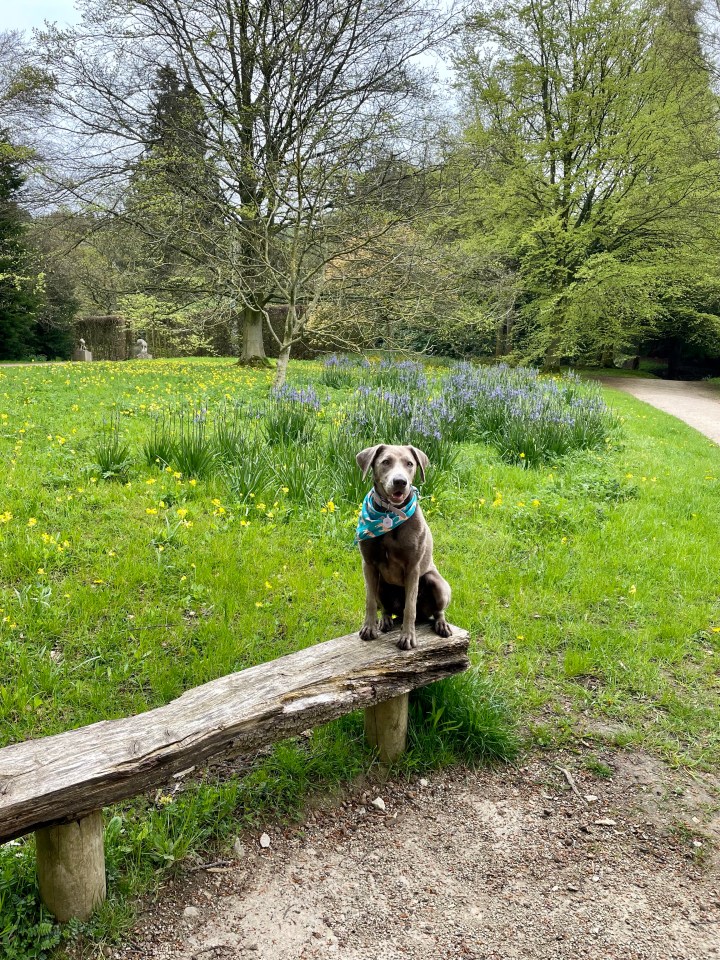
Chatsworth House 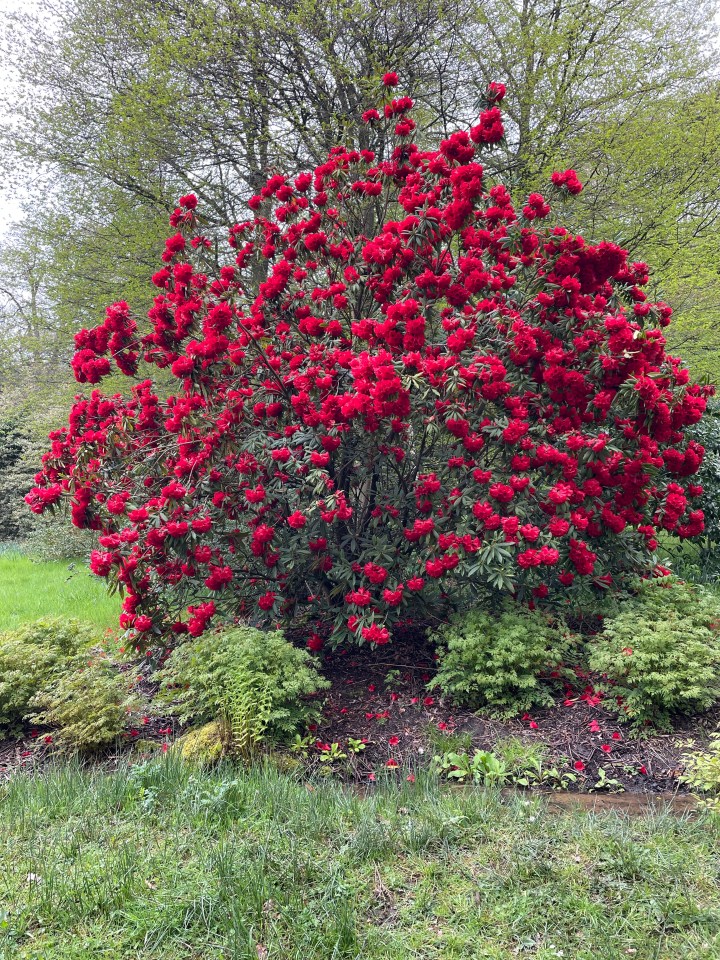
Chatsworth House 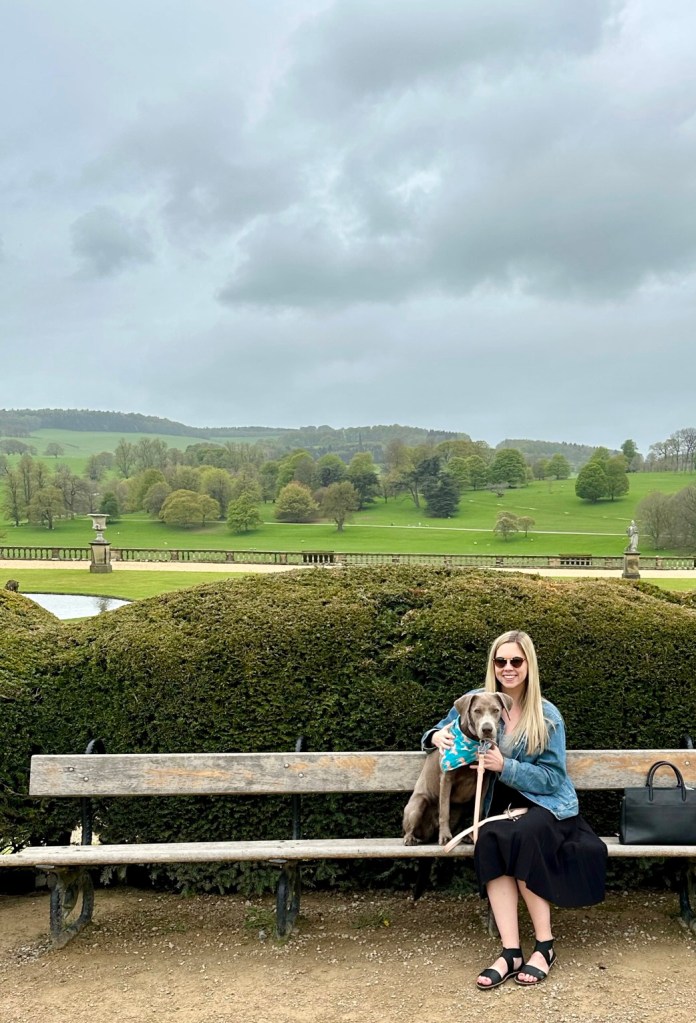
Chatsworth House 
Baslow Edge 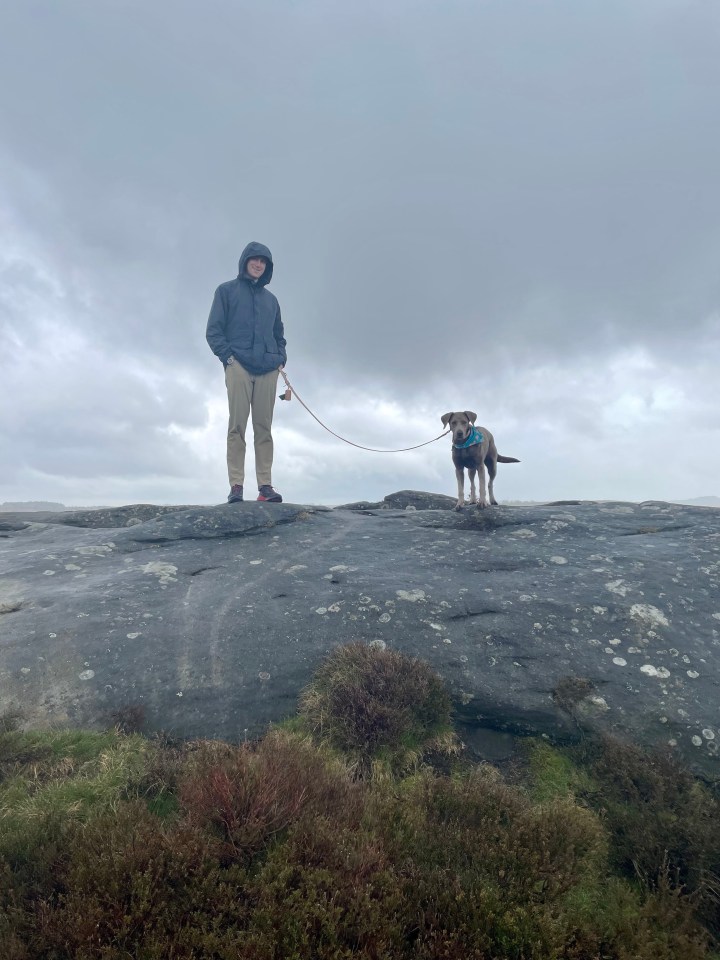
Baslow Edge 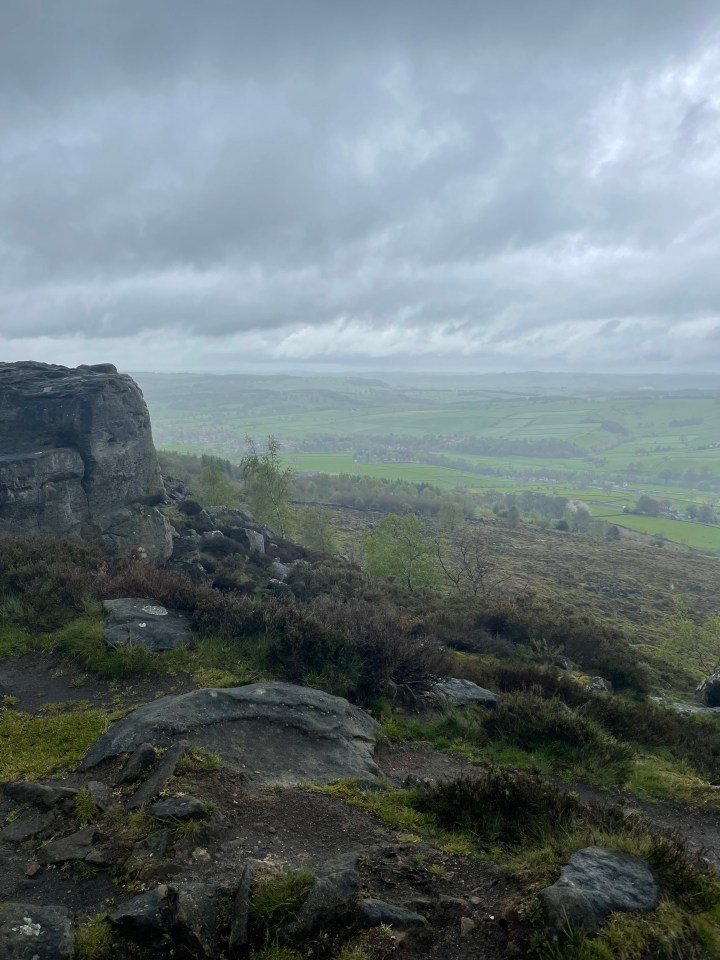
Baslow Edge 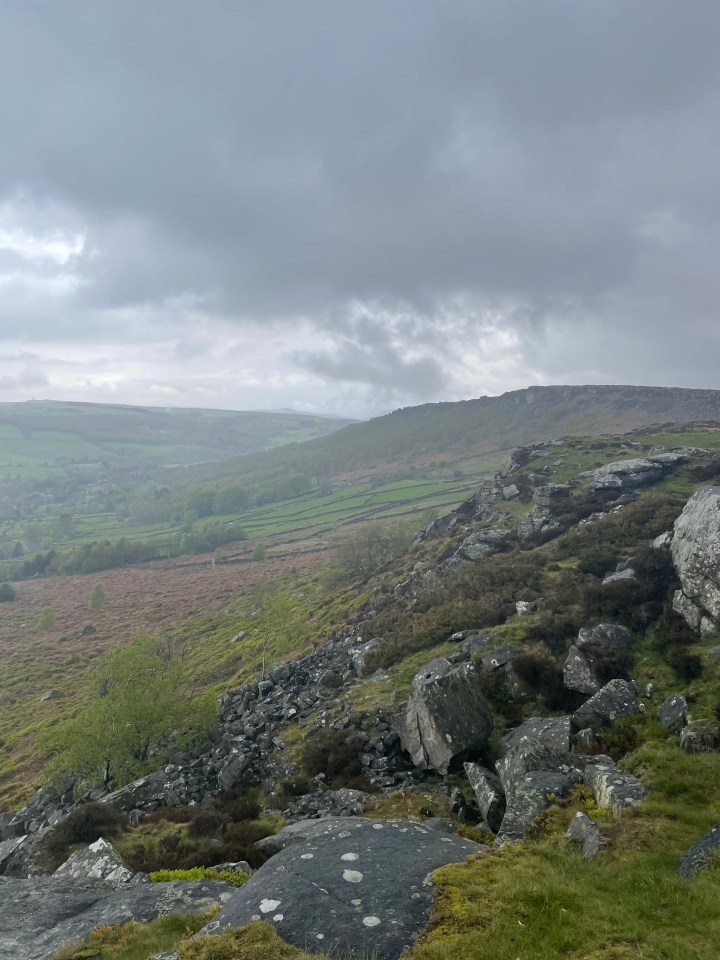
Baslow Edge 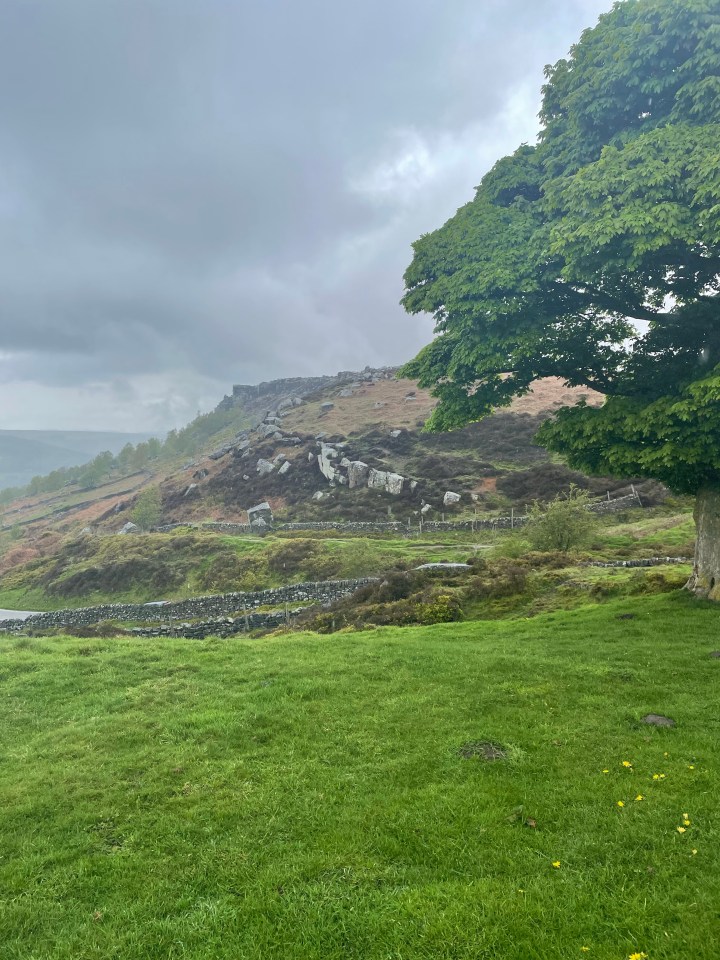
Baslow Edge 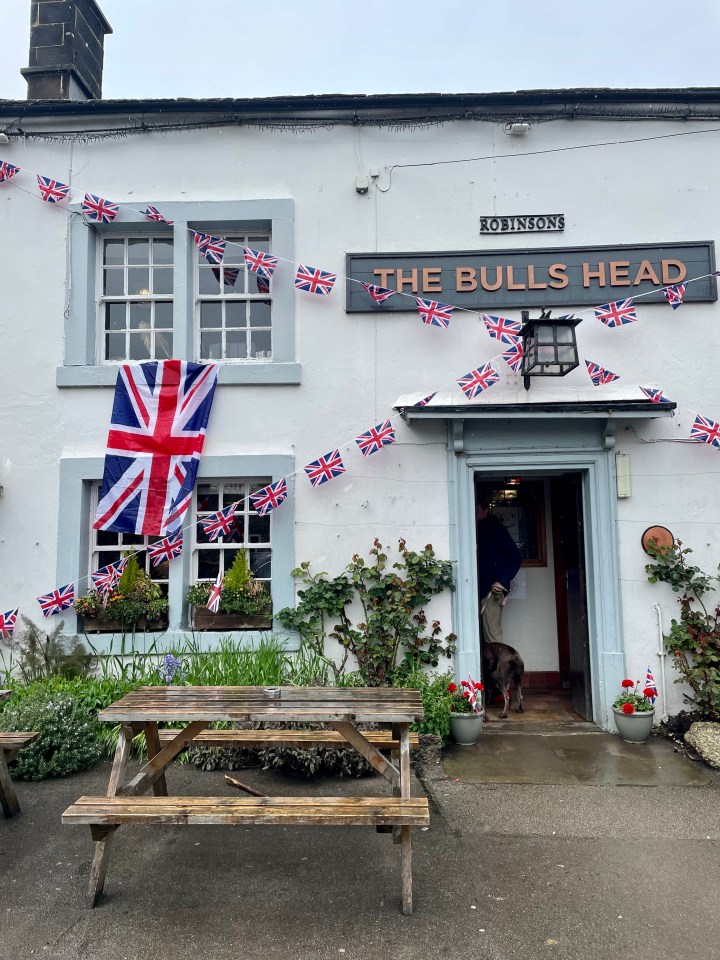
The Bulls Head (Ashford-in-the-Water) 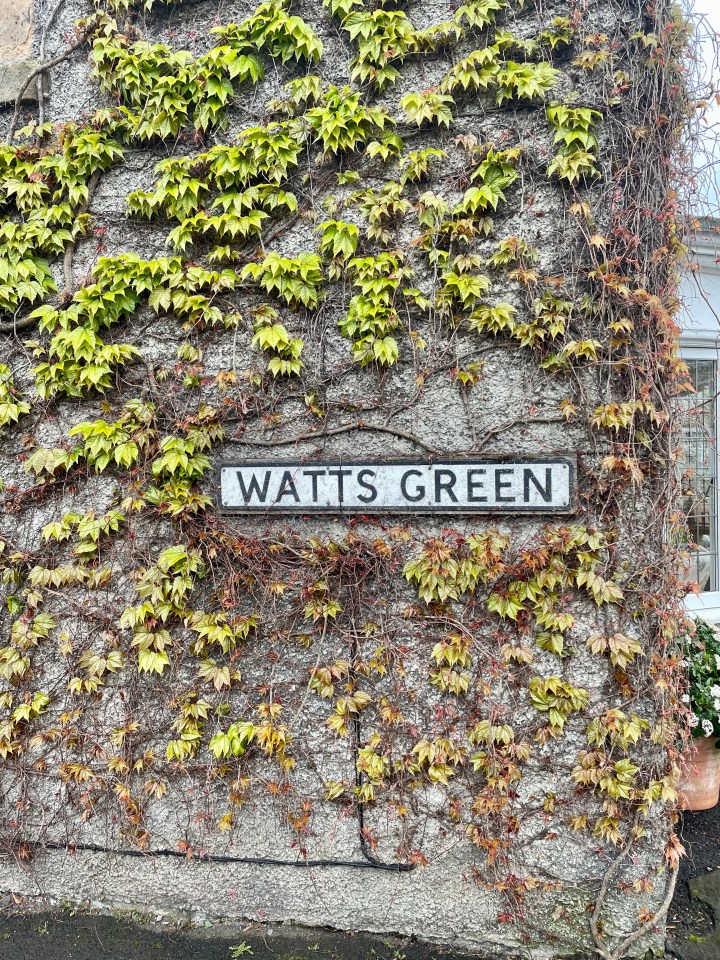
Ashford-in-the-Water 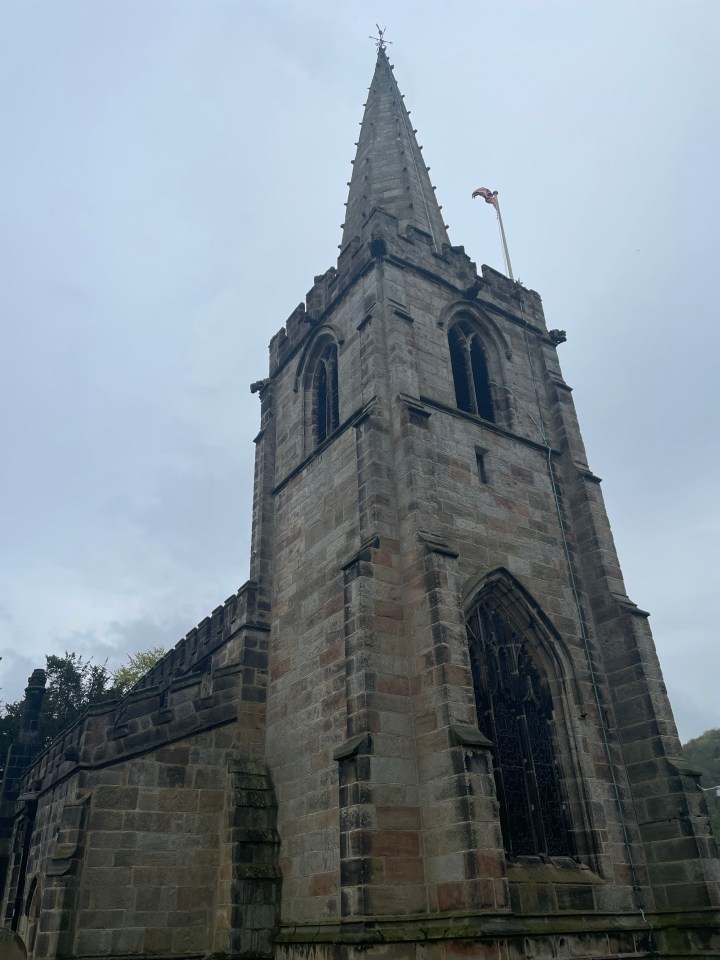
St. Michael and All Angels’ Church in Hathersage 
The alleged grave of Little John (of Robin Hood fame) at St. Michael and All Angels’ Church in Hathersage 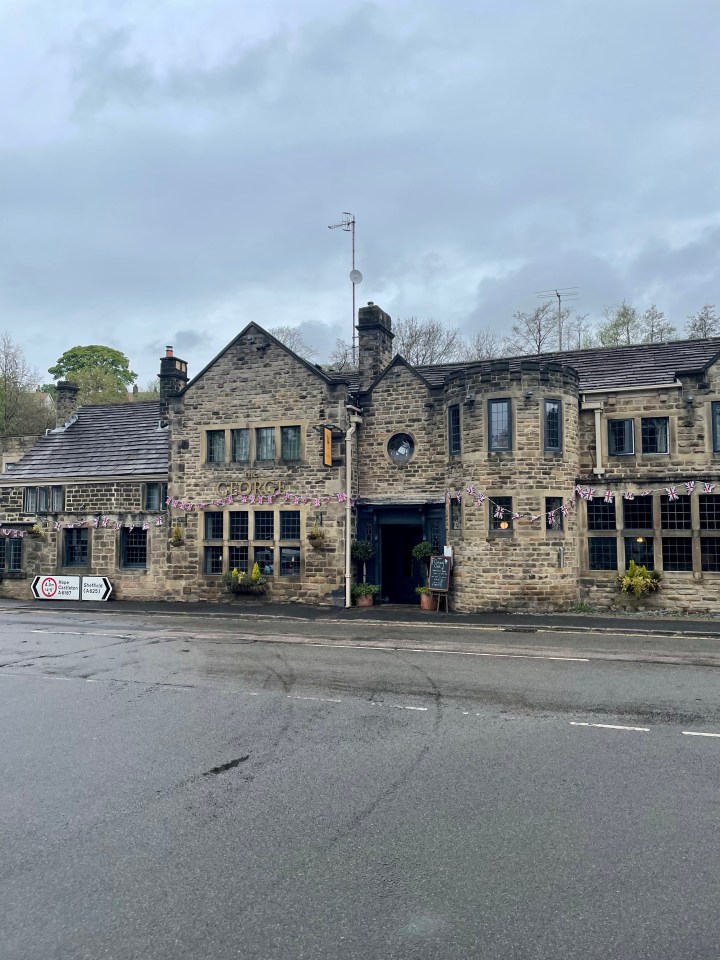
The George (Hathersage) 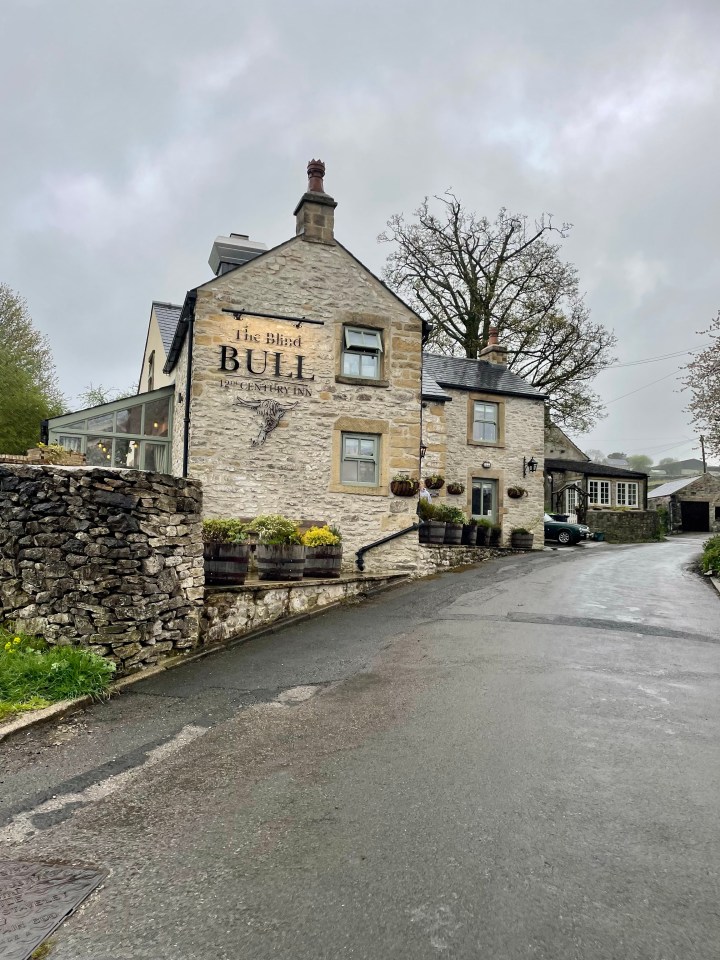
The Blind Bull (Little Hucklow) 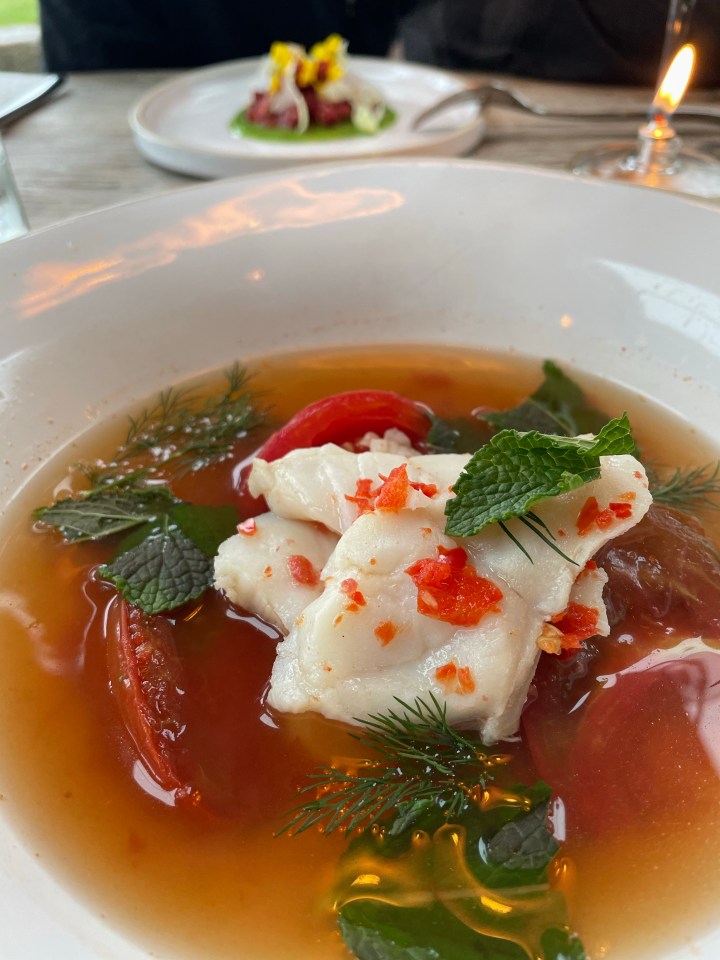
The Blind Bull (Little Hucklow) 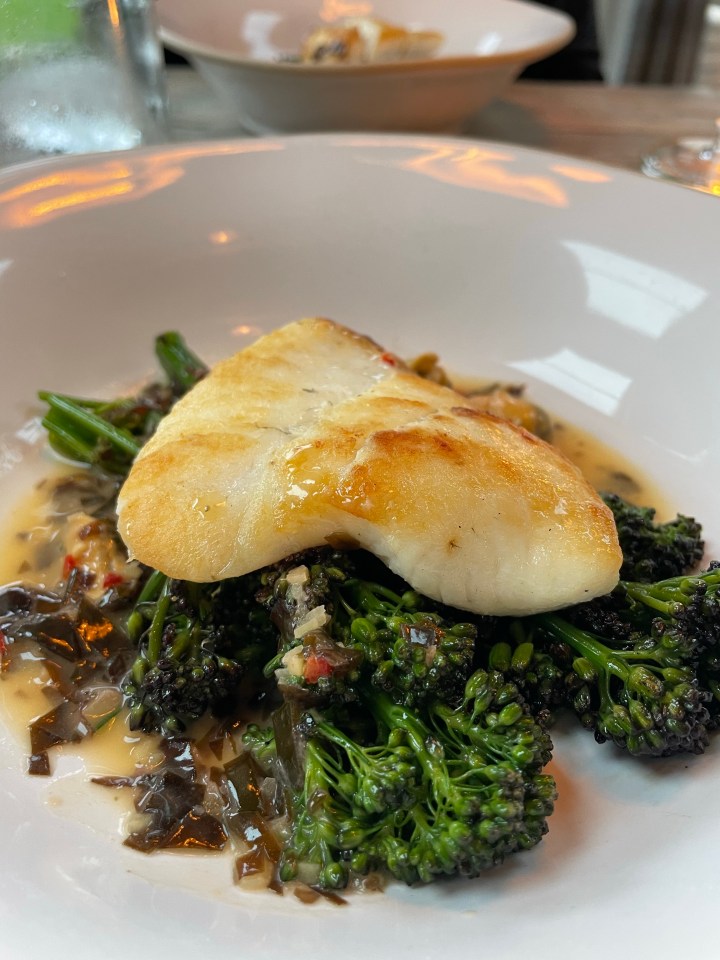
The Blind Bull (Little Hucklow) 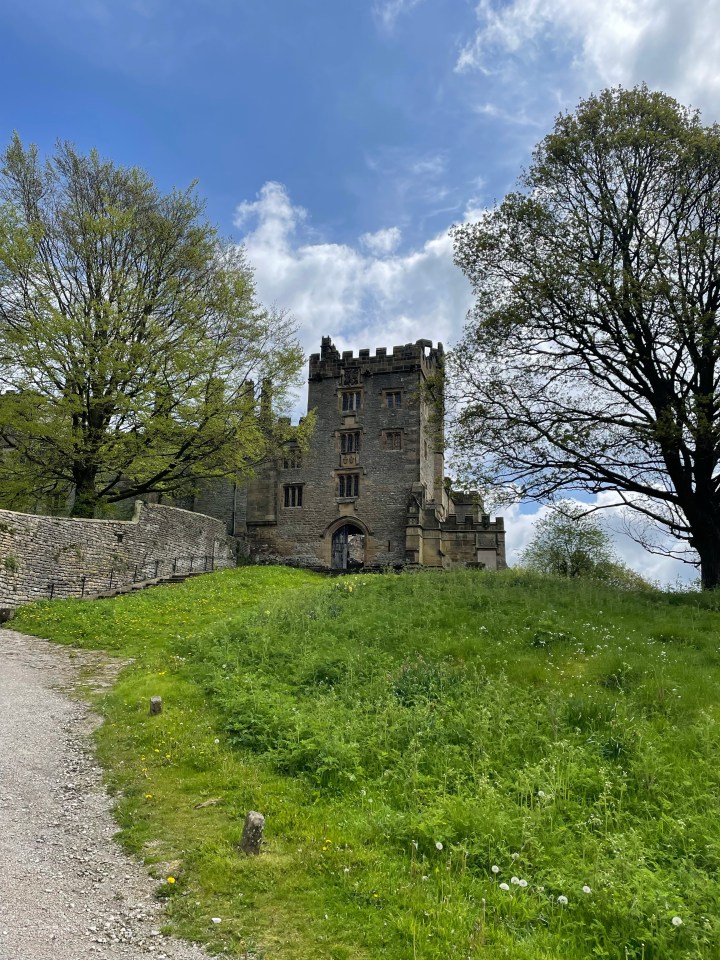
Haddon Hall 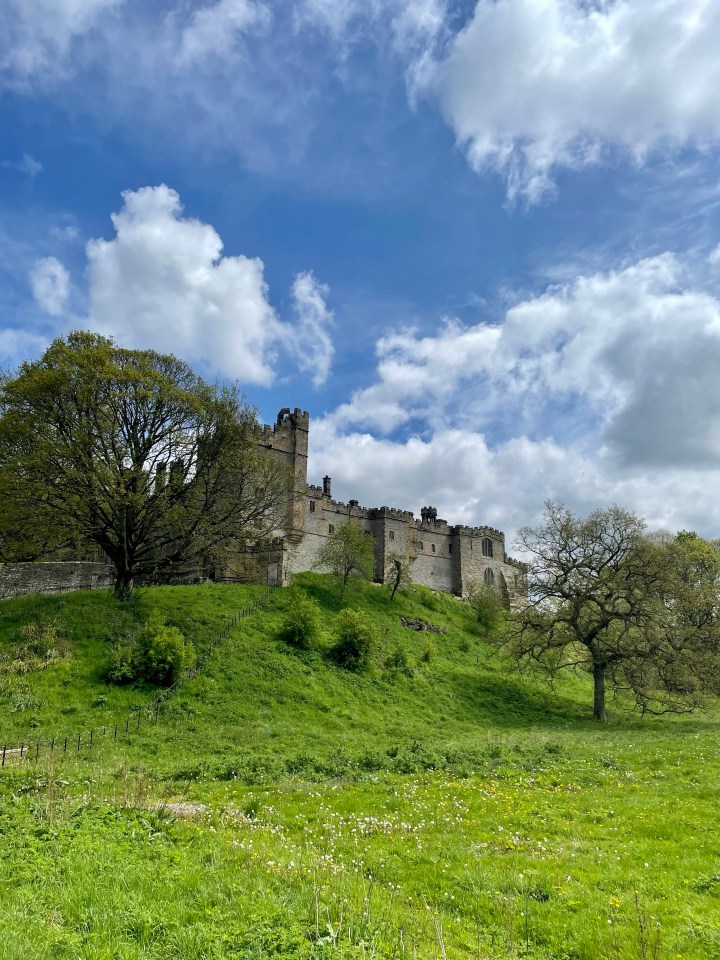
Haddon Hall 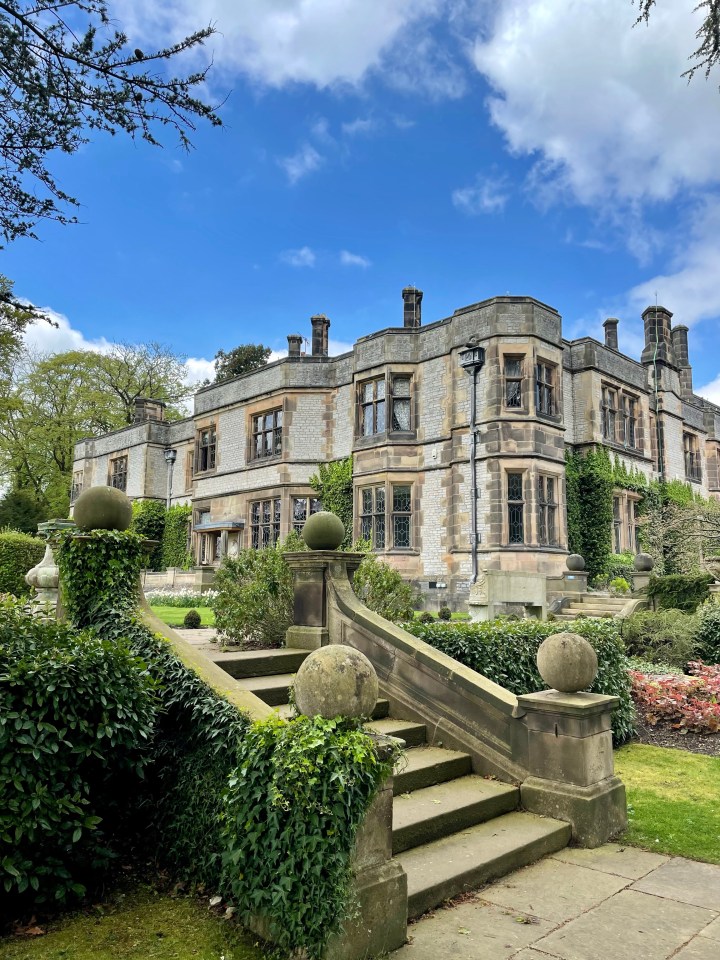
Thornbridge Hall 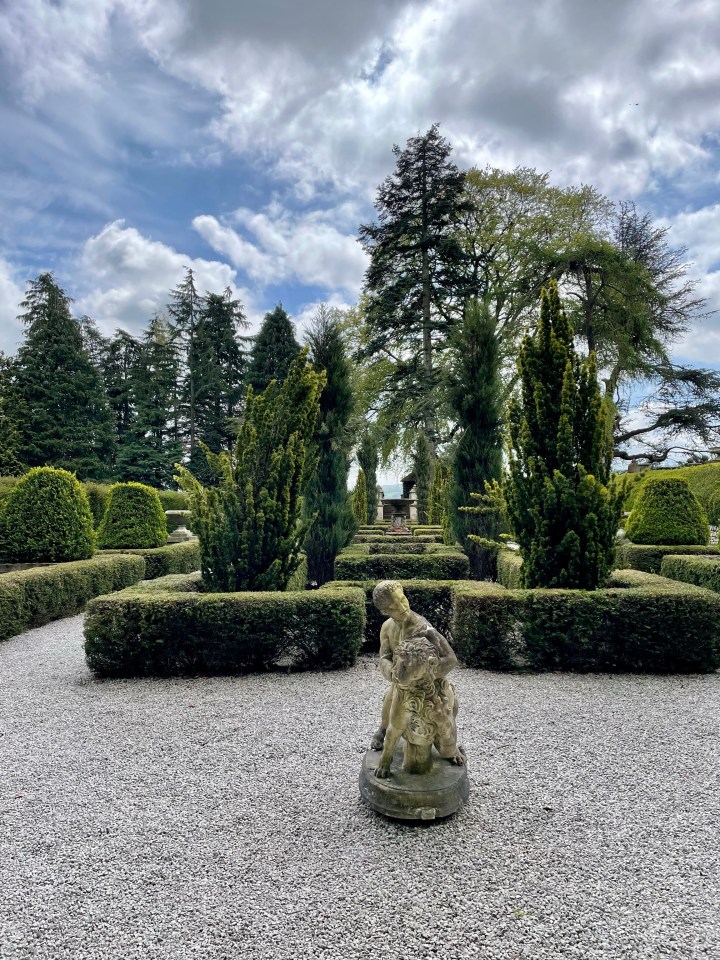
Thornbridge Hall 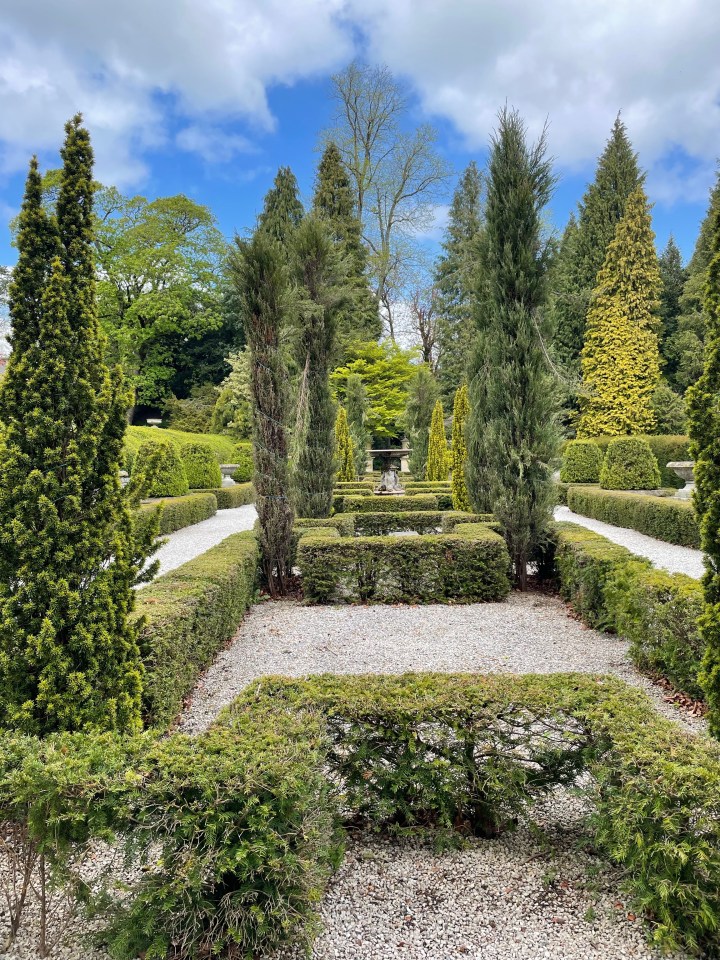
Thornbridge Hall 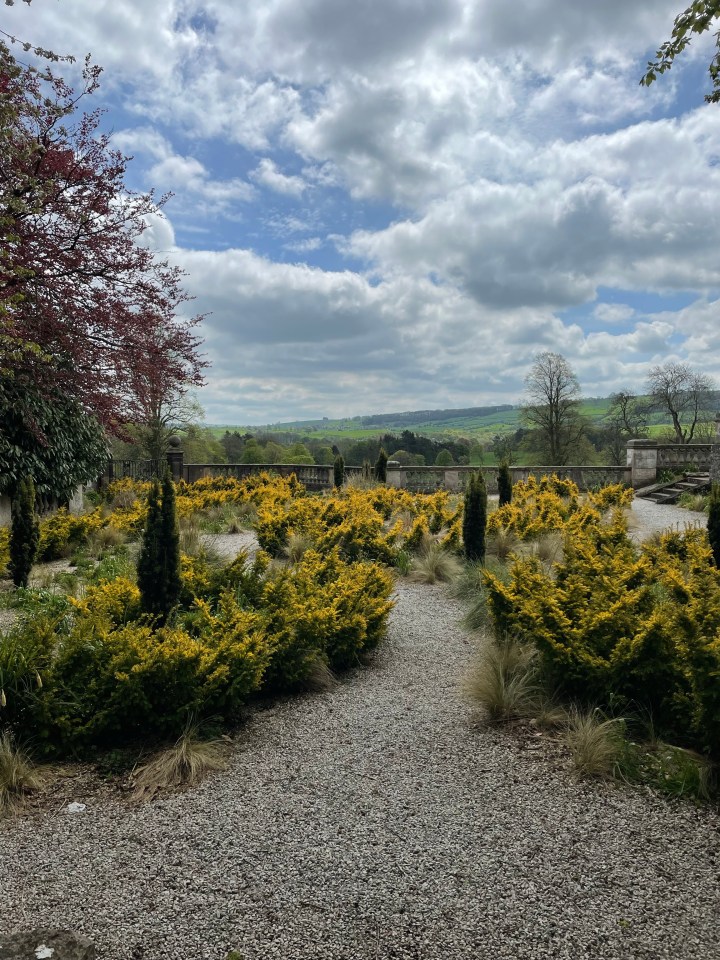
Thornbridge Hall 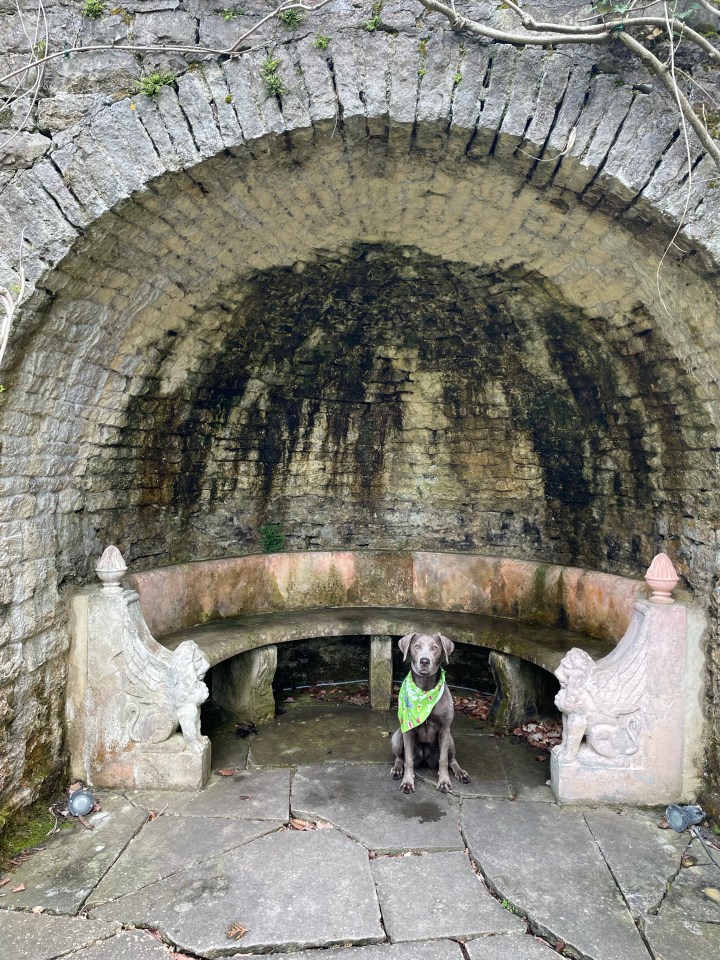
Thornbridge Hall 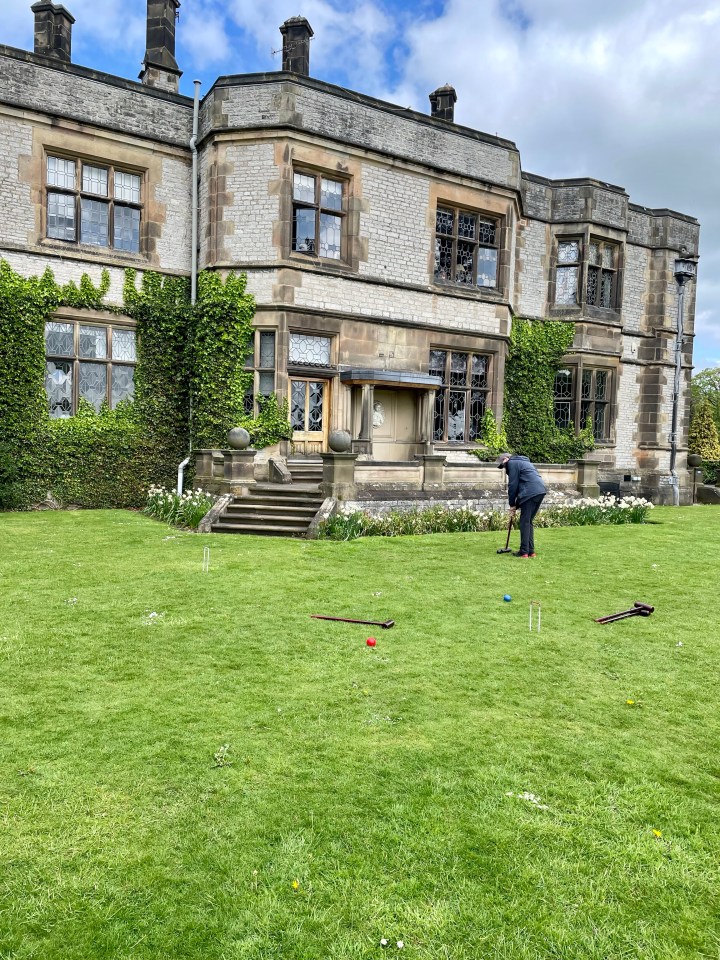
Thornbridge Hall 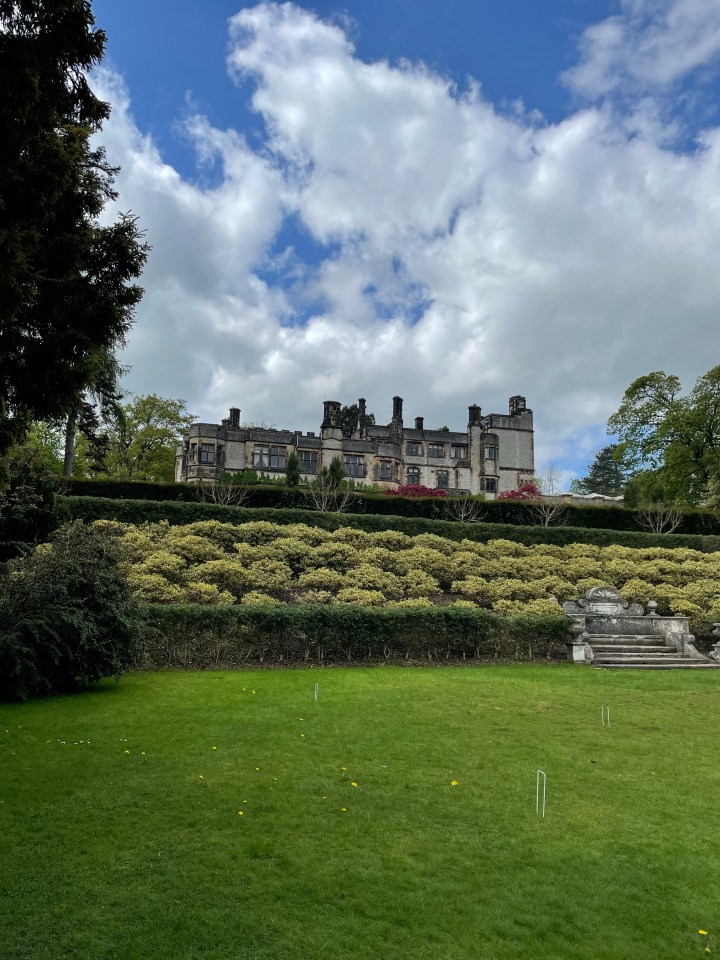
Thornbridge Hall 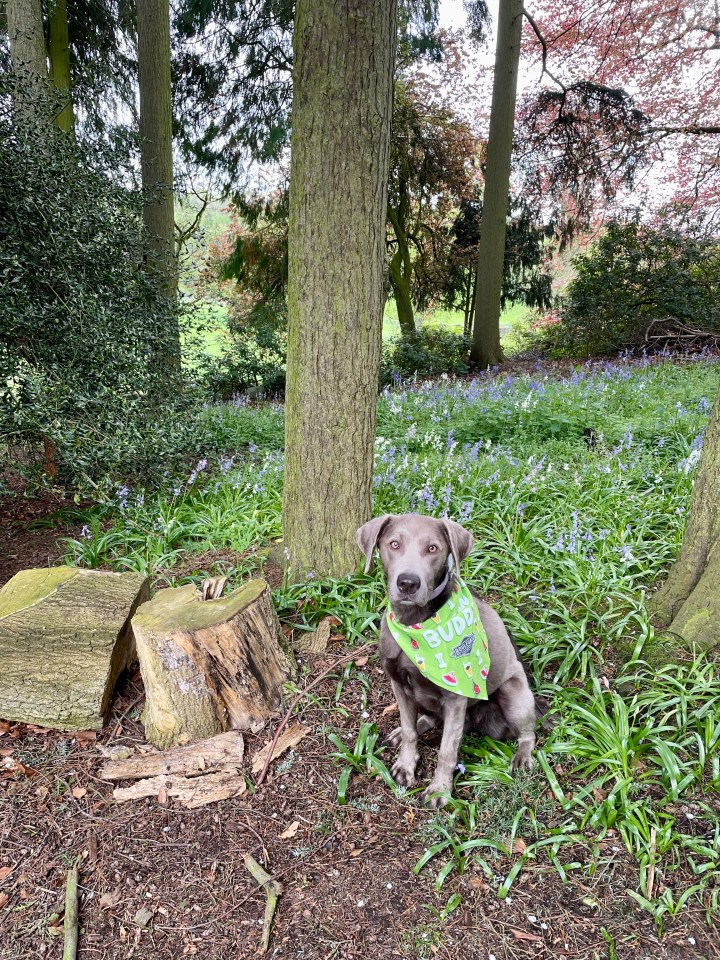
Thornbridge Hall 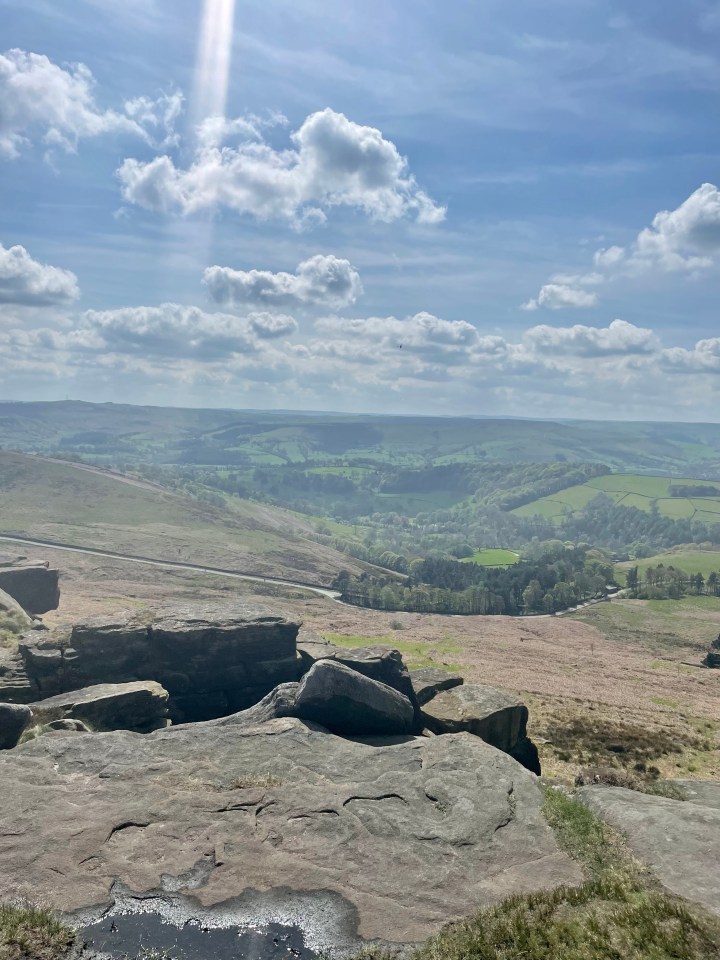
Stanage Edge 
Stanage Edge 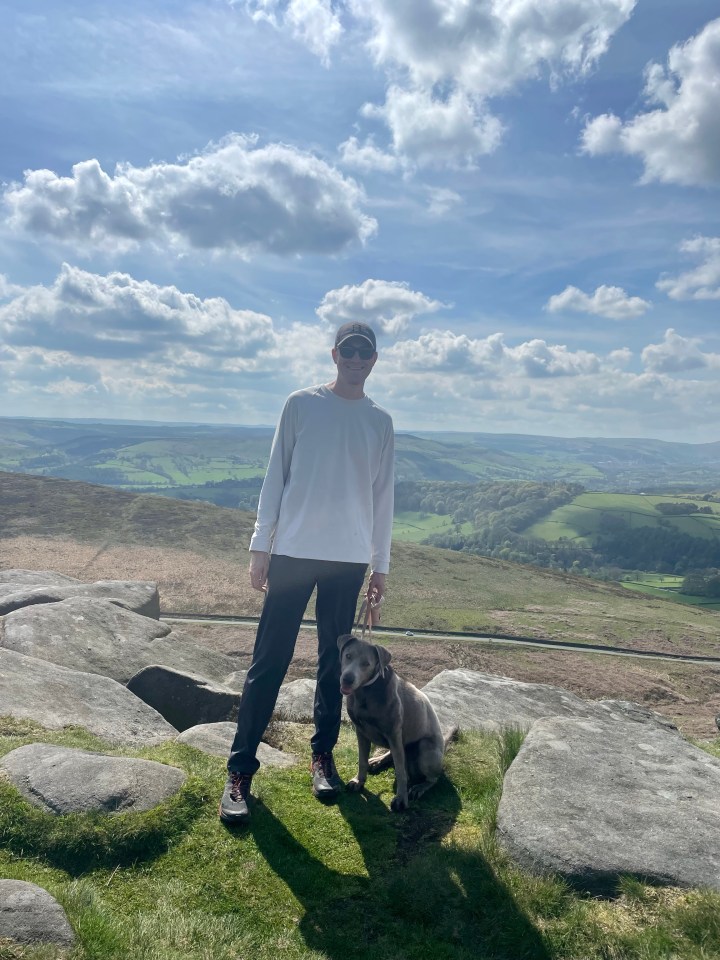
Stanage Edge 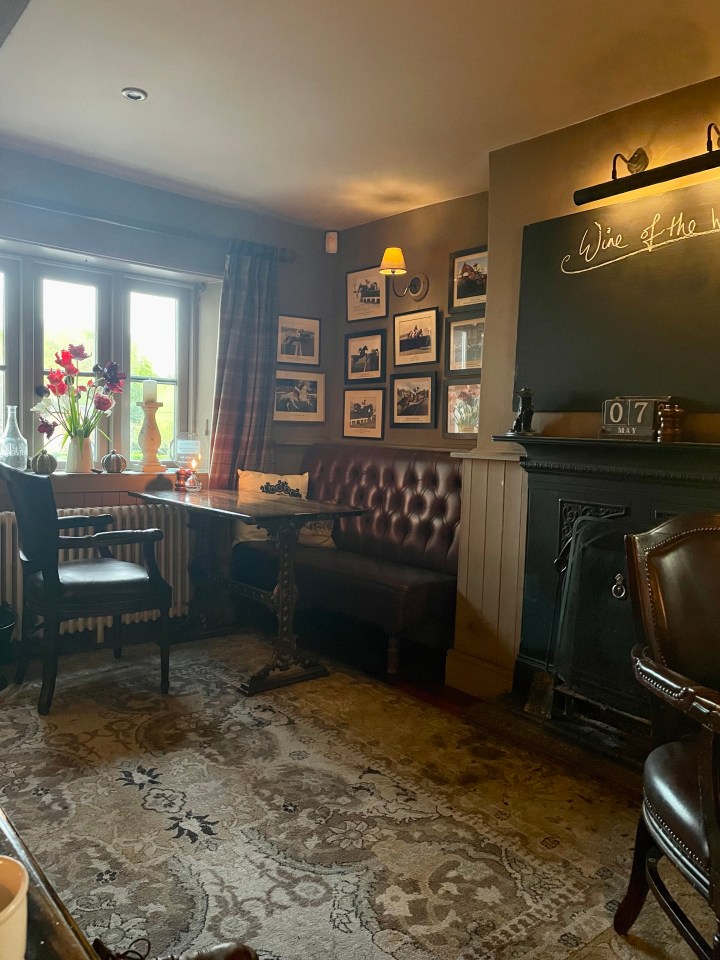
The Duncombe Arms Pub (Ellastone) 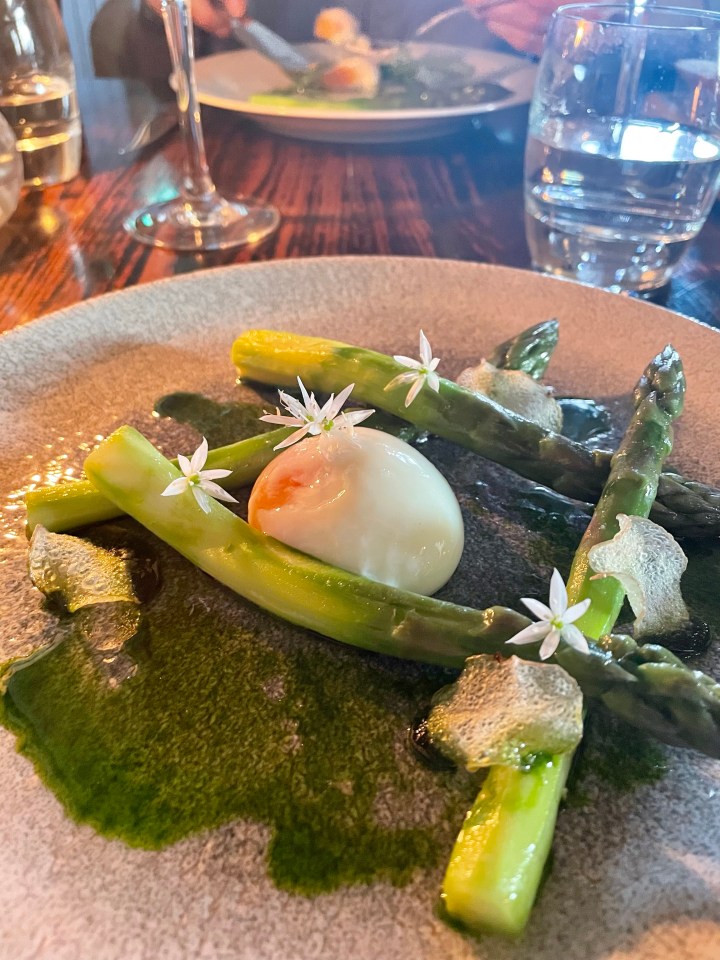
The Duncombe Arms Pub (Ellastone) 
The Duncombe Arms Pub (Ellastone) 
The Duncombe Arms Pub (Ellastone) 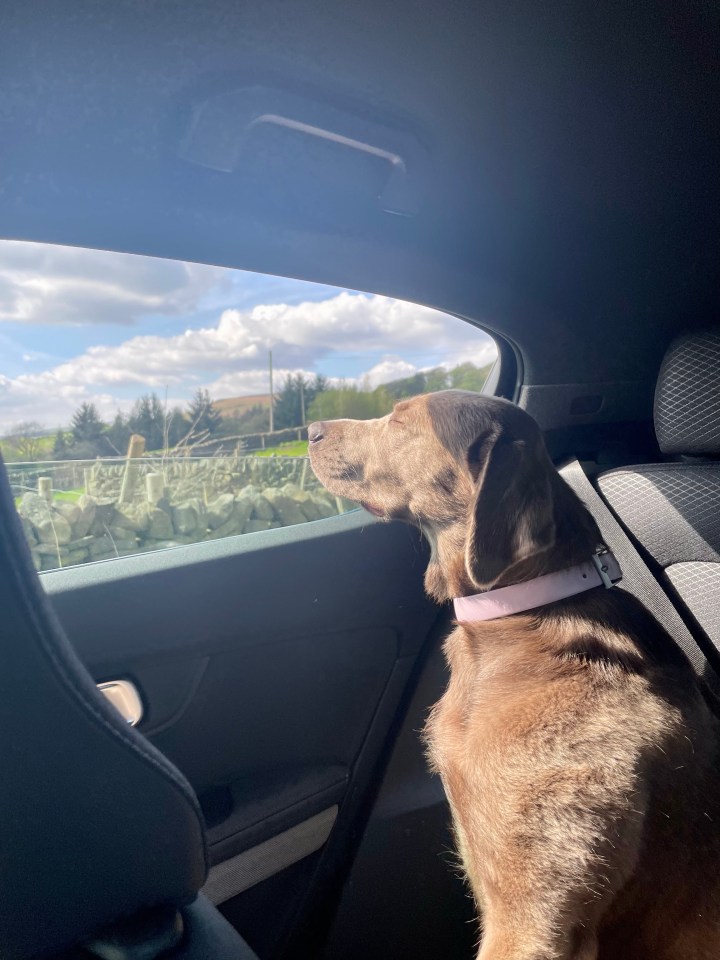
Food & Drink
- The Boot (Repton): The restaurant at our inn ended up being much better and more modern than anything I would have expected from a small country pub in the middle of a sleepy village. We ate dinner here on our first night in town and were pleasantly surprised with the creative small plates, including duck tacos with pineapple-and-jalapeño salsa, a hummus-style dip made from beetroot and goat cheese, and gochujang-glazed fried chicken with kimchi. Breakfast was just as wonderful, and the afternoon tea menu looked equally tempting.
- The Blind Bull (Little Hucklow): Although it inhabits the site of England’s fifth-oldest public house, the 12th-century inn formerly known as Ye Olde Bull’s Head was beautifully restored and reopened as The Blind Bull in 2020. Since then, it’s won plenty of awards, including placement on the prestigious Estrella Damm Top Gastropubs list. We had a wonderful dinner at the cozy-but-chic gastropub and taproom on Saturday night and our table in the conservatory had fantastic views across the moors. The seasonal menu featured ingredients primarily sourced either from its own garden or from within ten miles of the kitchen, and everything was absolutely delicious. Best of all, it was extremely dog-friendly and Lily made herself right at home on the ancient stone floors.
- Chatsworth House Farm Shop (Pilsley): Chatsworth House operates a fantastic farm shop and casual restaurant featuring a wide range of products that are either produced or prepared on the Chatsworth Estate or sourced from independent local suppliers. It’s technically still on the estate, but it was nearly a 10-minute drive from the main house and gardens to the farm shop located near the village of Pilsley. The additional stop was more than worth it, though—our sandwiches were so delicious that we ended up coming back for lunch the next day.
- The Duncombe Arms Pub (Ellastone): I made a reservation at this 19th-century traditional pub as soon as I found out that it had a Michelin Guide Bib Gourmand designation and we weren’t disappointed with the lovely dinner we had at the Duncombe Arms on our last night in the area. Although the eclectic décor and warm ambiance were very much in line with what we would have expected from a traditional country pub, the Duncombe Arms was definitely a ‘dining pub’ that only served a few classic pub dishes (e.g., elevated versions of fish and chips) and instead focused the majority of its menu on more adventurous, modern dishes with highly seasonal and locally sourced ingredients.
- The George (Hathersage): Located in the popular village of Hathersage in the beautiful Hope Valley, this 500-year-old historic coaching inn was recently refurbished and now contains an elegant inn and drinking pub. It was a lovely place to stop for a drink, but the real reason I wanted to visit was its famous literary connection: Charlotte Brontë stayed in Hathersage while writing Jane Eyre and not only visited The George but also included it in her famous novel.
- The Bulls Head (Ashford-in-the-Water): We stopped for a drink at this 17th-century coaching inn in the heart of Ashford-in-the-Water, an idyllic little village that was well worth a visit. The no-frills, family-run pub wasn’t anything special on its own, but the atmosphere was fantastic and it was perfect for a mid-afternoon drink.
Activities & Attractions
- Chatsworth House: One of the most popular historic homes in the Peak District is a glorious 17th-century manor set within a 1,800-acre park just a few miles outside of the popular village of Bakewell. Chatsworth House has belonged to the Cavendish family since 1549 and is currently the primary residence of the Duke of Devonshire. Although only 25 or so of its 126 rooms are open to visitors, the Grade I listed home was more than worth the visit, especially for a lifelong fan of Pride & Prejudice—Chatsworth House served as a primary filming location for Pemberley, Mr. Darcy’s country estate, in the 2005 film adaptation. We had Lily with us so I toured the interior of the magnificent sandstone house on my own, but all three of us were able to enjoy a long walk through the elaborately designed and carefully cultivated 105-acre garden. I was also very impressed with the gift shop that offered a great selection of locally made goods and products from the estate’s farms, as well as plenty of Pride & Prejudice merchandise, of course.
- Haddon Hall: Another popular Grade I listed home lies just a few miles away from Chatsworth House on the River Wye. The origins of Haddon Hall date back to the 11th century, although the Great Hall and most of the current structures were constructed during the 14th century. Haddon Hall is one of the best-preserved examples of a fortified medieval manor house in all of England, as well as one of the only houses in the country to have remained in one family’s ownership for its entire existence. The estate is surrounded by a lovely medieval parkland with plenty of walking trails and stunning landscapes, and the weathered greystone tower and gatehouse at the edge of the fortress made for a particularly picturesque entrance to the grounds and rose gardens surrounding the hilltop manor house.
- Thornbridge Hall: We also visited Thornbridge Hall, a Grade II* listed stately home near the village of Great Longstone surrounded by 10+ acres of quirky and quintessentially English gardens. Although the hall is a private home, the impressive (and dog-friendly) gardens are open to the public between April and September. It was extremely busy when we visited, but it was still an enjoyable place to walk around for an hour or so.
- Stanage Edge: A unique gritstone formation overlooking the town of Hathersage stretches for more than 6 kilometers, providing sweeping views across Hope Valley, the River Derwent, and the Dark Peak. The wind-worn cliffs are a popular climbing spot for boulderers, but the escarpment is perhaps equally popular with fans of Pride & Prejudice because it was used as a filming location for the iconic scenes where Keira Knightley as Elizabeth Bennett is standing on a precipice overlooking the misty moorland. The hike up to the main overlook was actually much easier than it looked and it didn’t take us more than a few hours for the round trip.
- Baslow Edge: Although it’s not nearly as long or as popular as Stanage Edge, another beautiful outcrop of gritstone rocks surrounded by wild moorland sits above the pretty hillside village of Baslow at the eastern edge of the Peak District National Park. It was a lovely place for a hike with Lily, but I was definitely disappointed we didn’t get a glimpse of the herd of Highland Cattle that lives in the area.
 Lindsey in London