April 27 – May 1, 2023
I had always been intrigued by the unique history and cultural identity of Malta, but a visit to the ‘sunniest place in Europe’ became an even higher priority during the particularly cold and rainy spring we experienced in London this year. Known for having more than 300 days of sunshine per year (and a robust tourism campaign that plasters Northern European airports with this fact), a long weekend in Malta seemed like the perfect way to escape the seemingly endless rain in London and check another country off of our lists.
The Republic of Malta is the tenth-smallest country in the world and has a total population of just over 500,000, but it has played an outsized role in history given its strategic location between Italy and Northern Africa in the Mediterranean Sea. Malta has been conquered by a long succession of rulers throughout its nearly 8,000-year history, including the Roman Empire, Arabs, Normans, Knights of St. John, France, and, finally, the British Empire, which ruled the archipelago from 1813 until it became a sovereign nation in 1974. This complex and diverse background has resulted in a true melting pot culture with a unique mix of influences from conquering nations and neighboring cultures (most notably Sicily, which lies less than 50 miles to the north), including the Maltese language, a bizarre mix of historical Arabic and Italian dialects.
We arrived on a Thursday afternoon after an easy three-hour flight to the country’s only airport and a short drive to Valletta, the smallest national capital in the EU. Driving in Malta was…interesting, but things improved dramatically once we decided to just keep our car parked in Valletta’s main garage unless we were leaving the city limits. After some initial frustration with the parking situation, we checked in at 19 Rooms, a charming boutique hotel in an 18th-century palazzo tucked away on a side street that was a 10-minute walk from just about everything in the tiny city without being in the middle of the crowds. We rewarded ourselves with a few glasses of wine and some local cheeses at an incredible wine bar and ended the evening with dinner at Grain Street, the first of many amazing meals we had in Malta.
Despite having a total area of just 122 square miles, there were so many things that I wanted to see and do (and eat) in Malta. We spent most of our time on the main island (also known as Malta), which is by far the largest and most populous of the three major islands that constitute the Maltese Archipelago; naturally, it also contains the majority of the main attractions. We started off our sightseeing adventures on Friday by driving over to Mdina, the fortified city that served as the island’s capital from antiquity to the medieval period. Only 300 people live within its extensively restored city walls, but the car-free ‘Silent City’ is one of Malta’s top attractions. It’s really less of a city and more of an open-air museum full of gorgeous palazzos, churches, and piazzas, and it felt like we were going back in time as soon as we stepped through the gates. Highlights from the afternoon we spent in Mdina included an excellent lunch at Trattoria AD 1530, visiting the dazzlingly ornate St. Paul’s Cathedral, and touring the catacombs of St. Paul and St. Agata in the adjoining town of Rabat.
After leaving Mdina, we drove to the ancient temples of Ħaġar Qim and Mnajdra on the southern coast of the island. Malta is home to more than a dozen prehistoric temples that are among some of the most ancient religious sites—and oldest freestanding structures—in the world. We decided to visit Ħaġar Qim and Mnajdra because they’re official UNESCO World Heritage Sites and the same ticket provides entry to both parks. I can obviously appreciate how special it is to be able to see something that has remained relatively unchanged for 5,000+ years, but honestly, the best part of the archeological park was the absolutely stunning views of the open sea. Similar to Stonehenge and other megalithic structures, archaeologists haven’t been able to determine how or why the temples were built and the lack of context made it harder to appreciate a bunch of giant rock formations. In hindsight, it would have probably been better to visit the National Museum of Archaeology in Valletta, which houses the majority of the sculptures and engravings found at Maltese temple sites.
On our way back to Valletta we stopped in Marsaxlokk, a small village known for its picturesque harbor and fishing industry, to soak up the last rays of sunshine in one of the many harborfront restaurants while watching the traditional, brightly colored luzzu and kajjikk fishing boats bob in the water. Finally, we made it back to Valletta to quickly freshen up before heading to our dinner reservations at Terrone in Birgu, one of the so-called Three Cities. The fortified towns of Birgu (also known as Vittoriosa), Senglea, and Cospicua straddle two peninsulas on the other side of Valletta’s Grand Harbour and have a more laidback, bohemian vibe than Valletta. We had an exceptional dinner within the walls of the magnificent Fort St. Angelo, which was originally a medieval castle that was rebuilt as a bastioned fort in the early 16th century and is still one of the most iconic landmarks in the Grand Harbour.
The first stop on our Saturday itinerary was at St. John’s Co-Cathedral, one of Malta’s most celebrated attractions and easily one of the most beautiful and interesting churches Andy and I have visited. The now-iconic church in the heart of Valletta was built after the Order of Knights of the Hospital of Saint John of Jerusalem—more commonly known as the Knights Hospitaller—held off Ottoman invaders during the Great Siege of Malta in 1565. In direct contrast to its relatively plain façade, everything about the cathedral’s interior was extremely ornate with intricately carved stone walls, gilded vaulted ceilings, marble tombstones, and a dazzling display of tapestries, altarpieces, and frescoes. However, the undisputed highlight was Caravaggio’s The Beheading of Saint John the Baptist, an absolutely massive oil painting that is considered one of the artist’s most important works. It’s notable for being the only painting with Caravaggio’s signature, depicted in the dark and gruesome scene as blood spilling from John the Baptist’s throat, and it was honestly one of the most captivating paintings I’ve ever seen in person.
We then navigated downhill through Valletta’s maze of winding streets to an inconspicuous opening in the rocks below the Upper Barrakka Gardens that marks the entrance to the Lascaris War Rooms. As the only Allied base between Gibraltar and Egypt, Italian and German air forces targeted Malta during more than 3,000 bombing raids between 1940-1942—making the tiny country one of the most intensively bombed areas during World War II. The underground complex that would eventually become the Lascaris War Rooms was secretly constructed during the siege using a series of rooms and tunnels from the Hospitaller era. In addition to its role in defending the island, the complex was later used as the advance headquarters for the Allied invasion of Sicily led by General Eisenhower in 1943, a major turning point in the war that directly resulted in the fall of Mussolini and the Fascist regime in Italy. Andy and I were both surprised by how much we enjoyed walking through the complex and the tiny museum highlighting the important role that the Lascaris War Rooms and the Maltese population played during the war, and it ended up being one of the sightseeing highlights of our trip.
After walking through both the Upper Barrakka Gardens and Lower Barrakka Gardens, we sat down at The Harbour Club for yet another marvelous meal as we admired the picture-perfect views of the Grand Harbour from our table on the terrace. Recharged and well-fed, we hit the road so that we could explore more of the eponymous main island before sunset. We took in some more stunning views and admired some of the island’s top attractions, including the Blue Grotto and the Dingli Cliffs, before finally making it to an actual beach. Golden Bay has some of the best beaches in Malta and, naturally, most of the resort-style hotels are found there. It was great to get a little bit of beach time in before heading back for an incredible dinner at Noni, but we were extremely happy with our choice to stay at a historic hotel in Valletta instead of a larger resort.
We spent the majority of our final day in Malta on Gozo, the second-largest island in the archipelago. With an area of 26 square miles, Gozo is roughly the size of Manhattan, but with just over 30,000 inhabitants it felt much more rural than most of the main island. The only way to reach Gozo is on a car ferry and although the journey between Ċirkewwa on the northwestern tip of Malta to the tiny Mġarr harbor on Gozo only takes 20-25 minutes and was very easy, the traffic was pretty crazy and added at least 45 minutes to each crossing. However, the minor inconveniences were more than worth it and we were really happy that we were able to end our absolutely wonderful trip by spending time in such a beautiful (and very different) part of Malta. We loved just about everything that this tiny country had to offer, and I would highly recommend Malta to anyone in search of a Mediterranean beach destination. The sunshine, seafood, and scenery were incredible, but the country’s history, culture, and sightseeing made our trip to Malta so much more than a typical beach vacation.
If you’re planning a trip to Malta, click here to access and download my Google Maps list of saved locations.

Valletta 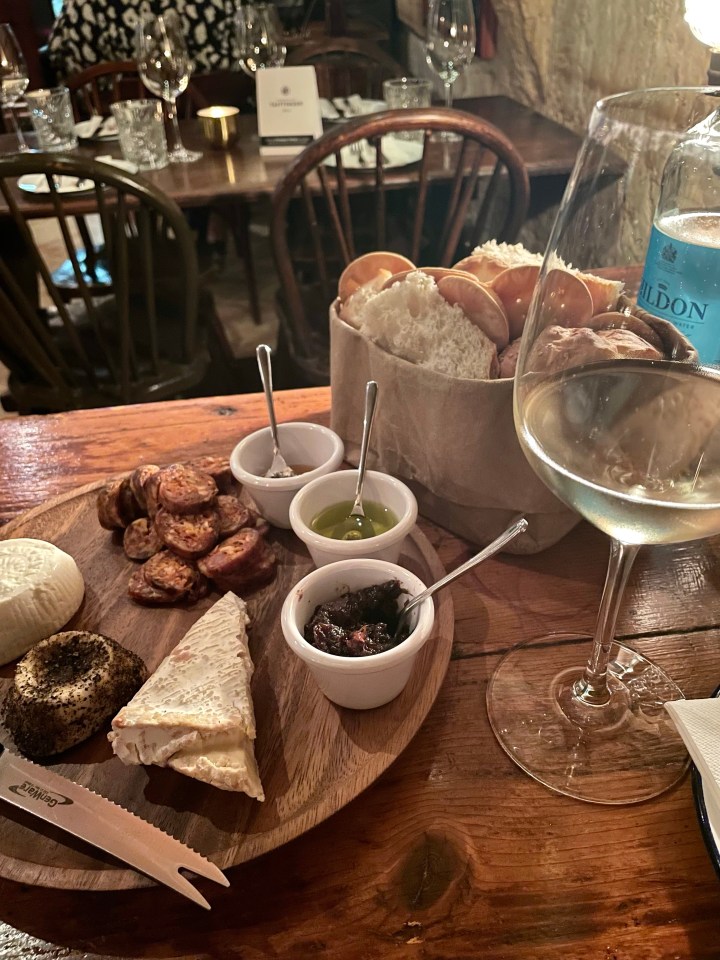
Trabuxu Wine Bar (Valletta) 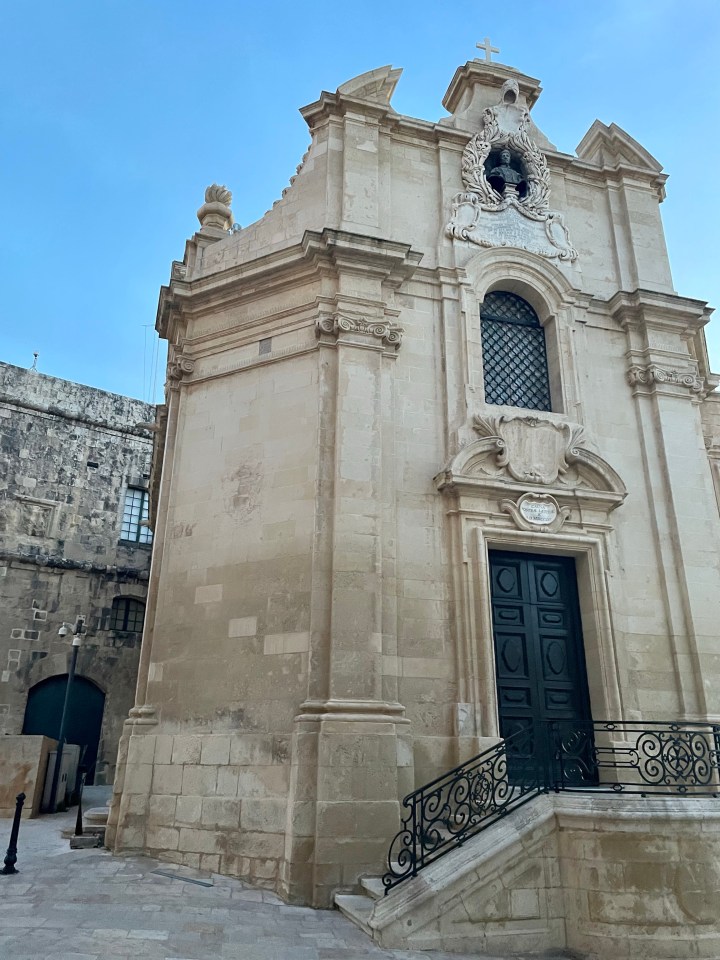
Our Lady of Victory Church (Valletta) 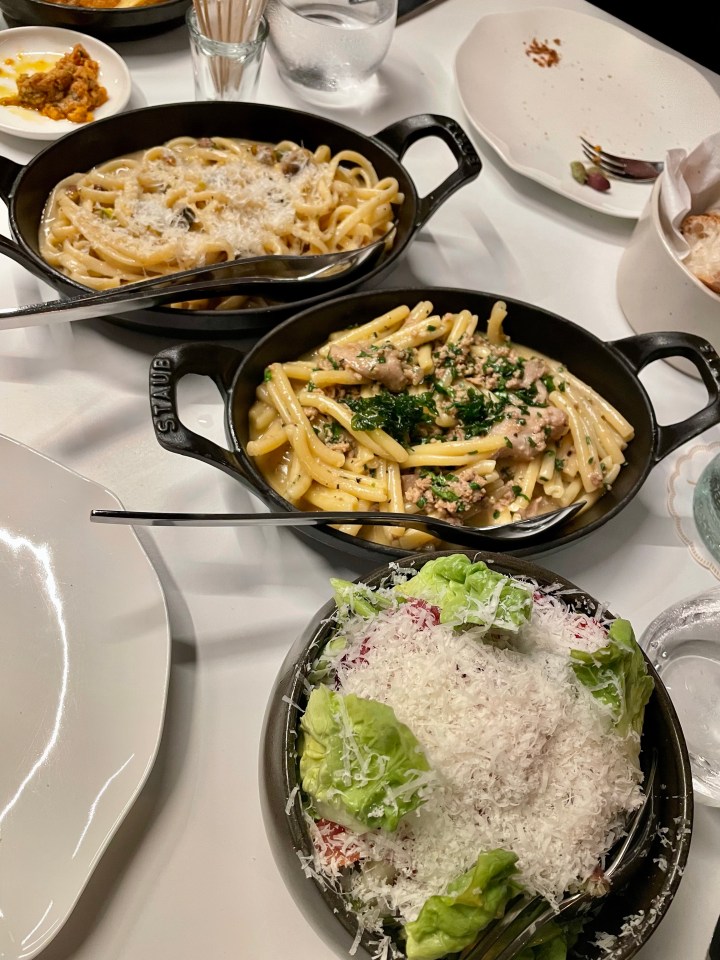
Grain Street (Valletta) 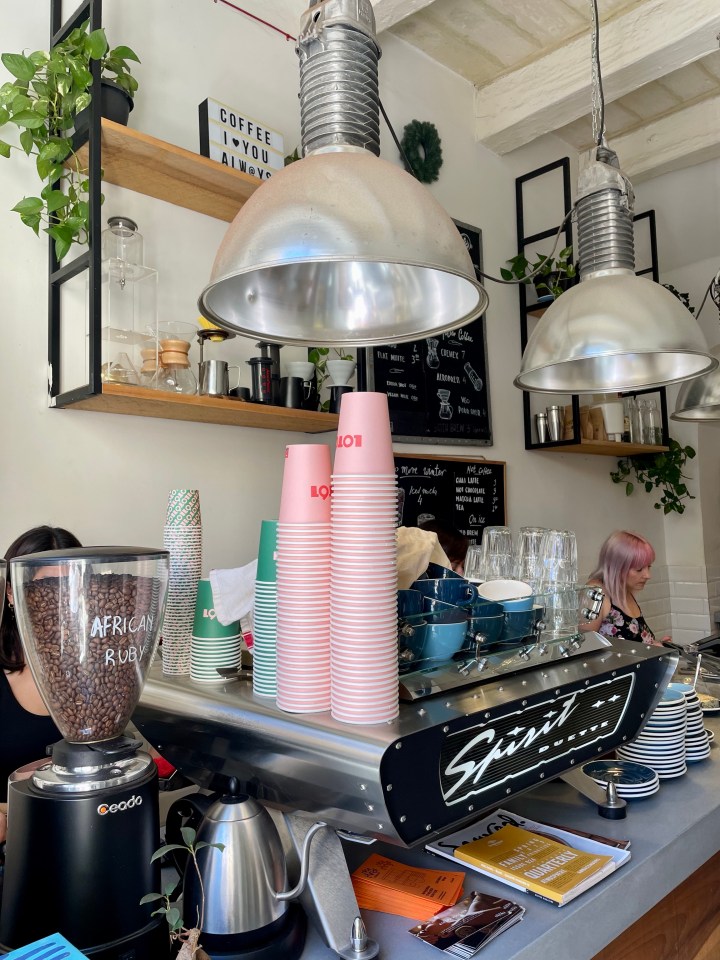
Lot 61 Coffee Roasters (Valletta) 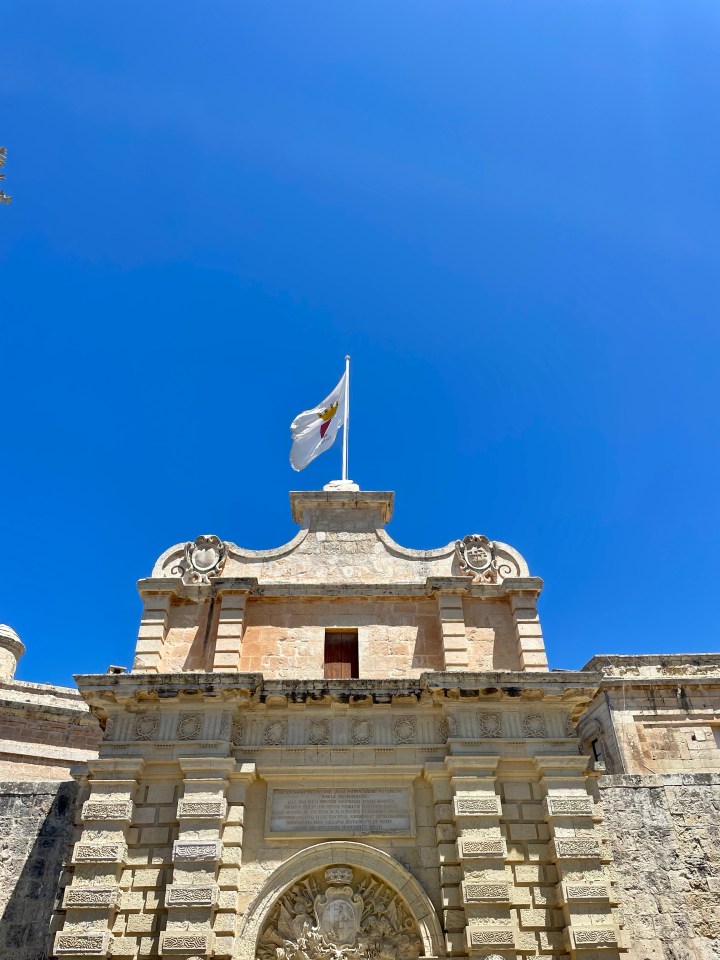
Mdina city gates 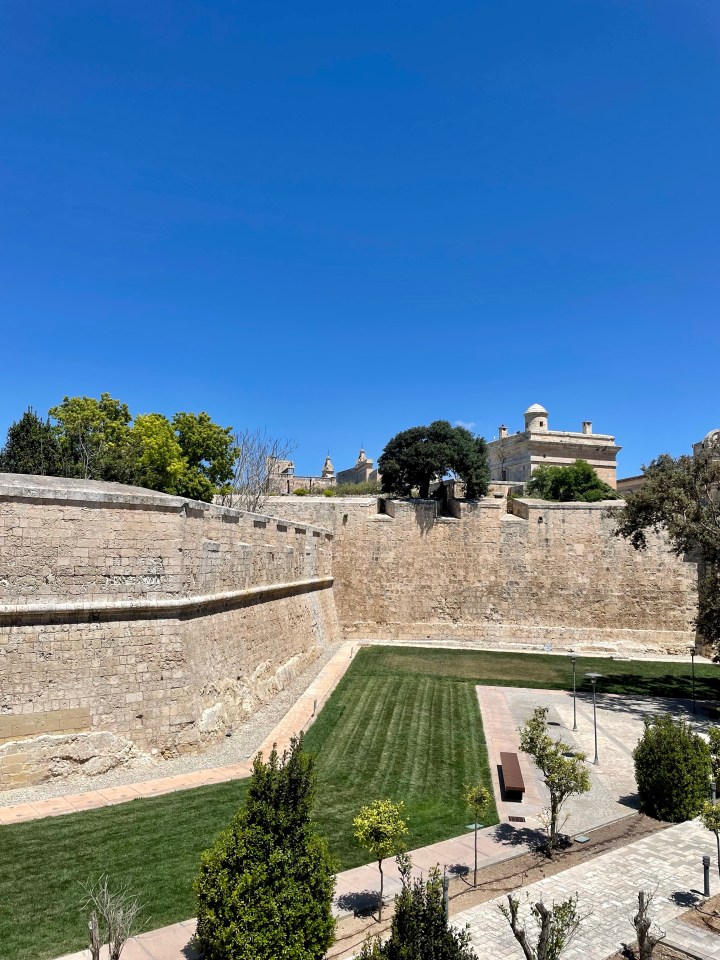
Mdina city walls 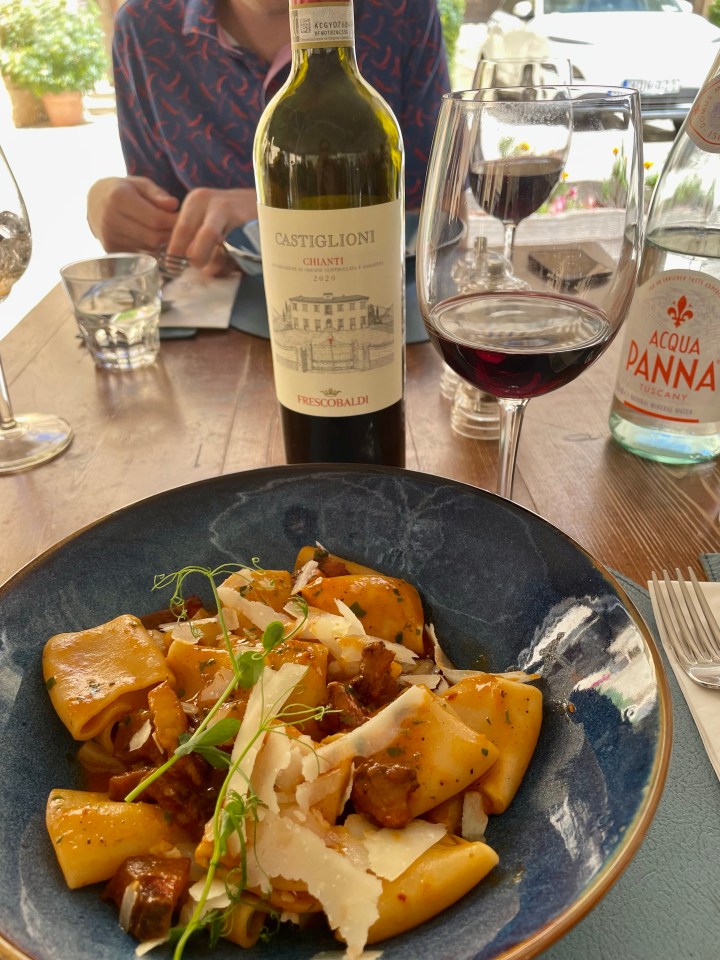
Xara Palace (Mdina) 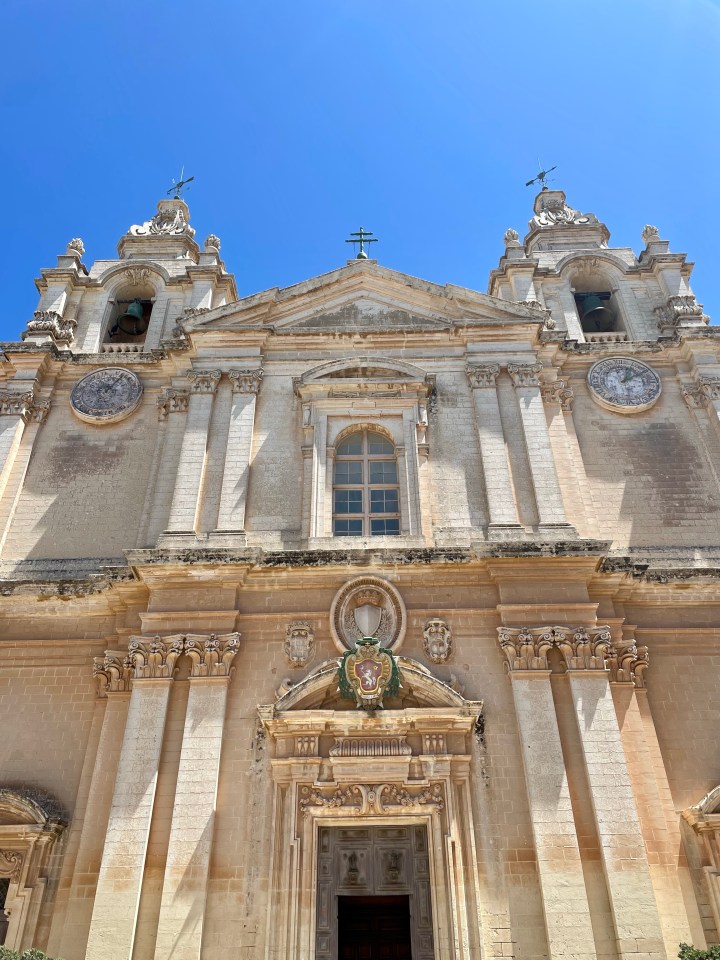
St. Paul’s Cathedral (Mdina) 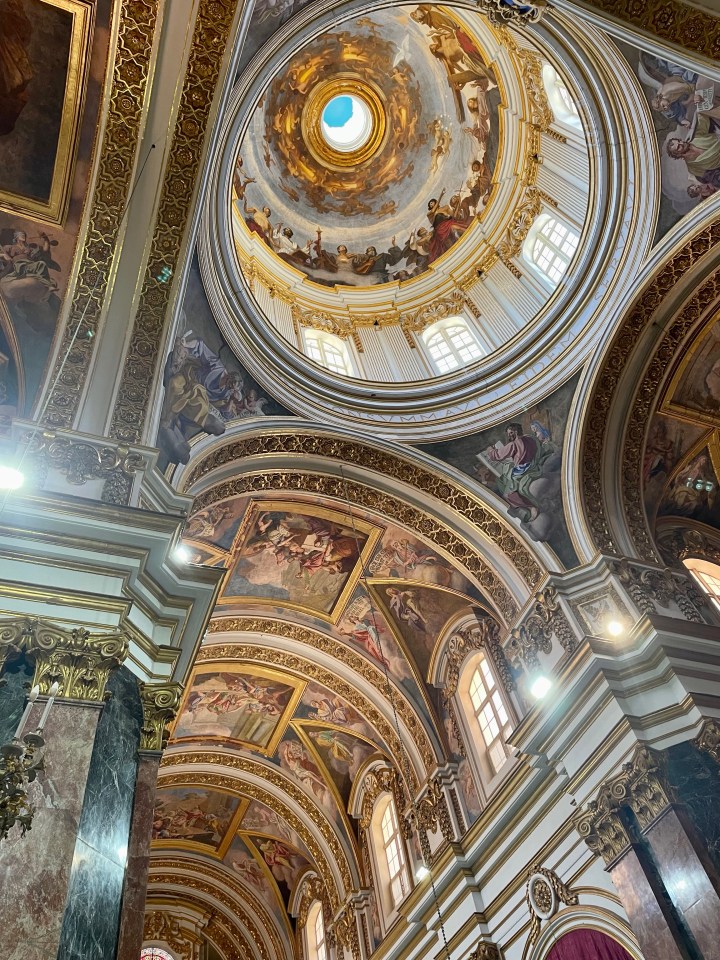
St. Paul’s Cathedral (Mdina) 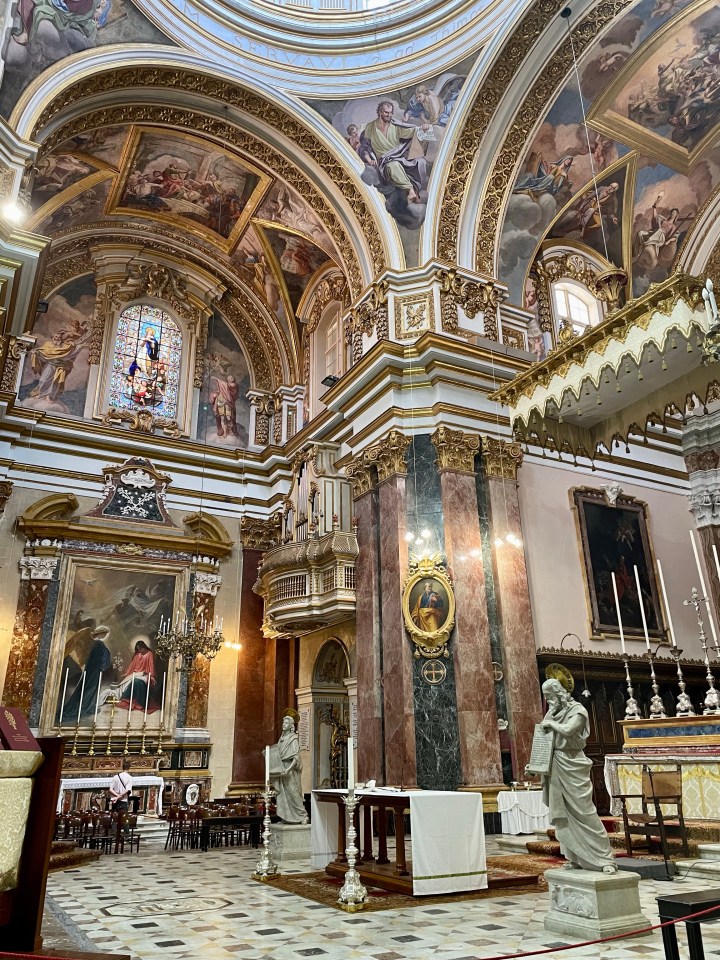
St. Paul’s Cathedral (Mdina) 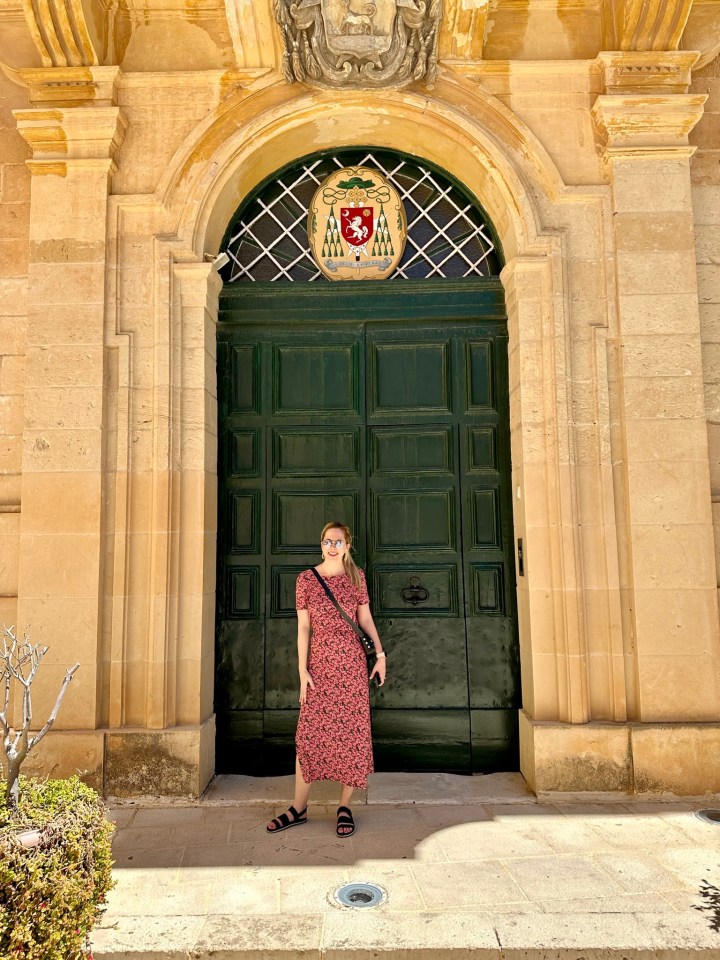
St. Paul’s Cathedral (Mdina) 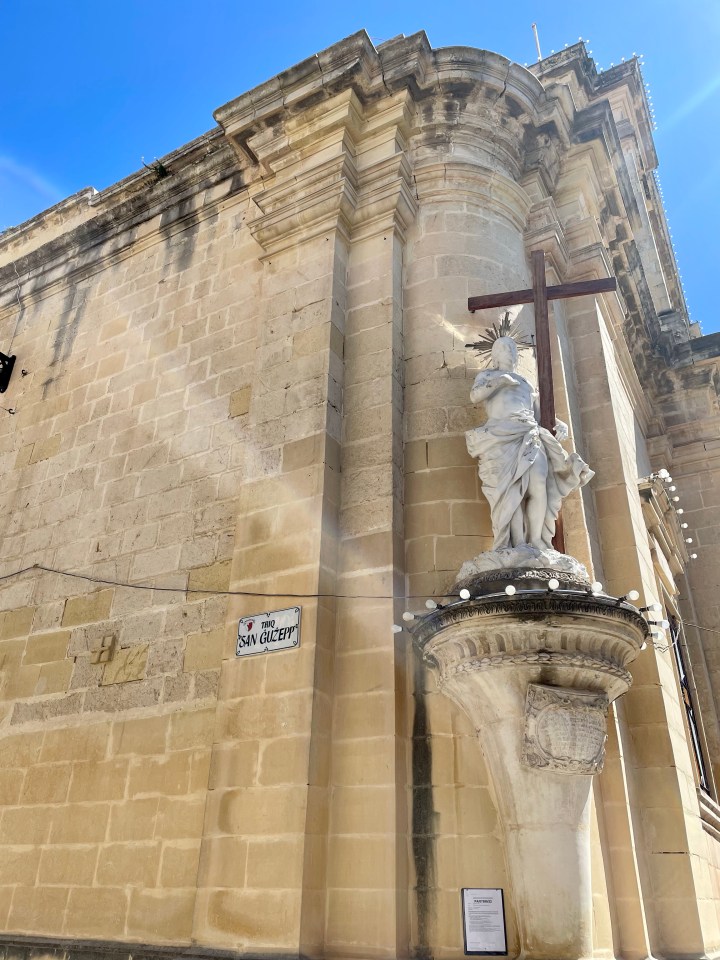
Mdina 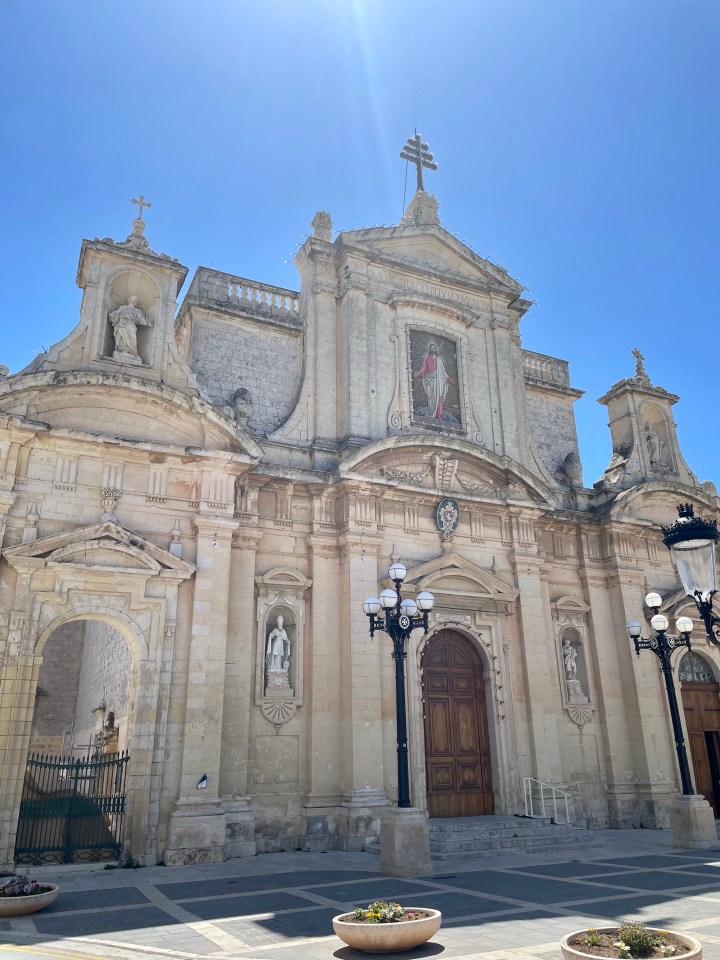
Basilica of St. Paul (Rabat) 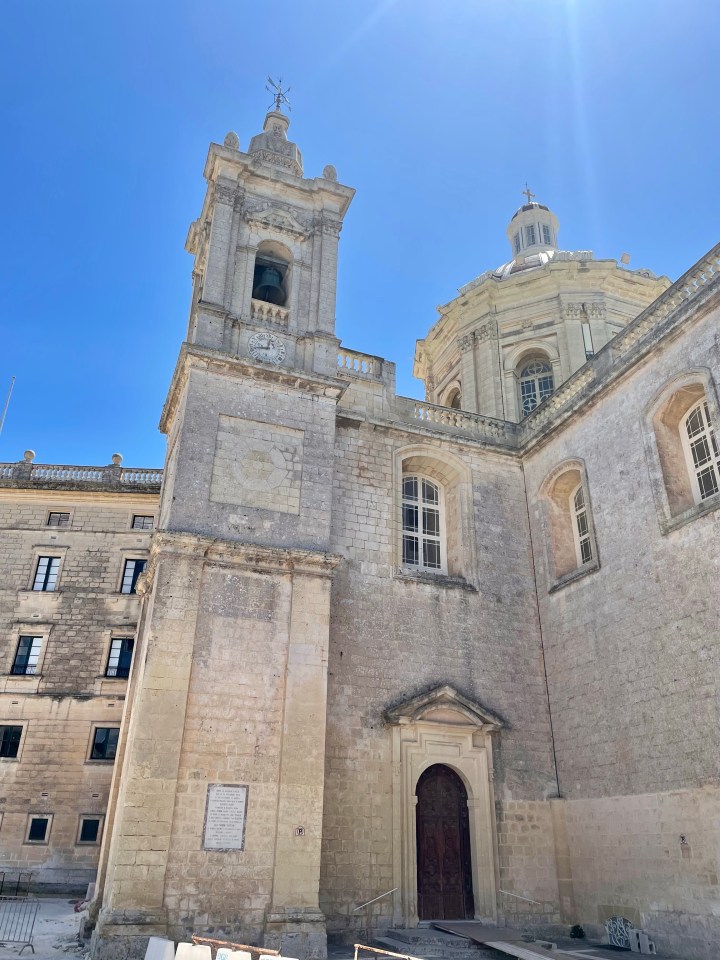
Basilica of St. Paul (Rabat) 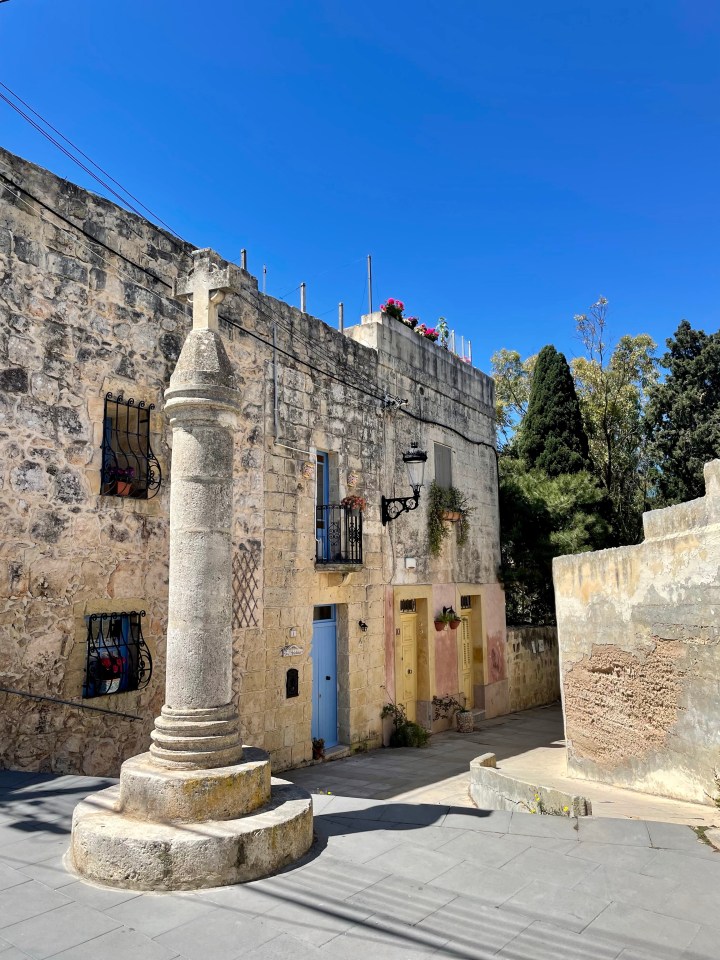
Rabat 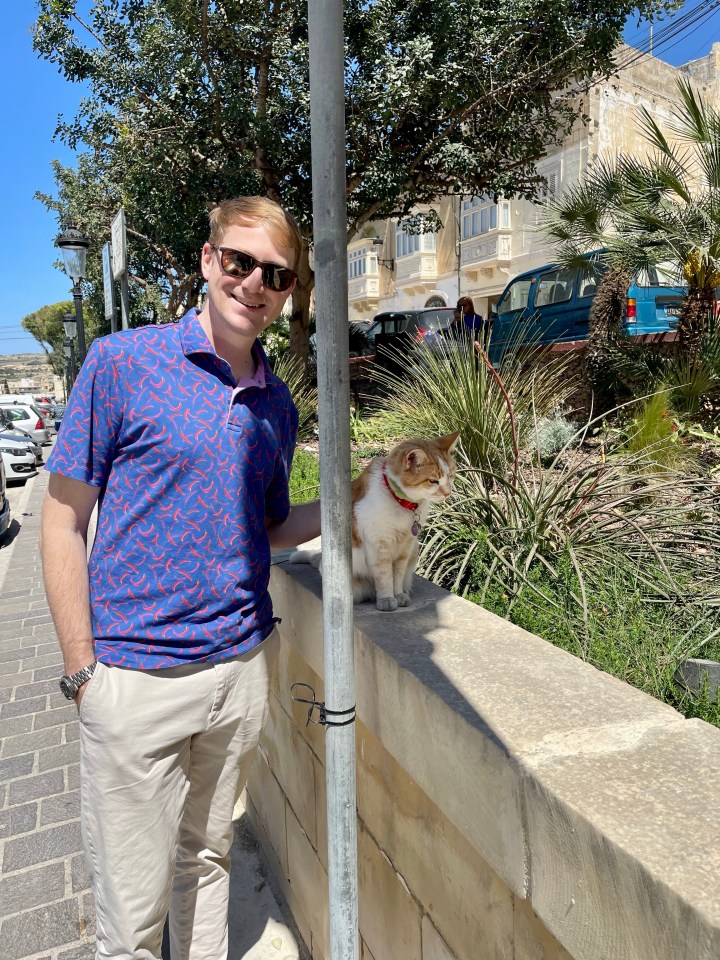
I’d be lying if I said that the street kitties weren’t one of our favorite things about Malta 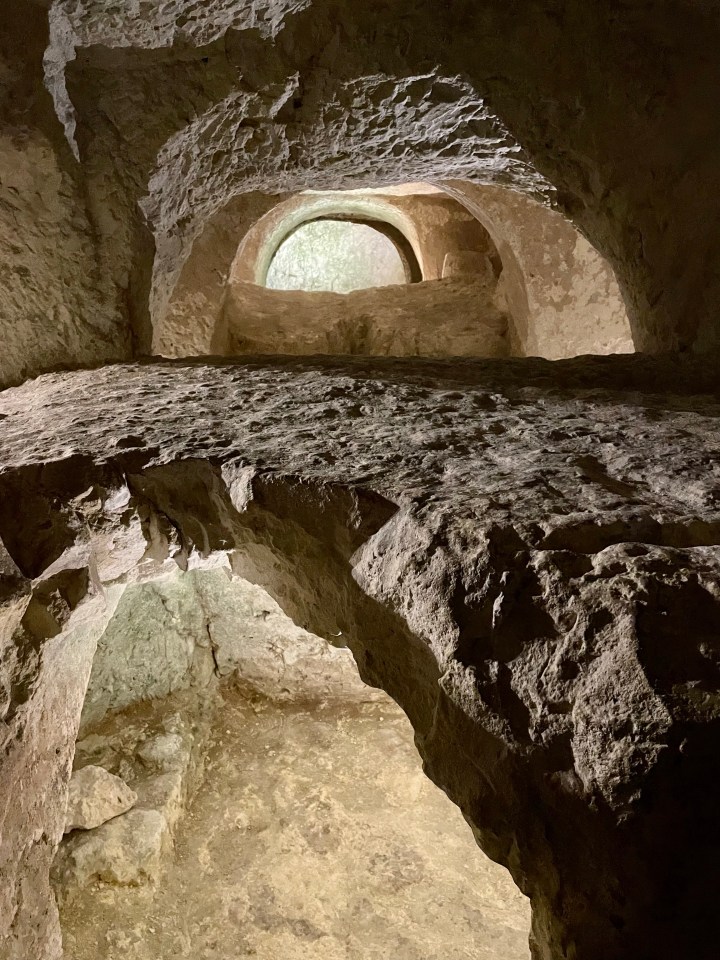
St. Paul’s Catacombs (Rabat) 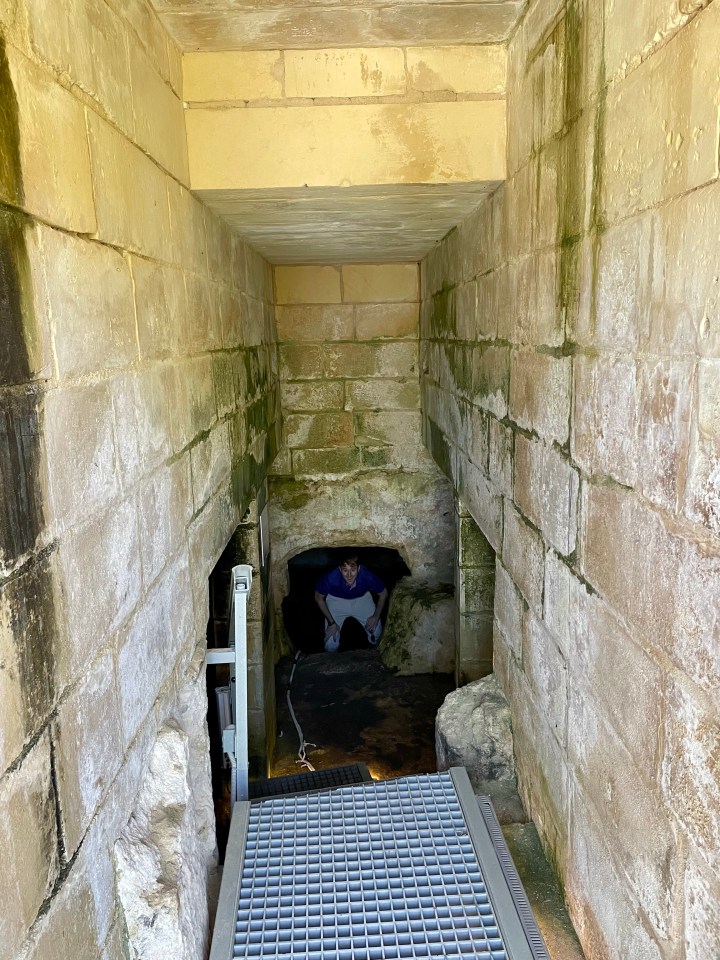
St. Paul’s Catacombs (Rabat) 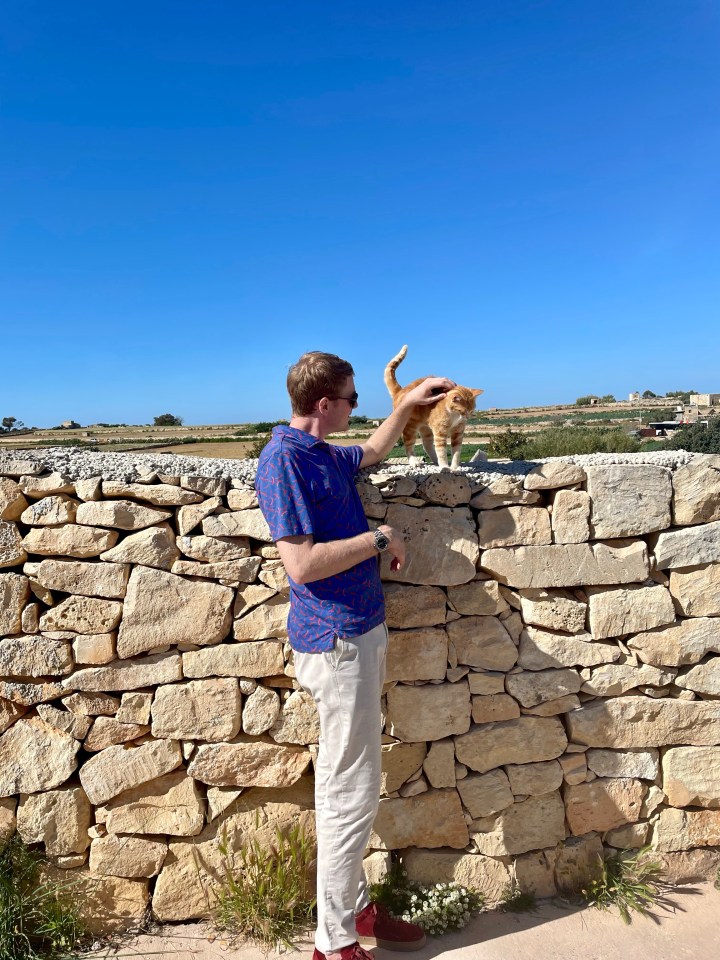
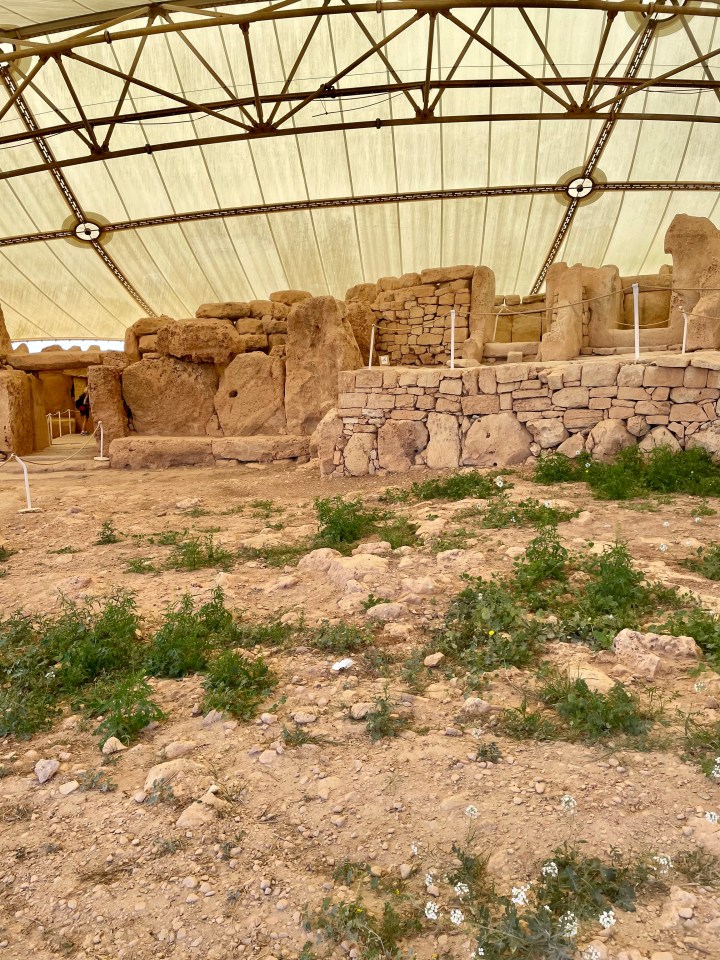
Mnajdra Temples 
Ħaġar Qim 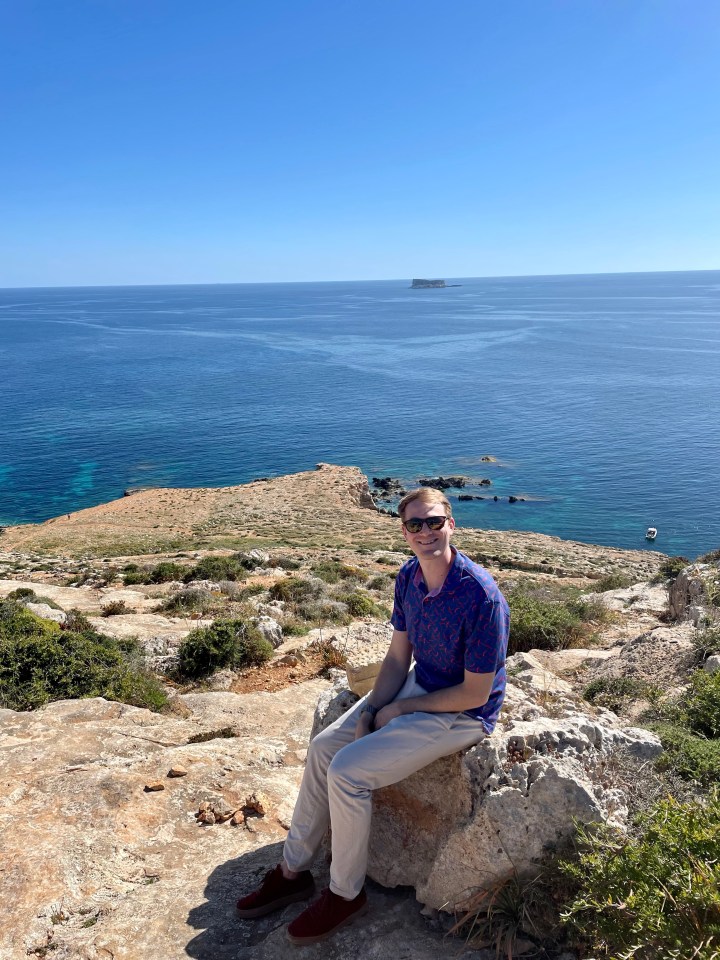
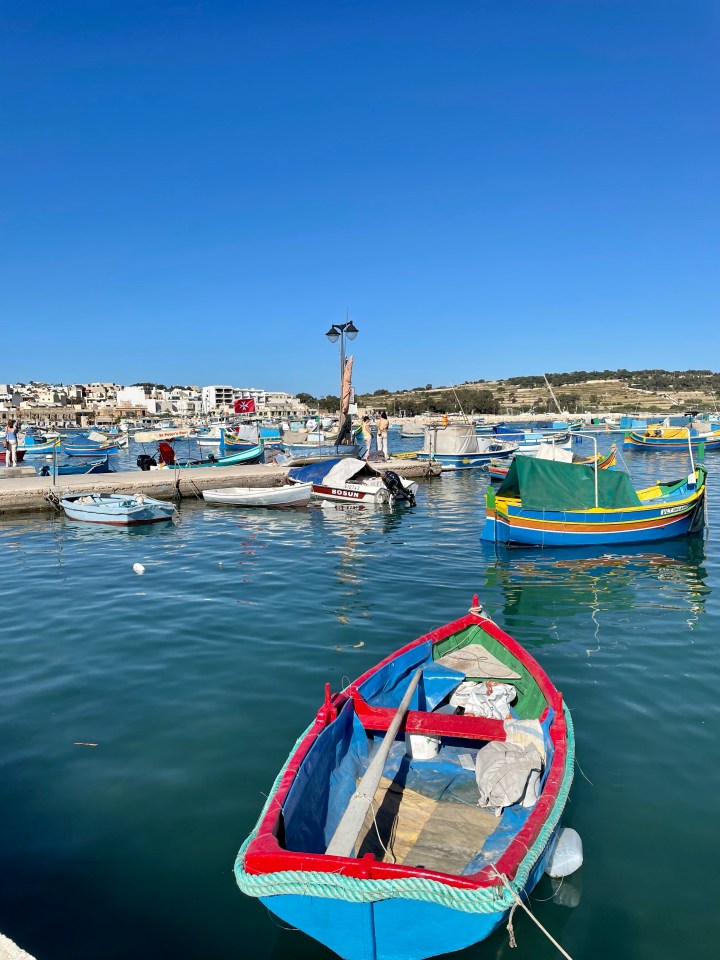
Marsaxlokk 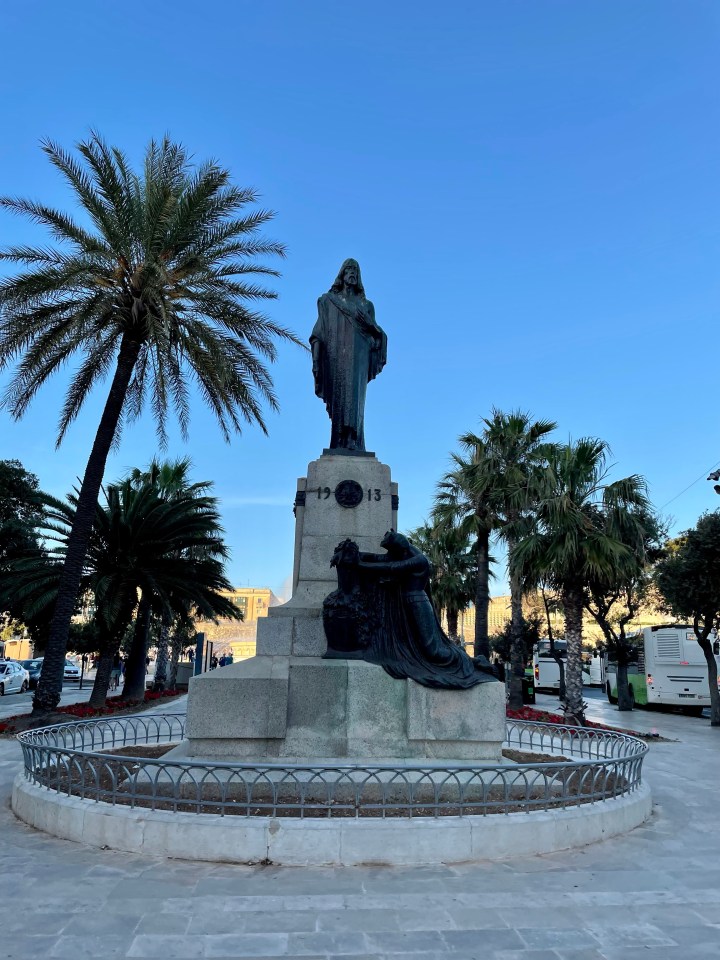
Valletta 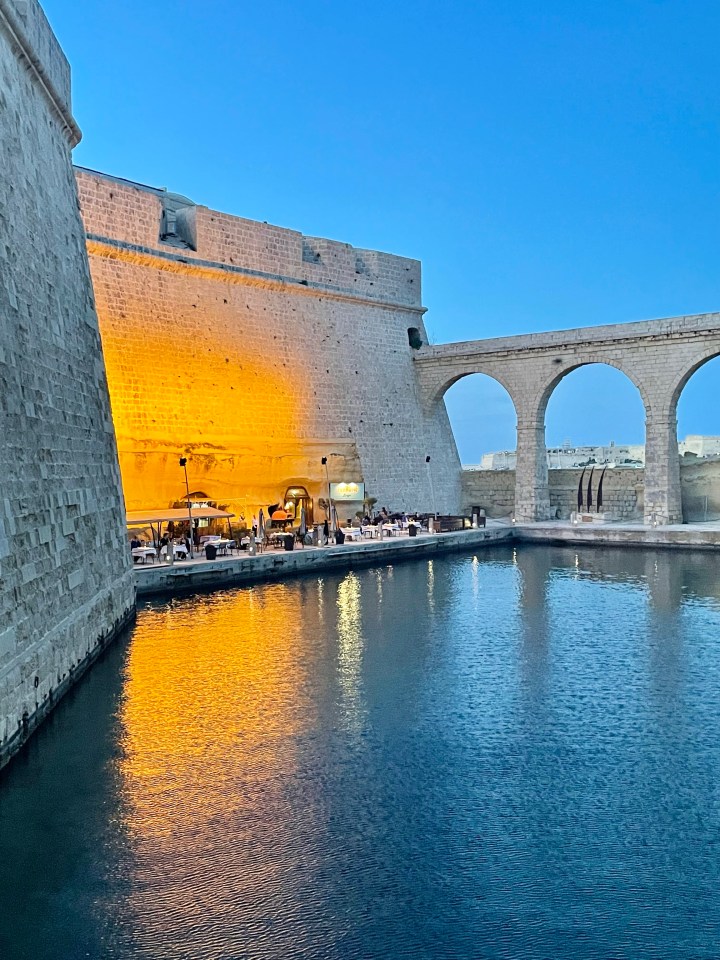
Terrone (Birgu) 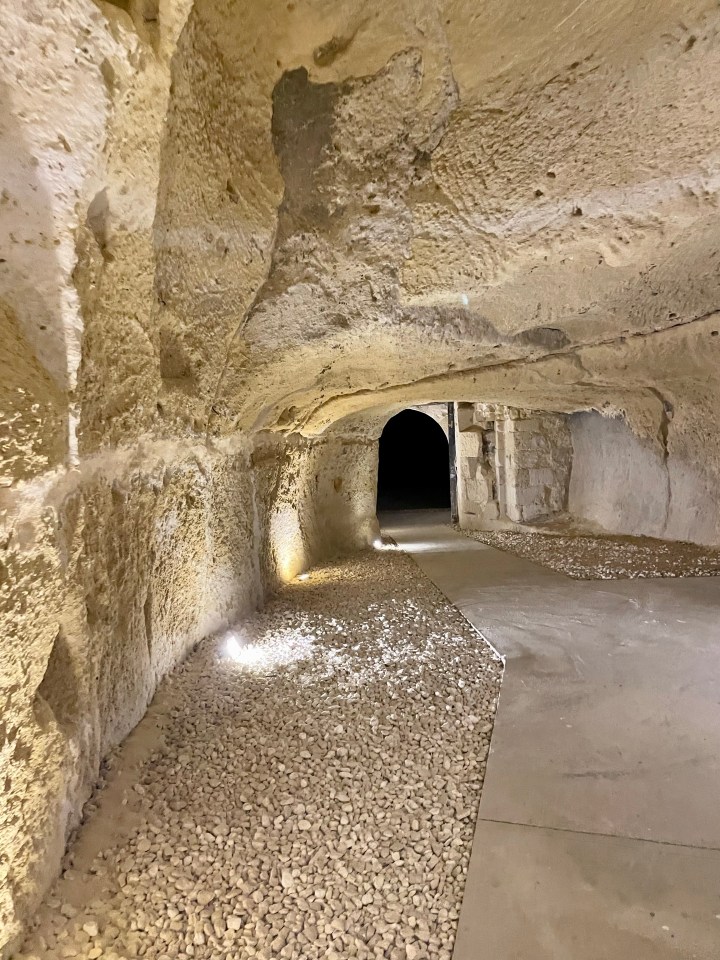
Entrance to Terrone (Birgu) 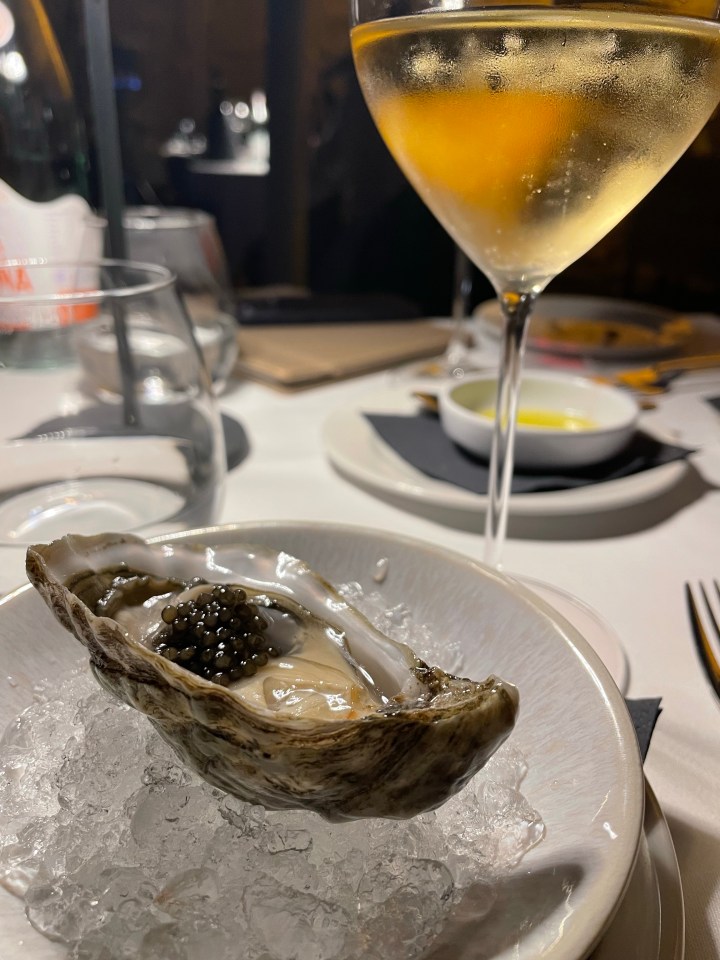
Oysters at Terrone (Birgu) 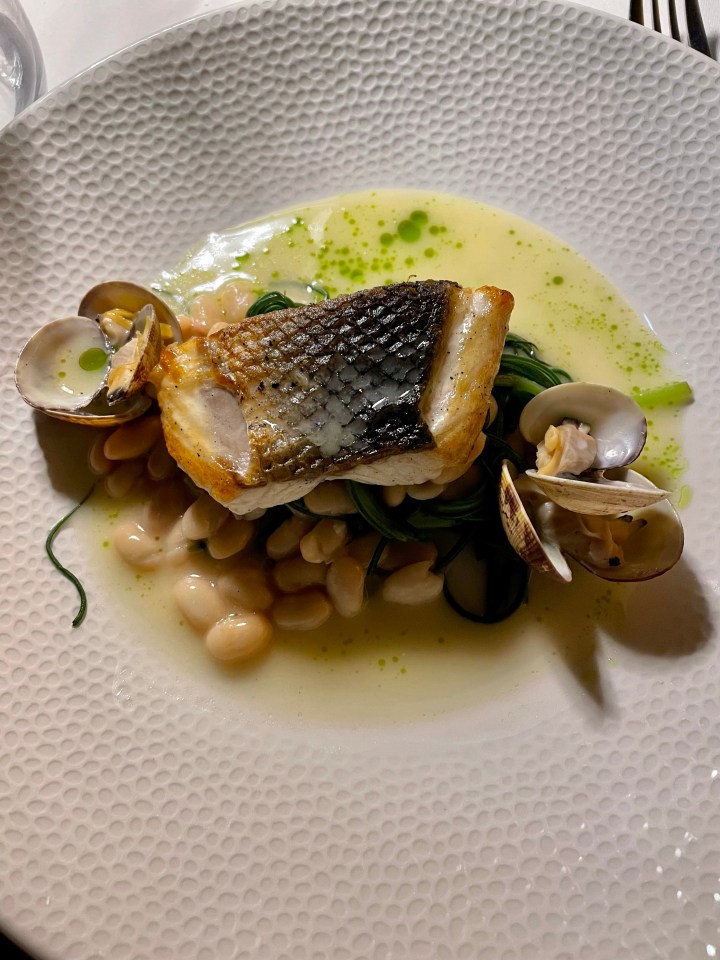
Sea bass fillet at Terrone (Birgu) 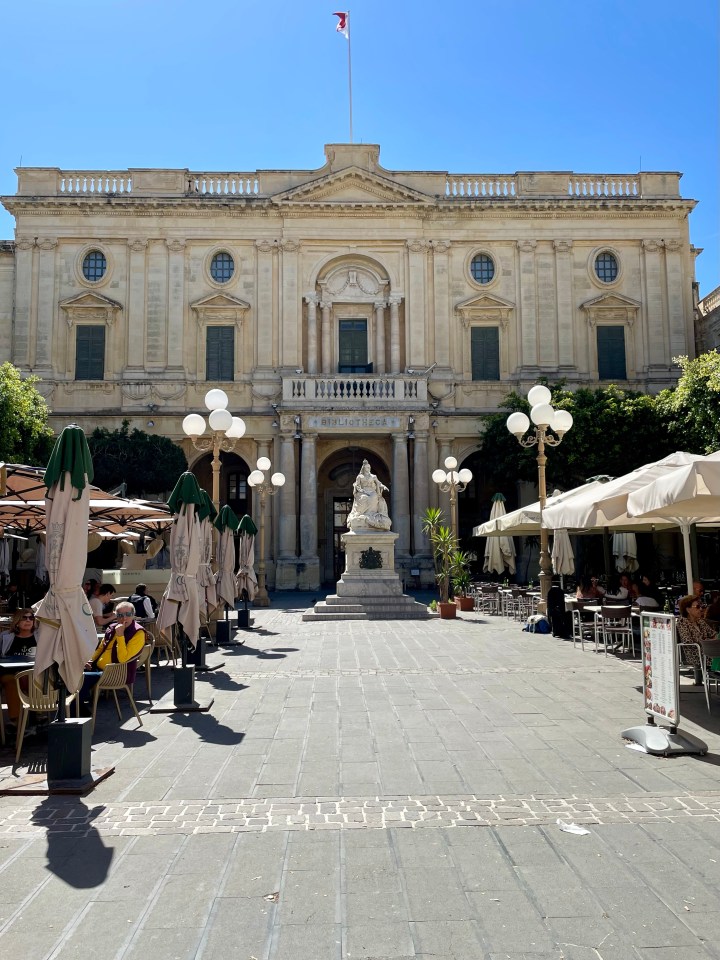
Valletta 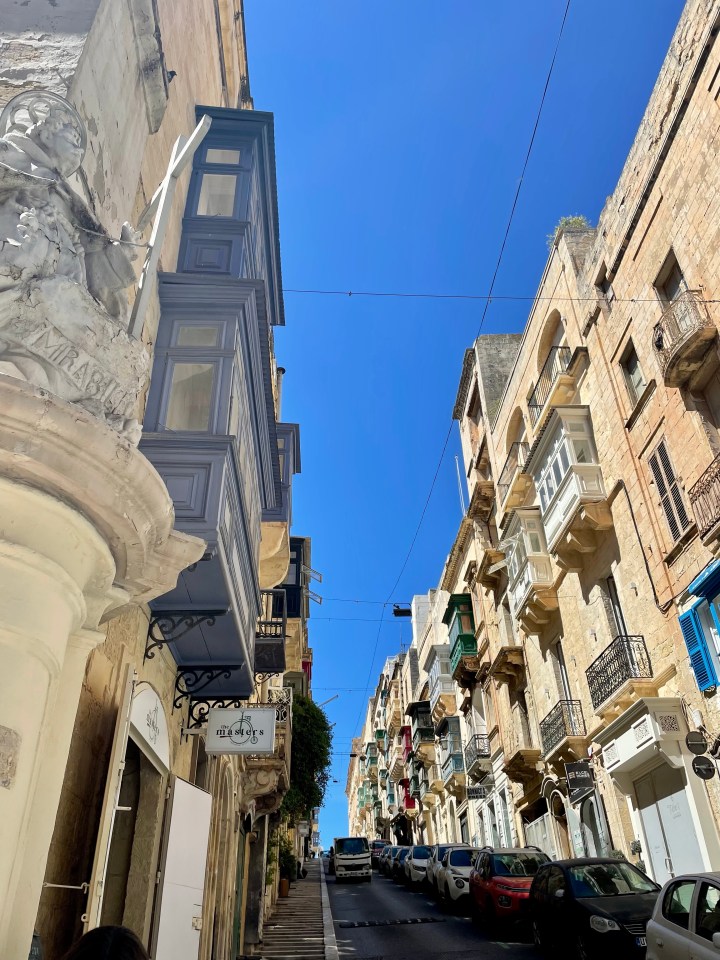
Valletta 
St. John’s Co-Cathedral (Valletta) 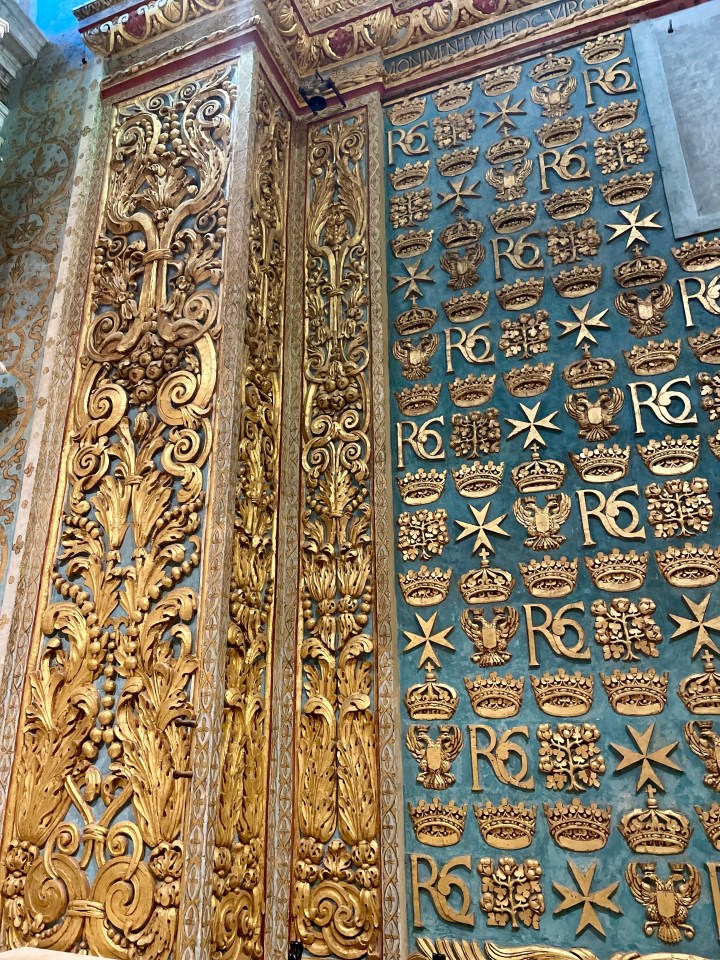
St. John’s Co-Cathedral (Valletta) 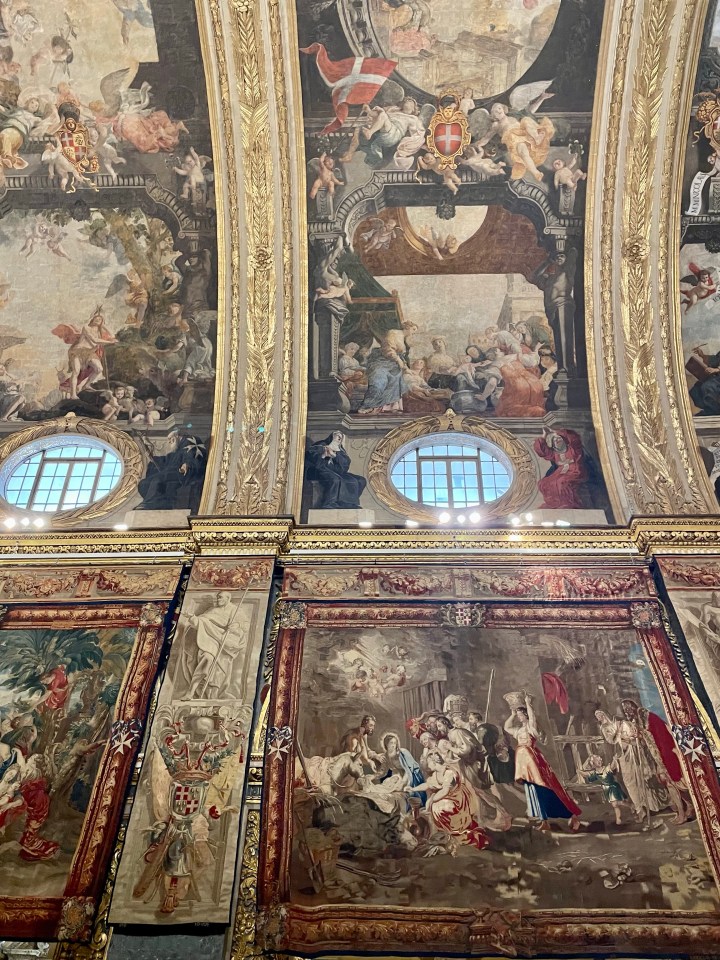
St. John’s Co-Cathedral (Valletta) 
The Beheading of Saint John the Baptist by Caravaggio at St. John’s Co-Cathedral in Valletta 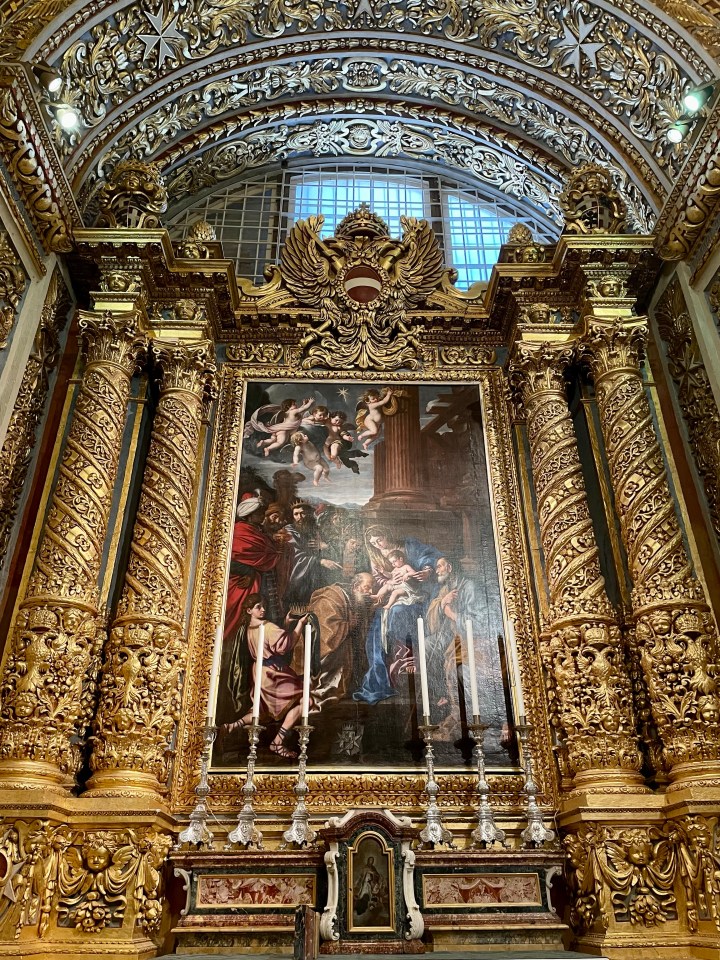
St. John’s Co-Cathedral (Valletta) 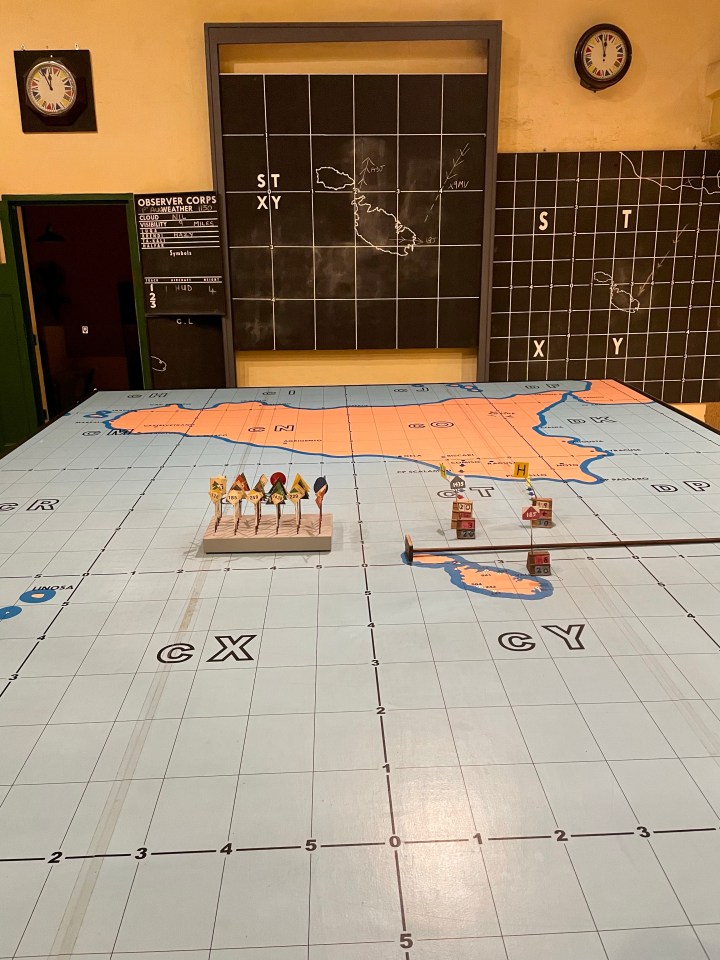
Lascaris War Rooms (Valletta) 
Lascaris War Rooms (Valletta) 
Upper Barrakka Gardens (Valletta) 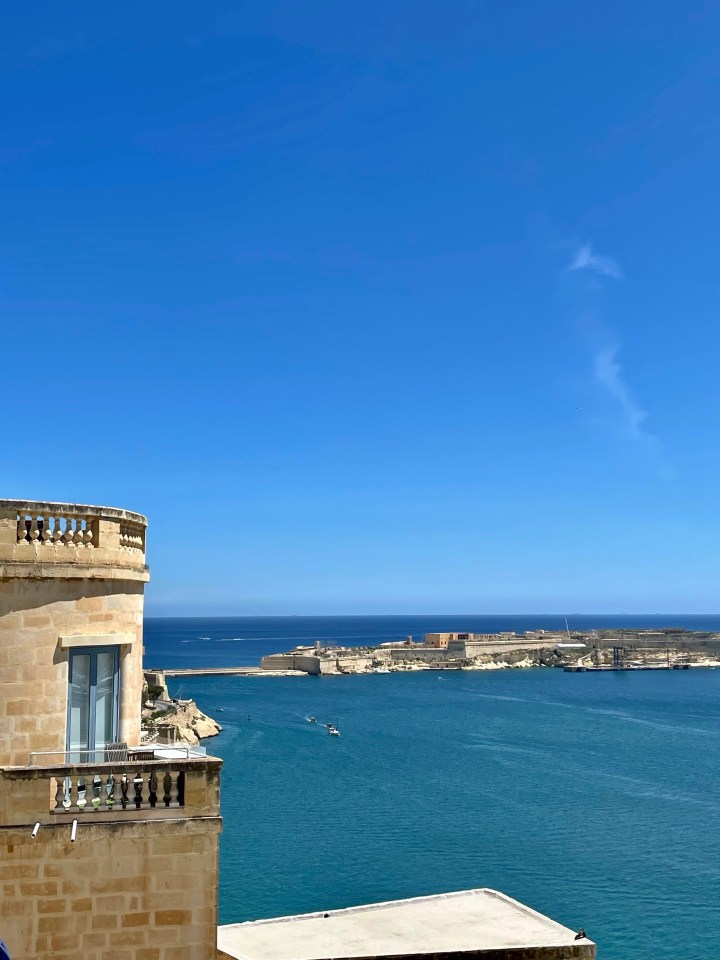
Upper Barrakka Gardens (Valletta) 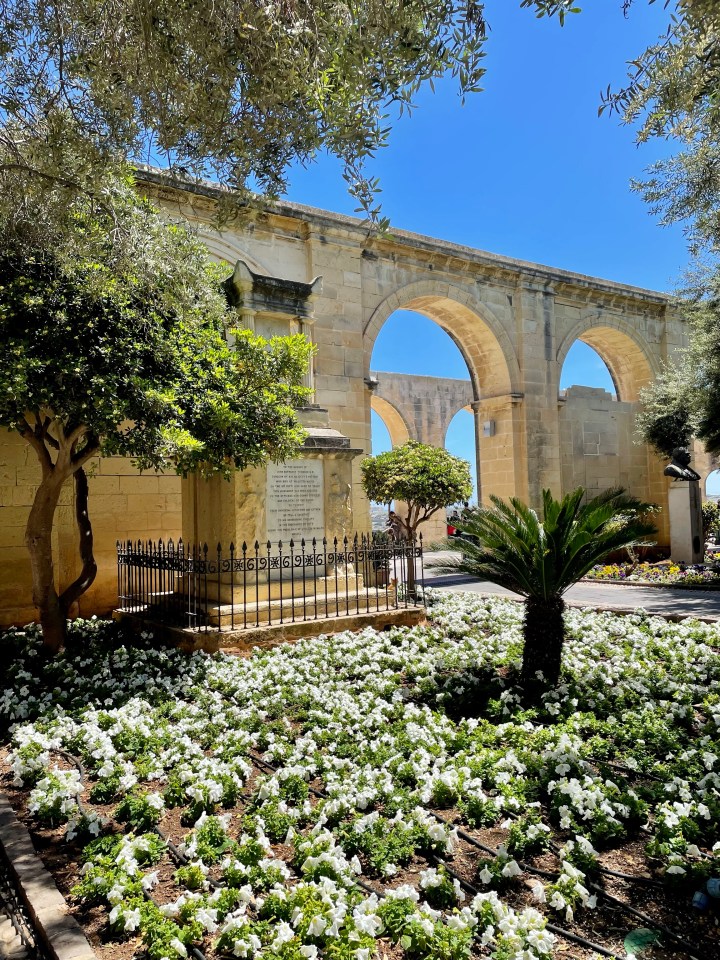
Upper Barrakka Gardens (Valletta) 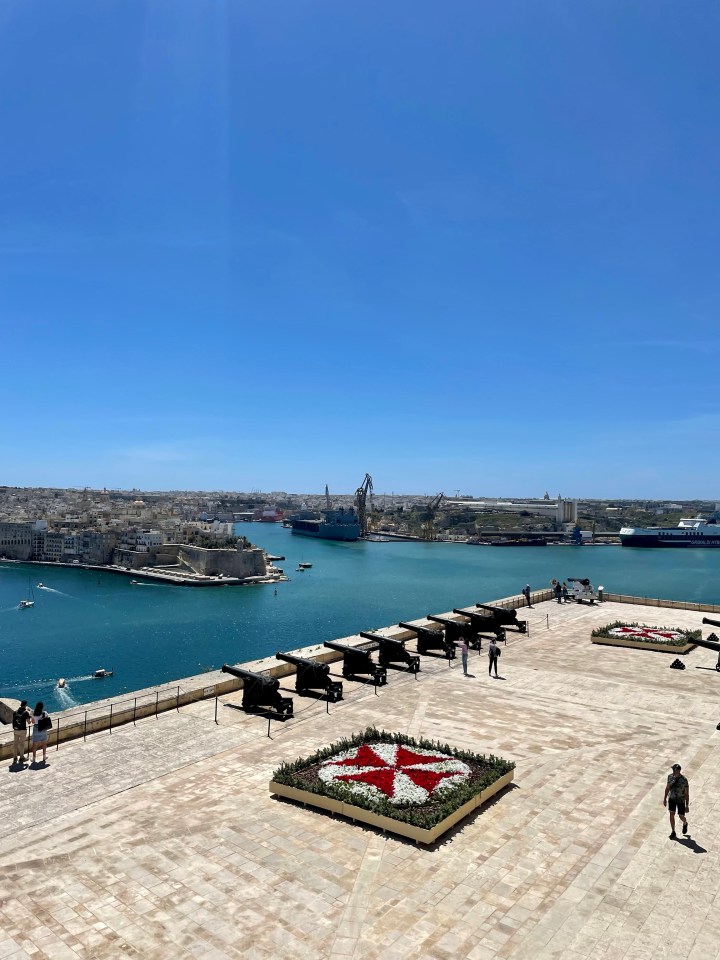
Saluting Battery (Valletta) 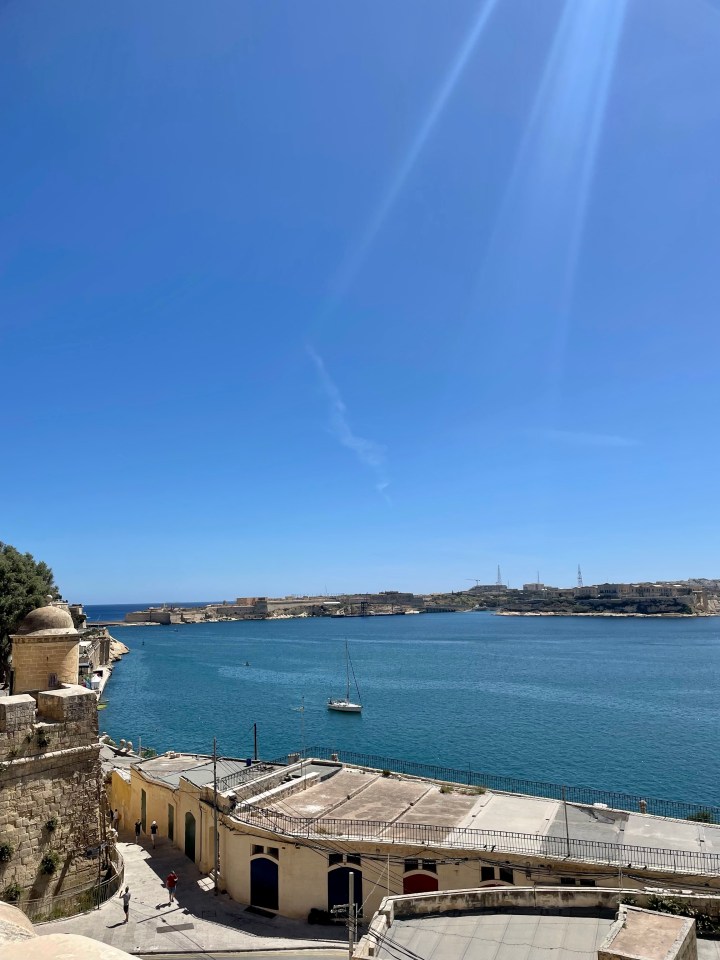
Valletta 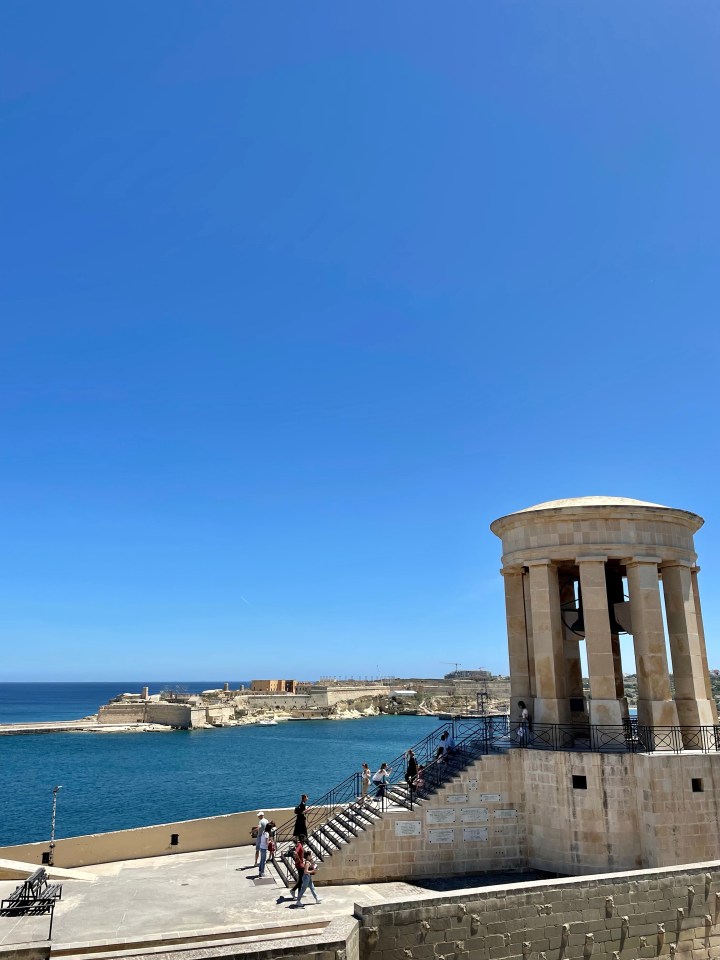
Lower Barrakka Gardens (Valletta) 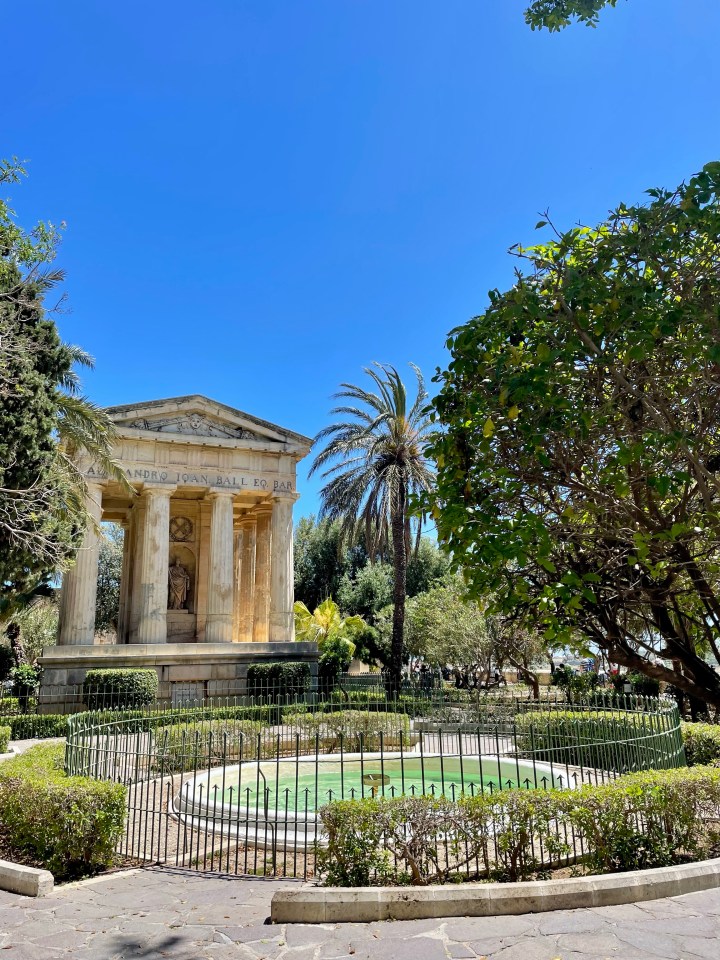
Lower Barrakka Gardens (Valletta) 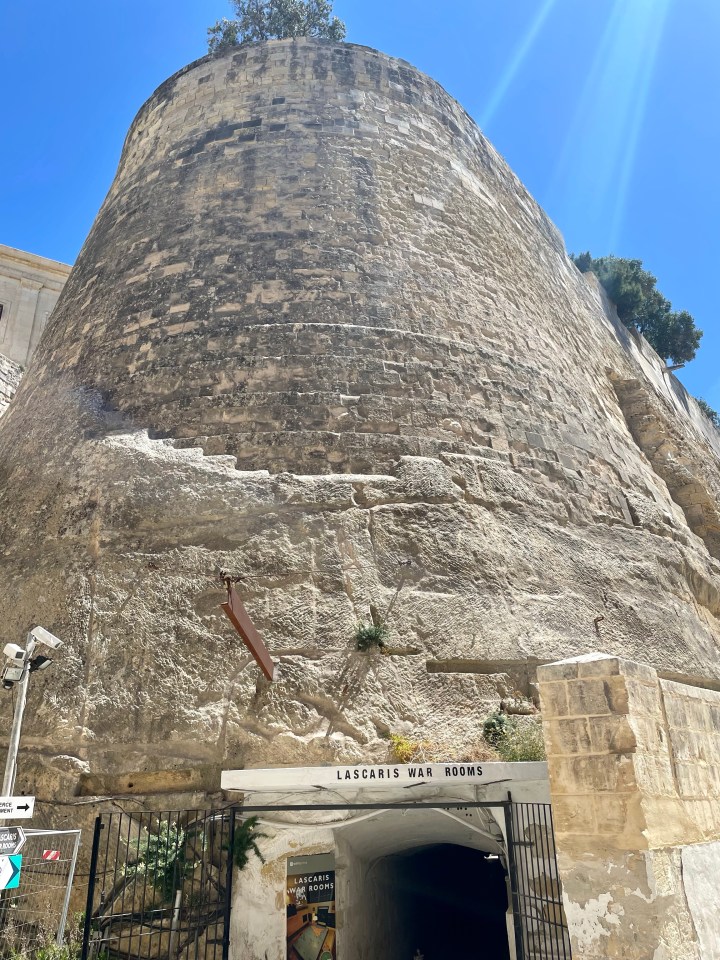
Lascaris War Rooms (Valletta) 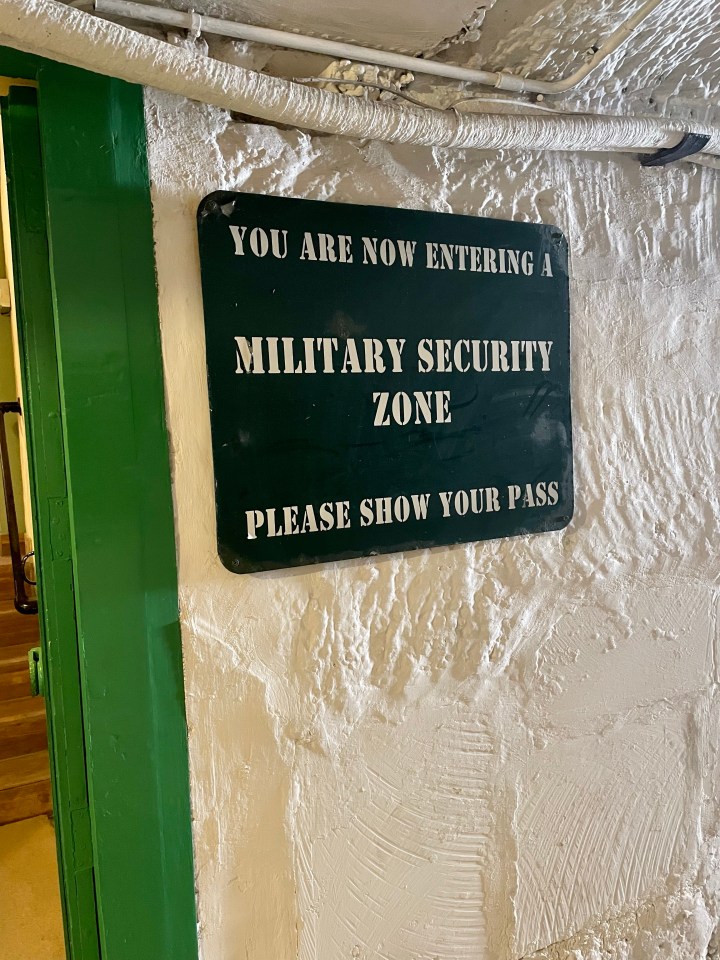
Lascaris War Rooms (Valletta) 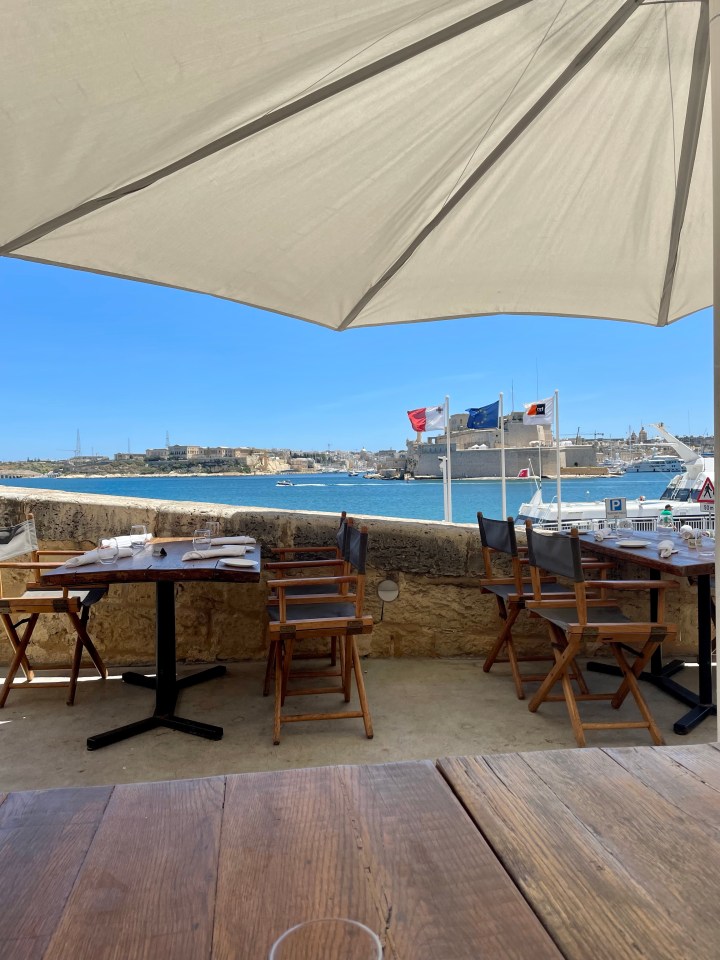
The Harbour Club (Valletta) 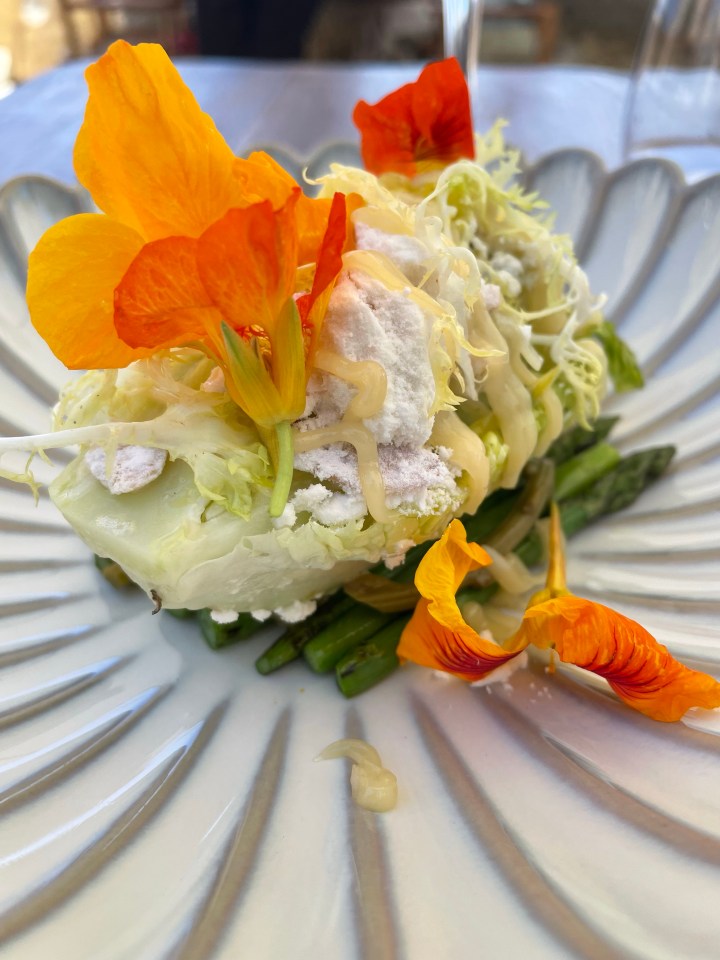
The Harbour Club (Valletta) 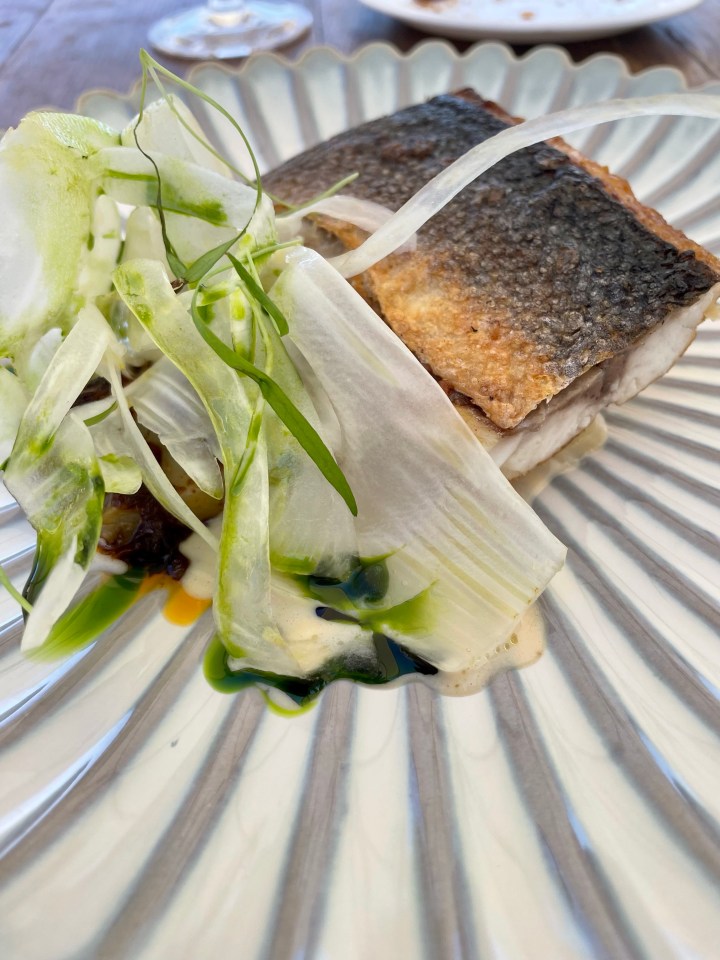
The Harbour Club (Valletta) 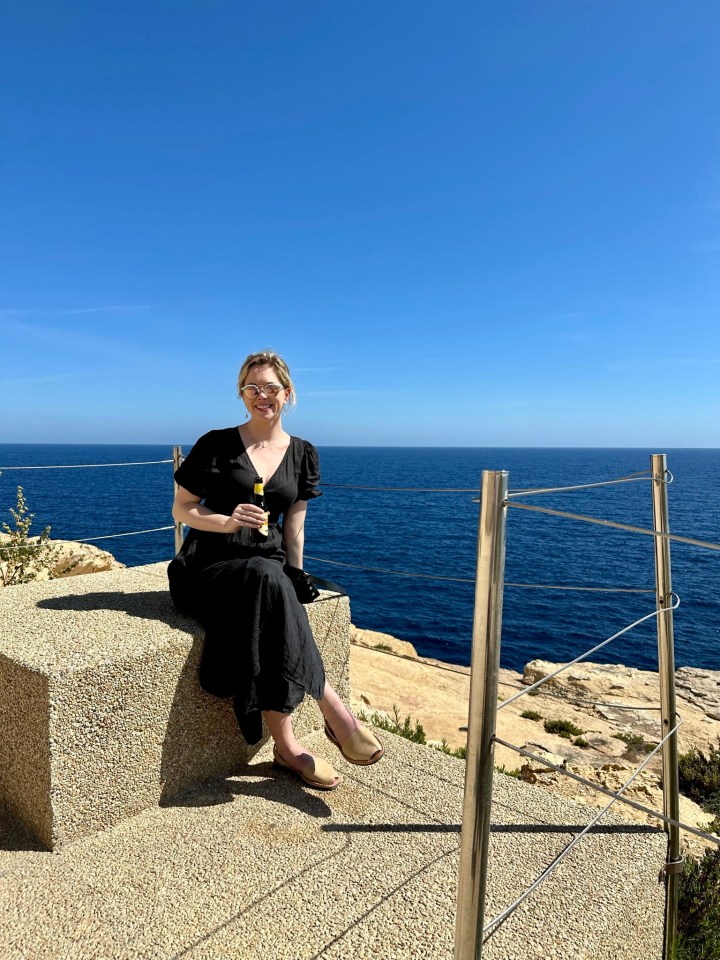
Blue Grotto 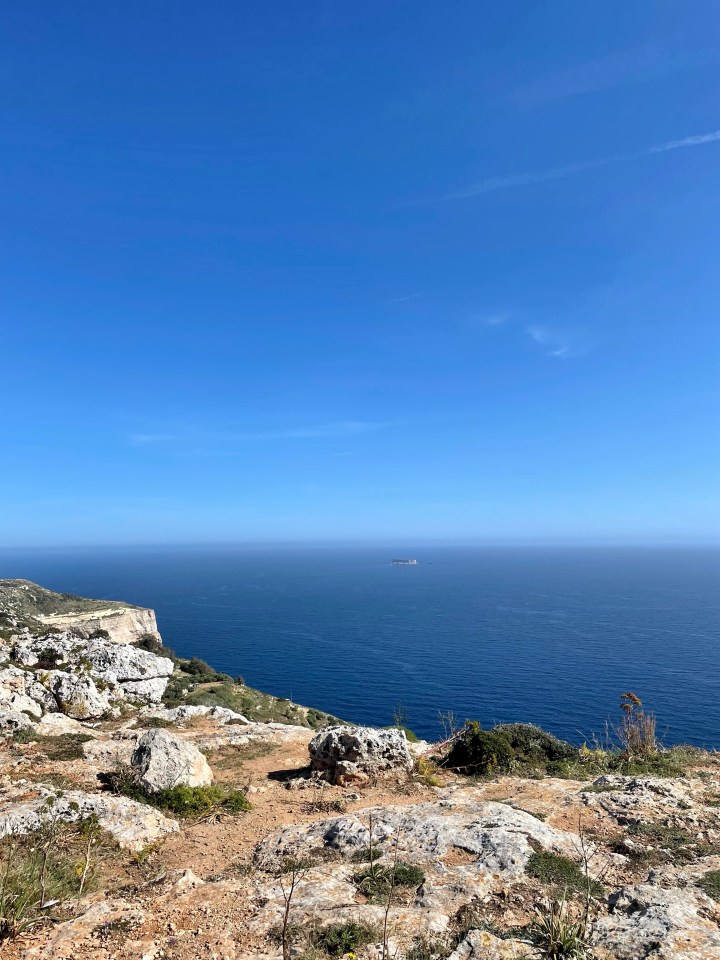
Dingli Cliffs 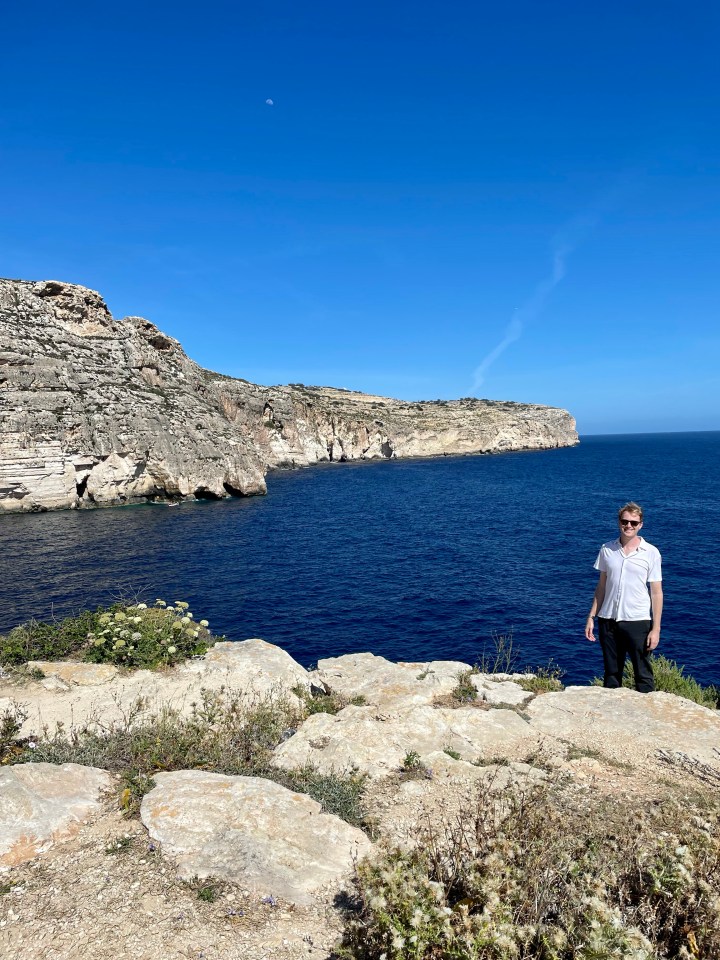
Blue Grotto 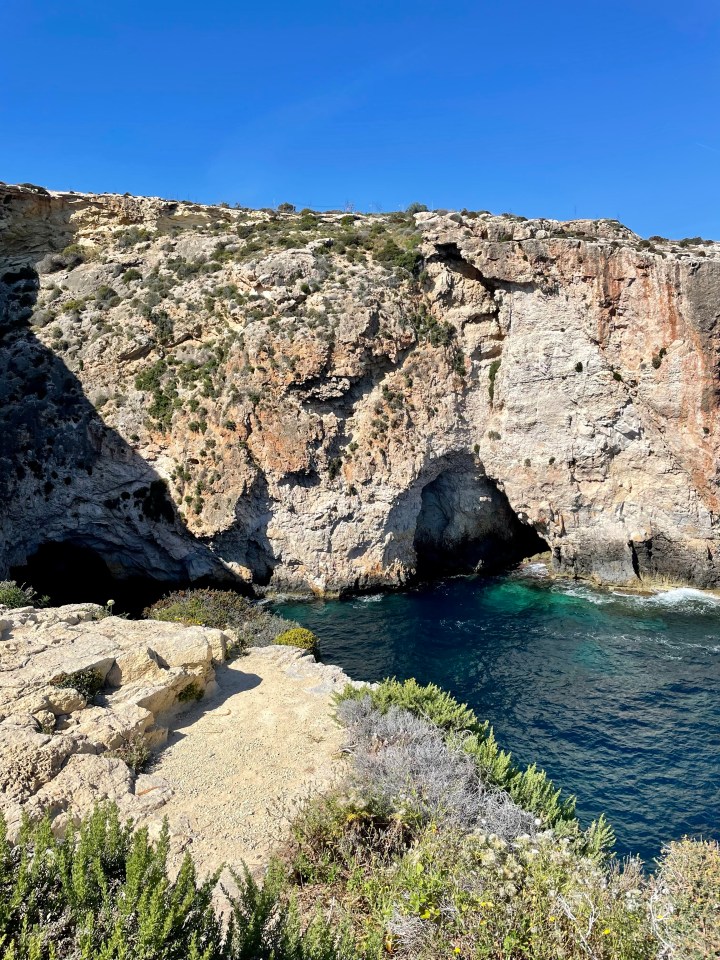
Blue Grotto 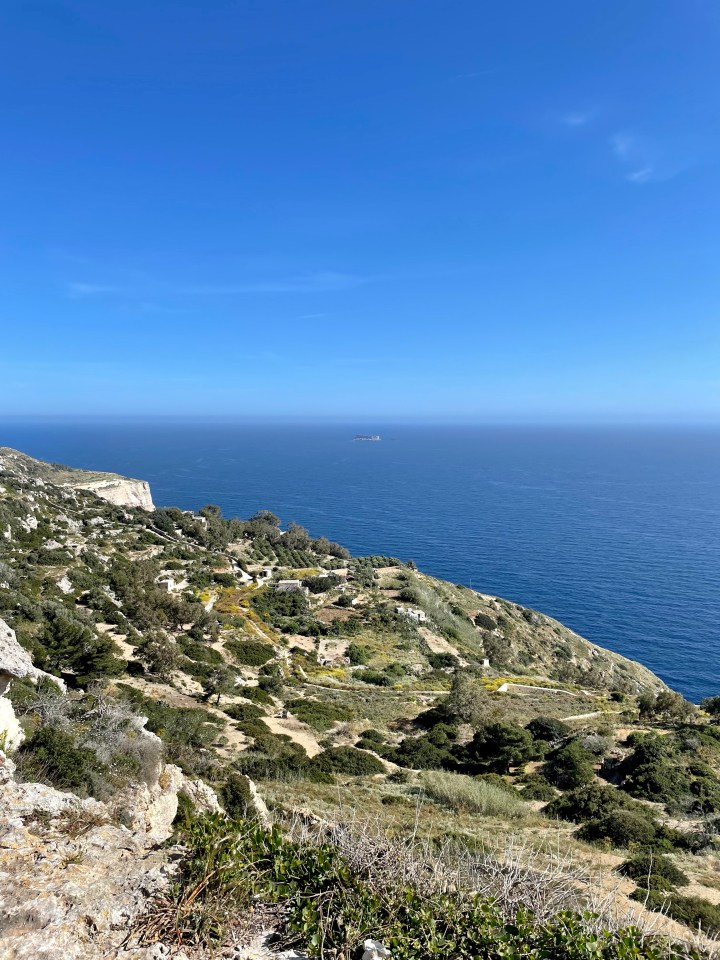
Dingli Cliffs 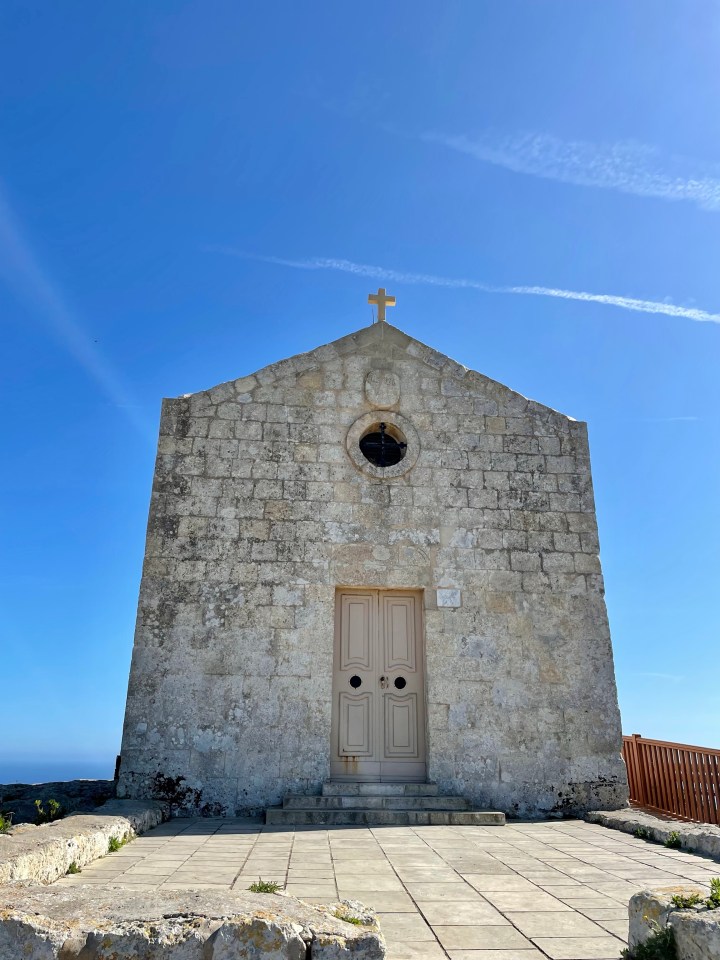
St. Mary Magdalene Chapel (Dingli Cliffs) 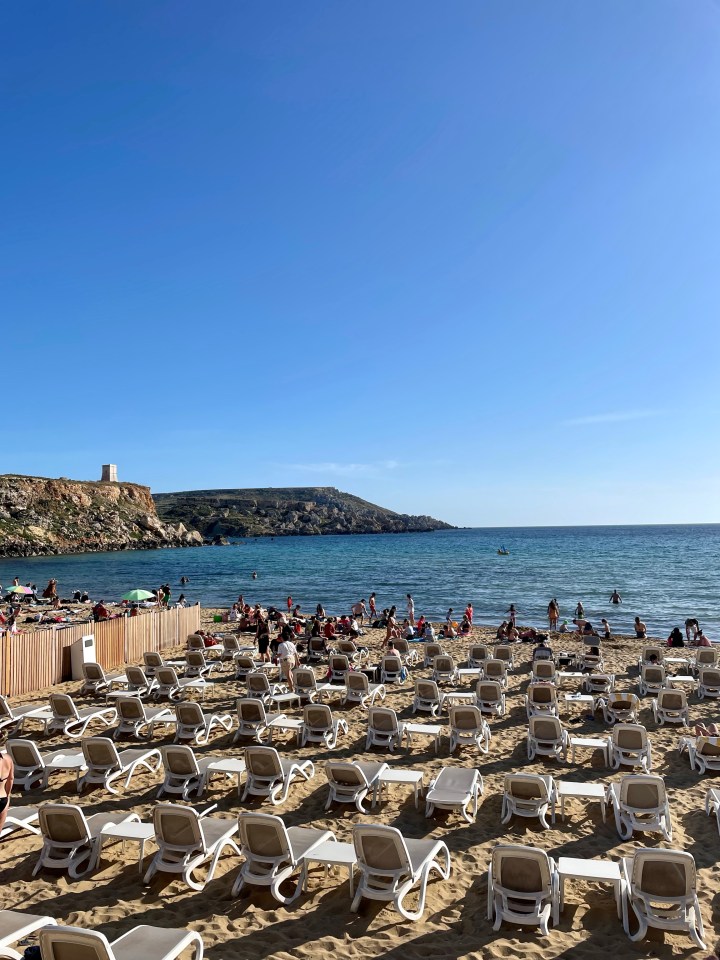
Golden Bay 
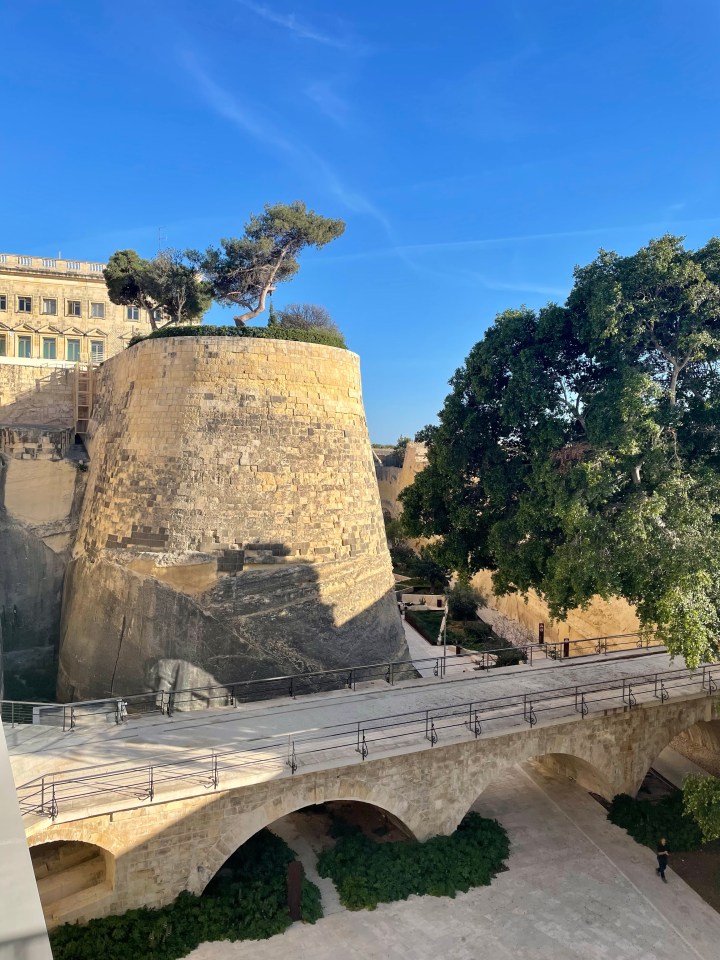
Valletta fortifications 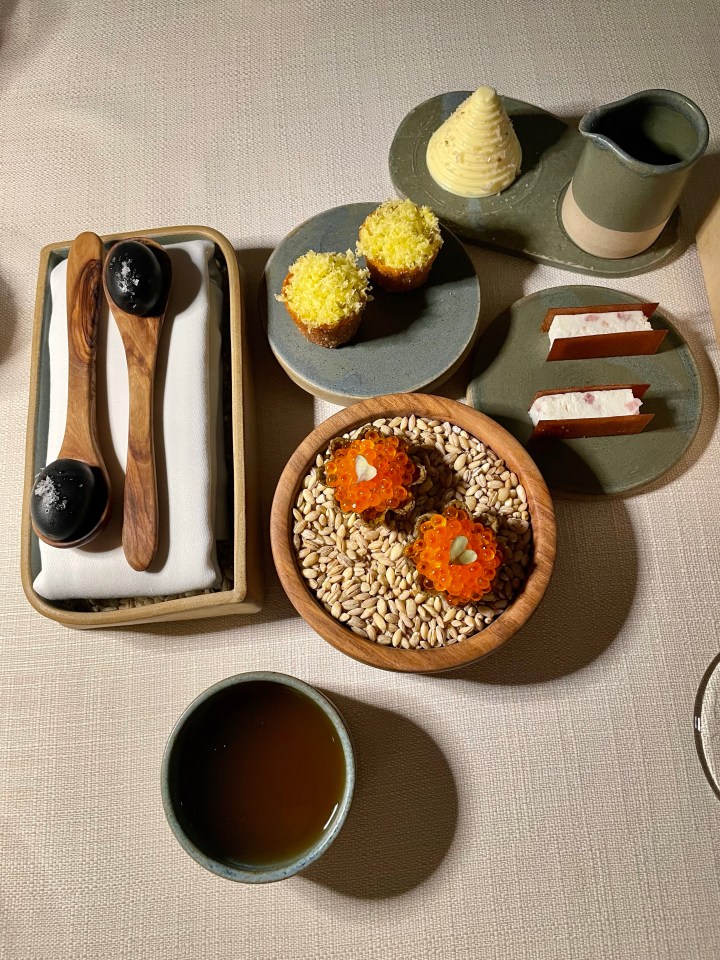
Amuse-bouche at Noni (Valletta) 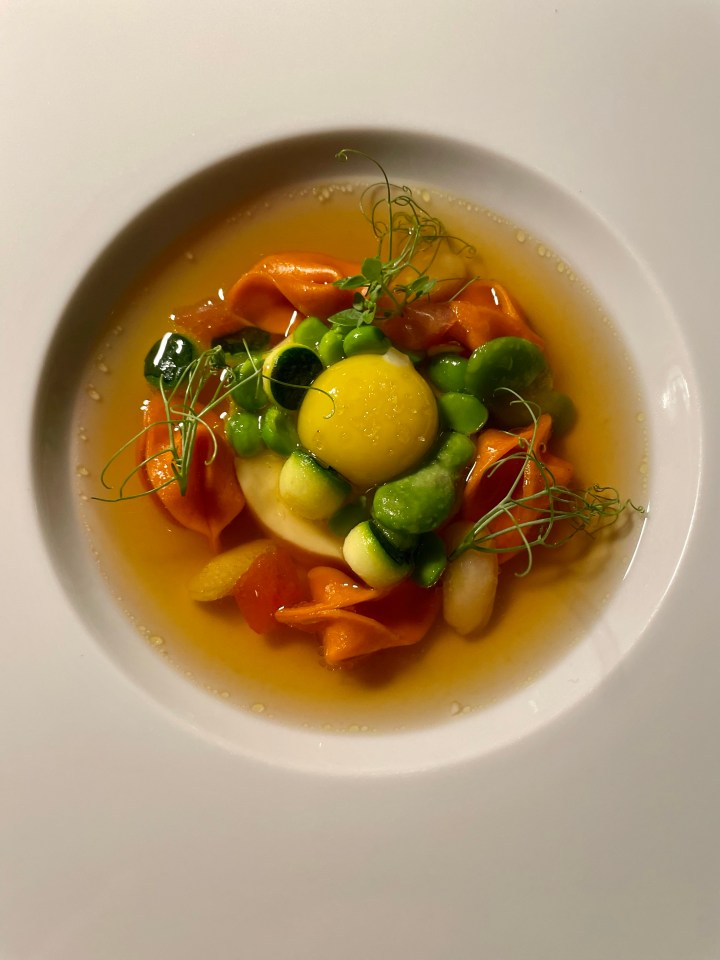
Noni (Valletta) 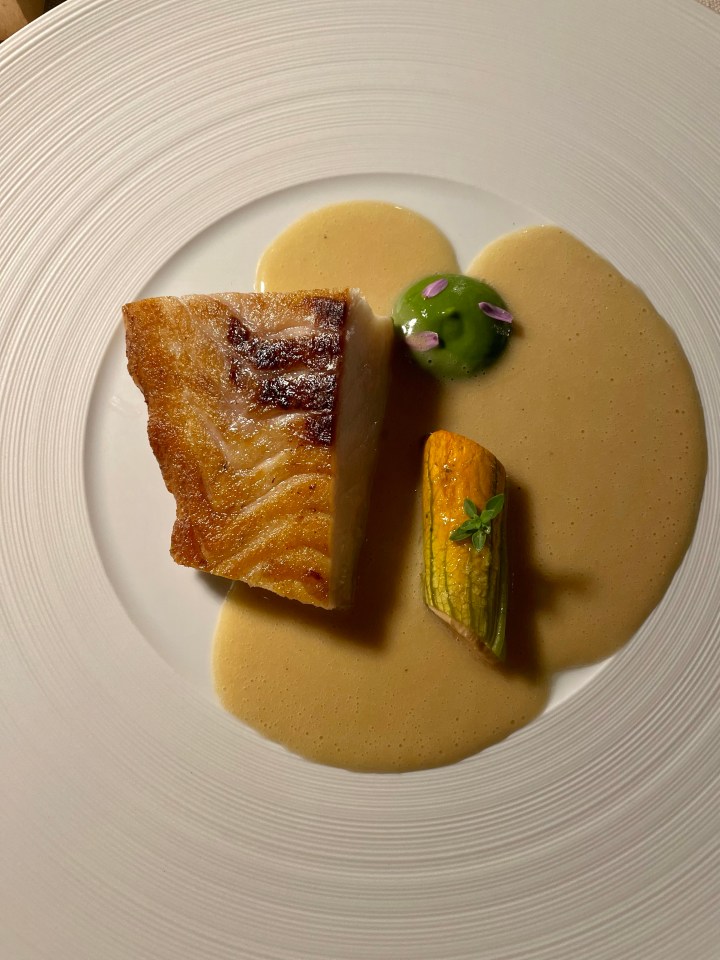
Noni (Valletta) 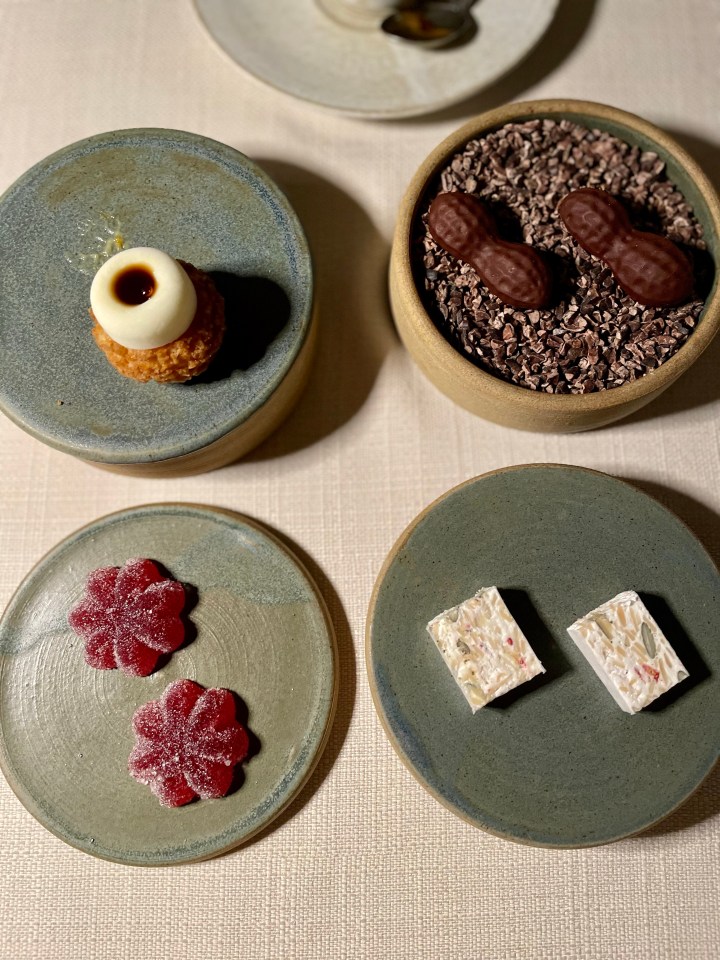
Petit-fours at Noni (Valletta) 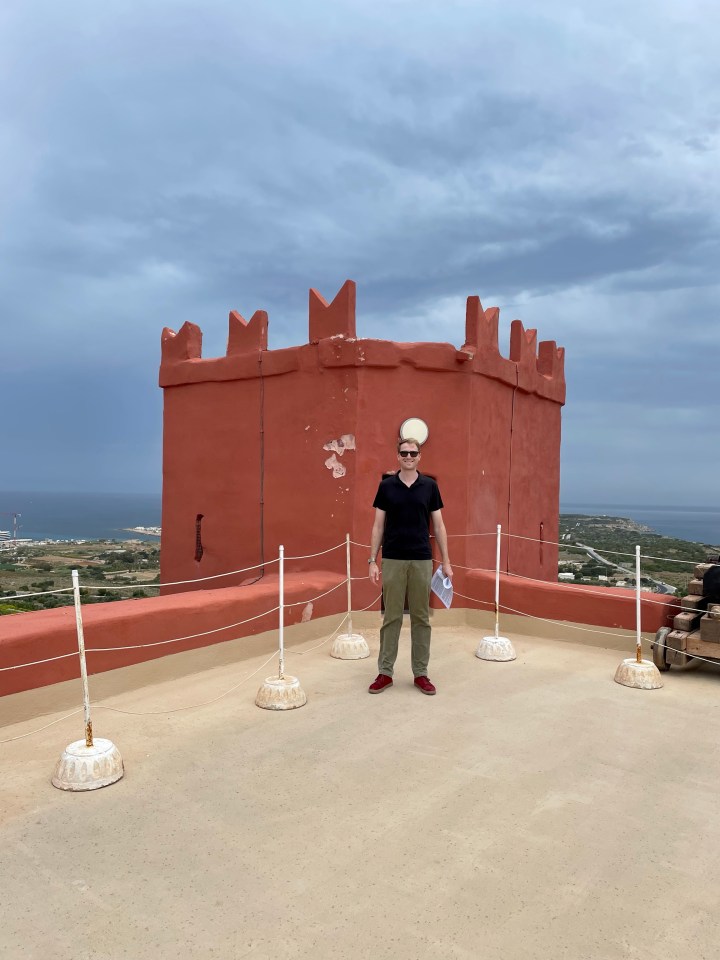
Saint Agatha’s Tower (Mellieħa) 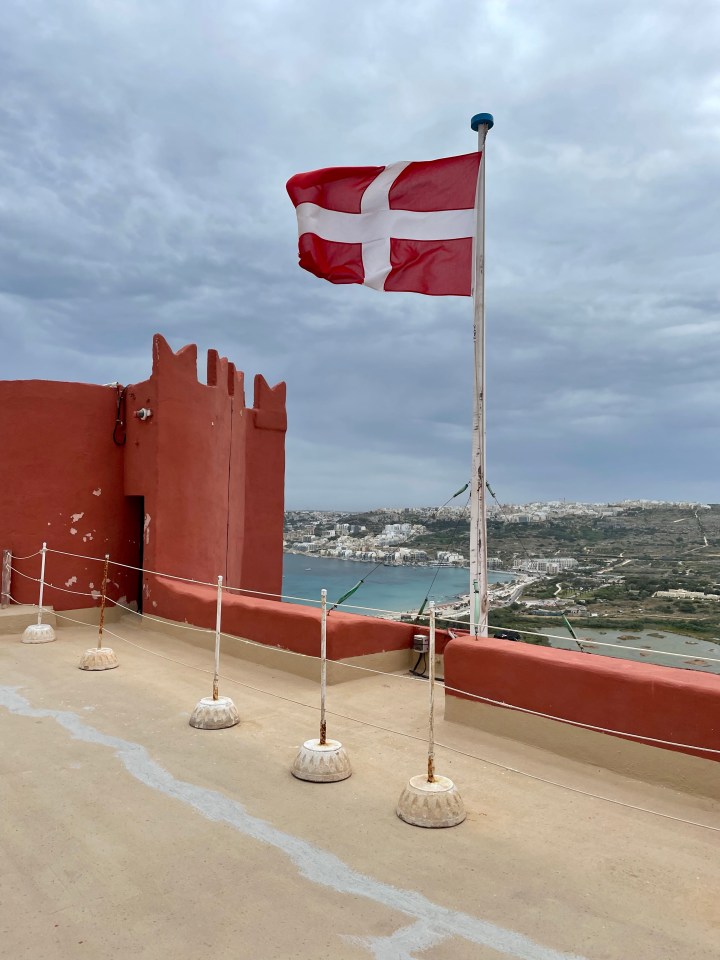
Saint Agatha’s Tower (Mellieħa) 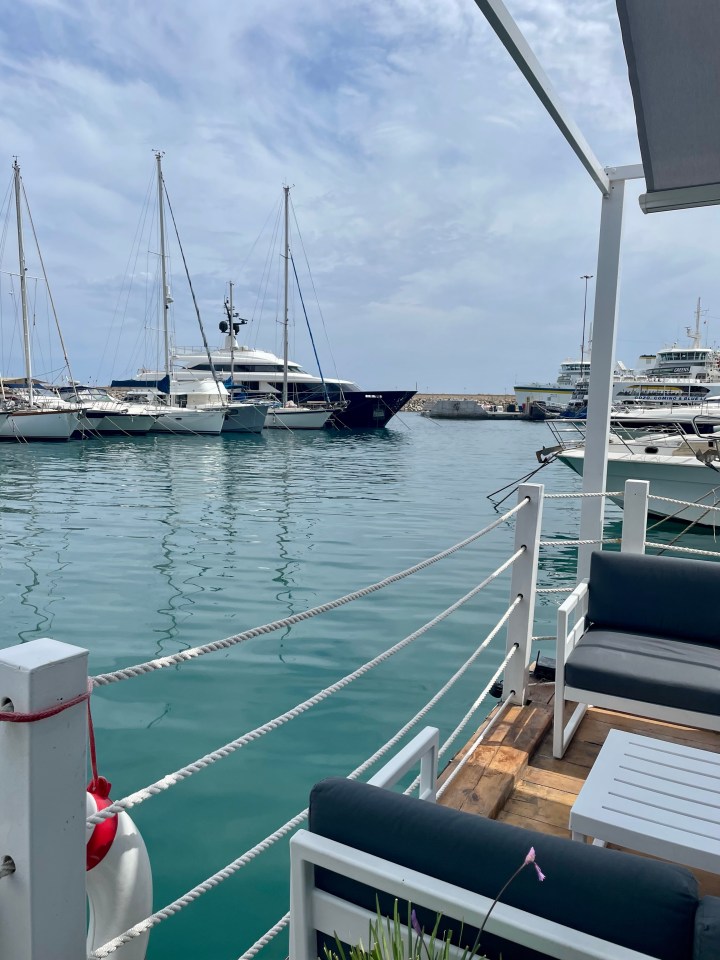
one80 Kitchen at Mgarr Yacht Marina (Gozo) 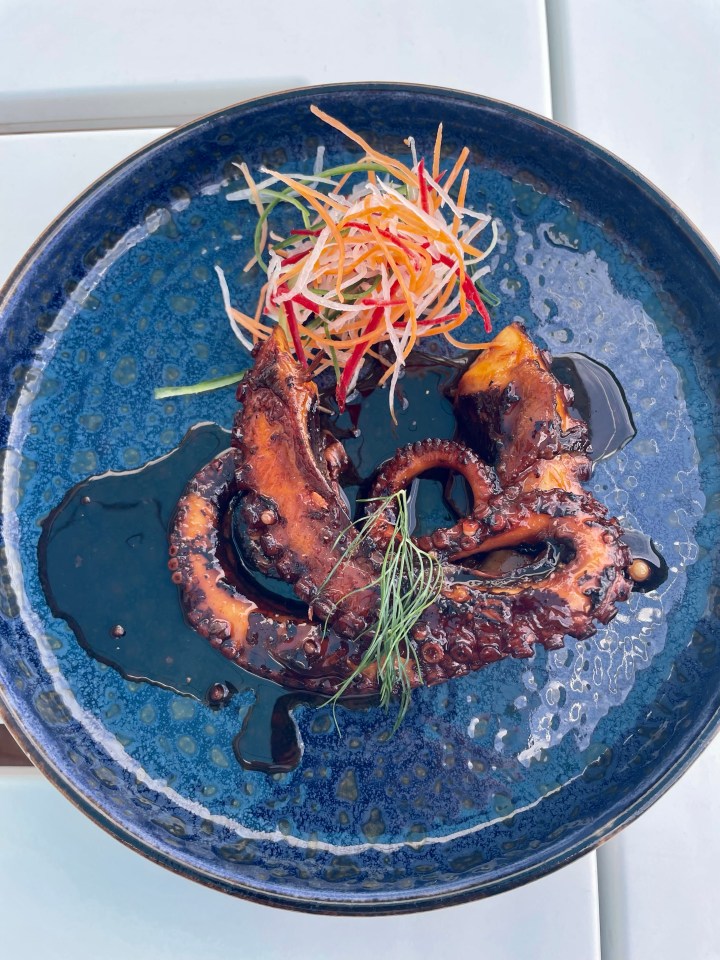
one80 Kitchen at Mgarr Yacht Marina (Gozo) 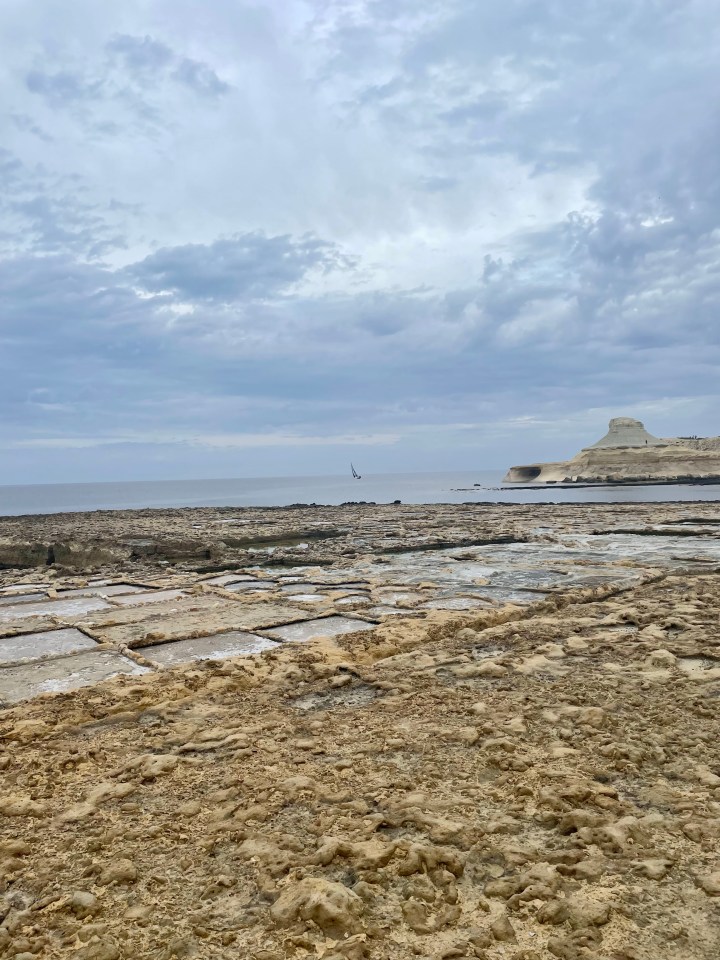
Xwejni Salt Pans (Gozo) 
Dwejra Bay (Gozo) 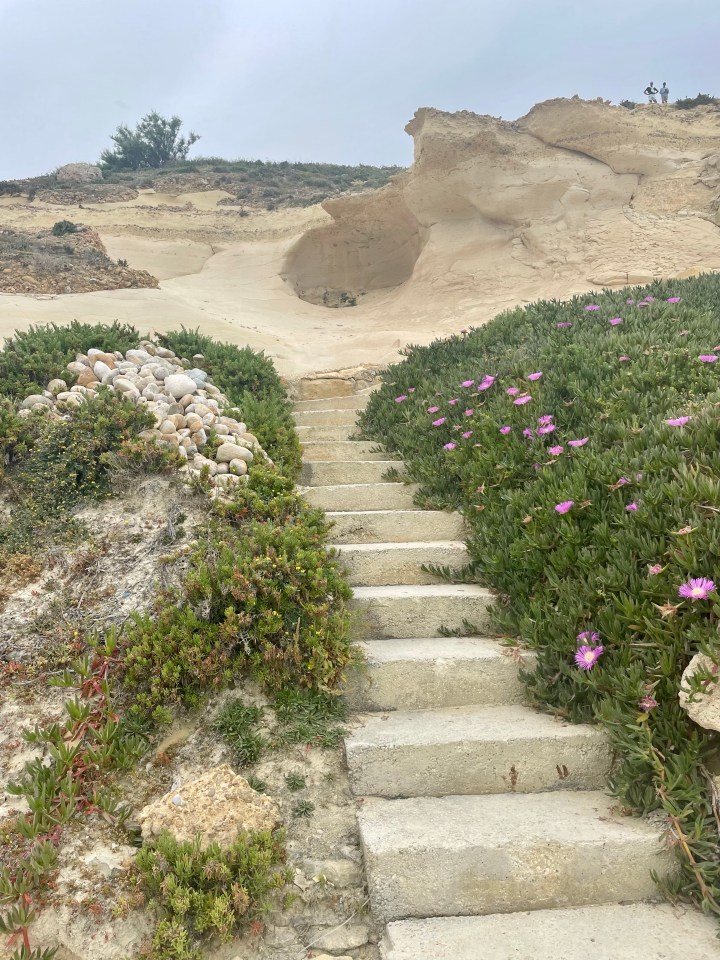
Xwejni Salt Pans (Gozo)
Food & Drink
- Trabuxu Wine Bar (Valletta): Malta’s first wine bar is tucked away in a 400-year-old stone cellar decorated with musical instruments, vintage advertisements, and contemporary art. In addition to a wine list with 300+ options for high-quality Maltese and international wines, Trabuxu had an incredible selection of local cheeses served with fresh Maltese bread and a selection of chutneys and jams. We ended up stopping in on two different nights and thoroughly enjoyed each of the Maltese wines and cheeses recommended to us by the extremely knowledgeable waitstaff.
- Terrone (Birgu): One of the best meals we had in Malta was at Terrone, a waterfront restaurant within the walls of the iconic Fort St. Angelo in Birgu. We sat on the terrace (which I would highly recommend) and loved every single dish included in the simply incredible and very affordable seafood version of the tasting menu, which featured seasonal ingredients and local specialties like oysters with Royal Belgian caviar, grilled calamari with rosemary and anchovies, risotto with prawns and scallops, and roasted seabass with Sicilian clams and fresh peas.
- Noni (Valletta): This intimate, subterranean restaurant was among the first in Malta to be awarded a Michelin star and it’s consistently regarded as one of the best restaurants in Valletta. Our experience absolutely lived up to those expectations and each course from the reasonably priced tasting menu was even more creative and delicious than the last. The cuisine featured a blend of traditional Maltese and Mediterranean dishes enhanced with local seasonal ingredients, classic French culinary techniques, and unexpected flavor pairings. Despite the impressive attention to detail and serious menu, the lively atmosphere was very informal and the service was excellent.
- The Harbour Club (Valletta): The fantastic views of the Grand Harbour would have been worth the experience on their own, but the French-influenced Mediterranean dishes at The Harbour Club were equally impressive. We had lunch on the gorgeous terrace, which was quiet and intimate despite being just down the road from some of the city’s main attractions, and the sustainably sourced food was simply incredible.
- Mgarr Marina Yacht Club by one80 (Gozo): one80 Kitchen is the only restaurant that sits in the picturesque yacht marina in Gozo’s Mgarr Harbor and naturally offers incredible views from the terrace of the main restaurant. However, we went down to the floating bar in the marina while we were waiting to be seated and enjoyed the views and vibe so much that we decided to eat lunch at Mgarr Marina Yacht Club by one80 instead. The menu at the bar was more limited than in the main restaurant, but the snacks and shareable plates of seafood specialties were absolutely delicious—and much cheaper than what we would have ordered at one80 Kitchen.
- Trattoria AD 1530 (Mdina): We had an incredible lunch at the Xara Palace, a beautifully restored 17th-century palazzo in Mdina that is now a luxury hotel. The Michelin-starred de Mondion restaurant was tempting, but I’m so glad we ended up at the traditional trattoria instead. We sat at one of the outdoor tables in the piazza, which was perfect for enjoying the sunny day while we had a leisurely lunch of pasta and an excellent bottle of red wine.
- Grain Street (Valletta): The casual and more affordable version of the Michelin-starred Under Grain is an outdoor dining space located on Valletta’s main pedestrian thoroughfare serving simple, informal Mediterranean dishes. We had dinner here on our first night in town and although everything we ate was good, it wasn’t anything special compared to other meals we had in Malta and the noise and chaos of sitting on such a busy street really took away from the experience.
- Lot 61 Coffee Roasters: We went to the main location of this specialty coffee roaster every morning we were in Valletta. The coffee was excellent, but they also had really good pastries and other options for takeaway breakfast.
Activities & Attractions
- Lascaris War Rooms (Valletta): One of our favorite attractions was the Lascaris War Rooms, an absolutely fascinating underground complex used by British and Allied forces during World War II that now contains a simple but powerful museum highlighting its history. The network of tunnels and chambers dug into the rock below the Upper Barrakka Gardens and the Saluting Battery were originally used as slave quarters during the Hospitaller period, but they were significantly expanded (and fully renovated) in 1940 to house British headquarters for the defense of the island during the Siege of Malta. Later in the war, the complex was used by General Eisenhower and his Supreme Commanders as the advance headquarters for the Allied invasion of Sicily in 1943. We bought inexpensive tickets at the door and had plenty of space to ourselves as we walked through the complex and museum.
- Upper Barrakka Gardens (Valletta): The public gardens located on the upper tier of the Saints Peter and Paul Bastion, constructed in the 16th century by the Order of Saint John and the highest point of Valletta’s city walls, offer one of the best vantage points overlooking the Grand Harbour and the Three Cities. The lush and colorful gardens were absolutely beautiful—and extremely crowded—and the views of Fort St. Angelo and other fortifications along the Grand Harbour were unparalleled, but one of our favorite parts was the Saluting Battery on the bastion’s lower tier. We could have paid €3 to walk around the artillery battery, but the free view from above was by far the better perspective.
- Lower Barrakka Gardens (Valletta): Despite being a 10-minute walk from the Upper Barrakka Gardens and offering equally beautiful views of the Grand Harbour, the Lower Barrakka Gardens were nowhere near as crowded and had more tree cover. In addition to offering a much-needed break from crowds and the direct sun, the gardens feature a lovely neoclassical temple and the towering Siege Bell Memorial, which was built in 1992 to commemorate the 50th anniversary of the bravery and valor displayed during the Siege of Malta during World War II.
- St. John’s Co-Cathedral (Valletta): The magnificent church now known as St. John’s Co-Cathedral was built by the Order of St. John after the legendary Knights Hospitaller held off the Ottoman Empire’s attempt to conquer the island during the Great Siege of Malta in 1565. It functioned as the Conventual Church of Saint John until the Knights Hospitaller were expelled from Malta in 1798, and shortly afterward it formally became a co-cathedral with equal prominence as the archbishop’s cathedral in Mdina. The cathedral was well worth the visit for many reasons, but the undisputed highlight was Caravaggio’s 12′ x 16′ masterpiece depicting the beheading of John the Baptist, which is gloriously displayed in the oratory for which it was originally painted alongside Saint Jerome Writing, another Caravaggio masterpiece.
- St. Paul’s Cathedral (Mdina): The Metropolitan Cathedral of Saint Paul in Mdina was founded in the 12th century on the site where Roman governor Publius is thought to have greeted Paul the Apostle following his shipwreck on Malta in 60 AD. The original cathedral was dismantled and rebuilt in the Baroque style after a huge earthquake at the end of the 17th century, but it is still absolutely stunning and worth a quick visit while in Mdina. The adjacent Cathedral Museum containing religious art and historical artifacts related to the cathedral and the ancient city is also quite impressive in its own right.
- Basilica of St. Paul (Rabat): Not to be outdone by the island’s dual cathedrals, a minor basilica in Rabat is home to a grotto where Paul the Apostle allegedly lived and preached during his three-month stay in Malta. We didn’t go inside the actual grotto, but the 17th-century church was absolutely beautiful to walk around.
- St. Paul’s Catacombs (Rabat): The adjoining catacombs of St. Paul and St. Agata represent the earliest and largest archaeological evidence of Christianity on the islands, but they’re equally famous for containing a mix of Christian, Muslim, pagan, and Jewish burials with no visible divisions. The extensive network of underground galleries was used as a burial ground during the Punic, Roman, and Byzantine eras with most tombs dating from the 3rd to the 8th centuries, and it was more interesting than I had expected to explore some of the larger and more elaborately decorated catacombs.
- Megalithic Temples of Malta: Malta is home to more than a dozen prehistoric temples built during three distinct periods between approximately 3600 BC and 2500 BC. We visited Ħaġar Qim and Mnajdra, which are considered separate complexes despite lying just 500 or so yards apart from each other and being part of the same archeological park. Both are UNESCO World Heritage Sites so we figured we might as well check them out, but honestly, the only thing we found all that interesting was the beautiful view. The protective tents covering the temple complexes definitely took away from the experience (although I understand the purpose given the age of the structures), but the bigger letdown was that nearly all of the sculptures and engravings had been removed for preservation and display at the National Museum of Archaeology in Valletta.
- Marsaxlokk: Nearly 70% of the Maltese fishing fleet is based in the harbor of this tiny village on the southeastern shores of the main island. Fishermen only sell directly to consumers at the harborfront fish market on Sundays, but it’s worth stopping in Marsaxlokk any day of the week to eat fresh seafood at one of the many harborfront restaurants or simply admire the traditional, brightly colored luzzu and kajjikk fishing boats bobbing up and down in the water.
- Blue Grotto: The dazzlingly beautiful complex of seven caves along the southeastern coast known as Malta’s Blue Grotto is famous for the gigantic arch at its entrance and the shades of blue reflected on its walls and ceilings. The caves are only accessible by boat, but there are some great views just a short hike away from the tiny town of Wied iż-Żurrieq.
- Dingli Cliffs: The highest point on the island is a series of gorgeous cliffs along its western coastline, just outside the picturesque village of Dingli. The tiny stone St. Mary Magdalene Chapel overlooking the cliffs made it a particularly beautiful and charming scene, and if we had more time I would have definitely liked to have hiked around the area a bit more.
- Golden Bay (Mellieħa): Some of the best beaches on the island are located on its northwestern coast, including the extremely popular Golden Bay. It wasn’t quite warm enough to swim while we were in town and so we only spent an hour or so at one of the beach bars, but there were still a ton of people swimming and laying out on the beach despite the mild weather.
- Saint Agatha’s Tower (Mellieħa): An imposing bastioned watchtower known interchangeably as the Red Tower, Mellieħa Tower, or Fort Saint Agatha sits high on the crest of Malta’s northernmost ridge with clear views of Comino and Gozo. The tower was built in the 17th century by the Knights of St. John as one of 10 fortresses known as the Lascaris towers and was painted red so it could be recognized from faraway Mdina. Given its strategic location, the tower continued to be used for military purposes well into the 20th century, including during both World Wars. It only costs a few euros to tour the recently restored tower and the incredible views from the roof made it a worthwhile stop on our way to the Gozo ferry line.
- Dwejra Bay (Gozo): A stunning bay along Gozo’s southwestern coast contains some of the island’s most celebrated natural attractions, including the Inland Sea, a lagoon surrounded by high cliffs that is popular with divers, and Fungus Rock, a 200-foot-high rock islet known for containing a rare and pungent flowery plant that the Knights of St. John believed to possess medicinal value and therefore guarded so closely that anyone found trespassing on the rock was sentenced to death. It was also the location of the Azure Window, a limestone pillar rising dramatically from the sea and connected to the cliff by a horizontal slab of rock. The naturally formed arch was one of Malta’s most popular tourist landmarks, especially after it was used as the filming location for the Dothraki wedding scene in Game of Thrones, but it finally collapsed after centuries of erosion during a violent storm in 2017. Even without its most famous attraction, the bay is still well worth a visit.
- Xwejni Salt Pans (Gozo): One of Gozo’s more unique attractions is a series of shallow, square pails grouped on the beaches outside Xwenji Bay that almost blend in with the surrounding topography. Seawater fills the pails and as it is exposed to the elements, the water evaporates, leaving only salt. The salt is then collected and packed using only traditional methods, upholding an ancient trade. Aside from being able to buy incredible sea salt, the area was simply beautiful and had a lovely path along the beach that made for a very pleasant walk.
 Lindsey in London