April 13-16, 2023
Although I love traveling with my husband, there’s nothing like taking a long-overdue trip with one of your closest friends. Just a few days after Andy and I got back from skiing in Finland (and tearing my meniscus), my best friend Susan and I headed to Donostia / San Sebastián in the Basque country, the historic region spanning across western France and northern Spain along the Bay of Biscay. We also fit in excellent day trips to Rioja, one of Spain’s most celebrated wine regions, and Biarritz, a charming resort town on the French side of the border.
We flew into Bilbao on Thursday morning and broke up the one-hour drive to San Sebastián by stopping in Getaria, a quaint little fishing village on the Urola Coast known for its family-run asadores that grill freshly caught seafood on traditional parrillas. San Sebastián is famous for being a gastronomy hotspot, so I was particularly intrigued by the number of articles written about the distinct food scene in such a tiny village just down the road—and Getaria absolutely lived up to the hype. We walked around the coastline for a bit before sitting down for an absolutely fantastic lunch on the terrace at Kaia Kaipe, which has been run by the same family for more than 60 years.
After filling up on perfectly grilled turbot and a few glasses of local white wines, we made our way to San Sebastián and checked into our hotel, which was just down the street from the iconic Cathedral of the Good Shepherd and its 246-foot tower that looms over the city. Our stay at Hotel Arbaso ended up being one of the best hotel experiences that I’ve had recently. It was incredibly spacious, perfectly designed, and surprisingly affordable, which made us feel better about the amount of money we spent on dinner on our first night. Even though it was a bit pricy, dinner at the legendary Arzak was truly a once-in-a-lifetime dining experience. Each dish from the seven-course tasting menu was better than the last and Elena Arzak, who is consistently acknowledged as one of the best female chefs in the world, even came to our table to introduce herself and check on our meal.
The next morning, we woke up bright and early to make the two-hour drive to La Rioja, an autonomous community and province just south of the Basque Country that is famous for producing top-quality wines under the Denominación de Origen Calificada Rioja appellation. We started off the day in Rioja Alta, the westernmost and most historic of the three Rioja subzones, with a guided tour and tasting at the Vivanco Museum of Wine Culture. The wines were decent and the property was beautiful, but the tour was a bit of a letdown given how highly it was recommended by Decanter and several of my other go-to travel resources. Our tour guide was way too focused on arcane details about Rioja wine production (which is honestly not that unique compared to other large wine regions) and we ended up skipping the museum part altogether.
Thankfully, our next tour and tasting more than made up for the disappointing start to the day. Bodegas de los Herederos del Marqués de Riscal is currently ranked the second-best winery in the world and our experience definitely aligned with the impressive accolade. Despite being the oldest winery in Rioja and one of the most important producers in the Rioja Alavesa subzone, the estate is equally known for its futuristic luxury hotel, a Frank Gehry-designed masterpiece that looms over the surrounding landscape with a roof covered in a riotous mix of twisted metal ribbons in hues that represent Marqués de Riscal: pinkish-purple for red wine, gold for the mesh covering its bottles, and silver for the foil caps on the bottles. We thoroughly enjoyed our tour and tasting with an excellent guide who explained the legendary winemaker’s history and production techniques, including why they started covering their bottles in golden mesh during the turn of the twentieth century (to prevent restauranteurs from refilling old bottles of Marqués de Riscal with imitation wines). We stopped in nearby Laguardia, an utterly charming hilltop town that is completely enclosed by medieval city walls, for a late afternoon snack before heading back to San Sebastián and enjoying an amazing dinner at our hotel’s restaurant.
San Sebastián is just 12 miles from the border with France, so we decided to take advantage of the sunny weather on Saturday morning with a quick trip over to Biarritz. It was well worth the 45-minute drive to the iconic seaside resort town, which has been a popular destination for luxury tourism ever since Napoleon III and his wife Eugénie built a palace on its beaches (a beautiful villa now known as the Hôtel du Palais). We spent a wonderful couple of hours enjoying the sun and ocean views alongside several glasses of rosé and a walk around town. Biarritz was just as incredible as we expected and I definitely wish we could have spent more time there.
We finally had a chance to explore San Sebastián itself on Saturday evening as we embarked on an informal ‘pintxos crawl’ around the traditional bars of Parte Vieja (Old Town). Although its notoriety is definitely due in no small part to having more Michelin stars per capita than any other city in Europe, San Sebastián is equally famous for its pintxos. The Basque equivalent of tapas, pintxos are snack-like dishes served in individual portions that are usually spiked with a skewer or toothpick—hence the name, which means ‘thorn’ or ‘spike’ in the Basque language. Unlike tapas bars in other parts of Spain, which typically provide tapas as a courtesy with the purchase of each drink, pintxos are always ordered and paid for independently from drinks…but other than those minor differences, pintxos and tapas are pretty much the same thing. Wandering around on a pintxos crawl through the streets of Parte Vieja and its port as the sun set over the water was the absolute best way to end an already incredible trip, and I can’t wait to come back to the area with Andy someday.
If you’re planning a trip to San Sebastián or Rioja, click here to access and download my Google Maps list of saved locations in Spain. And if you’re planning a trip to Biarritz, click here for saved locations in France. Bon voyage!

San Sebastián 
Getaria 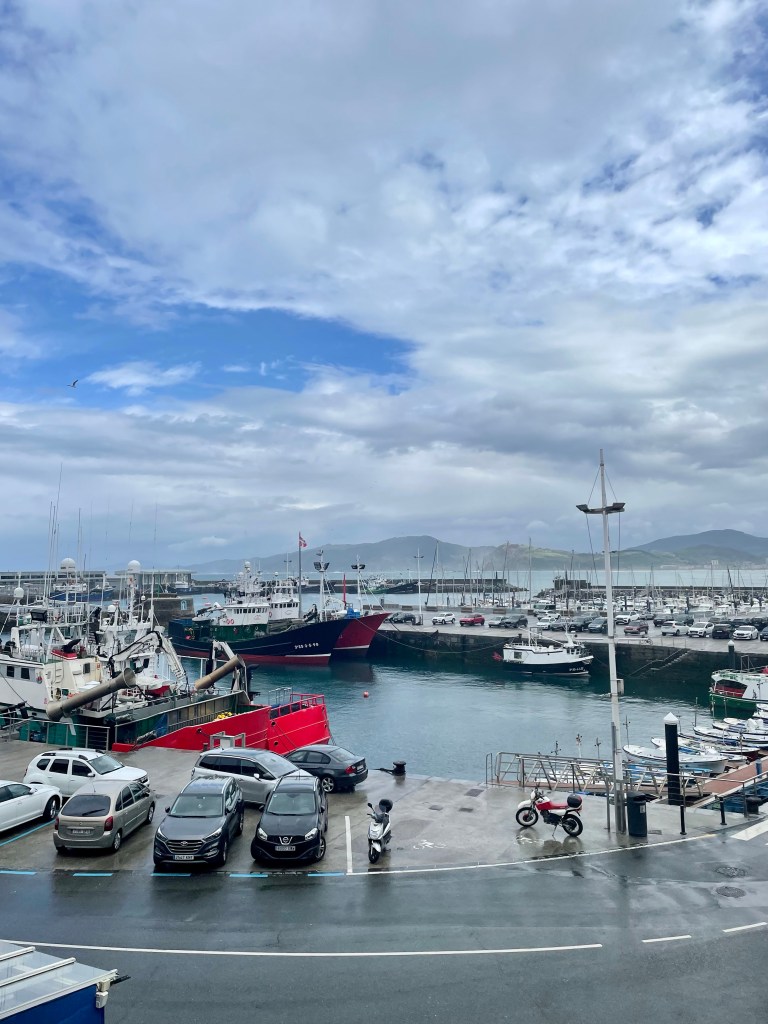
Getaria 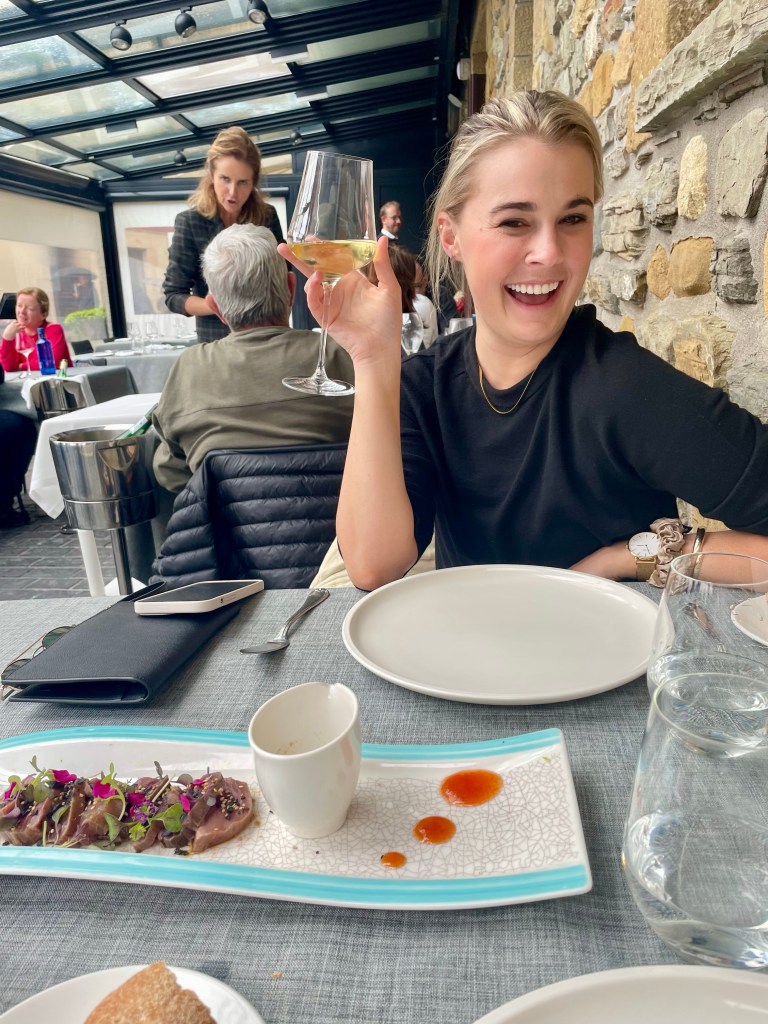
Kaia Kaipe in Getaria 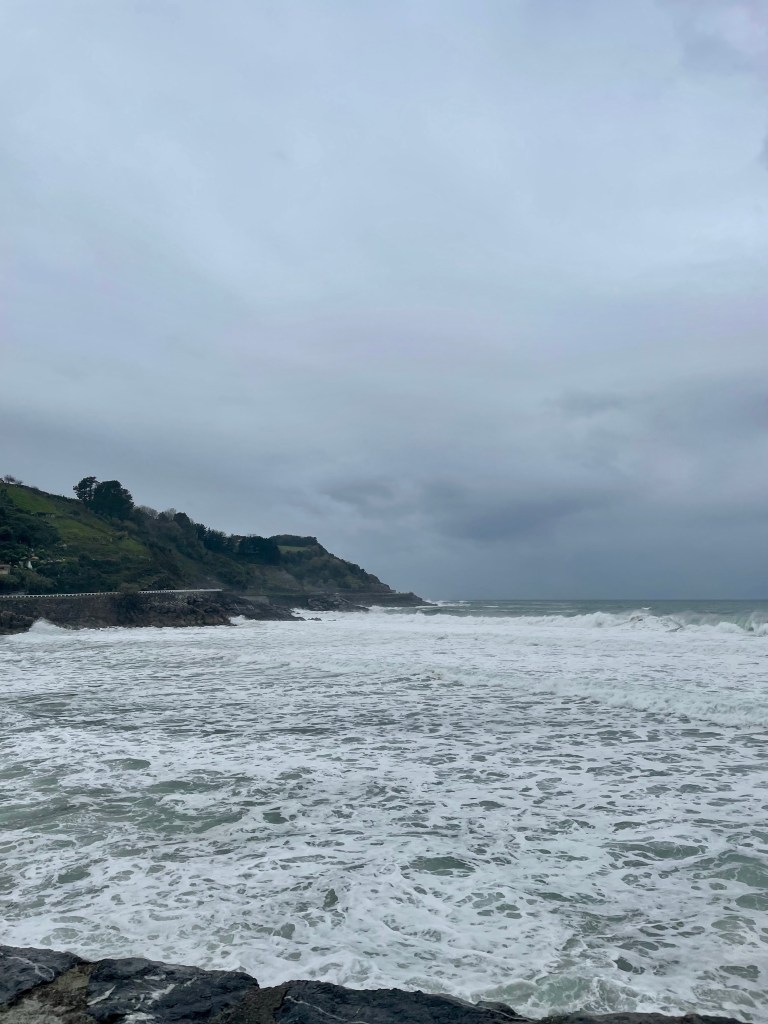
Getaria 
Arzak 
Fried brioche at Arzak 
Anchovy with absinthe at Arzak 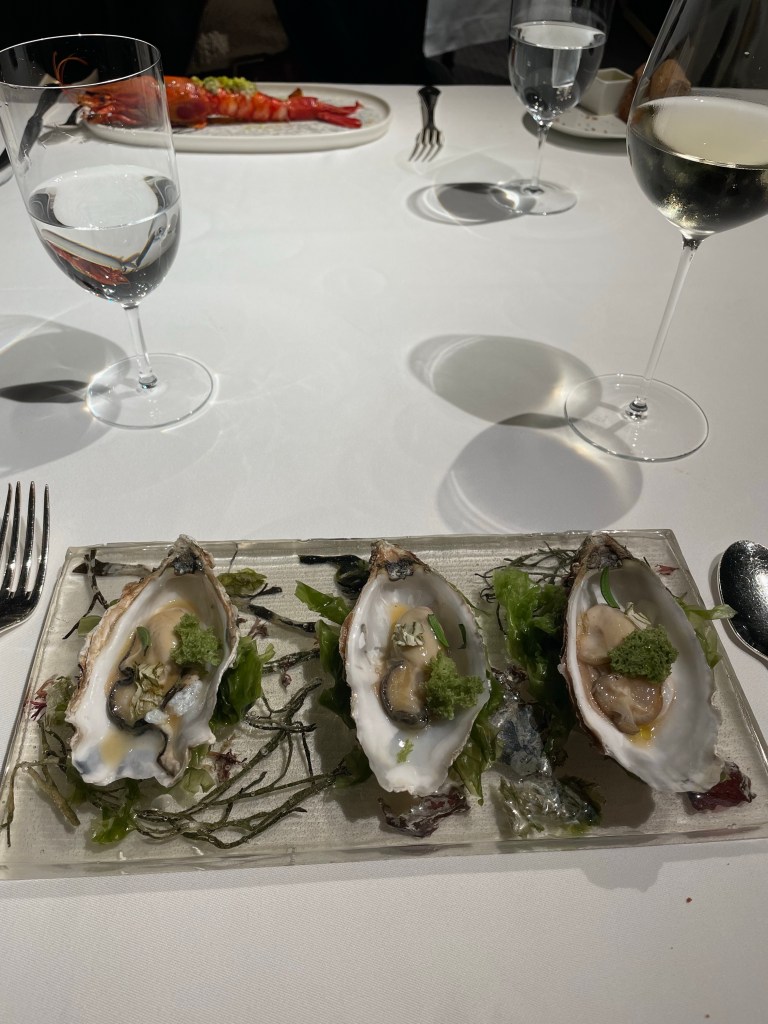
Oysters at Arzak 
Arzak 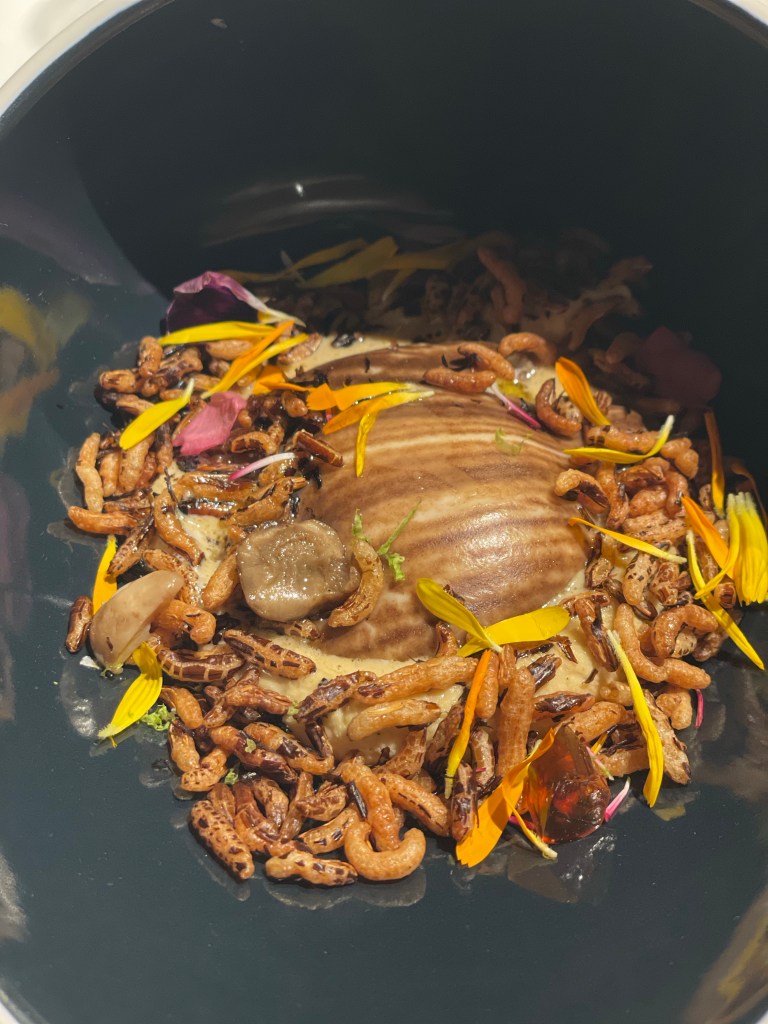
Marbled egg at Arzak 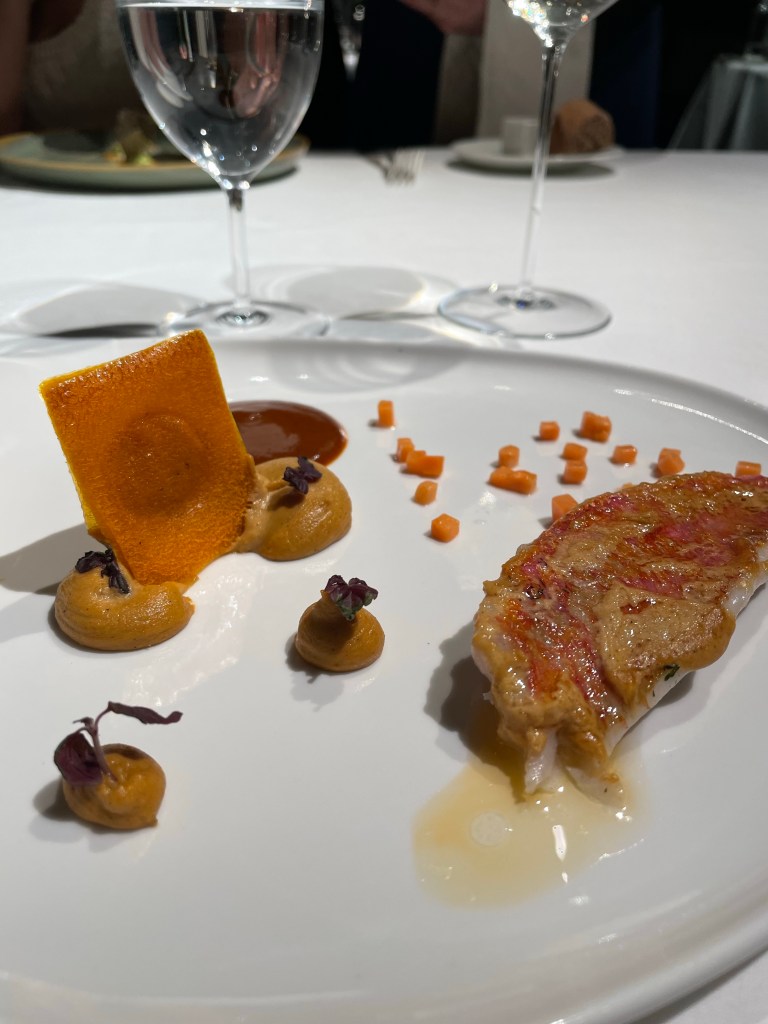
Arzak 
Roe deer and venison among acorns at Arzak 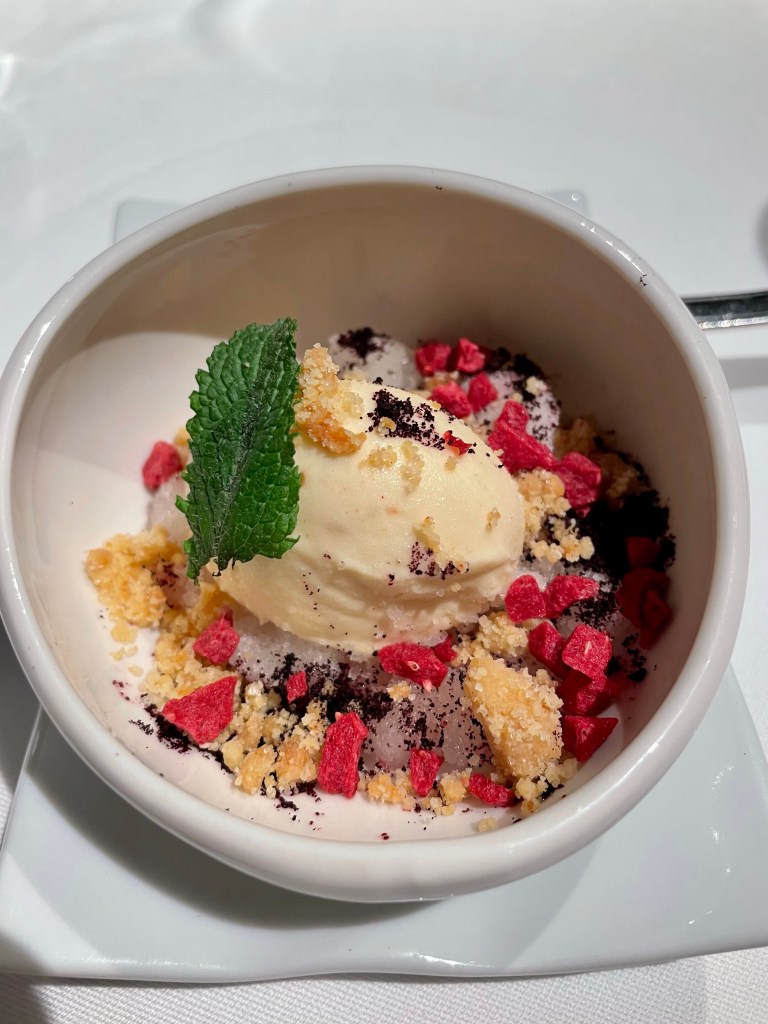
Bergamot ‘frost’ with bitter orange ice cream and crumbled figs at Arzak 
Dessert course at Arzak 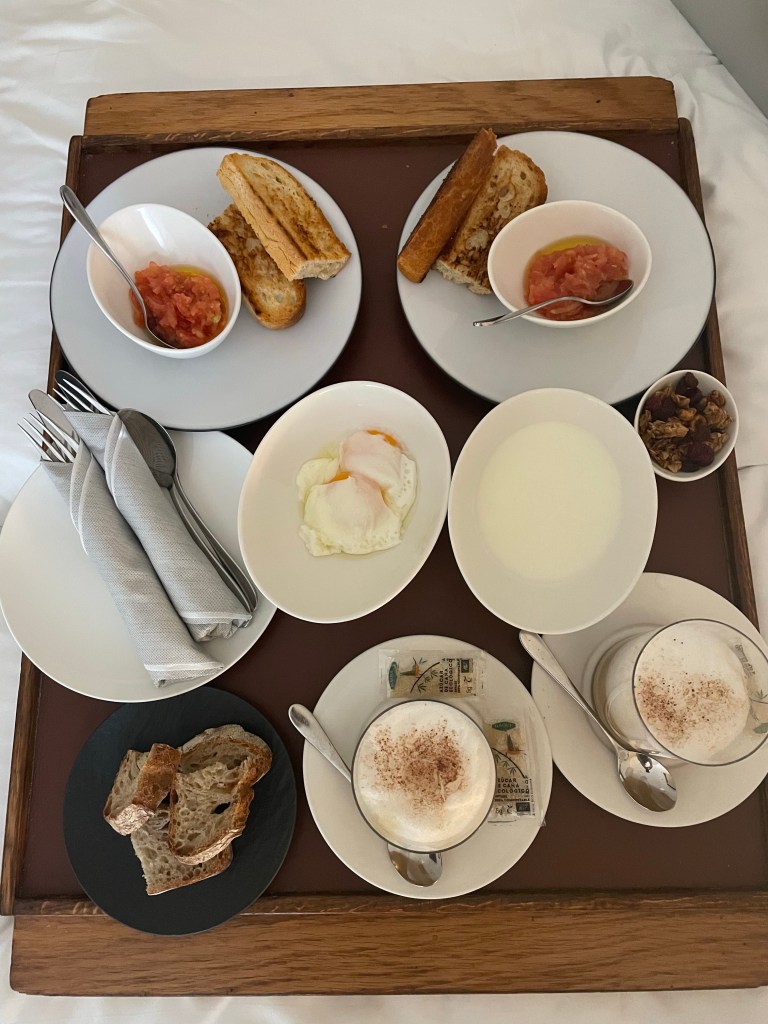
Breakfast in our room at Hotel Arbaso 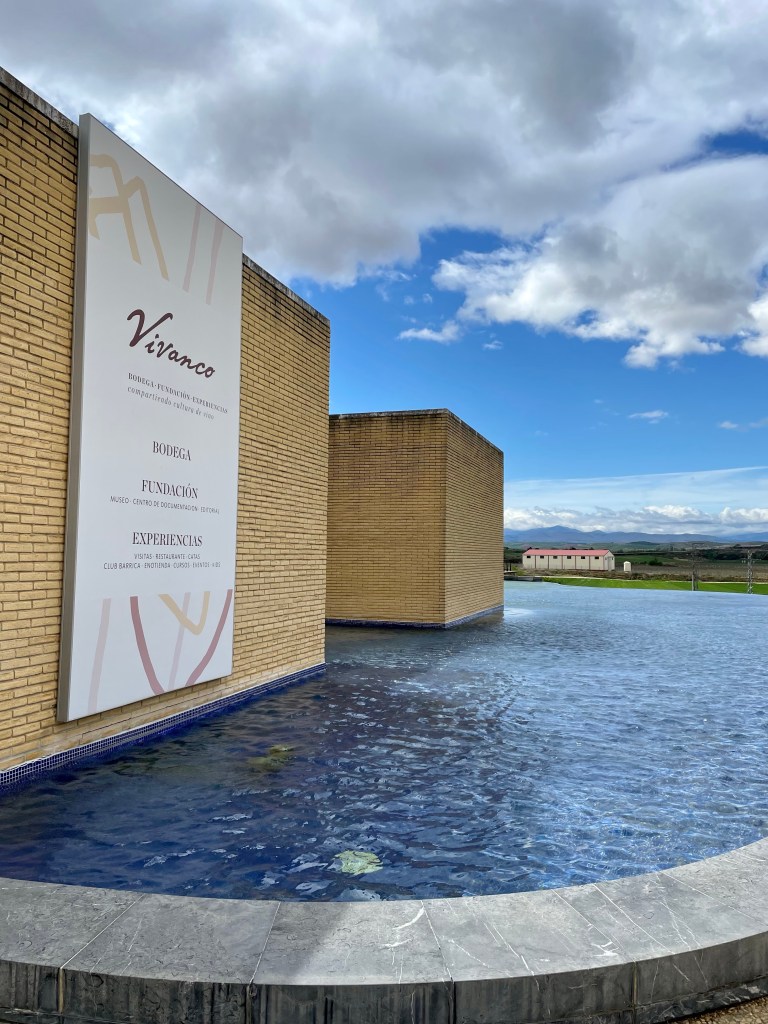
Vivanco Museum of Wine Culture 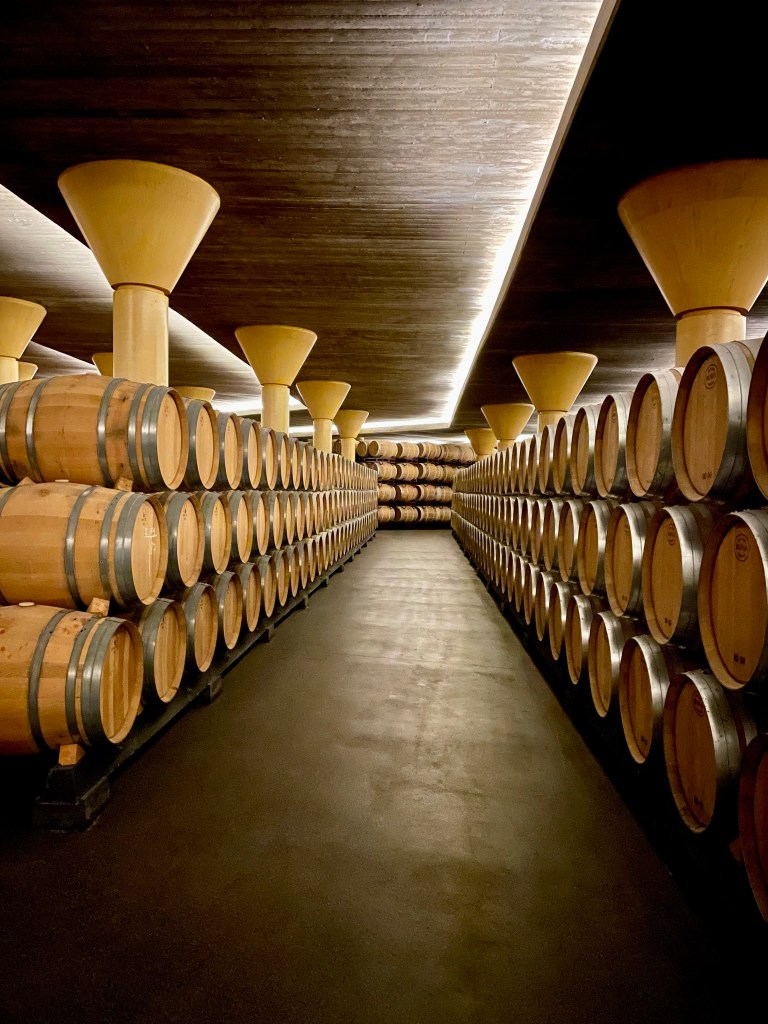
Vivanco Museum of Wine Culture 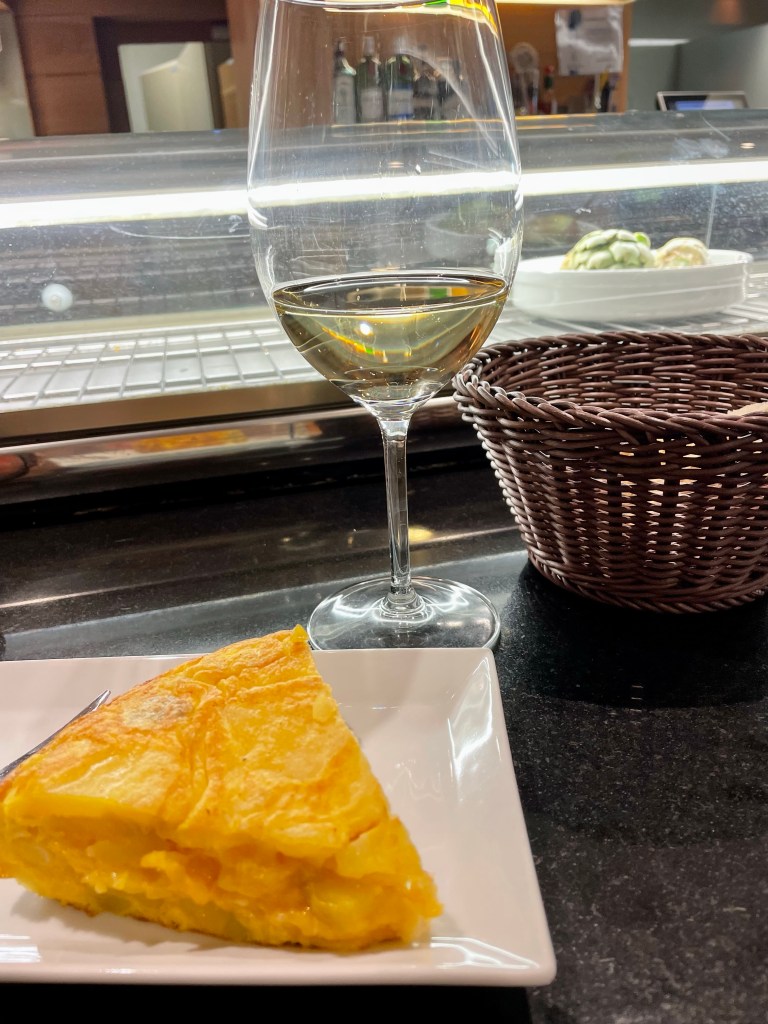
Vivanco Museum of Wine Culture 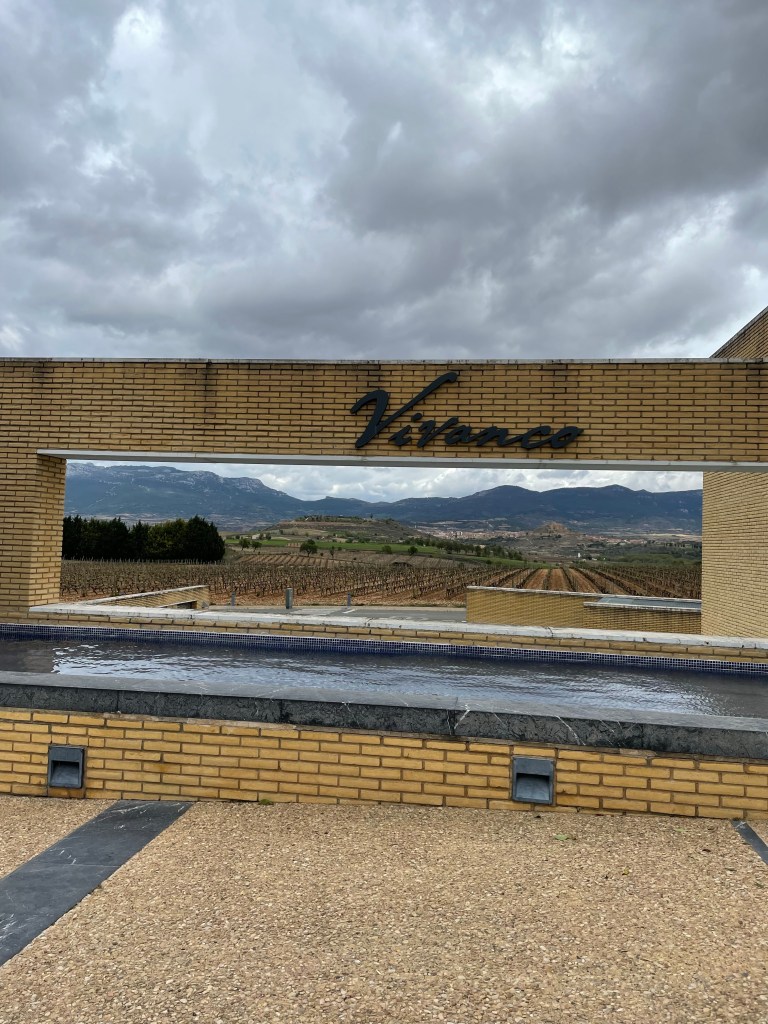
Vivanco Museum of Wine Culture 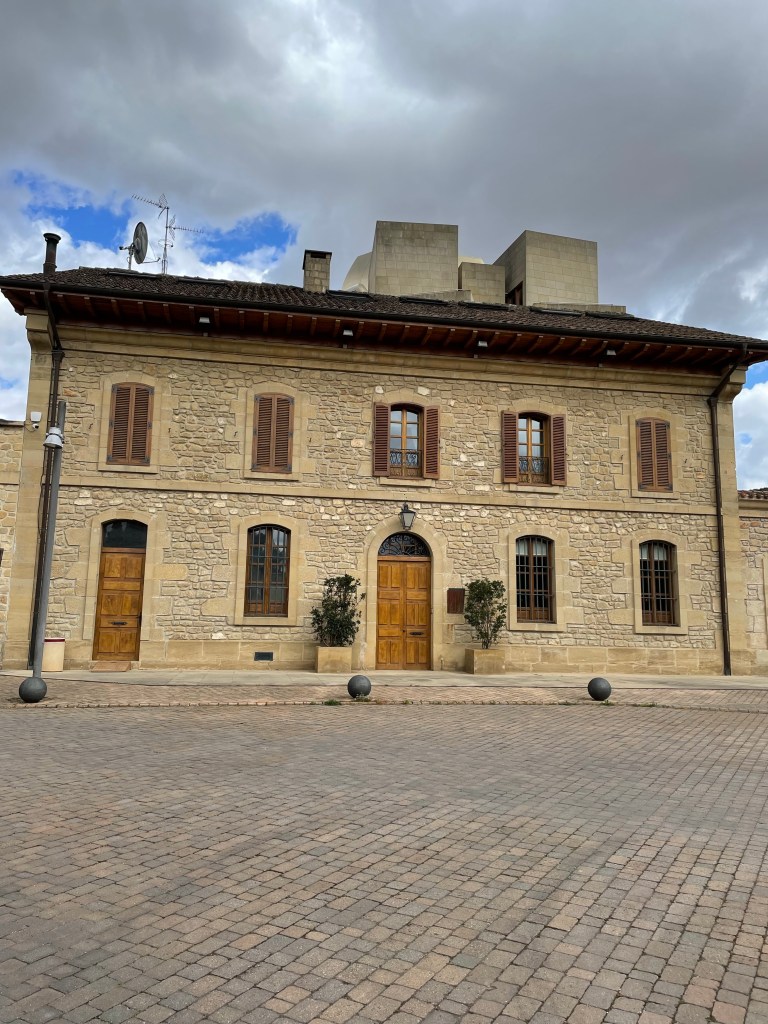
Marqués de Riscal 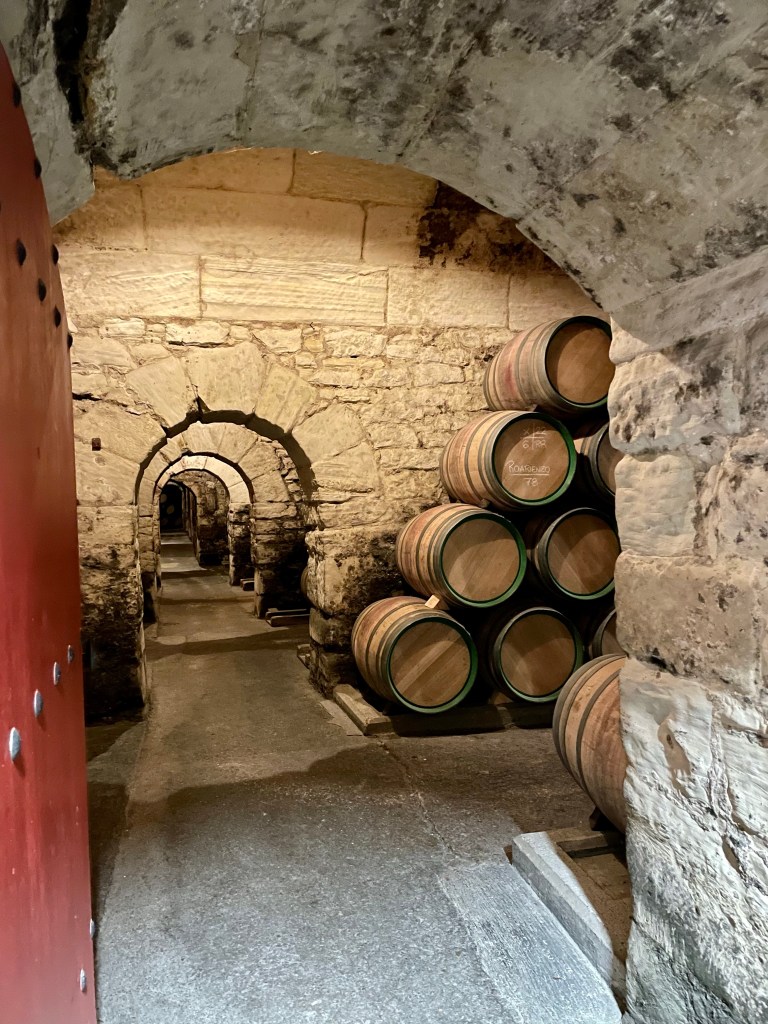
Marqués de Riscal 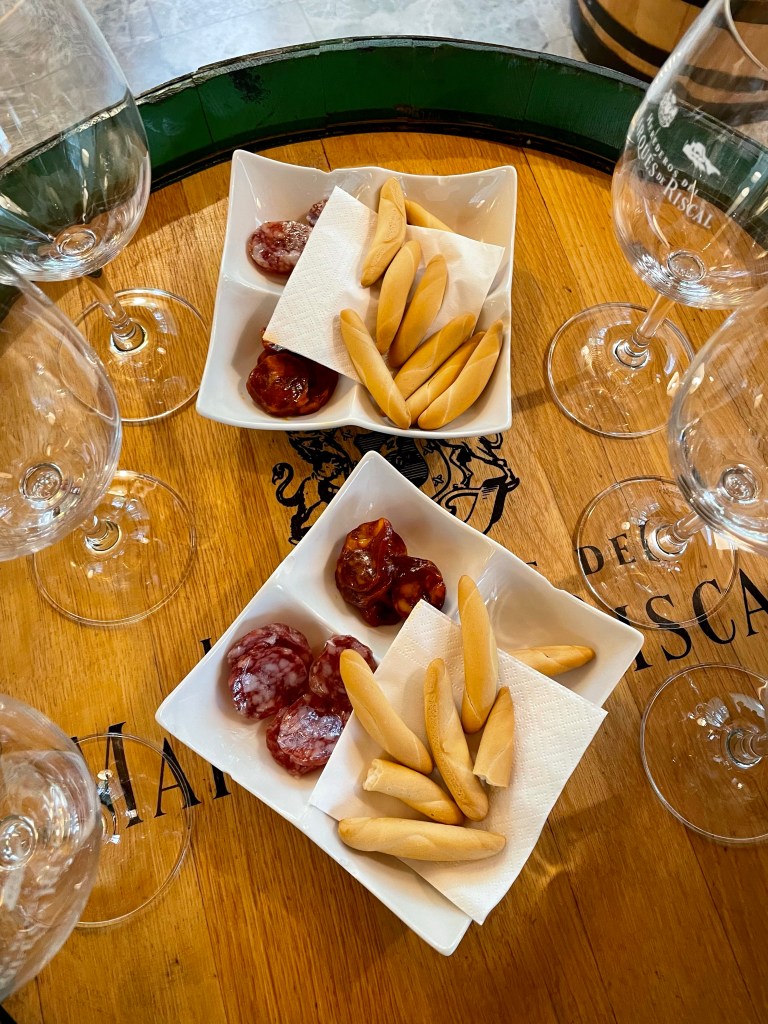
Marqués de Riscal 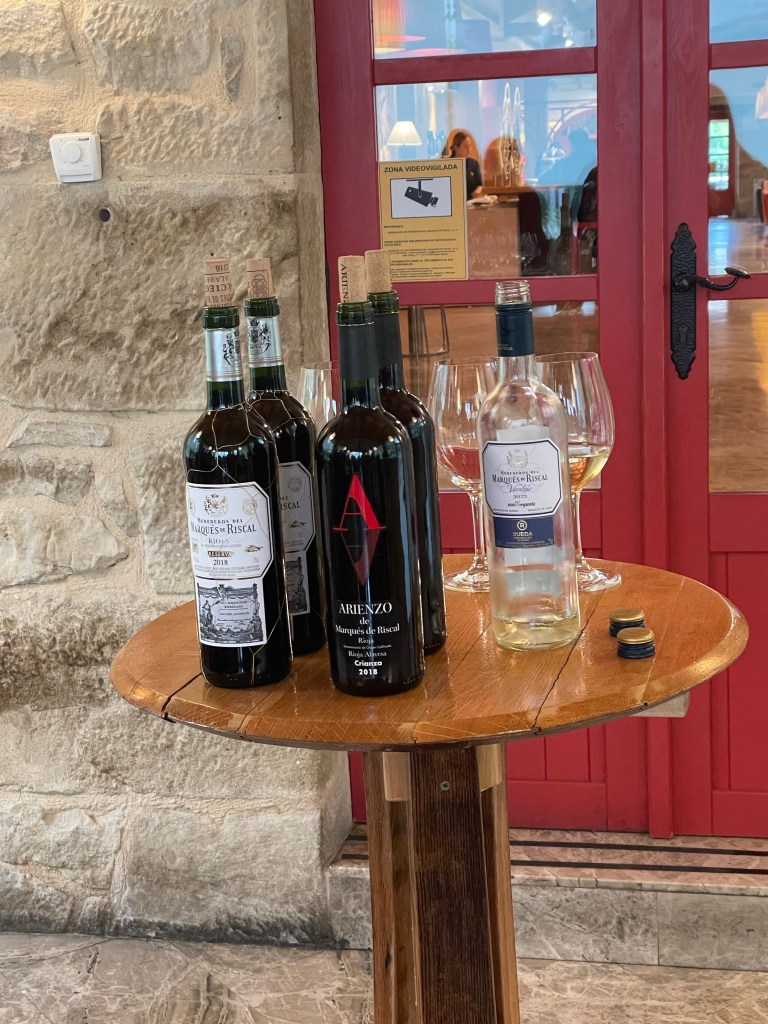
Marqués de Riscal 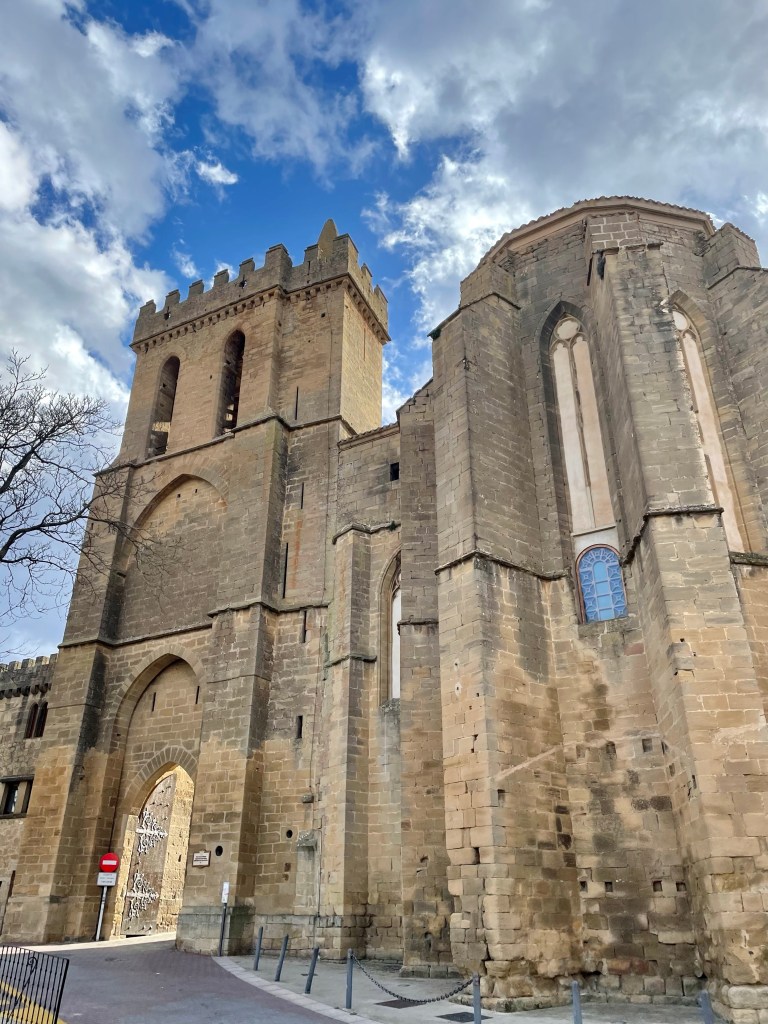
City gates in Laguardia 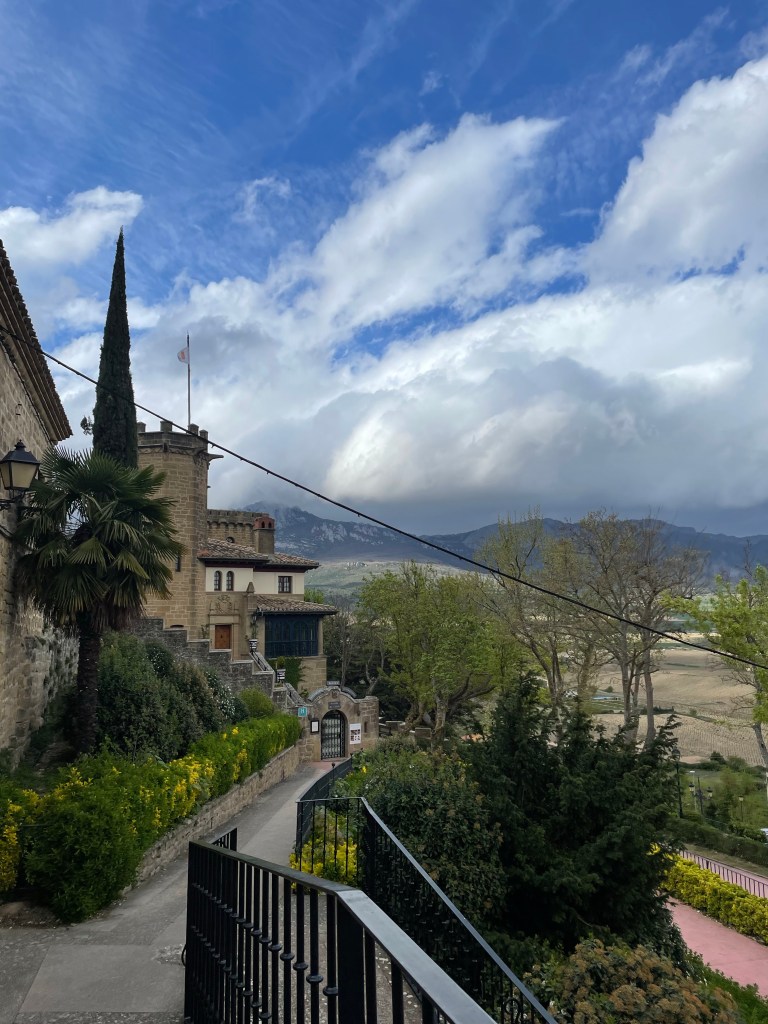
Laguardia 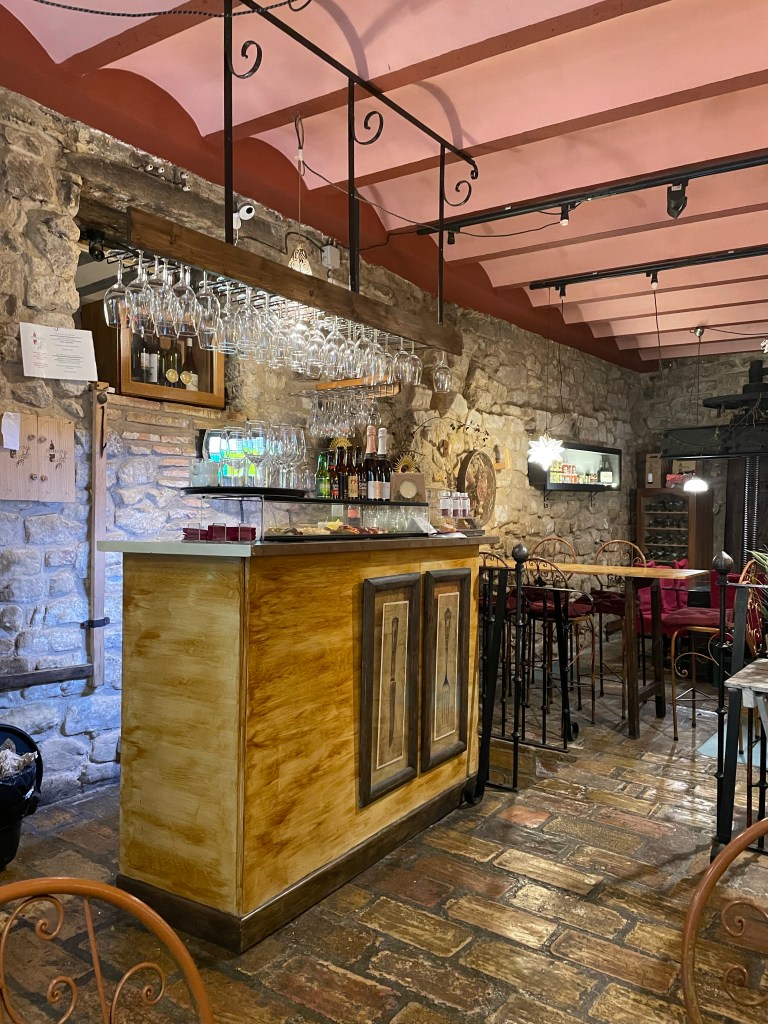
Entreviñas y Olivos in Laguardia 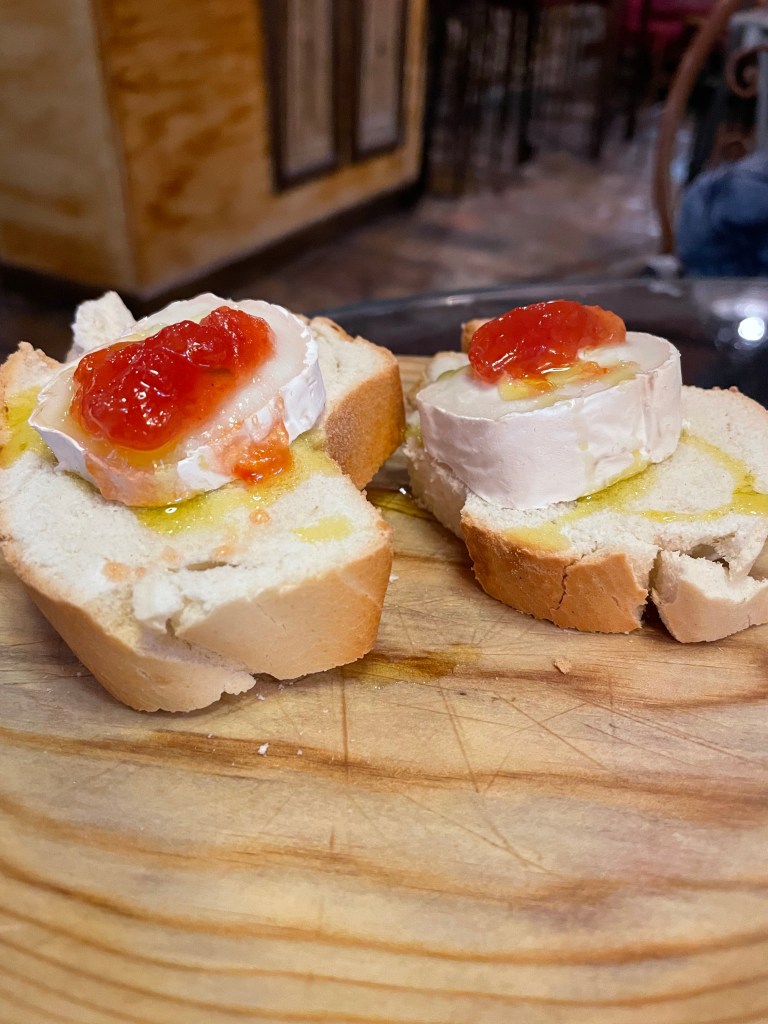
Entreviñas y Olivos in Laguardia 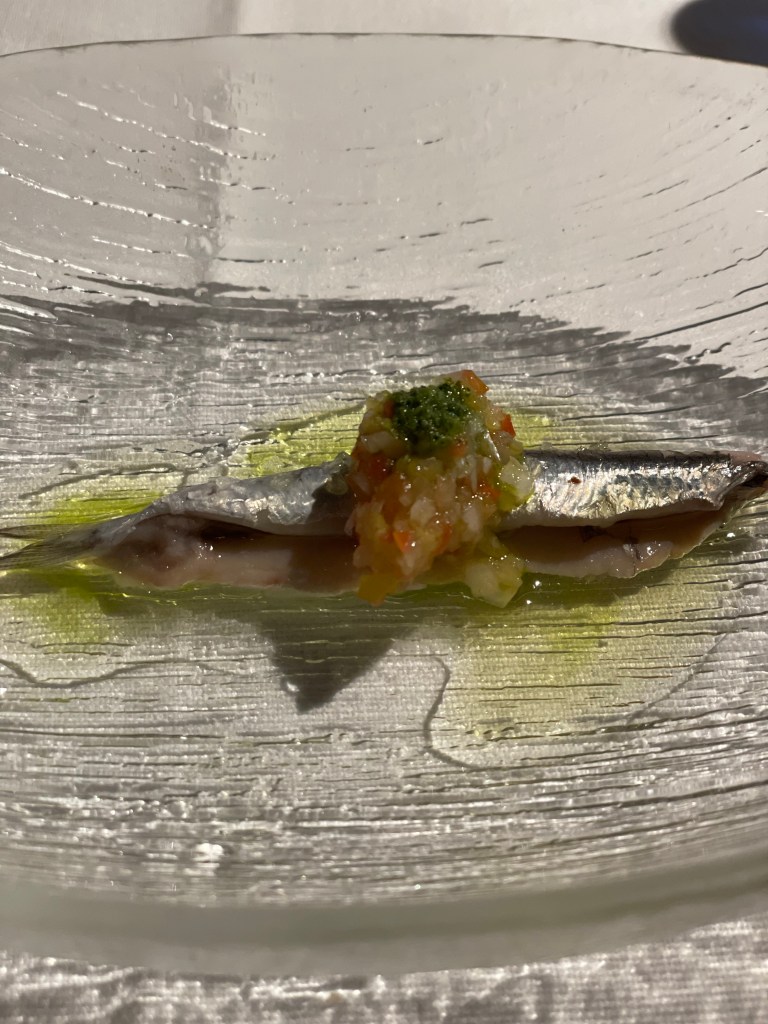
Narru in San Sebastián 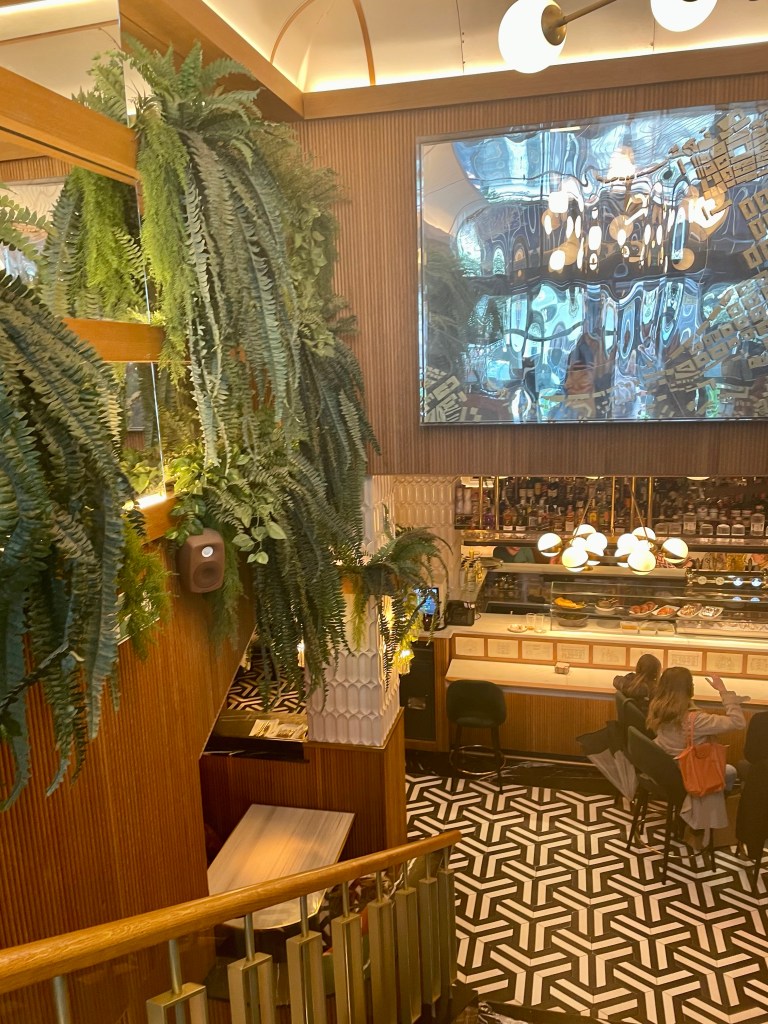
Cortazar 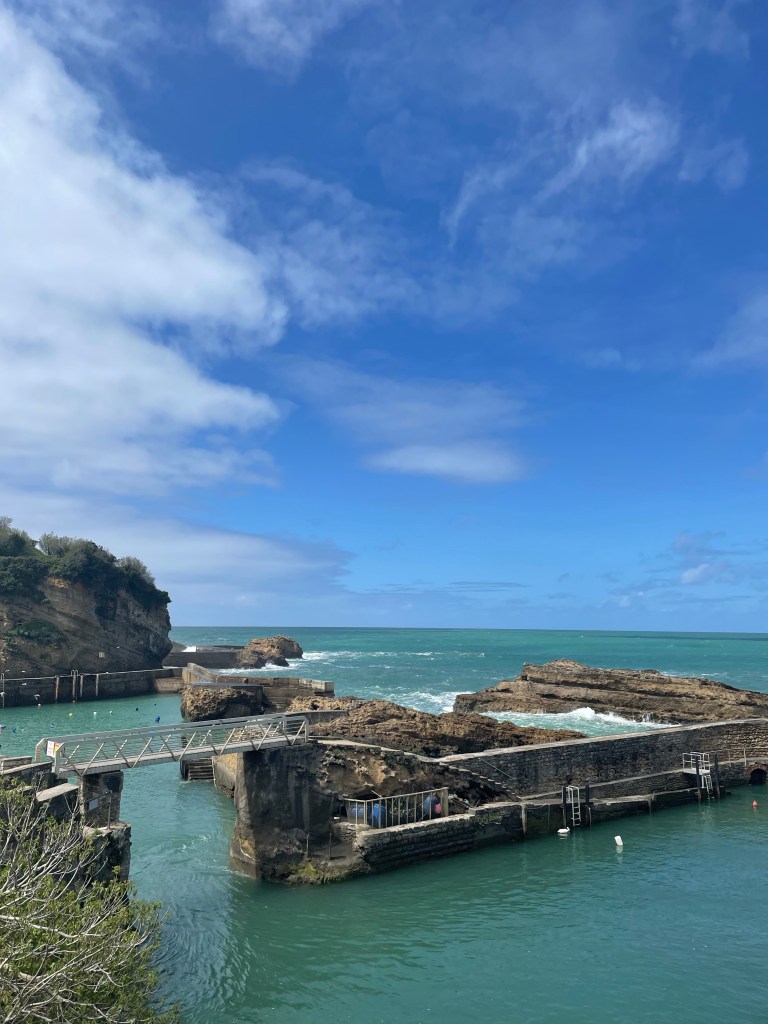
Biarritz 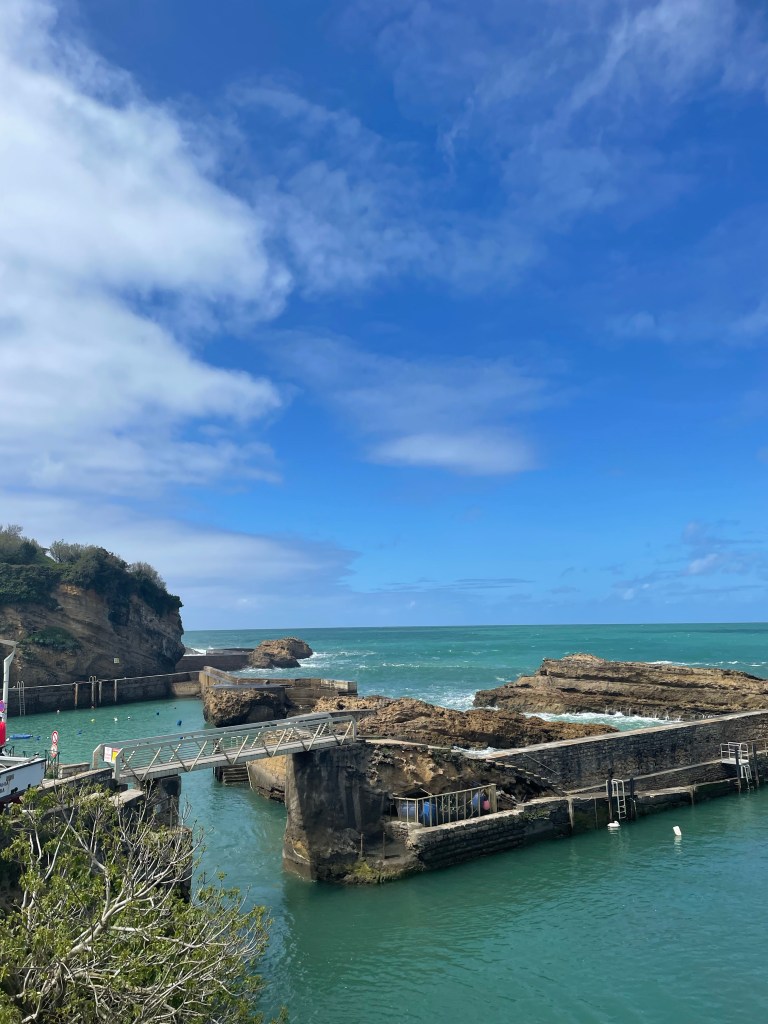
Biarritz 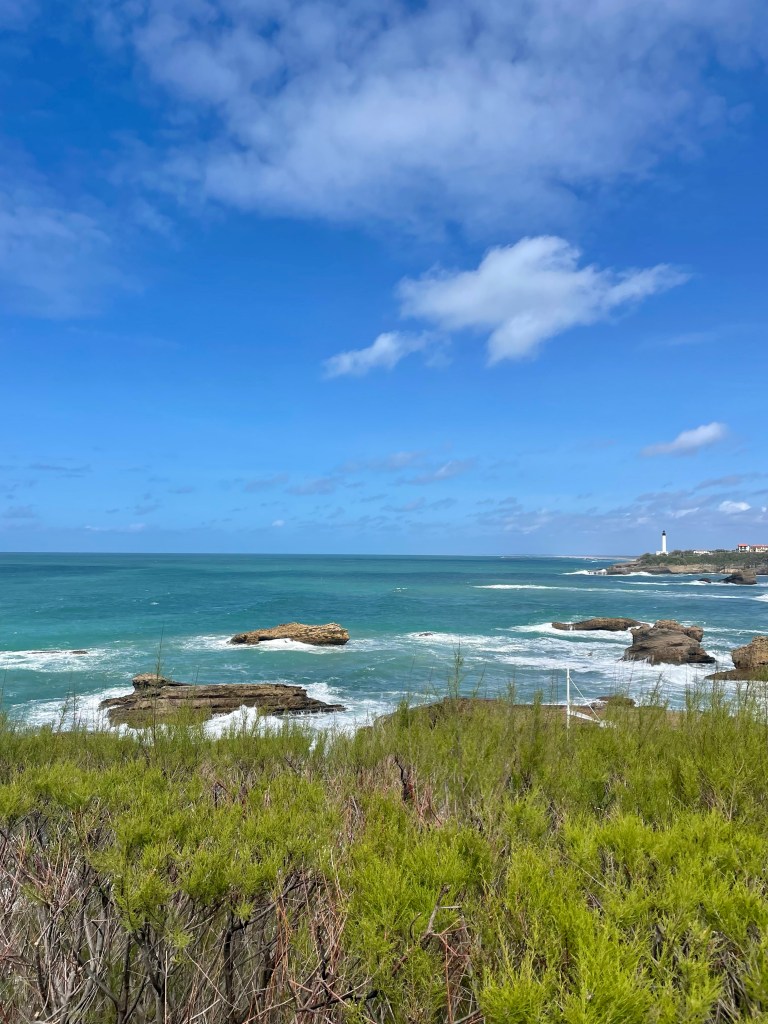
Biarritz 
Biarritz 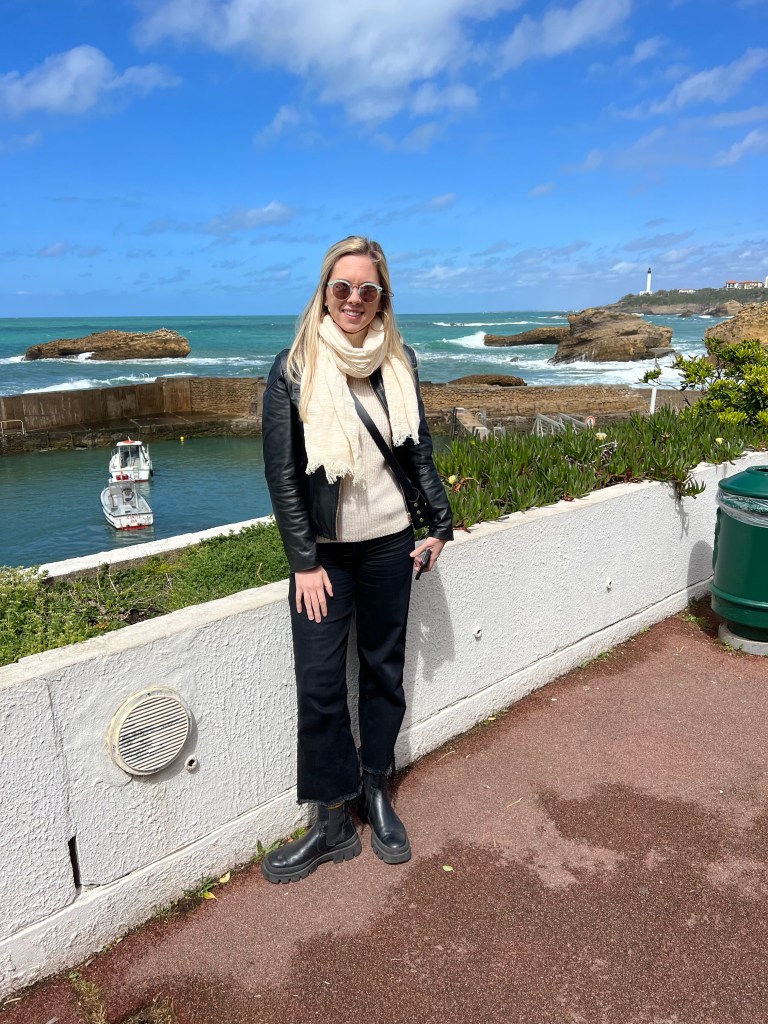
Biarritz 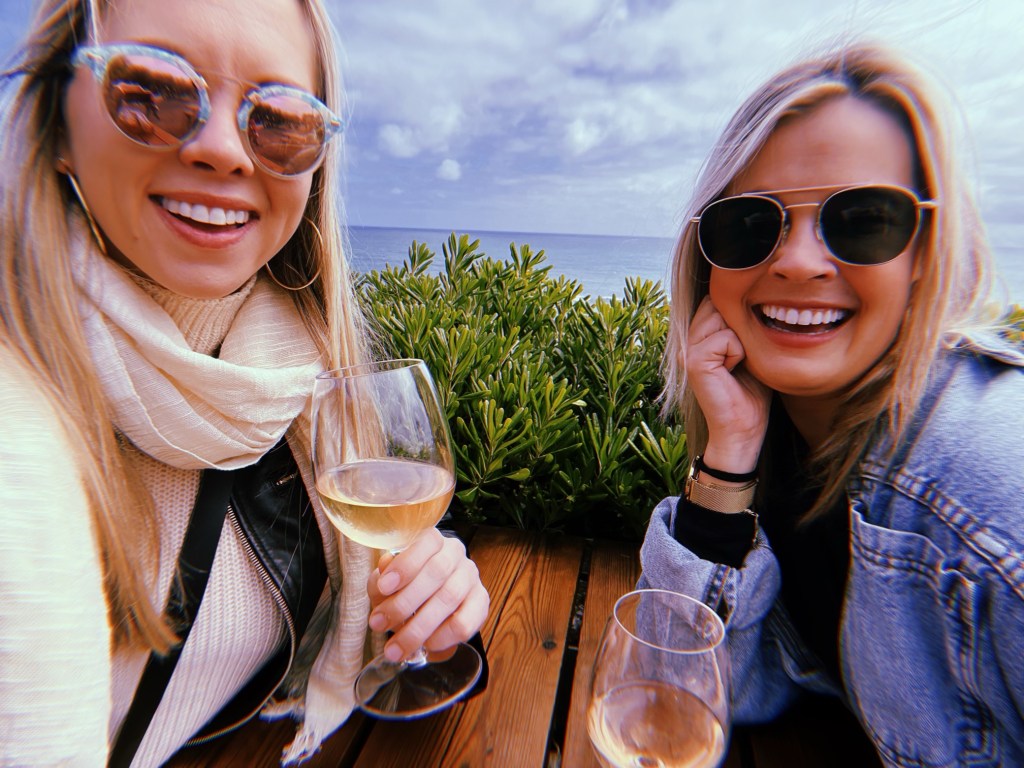
Biarritz 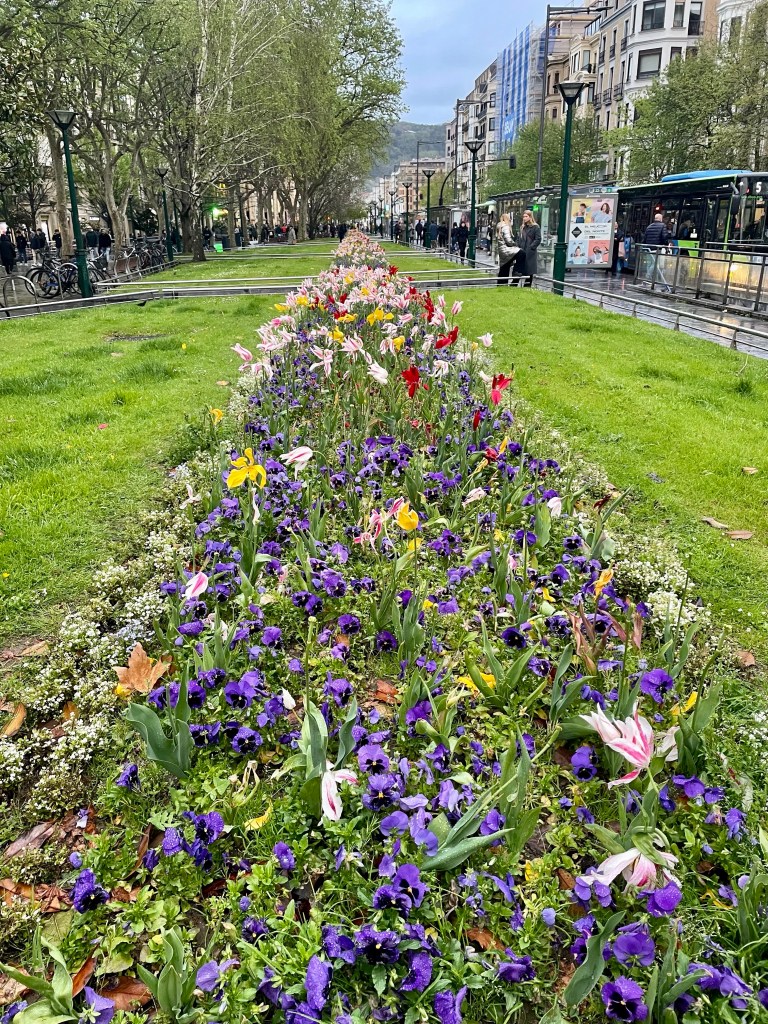
San Sebastián 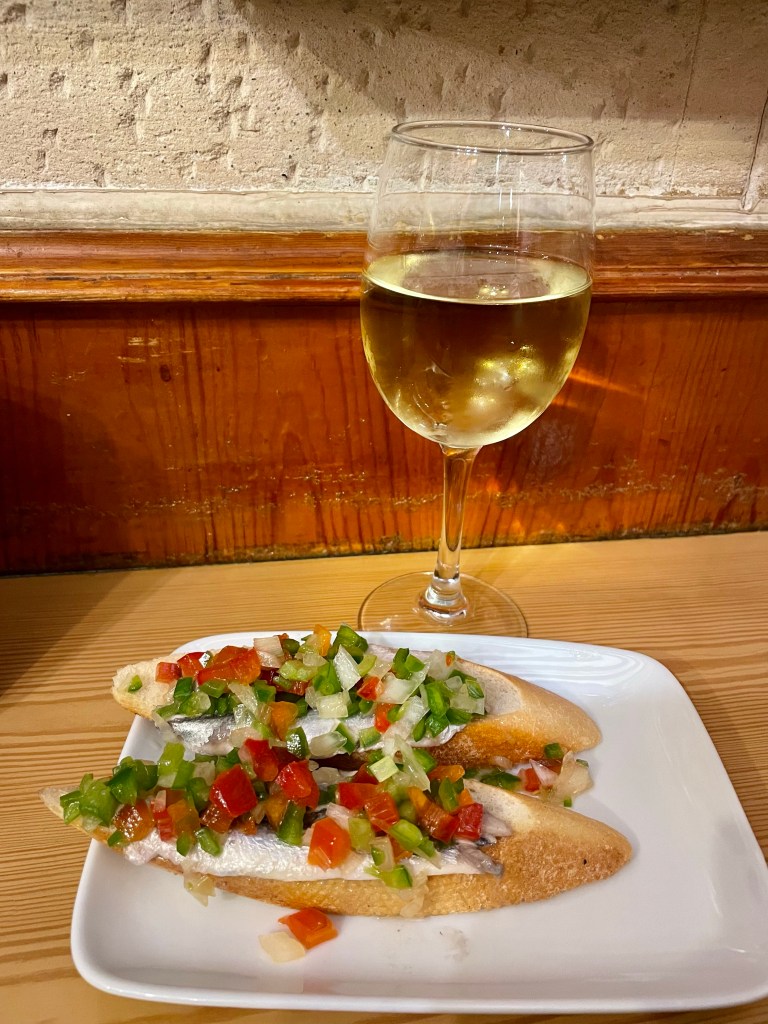
Bar Txepetxa in San Sebastián 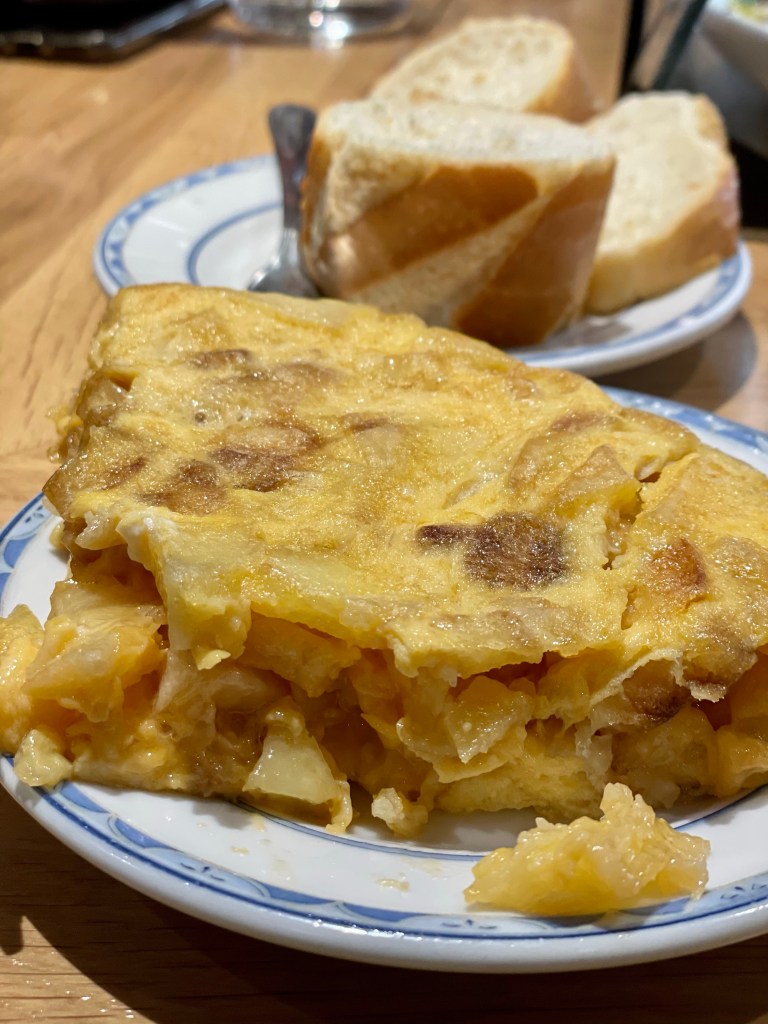
La Viña in San Sebastián 
Gelato after our pintxos crawl in San Sebastián 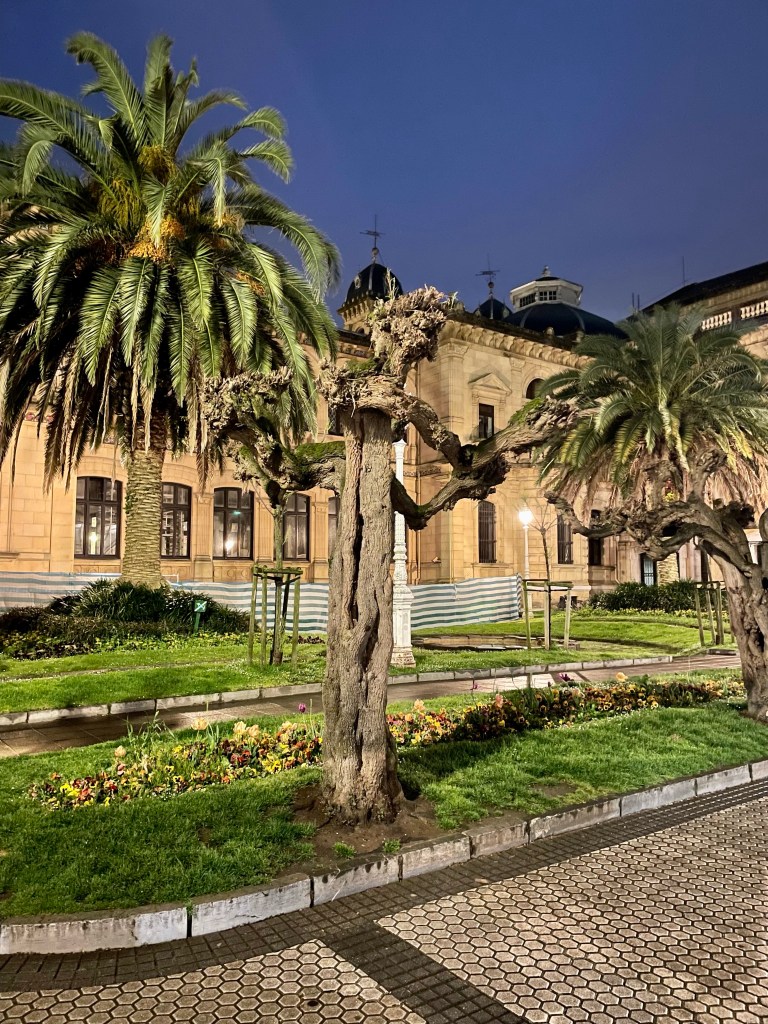
San Sebastián 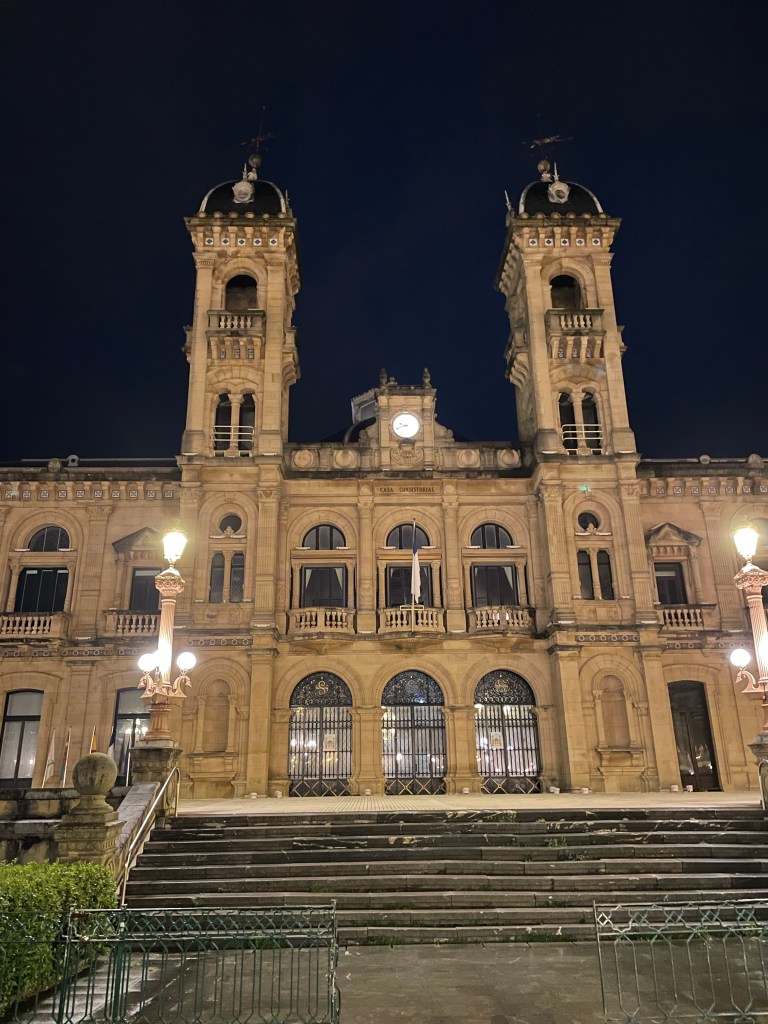
San Sebastián City Hall 
San Sebastián 
San Sebastián
Food & Drink
- San Sebastián:
- Arzak: I made dinner reservations at the eponymous restaurant of Juan Mari Arzak, the father of modernized Basque cuisine, as soon as we booked our trip and our experience absolutely exceeded our expectations. Restaurant Arzak is located in a nondescript neighborhood in a large, brick building built in 1897 by Arzak’s grandparents, who eventually turned it into a wine inn and tavern. Arzak received his first Michelin star in 1974, less than a decade after he and his mother took over the family business, and the restaurant has consistently been awarded three stars by the Michelin Guide for more than 30 years. Every dish from the extremely creative tasting menu was better than the last, but the highlight for me was when Elena Arzak—who has shared the kitchen with her father since the ’90s and is one of the most famous female chefs in the world—stopped by to personally greet our table.
- Narru: In addition to being highly recommended by several guides, Narru was conveniently located on the ground floor of our hotel. We had a wonderful dinner here on Friday night after our long day in La Rioja and its traditional, market-inspired cuisine was so good that we splurged on ordering room-service breakfast from the restaurant the very next morning.
- Cortázar Donostia: This buzzy, contemporary Mediterranean restaurant was right next to our hotel and I would be lying if I said that the made-for-Instagram décor and overall trendy vibes weren’t our primary reasons for stopping in for a drink. However, we were very pleasantly surprised with the cocktail menu and the food looked incredible, too.
- Bar Txepetxa: The first stop on our pintxos tour was an old-school restaurant known for serving some of the freshest anchovies in town marinated according to a secret family recipe handed down to the second-generation owners. The tiny, no-frills restaurant was covered in framed photographs of celebrity visitors and is essentially standing-room only, but it was absolutely packed with both locals and tourists.
- La Viña: Another highlight from our pintxos tour was La Viña, another traditional and laid-back establishment. It was much larger than Bar Txepetxa but just as packed. The standard pintxos were very good, but La Viña is known for one dish and one dish only: tarta de queso, a decadent cheesecake sold by the slice.
- Rioja:
- Vivanco Museum of Wine Culture: Although we were disappointed with our tour, Bodegas Vivanco’s modern and absolutely massive winery on the outskirts of Briones was still worth the visit. The estate and its sprawling gardens were beautiful, and the bottle shop offered a wide selection of limited-edition reserves by the glass. My recommendation would be to skip the guided tour and tasting in lieu of dropping in at the bottle shop or having lunch in the lovely restaurant overlooking the gardens.
- Bodegas de los Herederos del Marqués de Riscal: Currently ranked the #2 winery in the world (just behind Antinori nel Chianti Classico, which I visited in 2019), everything about our experience at Marqués de Riscal was fantastic. Both the tour and the property itself expertly blended the legendary winery’s history and traditions with contemporary winemaking techniques and state-of-the-art wine tourism. The 90-minute tour included a tasting of three wines accompanied by local chorizo and, at just €22 per person, was an excellent bargain for such a luxurious and high-quality experience.
- Entreviñas y Olivos: I wish we could have spent more time in Laguardia, a lovely fortified town near Marqués de Riscal, but we definitely made the most of our time by stopping in at this excellent (and almost absurdly cheap) wine bar for some pintxos and a glass or two of local wine.
- Biarritz:
- Extola Bibi: Our first stop in Biarritz was a seasonal, open-air café and beach bar atop a steep hill with pristine views of the Côte des Basques beach and pétanque courts full of elderly locals who looked straight out of central casting. Extola Bibi is allegedly open all day, but we were there at a weird time in the afternoon and were only able to order drinks. Nonetheless, we were able to (finally) enjoy some sunshine and watch the tide roll in with a few glasses of excellent Côtes de Provence rosé.
- Le Café du Commerce: There were plenty of good restaurants in the trendy area around Les Halles food market, but hardly any of them were serving food between lunch and dinner. Thankfully, we finally found a restaurant willing to serve us: Le Café du Commerce, a quintessential brasserie with excellent terrace seating. The limited menu of French classics was exactly what we needed to round out our near-perfect afternoon in Biarritz.
 Lindsey in London